
Can a Natural Gas Heater Use Propane Safely?

There is no need to panic about having mismatched fuel lines, but this is a situation that demands strict caution. Right out of the box, a natural gas heater cannot run on propane. Propane packs far more heating energy into every cubic foot and operates at much higher pressure. Feeding it directly into burners designed for utility gas produces uncontrollable flames, heavy soot, and serious carbon monoxide hazards.
A switch is only possible if the manufacturer officially allows fuel conversion for that specific model. When conversion is approved, an official kit swaps out the burner nozzles for much smaller openings and resets the pressure regulator to manage the heavier gas safely. Checking the metal rating plate first will show whether making the change is an option.
Why Can’t You Hook Propane Directly to Natural Gas?
Hooking a propane tank straight into an unmodified natural gas heater creates an immediate hazard. Natural gas appliances are engineered around a fuel that enters at low pressure and burns with moderate heat output. Propane is a denser fuel that packs far more thermal energy into every cubic foot. Forcing propane through valves and burner openings calibrated for natural gas floods the appliance with excessive fuel.
The most visible result is a runaway flame. Instead of neat blue cones resting over the burner ports, you get tall yellow flames that billow out of the burner tray. These flames lap against the interior sheet metal, quickly overheating the cabinet and scorching the exterior paint. In a workshop or garage, uncontrolled flames can escape through inspection openings and ignite nearby combustible items such as sawdust, cardboard boxes, or fuel containers.
Excessive flames also cause incomplete combustion. Because the heater cannot draw in enough fresh air to balance the sudden flood of dense fuel, it produces thick, greasy black soot. Within minutes, this soot coats the internal heat exchanger, plugs the exhaust venting, and spills into the room. Incomplete combustion generates dangerous amounts of carbon monoxide, while raw gas pooling inside the cabinet risks a flash fire when the ignition sparks.
How Do Propane and Natural Gas Differ in Practice?
Understanding why these fuels behave differently comes down to two factors: heating value and line pressure. Natural gas consists mostly of methane. It delivers roughly 1,000 BTUs (British Thermal Units, the standard measure of heat energy) per cubic foot of gas burned. Liquid propane delivers about 2,500 BTUs per cubic foot. A single puff of propane contains two and a half times more raw heat energy than the exact same volume of natural gas.
The second difference is the pressure required to feed the appliance. Natural gas travels through municipal pipes at low pressure. By the time it reaches your heater, a household regulator holds that pressure around 7 inches of water column (the standard unit for measuring low gas line pressure, equal to about one-fourth of a pound per square inch). Propane systems, drawing fuel from outdoor storage tanks or cylinders, operate at a higher delivery pressure of about 11 inches of water column.
Because propane packs higher energy and moves under greater pressure, it must pass through very tiny openings to burn cleanly. Natural gas requires wider openings so enough fuel volume can flow at lower pressure. If you are setting up warmth for drafty spaces, like selecting a heater when heating an enclosed porch or workshop, matching the appliance to your specific fuel supply is essential for clean heat.
How Do You Check if Your Heater Allows Conversion?
Before buying parts, confirm that the manufacturer designed your specific heater to accept a fuel swap. Never assume an appliance can switch fuels simply because a similar model can. You can verify your unit with a few straightforward checks:
- Locate the metal rating plate: Look for a silver or black metal data tag riveted to the cabinet, often inside the burner access door or along the lower side panel.
- Check the listed fuel type: The plate clearly states the factory fuel type, such as "Natural Gas Only" or "Equipped for Natural Gas."
- Look for conversion wording: Search the rating plate text for an explicit statement, such as "Field convertible to LP gas with kit number." If listed, write down the exact kit part number.
- Inspect the user manual: If the rating plate is worn, check the technical specifications in your owner manual under fuel conversion or optional accessories.
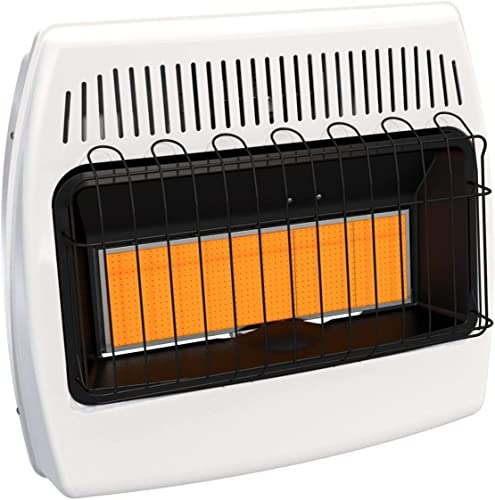
- Confirm the venting style: Most convertible units are vented appliances, such as garage unit heaters with exhaust pipes exiting through a wall or roof. Many vent-free indoor wall heaters are built for a single fuel source and cannot be converted safely under residential safety codes.
If the rating plate carries no conversion instructions, the heater must remain on natural gas.
What Parts Come Inside an Official Conversion Kit?
An approved conversion kit contains small but critical components engineered to throttle back propane flow and match the combustion chamber.
The primary component is a set of burner orifices. An orifice is a small brass nozzle that meters gas flow directly into the burner tubes. Because propane has higher pressure and heat density, propane orifices have microscopic openings often less than half the diameter of natural gas nozzles. Installing these smaller brass nozzles restricts fuel volume so the burners receive the exact amount of gas needed for clean combustion.
The kit also addresses the gas regulator, which is the valve that controls fuel line pressure before gas reaches the burners. Natural gas regulators are set to release gas at roughly 3.5 inches of water column manifold pressure. Propane requires roughly 10 inches of water column manifold pressure at the burners. The conversion kit provides a stiffer regulator spring or a reversible regulator cap that readjusts the internal diaphragm to hold this higher pressure.
Finally, the kit includes a replacement pilot nozzle if your heater uses a standing pilot light, along with new rating labels. These adhesive labels stick directly over the original factory plate, confirming that the appliance now burns liquid propane at specific operating pressures.
What Are the Safe Steps to Convert Fuel Sources?
Switching fuel sources involves gas connections, pressure settings, and flame balance. If you are not completely confident working with threaded iron pipe and combustible fuels, call a licensed gas technician or HVAC contractor. A professional possesses the specialized tools required to calibrate fuel pressure safely.
If your local building code permits homeowner conversion, follow these safe, ordered steps:
- Shut down fuel and electrical power: Turn the gas shutoff handle so it sits crosswise to the pipe. Unplug the unit or switch off the dedicated circuit breaker. Allow the heater to cool down completely before touching internal parts.
- Access the burner assembly: Remove the front access panel or service door. Carefully detach the burner tubes or slide out the burner tray to expose the brass gas nozzles.
- Replace the burner orifices: Use an open-end wrench or socket to unscrew each natural gas nozzle from the manifold pipe. Thread the new propane nozzles in by hand first to avoid damaging the brass threads, then snug them down gently with a wrench.
- Convert the gas control valve: Remove the regulator cap on the main gas valve. Swap the internal spring with the heavier spring supplied in the kit, or flip the plastic regulator stem over according to the manufacturer diagram, then reinstall the cap securely.
- Swap the pilot nozzle if present: If your heater uses a continuous pilot rather than electronic ignition, disconnect the pilot tube and swap the internal brass pilot jet with the propane version.
- Attach the conversion label: Stick the updated conversion rating label firmly onto the cabinet right beside the original data plate.
- Perform a thorough leak check: Turn on the gas supply. Brush a soapy water mixture or commercial gas leak detection fluid over every threaded joint you touched. If bubbles form and grow, shut the gas off immediately and tighten the connection. Never use an open flame to check for leaks.
- Check manifold pressure with a manometer: A manometer is a precision tool that measures gas line pressure. Connect the manometer to the pressure tap on the gas valve to verify that propane manifold pressure matches the manual specification, typically 10 inches of water column. Adjust the valve screw until the reading is exact.
- Inspect flame appearance: Start the heater and observe the flame. A properly burning propane flame is sharp, stable, and predominantly blue with soft yellow tips. A solid yellow flame indicates restricted airflow or excessive gas pressure, which produces dangerous soot.
What Kind of Heater Should You Buy Instead?
If your current heater does not support conversion kits, or if finding parts proves difficult, you have practical alternatives that eliminate fuel guesswork.
One dependable route is choosing a dual fuel heater. Dual fuel heaters come from the factory engineered to run on either natural gas or propane right out of the box. These units feature internal dual valves or built-in mechanical selector switches. You simply flip a lever or change an external pipe fitting to set the unit for whichever fuel you have connected, without dismantling burner assemblies or swapping delicate brass nozzles.
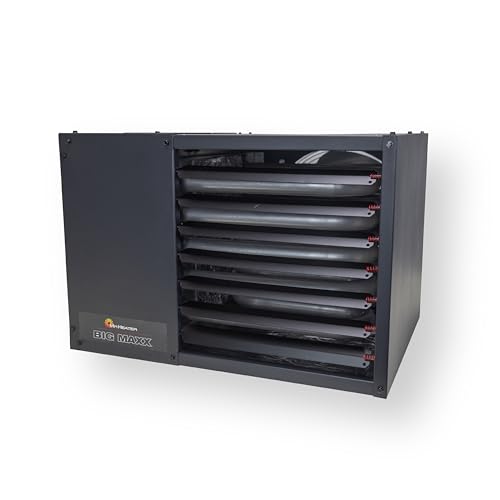
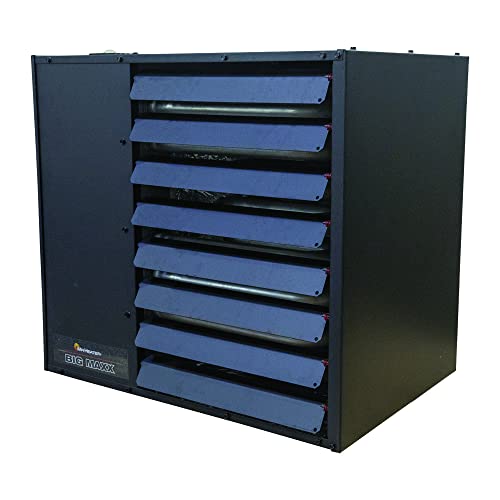
Another common option for workshops and outbuildings is a factory-convertible garage unit heater. These ceiling-mounted, forced-air heaters push substantial warmth across cold concrete floors and drafty bays. Many manufacturers build these units with universal manifold assemblies and bundle the certified propane conversion parts directly inside the shipping carton, sparing you the hassle of ordering secondary parts separately.
Before buying any replacement heater, evaluate your workspace layout and ventilation capabilities. Determine whether your room requires a vented appliance that vents exhaust fumes outside through a metal chimney pipe, or an indoor-safe vent-free wall unit that relies on room airflow. If running new gas pipes or refilling propane cylinders feels impractical, installing an electric heater with a built-in thermostat provides steady, automatic warmth from a standard wall circuit without dealing with gas fittings or combustion air.
- BWP Score8.5
BWP Score is a ranking system developed by Bestwinterproducts.com. BWP score has no relationship or impact from any manufacturers or sales agent websites. Learn more
- BrandMr. Heater

- BWP Score8.0
BWP Score is a ranking system developed by Bestwinterproducts.com. BWP score has no relationship or impact from any manufacturers or sales agent websites. Learn more
- BrandMr. Heater
- BWP Score8.0
BWP Score is a ranking system developed by Bestwinterproducts.com. BWP score has no relationship or impact from any manufacturers or sales agent websites. Learn more
- BrandMr. Heater
- BWP Score7.3
BWP Score is a ranking system developed by Bestwinterproducts.com. BWP score has no relationship or impact from any manufacturers or sales agent websites. Learn more
- BrandJEWUNO
Last update on 2026-10-17 / Affiliate links / Images, Product Titles, and Product Highlights from Amazon Product Advertising API
FAQs
Can you drill gas burner nozzles by hand at home?
No, you should never attempt to drill or modify gas nozzles yourself. Factory burner orifices are machined to microscopic tolerances using specialized precision machinery, and hand drill bits leave jagged burrs that disrupt smooth fuel flow. Altering nozzle sizes by hand leads to improper gas ratios, heavy soot buildup, and dangerous carbon monoxide leaks. Always install factory-certified replacement parts designed for your exact model.
Does converting your heater void the factory warranty?
Using an official manufacturer conversion kit installed according to the manual does not void your warranty. However, using generic aftermarket parts, modifying components by hand, or converting a heater that is explicitly rated for one fuel will instantly cancel the warranty. In many areas, uncertified modifications also violate local building codes and can compromise home insurance coverage in the event of an accident.
How can you tell if the gas pressure is incorrect?
Incorrect gas pressure shows up quickly in the appearance of the flame and unusual operating noises. Excessive pressure creates loud, roaring flames that lift off the burner tray and produce black smoke or soot. Pressure that is too low produces tiny, weak flames that flutter, struggle to stay lit, or fail to heat the space. A qualified technician checks and corrects pressure using a tool called a manometer.
Can a converted heater be changed back to natural gas?
Yes, a heater that was properly converted using an approved kit can usually be switched back to natural gas later. You simply reverse the conversion process by reinstalling the original, larger natural gas nozzles and resetting the regulator spring to lower line pressure. Keep your original factory parts and natural gas labels stored in a sealed plastic bag taped inside the heater cabinet so they are ready if you ever move.


Best Warm Winter Scarves 2026 For Cozy Comfort

Best Green Ski Goggles 2026 For Clear Vision On Slopes

12 Best Corner Electric Fireplace 2026: My Ultimate Guide To Pick One

Best Battery Powered Snow Blower 2026 For Effortless Snow Clearing

Best Ski Goggles Under 30 Inches For Crisp Vision And Comfort

Best Cooling Scarf 2026 For Instant Relief And Comfort

Fake Snow for Grass: Create a Realistic Winter Lawn Display

Dimplex Prism Wall Mount Fireplace: Sleek Heat With Modern Flame Style





