
Can Radiant Heaters Improve Indoor Air Quality?

Winter heating does not have to trigger constant sneezing, scratchy throats, or irritated lungs. While radiant heaters cannot clean or filter floating dust, fanless electric designs protect breathing comfort because they warm people directly without blowing allergens into the air. Unlike forced-air units that churn up settled pet hair and pollen with a fan, these heaters leave the air quiet and still.
That breathing relief depends on how the space is heated and maintained. Choosing a plug-in electric model avoids the dampness and fumes that come from burning fuel indoors. Wiping down the exterior panels before flipping the switch also stops settled lint from singeing against warm surfaces. A heater cannot trap airborne particles like a filter does, but switching away from blowing fans removes a major trigger for dry, irritated airways. Here is what to know about keeping a room warm while protecting the air you breathe.
Understand That Radiant Heat Warms People Without Moving Air
A radiant heater does not clean, trap, or filter floating airborne dust, pollen, and pet hair, which doctors refer to as particulate matter. It does not contain an internal pleated filter, an air intake fan, or an electrostatic dust collector plate. If you buy a radiant heater expecting it to scrub dust, animal dander, or pollen out of your living space, it cannot perform that job.
Instead, radiant heat operates like natural sunlight on a crisp morning. It produces gentle heat that warms people and furniture directly like sunlight, sending warmth out in straight electromagnetic waves. These heat waves travel quietly across the room and warm solid objects directly upon contact, without needing to heat or blow the surrounding air mass.
The true air quality benefit of a radiant heater comes down to what it avoids doing. Because it does not blow air, it never acts like an electric bellows. Settled debris stays on your rugs, furniture, and baseboards instead of floating up toward your nose and eyes. Understanding this direct heating method helps you set realistic expectations for your home breathing environment.
Turn Off Blower Fans to Keep Settled Allergens Grounded
Most common space heaters and central home heating systems rely on convection, which is warm air circulating through a room. Inside a convection heater, a mechanical fan pulls cold air in from near the floor, blows it across an electric heating coil, and blasts warm air out into your living space. This process produces high air velocity right along your baseboards, rugs, and under-bed storage zones.
Those strong air currents continuously pick up settled dust, dried pet saliva, mold spores, and pollen grains, tossing them high into your breathing zone. Whenever a forced-air fan kicks on during the night, it stirs up an invisible dust cloud. You end up breathing in those stirred particles for hours while you sleep, which leads directly to morning congestion, dry coughs, and itchy eyes.
Switching to a fanless radiant heater removes that constant air turbulence. Without an internal blower pushing drafts across your floor, settled particles stay resting on hard surfaces until you clean them away with a vacuum. When choosing a heater for drafty rooms or seasonal extensions, checking reviews for the best heater for enclosed porch spaces often highlights this exact difference between quiet, steady radiant warmth and noisy, dust-churning blower fans. Letting the air settle allows your respiratory system to rest.
Protect Your Sinuses by Preserving Natural Room Moisture
Winter air is naturally dry, but fan-forced heating can make an indoor room feel like a desert. When a space heater roasts cold air and blows it across the room, it accelerates the evaporation of moisture from your skin, eyes, and nasal passages. Your nasal passages rely on a delicate layer of moisture to trap airborne germs and irritants before they reach your lungs. When that mucous lining dries out, you become far more vulnerable to sinus headaches, nosebleeds, and allergy attacks.
Radiant heaters interact differently with relative humidity, which is the moisture level in the room air. No heater can physically add or subtract water molecules from a closed room on its own, but warmer air can hold significantly more moisture than cold air. When a fan heater shoots hot drafts into the center of a room, the sharp spike in air temperature makes the moisture level in the room air feel instantly depleted.
Because a radiant heater warms solid surfaces rather than superheating the air volume, it maintains a much more balanced environment. Your walls, bedding, and chairs hold the gentle warmth and release it slowly into your surroundings. This gentle, indirect process helps prevent your nasal passages and throat from parching overnight, keeping your natural breathing defenses intact.
Clean Heater Surfaces Before Use to Prevent Burning Dust Smells
A frequent complaint with portable space heaters is the sharp, acrid odor that fills the room during the first cold night of the season. That unpleasant smell occurs when settled household dust falls onto hot metal parts and begins to singe. Inhaling singed dust and scorched lint particles irritates sensitive bronchial tubes and can trigger sudden coughing spells or asthma flare-ups.
Radiant heaters, particularly oil-filled radiators, have outer metal surfaces that run cooler than the glowing red wire coils found inside open ceramic fan heaters. Even so, fine household dust can settle between the radiator fins or across flat panels during months of summer storage. Clearing off that settled layer before you switch the power switch on is essential for clean air.
- Turn the power switch to the off position and unplug the power cord from the wall outlet.
- Allow the unit to cool down completely to room temperature before touching any part of the metal housing.
- Use a vacuum cleaner fitted with a soft dusting brush to gently clear dust out of the crevices, fins, and bottom vents.
- Wipe down all outer panels with a slightly damp microfiber towel to pick up lingering lint and hair.
- Let the exterior dry completely before plugging the cord back into a wall outlet.
Stick to Electric Models Indoors to Avoid Dangerous Fumes
When looking at radiant heaters, you will find both plug-in electric units and portable fuel-burning heaters that run on liquid propane, kerosene, or natural gas. While fuel heaters deliver intense direct radiant heat, running them inside living areas introduces severe indoor air pollution that threatens your health.
Portable fuel heaters are usually unvented, which means burning fuel without an exhaust pipe outside to remove dangerous waste gases. As unvented heaters burn fuel, they consume room oxygen and dump combustion byproducts directly into your breathing air. These pollutants include carbon monoxide, nitrogen dioxide, microscopic soot, and large amounts of moisture vapor that can rot window frames and cause mold growth on drywall. Even brief exposure to combustion exhaust can trigger headaches, dizziness, and severe asthma episodes.
For indoor living spaces, bedrooms, and home offices, you must always choose electric radiant heaters. Electric units consume no oxygen, burn no fuels, and generate zero exhaust fumes or carbon monoxide. If you need steady warmth in a workshop or detached workspace, checking the best electric heater for garage with thermostat options ensures you get safe, unvented heating without exposing your lungs to toxic fuel fumes. Always plug your electric heater directly into a standard 120-volt wall outlet on a dedicated 15-amp circuit, avoiding extension cords and power strips.
Follow These Steps to Set Up a Bedroom for Clean, Warm Air
A radiant heater works best when integrated into an organized strategy for healthy breathing. You can follow these five clear steps to set up your bedroom for gentle warmth without triggering allergies:
- Clean your heater thoroughly before its first winter use. Pull the heater out of your closet or basement, wipe down all fins with a damp microfiber cloth, and confirm that the power cord shows no cracks or damage. This prevents stored dust from singeing against warm surfaces.
- Maintain a 3-foot safety buffer around the unit. Position your radiant heater on a flat, level floor at least 3 feet (36 inches) away from bedding, drapes, blankets, and wooden furniture. This safety buffer allows radiant heat waves to warm you freely while keeping combustible materials safe from fire risks.
- Run a true HEPA air cleaner across the room. Because your radiant heater will not blow dust into the air, an independent air purifier can steadily draw in floating particles without fighting turbulent air currents. Place the air purifier several feet away from the heater to keep both operating efficiently.
- Keep an eye on room moisture levels. Place an inexpensive digital indoor humidity monitor on your bedside table. If the moisture level in the room air drops below 30 percent during freezing weather, run a small cool-mist humidifier across the room to keep your throat and nasal membranes comfortable.
- Plug the heater directly into a wall receptacle. Standard electric space heaters draw up to 1,500 watts, which is roughly 12.5 amps of electricity. Plugging straight into a wall outlet protects your home from melting power strips and eliminates electrical burning odors.
Choose a Fanless Electric Radiant Heater for Quiet Comfort
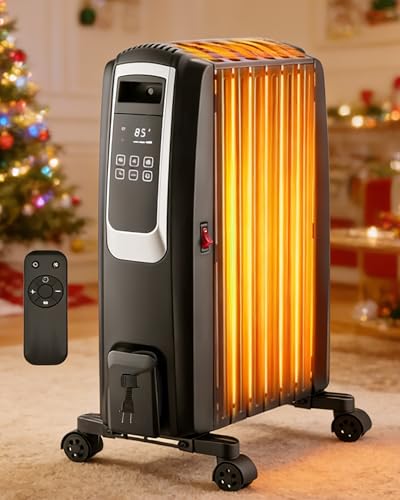
If you want to protect your airways this winter, look for a fanless electric radiant heater, such as an oil-filled radiator or a flat wall panel. A silent radiator heater circulates steady, lasting warmth by heating an internal reservoir of fluid that warms exterior metal fins. These fins push gentle heat into your room without needing an internal fan, keeping the air completely still and allergen-free.
When selecting a unit, look for multiple heat settings, such as 600W, 900W, and 1500W power levels. Lower heat settings let you maintain steady warmth on milder nights while drawing fewer amps, helping you avoid tripping a standard 15-amp household circuit breaker. A digital temperature dial that clicks on and off to hold your set warmth will keep room temperatures comfortable without overheating your space.
Safety features are equally important for bedroom use. Verify that the unit includes an automatic overheat sensor that shuts the unit off if internal parts get dangerously hot. You should also check for a tip-over safety switch that cuts power instantly if the unit is knocked over or tilted by children or pets. Finally, check the product label for a recognized safety certification mark, like UL or CSA, before setting it up in your home.

- BWP Score7.2
BWP Score is a ranking system developed by Bestwinterproducts.com. BWP score has no relationship or impact from any manufacturers or sales agent websites. Learn more
- BrandSageNest
- BWP Score9.3
BWP Score is a ranking system developed by Bestwinterproducts.com. BWP score has no relationship or impact from any manufacturers or sales agent websites. Learn more
- BrandTMWINGS
Last update on 2026-10-17 / Affiliate links / Images, Product Titles, and Product Highlights from Amazon Product Advertising API
FAQs
Can a radiant heater replace my bedroom air purifier?
No, a radiant heater cannot replace a dedicated air purifier. Radiant heaters do not contain filters to trap particulate matter such as dust, pollen, or pet hair. Instead, a radiant heater helps your air quality indirectly by warming your room without using a fan that would otherwise stir settled floor dust back into your breathing space.
Why do fan heaters make my eyes and nose itch?
Fan heaters use high-speed blowers that sweep across floors, kicking settled dust mites, pet dander, and dried pollen directly into your breathing zone. At the same time, the fast-moving hot draft speeds up moisture evaporation from your eyes and nasal passages. This combination of dry mucous membranes and airborne dust triggers sneezing, itchy eyes, and sinus congestion.
Do electric radiant heaters release carbon monoxide?
No, electric radiant heaters do not release carbon monoxide, soot, or toxic fumes. Carbon monoxide is created only when fuels such as gas, kerosene, or wood are burned. Because electric radiant heaters rely entirely on electricity flowing through internal elements, they produce zero combustion exhaust inside your home.
How often should I wipe down my radiant heater?
You should dust your radiant heater before using it for the first time each winter, and then wipe it down once every month during the heating season. Keeping the exterior metal fins free of settled household dust prevents that burning smell when the heater warms up. Always turn off the unit, unplug it, and let it cool completely before wiping it down.


Best Warm Winter Scarves 2026 For Cozy Comfort

Best Green Ski Goggles 2026 For Clear Vision On Slopes

12 Best Corner Electric Fireplace 2026: My Ultimate Guide To Pick One

Best Battery Powered Snow Blower 2026 For Effortless Snow Clearing

Best Ski Goggles Under 30 Inches For Crisp Vision And Comfort

Best Cooling Scarf 2026 For Instant Relief And Comfort

Fake Snow for Grass: Create a Realistic Winter Lawn Display

Dimplex Prism Wall Mount Fireplace: Sleek Heat With Modern Flame Style





