
Can Solar Powered Heaters Keep a Greenhouse Warm?

Freezing nights can feel stressful, but there is no need to worry about losing tender garden starts just yet. The straightforward reality is that solar heaters cannot heat a full greenhouse overnight on their own. Small solar panel kits only produce warmth while direct sunlight hits them, meaning they switch off right at sunset when freezing air settles in.
What works in your space depends heavily on your greenhouse walls and how well you seal out drafts. Thin plastic lets warmth escape almost instantly, while thick panels hold onto air much longer. The severity of your local frost matters too, along with whether you have a way to store daytime energy, such as a battery bank or barrels of water that soak up afternoon sunshine. Understanding the gap between what solar panels produce and what winter plants actually need will help you protect your garden without wasted effort.
The Reality of Heating a Greenhouse with Solar Power
Many gardeners dream of setting up a solar heater to protect tender tomatoes, greens, and young seedlings from freezing winter nights. The idea sounds perfect. The sun delivers clean, free energy directly to your yard, avoiding extension cords stretched across wet grass or spiking electric bills. However, using solar power to heat a greenhouse involves a timing conflict that catches many growers off guard.
Solar panels produce electricity only while direct sunlight strikes them. During bright daylight hours, your greenhouse rarely needs supplemental heat. Clear glass or plastic panels already trap solar warmth through the natural greenhouse effect, often driving temperatures high enough that you must open vents. The real danger for plants arrives between midnight and dawn. That is when outside temperatures plunge, frost settles on the glass, and solar electricity production drops to zero.
When you plug a heating element directly into a solar panel without battery storage, the heater cuts off the second the sun dips below the horizon. As dusk settles, the heating panel goes cold. Within an hour, the air inside an uninsulated greenhouse drops to match the freezing outdoor temperature, leaving plants vulnerable to frost.
Keeping a heater running through eight to ten hours of dark, freezing winter air requires a complete off-grid power setup. You need deep-cycle batteries to store daytime power, a charge controller, an inverter, and a solar array large enough to recharge the system during short winter days. For most home growers, building a battery system capable of powering an electric space heater overnight costs thousands of dollars, quickly outweighing the value of garden crops.
The Power Gap: Why Greenhouses Lose Heat Faster Than Small Panels Produce It
To understand why small solar kits struggle, you have to look at how quickly garden structures lose heat. A greenhouse is fundamentally a solar collector (a panel or box that warms air directly with sunlight). By design, the structure lets in as much radiant light as possible during the day. Unfortunately, the materials that admit sunlight are terrible at keeping heat inside at night.
Standard covering materials like single-layer plastic film, corrugated polycarbonate panels, or thin glass have almost no insulation value. When the sun goes down and freezing air surrounds the greenhouse, heat radiates straight out into the dark sky. The structure bleeds warmth continuously through its walls, roof vents, and perimeter seams. Heating a drafty greenhouse presents challenges very similar to choosing a heater to warm drafty spaces, where cold air constantly seeps in and overwhelms weak heat sources.
Heating power is measured in wattage. In typical American homes, a standard portable electric space heater pulls roughly 1,500 watts of heating power, drawing about 12.5 amps on a standard 120-volt household circuit. In a house, that 1,500-watt unit is sized to warm an insulated room of about 150 square feet. A hobby greenhouse of the same size with thin plastic walls loses heat four to ten times faster than an insulated bedroom. When outdoor temperatures drop into the low twenties, keeping even an eight-by-ten greenhouse above freezing can demand 3,000 to 5,000 watts of continuous heating power.
Now compare that heating demand to compact solar heaters sold online. Many of these units rely on panels producing 20 watts or 30 watts of heating power. A 30-watt heating panel produces about as much warmth as a single low-wattage incandescent light bulb. Attempting to heat a walk-in greenhouse with 30 watts is like trying to warm a cold room with a candle. The trickle of warmth dissipates into the freezing air immediately, leaving the ambient temperature unchanged.
Passive Solar Methods and Thermal Mass That Protect Plants for Free
Because running an electric heater directly from small solar panels is not practical for freezing nights, experienced gardeners rely on passive solar storage instead. Passive solar does not turn sunlight into electricity. Instead, it captures the natural thermal energy of the sun during the afternoon and locks it directly inside physical materials that hold heat well.
The foundation of passive solar heating is thermal mass (water barrels or bricks that absorb daytime warmth). Water is one of the most effective materials on earth for storing heat. A large volume of water absorbs tremendous amounts of heat during a sunny afternoon without getting hot. Then, as greenhouse air chills down after dark, that water slowly radiates stored heat back into the surrounding space completely naturally.
You can set up a thermal mass system by placing 55-gallon plastic drums filled with clean water along the north wall of your greenhouse. Paint the drums with flat black paint so they absorb maximum sunlight rather than reflecting it away. During a clear winter day, the sun warms the water inside the barrels. Throughout the night, those barrels act like silent radiators, slowly releasing steady warmth into the plant zone. A solid thermal mass cannot make a winter greenhouse feel like summer, but it routinely keeps temperatures five to eight degrees warmer than outside air, preventing fatal frost damage.
Pairing thermal mass with targeted insulation gives you even better protection. You can attach packing bubble wrap to interior greenhouse walls using plastic clips to slow heat loss. You can also build low hoop tunnels directly over planting benches and drape them with floating row covers before sunset to hold ground warmth close to plant roots.
Use this practical checklist to capture and preserve natural solar heat before freezing nights arrive:
- Seal drafty seams and vents: Check door seals, window joints, and wall corners for gaps. Seal cracks with silicone caulk or weatherstripping foam so cold drafts cannot blow straight inside.
- Position black water barrels along the north wall: Stack 55-gallon drums or dark five-gallon buckets filled with water where low winter sunlight strikes them throughout midday hours.
- Shut the greenhouse early in the afternoon: Close all roof vents, louvers, and entry doors about an hour before sunset to lock in warm afternoon air before evening chills set in.
- Cover sensitive planting beds with frost blankets: Drape lightweight spun-bond fabric or clear plastic sheets over plant benches just before dark, tucking edges down to trap soil heat.
- Insulate cold north-facing surfaces: Secure sheets of foil-faced foam insulation board over the north wall where sunlight never enters to reflect radiant heat back toward your beds.
Where Compact Solar Warmers Actually Work and What to Look For
While compact solar-powered warmers cannot heat a walk-in greenhouse, they serve a valuable purpose when used in small, focused applications. These low-wattage units shine when confined to tiny micro-climates where heat cannot escape easily.
A small solar heating panel works well inside an insulated cold frame, an enclosed seed-starting chamber, or a propagation box. When placed flat under a nursery tray, a 20-watt or 30-watt heating element warms the potting soil and plant roots directly. Warming the soil by just a few degrees speeds up seed germination and prevents root rot caused by cold, wet potting mix. Gardeners also use these small panels to take the chill off insulated pet shelters, rabbit hutches, and chicken coops, much like people setting up a heater to stay warm off-grid rely on low-draw equipment to protect specific zones.
If you want to use a compact solar heating panel to protect seed starts or small cold frames, keep several key features in mind before making a purchase:
- Automatic overheat protection: Look for an automatic overheat sensor that shuts the unit off if internal parts get dangerously hot. In a tiny enclosed seed box or cold frame, heat builds up quickly against plastic trays, making automatic shutoff essential for fire prevention.
- All-weather and moisture resistance: Greenhouse air is humid, and watering plants creates dripping water and mist. Choose a unit built with weather-resistant materials and waterproof panel construction that handles damp conditions and splashing.
- Built-in battery compartments or USB power support: Some compact solar panel warmers include a built-in battery compartment or dual USB ports. Having a small energy reserve allows the unit to continue warming your seed tray for a short window after sunset.
- Right-sized physical dimensions: Check the dimensions of your growing flat or cold frame floor against the panel size. A narrow panel measuring roughly 8 inches wide and 17 inches long fits neatly beneath a standard nursery tray, while squarer panels around 15 inches wide suit broader cold boxes.
- Flexible mounting options: Choose a model that lets you place the solar collector panel outside on the greenhouse roof or south-facing exterior wall while running the thin cord inside to the heating element. Placing the solar panel inside behind cloudy greenhouse plastic cuts power production substantially.

- BWP Score8.8
BWP Score is a ranking system developed by Bestwinterproducts.com. BWP score has no relationship or impact from any manufacturers or sales agent websites. Learn more
- BrandGeneric

- BWP Score9.4
BWP Score is a ranking system developed by Bestwinterproducts.com. BWP score has no relationship or impact from any manufacturers or sales agent websites. Learn more
- BrandGeneric

- BWP Score8.1
BWP Score is a ranking system developed by Bestwinterproducts.com. BWP score has no relationship or impact from any manufacturers or sales agent websites. Learn more
- BrandGeneric
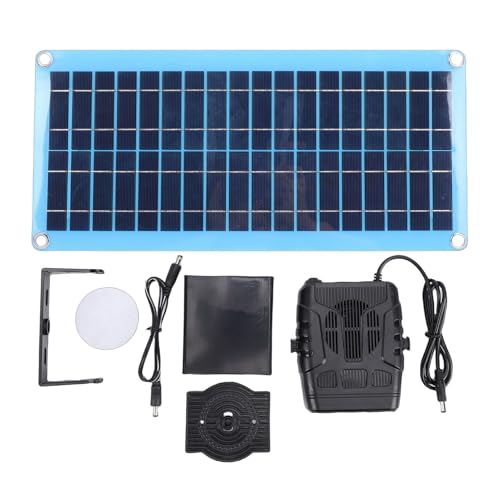
- BWP Score7.6
BWP Score is a ranking system developed by Bestwinterproducts.com. BWP score has no relationship or impact from any manufacturers or sales agent websites. Learn more
- BrandOdorkle
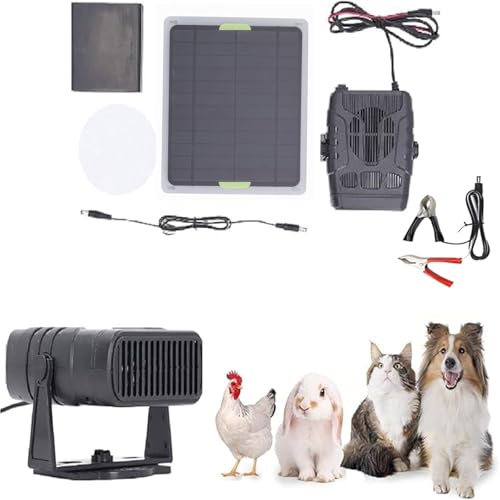
- BWP Score7.5
BWP Score is a ranking system developed by Bestwinterproducts.com. BWP score has no relationship or impact from any manufacturers or sales agent websites. Learn more
- BrandGeneric
Last update on 2026-10-04 / Affiliate links / Images, Product Titles, and Product Highlights from Amazon Product Advertising API
FAQs
Can a battery bank run a greenhouse electric heater safely?
A battery bank can run an electric heater safely, but doing so requires a substantial and expensive off-grid setup. A standard 1,500-watt space heater drains a common deep-cycle marine battery in less than forty-five minutes. Running that same heater through an eight-hour freezing night demands multiple large batteries, a heavy-duty inverter, and a massive solar array to recharge the system during short winter days. For most home gardeners, the equipment costs outweigh the savings of growing your own plants.
Why do small 30-watt solar heaters struggle during winter cold snaps?
Small 30-watt solar heating panels generate only a tiny amount of thermal energy, roughly equivalent to a single low-wattage household light bulb. Greenhouses have thin walls made of plastic or glass that bleed heat outward rapidly into cold winter air. Because the structure loses heat dozens of times faster than a 30-watt element can produce it, the gentle warmth vanishes instantly without raising the room temperature. These compact heaters are only effective when placed inside tiny, insulated boxes like seed propagation domes.
What is the lowest-cost way to keep greenhouse plants from freezing?
The lowest-cost method combines passive water storage with double-layer plant covers. Fill dark plastic barrels or five-gallon buckets with clean water and set them where midday sun warms them through greenhouse panels. At sunset, drape lightweight floating row covers or frost blankets directly over plant benches to trap rising warmth from the soil and water barrels. This simple setup costs very little and routinely keeps tender foliage several degrees warmer than outside air.


Best Warm Winter Scarves 2026 For Cozy Comfort

Best Green Ski Goggles 2026 For Clear Vision On Slopes

12 Best Corner Electric Fireplace 2026: My Ultimate Guide To Pick One

Best Battery Powered Snow Blower 2026 For Effortless Snow Clearing

Best Ski Goggles Under 30 Inches For Crisp Vision And Comfort

Best Cooling Scarf 2026 For Instant Relief And Comfort

Fake Snow for Grass: Create a Realistic Winter Lawn Display

Dimplex Prism Wall Mount Fireplace: Sleek Heat With Modern Flame Style





