
Can You Safely Leave a Space Heater On 24/7?

Switch off the unit whenever stepping out of the room, because portable space heaters should never run 24/7. These appliances are built strictly for short bursts of supplemental heat while an adult is awake and present to watch them. Leaving one running non-stop puts severe thermal stress on internal wiring, power cords, and wall outlets, drastically multiplying the risk of a house fire.
Safe operation always depends on active supervision, keeping at least three feet of open clearance from blankets or curtains, and plugging directly into a healthy wall outlet that never feels warm. Built-in shut-off switches and digital thermostats provide essential protection during regular use, but they cannot eliminate the dangers of constant heat. Here is what happens to home wiring under an endless electrical load, and how to safely warm a cold space all day long.
Why Portable Heaters Are Built for Supplemental Warmth, Not Constant Operation
Portable space heaters are designed exclusively for supplemental heat, which means temporary warmth for a small zone, not a whole-house furnace. Every recognized safety standard in the United States, including certifications from Underwriters Laboratories (UL) and Intertek (ETL), classifies portable electric heaters as attended appliances. An attended appliance requires an awake adult to be physically present in the room while the unit runs. Manufacturers build these units to take the morning chill off a home office, warm up a seating area in the evening, or supply brief spot heat while you relax. They are not engineered to operate as continuous, permanent heating plants.
A common misconception is that modern electronics make non-stop heating safe. Many people assume that because a unit features a digital temperature dial that clicks on and off to hold your set warmth, it can run day and night without intervention. But internal wear accumulates quickly when a heater runs all day. A fan that pushes warm air across the room relies on small electric motor bearings. Under non-stop heating, the lubricating oils in small fan motors can dry out, slowing the fan down and trapping heat inside the housing.
Dust accumulation presents another serious risk during long heating sessions. Portable units pull cool room air across floor level through an intake grille. As the machine runs around the clock, household dust, pet hair, and lint collect on the internal heating grid. A ceramic heating element that warms up in seconds operates at temperatures high enough to scorch lint fibers. If the blower fan slows down due to motor fatigue, that accumulated dust can smolder, creating an immediate fire hazard right inside your living space.
What Happens to Household Wiring, Outlets, and Elements Under Continuous Load
The biggest danger of running a space heater 24/7 is not just what happens inside the heater itself, but what happens hidden behind your drywall. In standard American homes, a full-power portable heater draws 1,500 watts on its high heat setting. On a standard 120-volt household electrical circuit, that 1,500-watt draw pulls approximately 12.5 amps of continuous electrical current. Most residential branch circuits are wired with 15-amp breakers designed to handle normal household electronics, lighting, and small appliances.
Electrical safety codes define a continuous load as any electrical draw that continues for three hours or longer. Under standard safety guidelines, a branch circuit should never be loaded beyond 80 percent of its rated maximum capacity for a continuous load. On a standard 15-amp circuit, 80 percent is exactly 12 amps. When you run a 1,500-watt space heater non-stop, you are pulling 12.5 amps continuously, which exceeds that 80 percent threshold. If you have a single floor lamp, television, or laptop charger plugged into that same circuit, you push the wiring even closer to its absolute limit.
Continuous electrical draw generates steady heat along every inch of the circuit, especially at connection points. The wall outlet receptacle is the most vulnerable failure point in the entire room:
- Metal contact fatigue: Inside the wall outlet, spring-loaded brass contacts grip the prongs of the heater plug. Over years of plugging cords in and out, those internal clips lose tension and become loose.
- High contact resistance: A loose connection creates electrical resistance, and electrical resistance converts directly into intense physical heat right at the faceplate.
- Insulation breakdown: Hours of steady high-amp current can degrade the plastic outlet body and melt the rubber wire insulation behind the wall box, creating a hidden fire risk before a breaker even trips.
- Power strip failures: Plugging a 1,500-watt heater into an extension cord, power strip, or surge protector is extremely dangerous. The thin internal wiring and cheap plastic housings of standard multi-plug strips quickly melt under continuous 12.5-amp current, sparking sudden electrical fires.
Always inspect the wall outlet where your heater runs. If the wall plate feels warm to the touch, if you notice black soot marks around the prong slots, or if the plug smells like sweet burning plastic, shut the heater off immediately. Unplug the unit, leave the circuit alone, and contact a licensed electrician to inspect and replace the worn receptacle.
Leaving Heaters Running While Sleeping or Away: Essential Safety Checklist
The risk of space heater fires jumps dramatically when occupants fall asleep or leave the house. Human awareness is your primary safety barrier against room fires. When you are awake and sitting in the room, you notice immediately if a pet knocks the unit sideways, if a draft blows a lightweight curtain across the front grille, or if an odd chemical odor starts drifting from the housing. When you are asleep or away at work, those warning signs go unnoticed until smoke alarms sound or flames spread.
Bedrooms present high-hazard environments for non-stop heating because of bedding, pillows, and clothing. Blankets can slip off the edge of a bed in the middle of the night and land directly against the front heat grille. Even with modern safety switches, covering an active heat source can trap enough thermal energy against dry fabric to ignite it. When you need extra warmth in living zones during the day, using a proper heater to warm drafty enclosed porches or seasonal sitting areas requires active adult supervision so you can respond if conditions change.
Before you turn in for the night or step out the front door, walk through this safety checklist to keep your home protected:
- Turn the heater completely off: Press the main power switch to off and disconnect the plug from the wall outlet before closing your eyes or leaving the home.
- Pre-warm the sleeping area safely: Run the heater for 30 to 45 minutes while you get ready for bed, then shut it down completely right before you climb under the covers.
- Verify the 3-foot safety buffer: Ensure the heater has at least three feet (36 inches) of clear, empty space on all sides, keeping it far away from bedding, drapes, papers, and upholstery.
- Confirm a level floor foundation: Place the unit flat on bare hardwood, tile, or laminate flooring, never on soft rugs, plush carpets, or furniture where it can tilt.
- Check the plug temperature by hand: After 20 minutes of attended use, lightly touch the rubber plug head at the wall to confirm it remains cool or only mildly warm.
- Inspect smoke and carbon monoxide alarms: Confirm that working smoke alarms are installed inside every bedroom and in the hallway right outside each sleeping area.
The True Cost of Running 1,500 Watts Non-Stop and Safer Ways to Warm a Room
Running a portable electric heater 24 hours a day is one of the most expensive ways to warm a home. Electric space heaters produce heat through direct electrical resistance, which consumes high amounts of grid energy. A standard 1,500-watt heater running at full capacity consumes 1.5 kilowatt-hours (kWh) of electricity for every hour it operates. If you leave that heater running continuously for 24 hours, it burns through 36 kWh in a single day.
Over a standard 30-day winter billing period, that single portable heater uses approximately 1,080 kWh of electricity. Depending on your local electric utility rates, running just one portable unit non-stop can easily add between 150 and 300 dollars to a single monthly electric bill. In comparison, central furnaces, modern heat pumps, and well-maintained baseboard systems distribute heat far more efficiently across your living space without overloading individual wall receptacles.
If you are struggling with a room that remains freezing all day and night, use these safer, permanent methods to stop heat loss without relying on continuous plug-in appliances:
- Seal air leaks around windows and baseboards: Cold drafts pulling through window frames create constant chills. Apply self-adhesive foam weatherstripping along window sashes, install clear shrink-film insulation kits across drafty glass, and slide heavy fabric draft stoppers along the bottom of exterior doors.
- Hang insulated thermal blackout curtains: Uncovered window glass radiates cold into the room all night long. Hanging thick, thermal-lined draperies creates an insulating air pocket that blocks window drafts and traps existing indoor heat inside the living space.
- Switch to low-wattage personal warming for sleep: Instead of trying to heat thousands of cubic feet of cold bedroom air all night, warm your body directly. Use an electric heated mattress pad or a low-wattage heated blanket while you sleep. These personal bedding warmers typically draw under 100 watts, providing focused, cozy warmth while reducing electrical load and fire risks.
- Cover bare floors with thick area rugs: Cold air seeps up through crawlspaces, unheated basements, and concrete slabs. Placing dense wool or high-pile rugs over bare hardwood or tile prevents cold floor surfaces from absorbing heat out of the room air.
- Balance your central heating airflow: Check that your central furnace supply vents and cold-air return grilles are completely unblocked by furniture, rugs, or drapes. If you manage separate outbuildings or workshops, installing a dedicated electric heater for a garage with a thermostat can help regulate temperatures safely during working hours without relying on temporary indoor floor models.
What Safety Features to Look for in a Supplemental Space Heater
When selecting a portable heater for safe, attended supplemental heating, built-in safety mechanisms are vital. You should never leave any portable model running unattended or around the clock, but modern safety switches provide essential protection during everyday heating sessions while you are in the room.
Start by verifying that the unit carries a recognized North American safety listing, such as ETL, UL, or CSA marks on the rating label. These marks confirm that the heater design meets established electrical and fire prevention standards. Look for an automatic overheat sensor that shuts the unit off if internal parts get dangerously hot. This switch cuts electrical current instantly if a stray item blocks the intake grille or if the internal fan blower fails.
A mechanical tip-over safety switch that cuts power instantly if the unit is knocked over or tilted is equally critical, especially in homes with active pets or children. Look for models featuring a digital temperature dial that clicks on and off to hold your set warmth. An adjustable thermostat allows the heater to cycle down once the room reaches a comfortable temperature, reducing strain on your wall outlet instead of running at a constant 1,500-watt draw. Finally, an integrated programmable shut-off timer provides an extra layer of protection by automatically turning the heater off after a set number of hours, guaranteeing that the appliance never runs indefinitely if you forget to switch it off.

- BWP Score9.6
BWP Score is a ranking system developed by Bestwinterproducts.com. BWP score has no relationship or impact from any manufacturers or sales agent websites. Learn more
- BrandDREO

- BWP Score9.6
BWP Score is a ranking system developed by Bestwinterproducts.com. BWP score has no relationship or impact from any manufacturers or sales agent websites. Learn more
- BrandGarvee
- BWP Score9.2
BWP Score is a ranking system developed by Bestwinterproducts.com. BWP score has no relationship or impact from any manufacturers or sales agent websites. Learn more
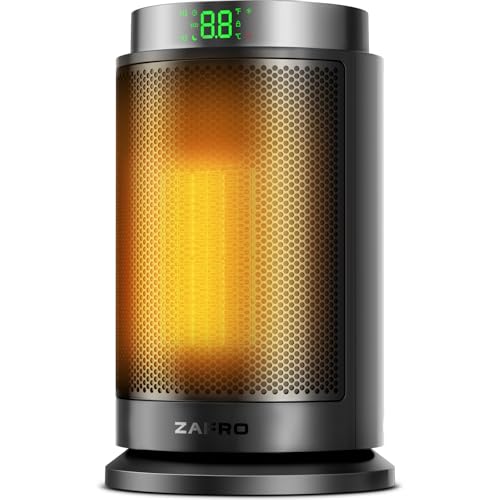
- BrandZAFRO

- BWP Score8.9
BWP Score is a ranking system developed by Bestwinterproducts.com. BWP score has no relationship or impact from any manufacturers or sales agent websites. Learn more
- BrandAmazon Basics

- BWP Score8.2
BWP Score is a ranking system developed by Bestwinterproducts.com. BWP score has no relationship or impact from any manufacturers or sales agent websites. Learn more
- BrandDREO
Last update on 2026-10-17 / Affiliate links / Images, Product Titles, and Product Highlights from Amazon Product Advertising API
FAQs
Can I leave an oil-filled radiator heater running all night or all day?
You should not leave an oil-filled radiator running 24/7 or while sleeping. While these silent radiator heaters do not feature glowing open coils and stay warm for a long time, they still draw up to 1,500 watts of electrical power. That continuous electrical load puts identical strain on your household wiring and wall receptacles, presenting the same underlying electrical fire hazards if left unmonitored.
What should I do if my heater cord or wall outlet feels warm to the touch?
Shut the heater off immediately, unplug it from the wall, and allow the prongs to cool down. A hot cord or warm outlet faceplate indicates high electrical resistance, often caused by loose internal outlet clips or an overloaded circuit. Do not plug the heater back into that wall receptacle until a qualified electrician inspects and replaces the outlet.
Does using a space heater save money compared to turning up the central heat?
Running a space heater saves money only when used for a few hours to warm a single occupied room while turning down the central thermostat for the rest of the house. If you leave a 1,500-watt space heater running 24 hours a day, it consumes high amounts of electricity that will rapidly drive your monthly electric bill higher than standard central heating systems.


Best Warm Winter Scarves 2026 For Cozy Comfort

Best Green Ski Goggles 2026 For Clear Vision On Slopes

12 Best Corner Electric Fireplace 2026: My Ultimate Guide To Pick One

Best Battery Powered Snow Blower 2026 For Effortless Snow Clearing

Best Ski Goggles Under 30 Inches For Crisp Vision And Comfort

Best Cooling Scarf 2026 For Instant Relief And Comfort

Fake Snow for Grass: Create a Realistic Winter Lawn Display

Dimplex Prism Wall Mount Fireplace: Sleek Heat With Modern Flame Style





