
Can You Put a Tankless Water Heater in a Cabinet?

Yes, but the fuel source changes everything. Tucking a water heater out of sight inside a kitchen vanity or bathroom cupboard is completely possible, yet safety comes first. A compact electric unit can slide right into a standard wooden cabinet without drama. A gas model is another story entirely, because burning fuel creates hot exhaust and fumes that must vent directly outside.
Safe placement comes down to heat and space. Every heater needs clearance space around its sides so heat never builds up against the wood. You also need physical room to reach shutoff valves and pull water filters for cleaning. Gas units complicate things further because they swallow fresh air and trap dangerous carbon monoxide without dedicated vents. Knowing these limits helps you plan a hidden setup that stays safe and passes inspection.
Electric heaters fit in cabinets while gas units usually fail
Electric tankless water heaters are the best choice for mounting inside a standard kitchen or bathroom cabinet. A point-of-use electric unit warms water right at a single sink using compact metal heating elements. It produces hot water on demand without an open flame, so it does not burn room air or create toxic exhaust fumes. The outer casing stays cool enough to sit safely near wooden cabinet walls when you leave proper clearance space.
Gas tankless water heaters work completely differently and almost never belong inside a closed wooden vanity. Gas burners require a continuous supply of combustion air, which is the fresh air needed for a gas flame to burn cleanly. A typical under-sink cabinet holds very little air. Once a gas burner ignites, it consumes that tiny pocket of oxygen within seconds. Starving the flame of fresh air produces incomplete combustion, thick soot, and lethal carbon monoxide gas that can seep into your living spaces.
Venting creates another major hurdle for gas heaters inside cabinets. Gas models produce scorching exhaust fumes that must vent directly outdoors through thick, specialized metal pipes. Running a three-inch or four-inch double-wall vent pipe through cabinet shelving and out an exterior wall destroys your storage space and creates serious fire risks against wood paneling. Most municipal building codes strictly forbid placing standard gas water heaters inside unvented, enclosed storage cabinets for these reasons.
You can only place a gas water heater in a cabinet if the space is built as a dedicated mechanical closet with fire-rated drywall and outdoor air vents. If you are outfitting a compact mobile setup, check out heating options like a heater for van life where space and fuel rules are equally strict. For ordinary vanity cabinets in a home, stick strictly to electric models.
Check safety clearances before mounting any heater inside
Clearance is the empty safety space around the water heater that lets heat escape and keeps nearby materials from overheating. Even though electric tankless heaters do not use an open fire, their internal heating chambers and plumbing pipes still warm up during use. If you wedge a heater directly against a wooden cabinet wall or pile plastic bags against the cover, heat can build up and degrade the materials over time.
Every manufacturer lists exact clearance numbers in the user manual, and you should always confirm those dimensions before installing mounting screws. Following a safe clearance checklist prevents dangerous hot spots and keeps your installation code-compliant. Measure these distances inside your vanity before you mount a heater:
- Top clearance: Keep 6 to 12 inches of open room above the unit. This space lets warm air rise away from electronic parts and provides room to connect water lines and pressure relief valves.
- Bottom clearance: Maintain 6 to 12 inches of open space below the water heater. You need this space to attach water lines and unscrew filter screens without hitting the cabinet floor.
- Side clearance: Leave at least 1 to 3 inches of open room on the left and right sides. This safety buffer stops the outer casing from touching the wooden cabinet frame or drain pipes.
- Front clearance: Ensure there is at least 12 to 24 inches of clear space between the front of the heater and the closed cabinet door. This allows you to inspect the unit for drips, read the digital display, and turn adjustment knobs easily.
Clutter is a serious hazard in an under-sink cabinet. People often store paper towels, trash bags, and aerosol cleaning sprays under their sinks. Storing flammable paper goods or pressurized cans right next to an electric water heater is a fire hazard. Keep a clear zone around the unit and store cleaning supplies on the opposite side of the vanity.
Add cabinet ventilation to stop trapped heat from building up
Cabinet air needs a way to move, even with an electric model. When you run hot water to wash dishes or fill a basin, the electric elements shed warmth into the cabinet enclosure. If your vanity has solid wooden doors that fit tightly against the frame, that warmth stays trapped inside like heat in an oven.
Trapped heat creates problems for internal electronic circuits over time. Electric tankless heaters rely on a small circuit board to monitor water flow and adjust heating power. When cabinet temperatures climb too high, an automatic overheat sensor (an internal safety switch that shuts off power if parts get dangerously hot) can trip. This sudden shutdown leaves you with cold water at the sink until the cabinet cools down and the sensor resets.
You can tell your cabinet needs extra ventilation by checking the temperature inside after running the hot water. Run the sink tap on hot for five minutes, then open the cabinet door. If the air inside feels humid and hot, or if the cabinet wood feels warm to the touch, you need to improve passive airflow. Solid cabinet doors with rubber dust strips are the most common cause of poor air movement.
Adding airflow does not require mechanical fans. Installing a louvered door, which features angled wooden slats, allows cool room air to flow through the cabinet naturally while keeping plumbing hidden. Another simple fix is drilling several neat two-inch vent holes in the side panel or backboard near the bottom and top of the cabinet. Cool air enters through the lower openings, warms up, and drifts out through the top holes. Similar air circulation principles apply in manufactured homes, as detailed in our guide on selecting a heater for mobile home layouts.
Leave room around plumbing valves and electrical connections
Fitting the water heater into the cabinet is only the first step. You also must maintain and service the unit over its operating life. Tankless water heaters have narrow water passages that collect mineral scale from hard water, and their inlet ports use mesh screens to catch rust flakes. If you mount the heater in a cramped corner where hands cannot reach, cleaning those parts becomes impossible without tearing out the cabinet.
Plan your cabinet layout around easy maintenance by following these steps:
- Mount the heater firmly to the back wall or a reinforced structural cabinet rail. Never let the unit dangle from its plumbing lines, as the weight of the water can stress pipe fittings and cause leaks.
- Install dedicated service shutoff valves directly below the heater on both the hot and cold water lines. These isolation valves let you shut off water to the heater for routine filter cleaning without cutting off water to the rest of the house.
- Leave enough vertical drop below the cold water inlet port to unscrew the built-in sediment filter. Most point-of-use units feature a small twist-out screen that catches grit. You will need enough hand clearance below the inlet to slide the screen out and rinse it.
- Run your electrical wiring with enough slack to avoid sharp bends or tension. If the unit is hardwired (connected directly to house wiring with no wall plug), install a water-resistant junction box nearby so the wiring stays protected from accidental plumbing drips.
- Position the heater so the control interface faces forward toward the cabinet door. You should be able to read the digital temperature display, adjust the heat setting, and spot diagnostic error codes without needing a flashlight or mirror.
Plumbing leaks inside a dark cabinet can cause expensive subfloor rot before anyone notices. Place a small water leak detector sensor on the cabinet floor right beneath the plumbing fittings. If a pipe union drips or a valve gasket fails, the alarm alerts you before water ruins the wooden cabinet base.
Hire a licensed trade professional when wiring or venting changes
Mounting a small heater and tightening flexible water hoses are common DIY tasks, but electrical and structural modifications carry genuine safety risks. An electric tankless water heater uses substantial electrical power to warm water instantly. Even a compact sink heater draws significant current while operating, which means the power requirements often exceed what a standard bathroom or kitchen wall outlet can deliver.
Call a licensed electrician if you need to run new wiring or add a circuit breaker to your electrical panel. Standard household convenience outlets in bathrooms and kitchens are usually rated for 15 or 20 amps, and they share power across multiple plugs and lights. Plugging a high-draw water heater into a shared outlet will trip your circuit breaker when someone turns on another appliance. A qualified electrician will install a dedicated circuit with the correct wire gauge and breaker rating to prevent overheating inside your walls.
Call a licensed plumber if your installation requires cutting into existing copper pipes, re-routing drain lines, or adding a temperature and pressure relief valve. In many areas, local building codes require a plumbing permit for any new water heater installation, even small under-sink models. A professional plumber ensures your pipe connections are watertight, meets local safety codes, and prevents backflow issues into your drinking water lines.
Always stop work and disconnect power if you notice warning signs of an overloaded electrical circuit. If the wall outlet feels hot to the touch, if the circuit breaker trips repeatedly, or if you smell hot plastic near the cabinet, shut off the breaker immediately. Never reset a tripping breaker multiple times without having a professional inspect the wiring.
Choose a compact point-of-use electric heater for your vanity
If you plan to add instant hot water to an under-sink cabinet, island vanity, or wet bar, look for a compact point-of-use electric tankless water heater. These units are built specifically for tight spaces and provide reliable warmth right where you wash your hands or rinse dishes. Choosing the right unit comes down to matching your available cabinet dimensions, your electrical panel capacity, and your daily hot water needs.
Start by measuring your under-sink space with a tape measure before you shop. Note the location of the sink drain pipe, the garbage disposal, and the water shutoff valves, then check the physical dimensions of the heater to make sure you have enough clearance on all sides. Compact point-of-use electric models take up very little wall space, leaving plenty of room for normal plumbing pipes and service valves.
Next, verify your electrical supply. Check whether your home panel can support a 110-volt or 240-volt dedicated circuit, and confirm the required breaker size and wire gauge listed in the product specifications. Finally, look for safety marks from recognized certifications like UL, ETL, or CSA on the product label. Units equipped with safety features like water and electricity isolation, dry-boil cutoff sensors, and waterproof casings provide dependable, safe operation inside your cabinet for years to come.

- BWP Score9.6
BWP Score is a ranking system developed by Bestwinterproducts.com. BWP score has no relationship or impact from any manufacturers or sales agent websites. Learn more
- Brandxwdzswgs
- BWP Score9.7
BWP Score is a ranking system developed by Bestwinterproducts.com. BWP score has no relationship or impact from any manufacturers or sales agent websites. Learn more
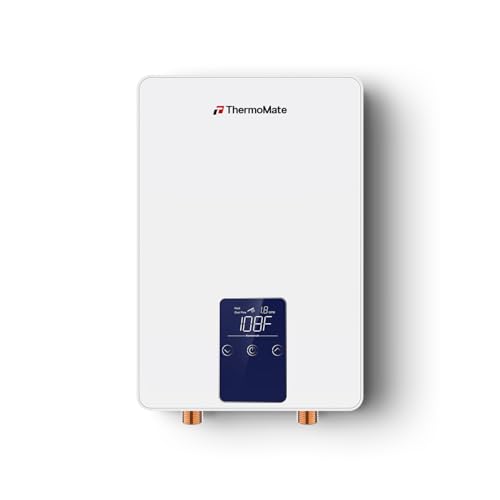
- Brandthermomate

- BWP Score7.6
BWP Score is a ranking system developed by Bestwinterproducts.com. BWP score has no relationship or impact from any manufacturers or sales agent websites. Learn more
- BrandECOAPTUNIT

- BWP Score9.4
BWP Score is a ranking system developed by Bestwinterproducts.com. BWP score has no relationship or impact from any manufacturers or sales agent websites. Learn more
- BrandKENUOS

- BWP Score7.5
BWP Score is a ranking system developed by Bestwinterproducts.com. BWP score has no relationship or impact from any manufacturers or sales agent websites. Learn more
- Brandxwdzswgs

- BWP Score9.2
BWP Score is a ranking system developed by Bestwinterproducts.com. BWP score has no relationship or impact from any manufacturers or sales agent websites. Learn more
- BrandCAMPLUX ENJOY OUTDOOR LIFE

- BWP Score9.0
BWP Score is a ranking system developed by Bestwinterproducts.com. BWP score has no relationship or impact from any manufacturers or sales agent websites. Learn more
- BrandLECLOC

- BWP Score8.1
BWP Score is a ranking system developed by Bestwinterproducts.com. BWP score has no relationship or impact from any manufacturers or sales agent websites. Learn more
- BrandRheem

- BWP Score7.9
BWP Score is a ranking system developed by Bestwinterproducts.com. BWP score has no relationship or impact from any manufacturers or sales agent websites. Learn more
- BrandAILOOCEDI

- BWP Score7.8
BWP Score is a ranking system developed by Bestwinterproducts.com. BWP score has no relationship or impact from any manufacturers or sales agent websites. Learn more
- BrandLFEVTZ

- BWP Score7.3
BWP Score is a ranking system developed by Bestwinterproducts.com. BWP score has no relationship or impact from any manufacturers or sales agent websites. Learn more
- BrandLFEVTZ
Last update on 2026-10-05 / Affiliate links / Images, Product Titles, and Product Highlights from Amazon Product Advertising API


Best Warm Winter Scarves 2026 For Cozy Comfort

Best Green Ski Goggles 2026 For Clear Vision On Slopes

12 Best Corner Electric Fireplace 2026: My Ultimate Guide To Pick One

Best Battery Powered Snow Blower 2026 For Effortless Snow Clearing

Best Ski Goggles Under 30 Inches For Crisp Vision And Comfort

Best Cooling Scarf 2026 For Instant Relief And Comfort

Fake Snow for Grass: Create a Realistic Winter Lawn Display

Dimplex Prism Wall Mount Fireplace: Sleek Heat With Modern Flame Style





