
Can You Use a Flexible Hose on a Water Heater?

Check the label on the connector line before starting any plumbing work. Flexible hoses are safe to use on a water heater, as long as they are certified water heater supply lines rather than thin appliance lines. These purpose-built connectors save hours of work because they bend around corners without requiring a torch or pipe-cutting tools.
A few important details still shape what will work in your house. Certain town building codes require the first 18 inches coming directly off the tank to be rigid copper. Gas models also vent hot exhaust gas, which can damage the rubber inside lower-grade flexible lines. The right setup depends on your fuel type, the connector material, and local rules. Here is a clear look at how to choose the right lines and connect them without leaks.
Are Flexible Hoses Actually Allowed by Plumbing Codes?
Most model plumbing codes across the United States, including the Uniform Plumbing Code and the International Plumbing Code, allow you to use flexible water heater connectors. These codes recognize flexible supply lines as a safe, practical way to join your home water supply to a storage tank. But your local city or county building department always has the final legal word. While one town may allow flexible lines without question, a neighboring town might require rigid copper pipe from start to finish.
Connecting water lines with rigid copper requires sweating pipe, which means cleaning copper fittings, applying chemical paste, and using an open blowtorch flame to melt lead-free solder into the seams. This takes practice and carries real fire risks in tight utility closets. Flexible lines eliminate the blowtorch entirely because they screw directly into place with threaded nuts. They also absorb the tiny vibrations created when water valves snap shut across your house.
In earthquake-prone regions, flexible supply lines are often mandatory rather than optional. When a tremor shakes your foundation, a water heater full of heavy water shifts on its stand. Rigid pipes cannot move, so they snap at the fittings and flood your home. A flexible connector bends and shifts along with the tank, keeping the water sealed inside where it belongs.
To pass a home inspection, any hose you buy must carry recognized plumbing certifications. Look for markings on the label or stamped directly into the metal nut showing compliance with national standards like ASME A112.18.6, UPC, or NSF-61 for safe drinking water. Flexible lines made for sinks, toilets, or outdoor spigots do not meet these safety standards and will fail an inspection immediately.
Do You Need Rigid Copper for the First 18 Inches?
The famous 18-inch rule causes more confusion for homeowners than almost any other plumbing topic. Many local building codes state that the first 18 inches of pipe extending from the top of a water heater must be rigid metal, such as copper or brass. This rule exists primarily to protect your plumbing from intense heat, but whether it applies to you depends on your fuel source and your local rules.
Gas water heaters produce scorching exhaust fumes that rise through a central metal vent pipe at the top of the tank. The draft hood and the metal flue pipe get extremely hot during normal heating cycles. If a plastic pipe or a hose with a rubber inner lining sits too close to that metal vent, the radiant heat can bake the material. Over time, that heat makes rubber brittle and causes plastic to soften, stretch, and eventually burst under standard household pressure.
Electric water heaters do not burn fuel, so they have no draft hood, no flue pipe, and no hot exhaust gas pouring out of the top. Because the top of an electric tank stays much cooler, many plumbing jurisdictions allow flexible metal connectors to screw directly into the tank nipples without any 18-inch copper spacer. Gas units, on the other hand, frequently require 18 inches of vertical rigid copper pipe before you can transition to a flexible line or plastic pipe like PEX.
Always measure the clearance around your gas vent before picking your parts. If a flexible line would have to bend within a few inches of a hot metal exhaust pipe, you must run rigid metal pipe first. For manufactured housing, utility closets follow specialized federal HUD rules that can be even stricter, just like selecting a specialized heater for a mobile home to meet tight clearance standards. When in doubt, check with your local municipal building desk before buying supplies.
Which Flexible Hose Material Is Best for Water Heaters?
When you walk down the plumbing aisle, you will see two main styles of water heater supply lines: corrugated stainless steel and braided stainless steel. Both options bend to bridge misaligned pipes, but their internal designs behave very differently under heat and water pressure.
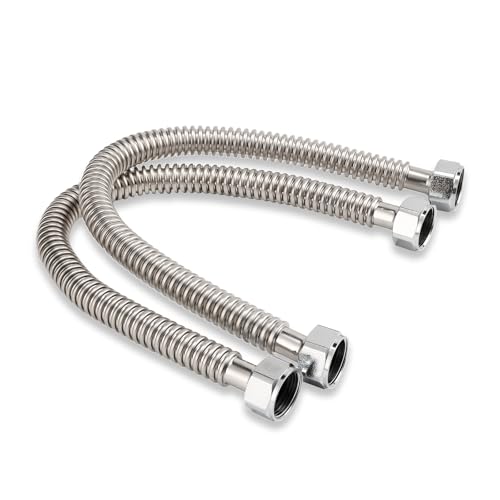
Corrugated stainless steel is a bare, ribbed metal pipe that bends without kinking. The ribs act like an accordion, allowing you to curve the pipe gently into position while keeping the inside completely open. Because corrugated lines are solid metal all the way through, they have no plastic or rubber sleeve hidden inside. This all-metal design resists intense heat remarkably well, making it the preferred choice near gas water heater vents.
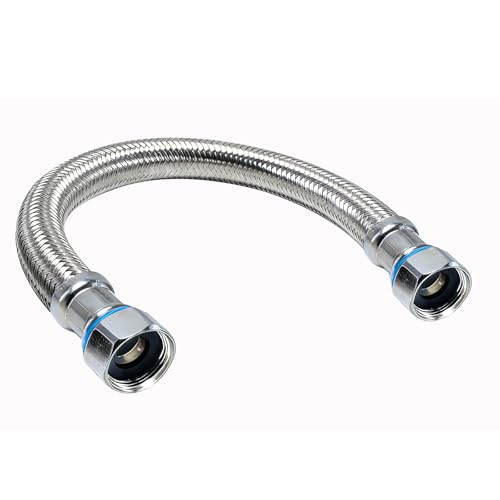
Braided stainless steel hoses use an outer mesh woven from fine stainless steel wire, but the inside consists of a flexible core made from rubber or flexible PVC plastic. The metal braid acts like a strong jacket that keeps the inner rubber core from expanding and bursting when your water pressure climbs. Braided lines bend easily in tight corners and resist kinking during installation. But that inner rubber tube has a narrower inside diameter than corrugated metal, which can slightly reduce water volume to your shower or appliances.
Corrugated copper lines are also available, offering similar benefits to stainless steel while matching existing copper home piping. But corrugated copper hardens if you bend it back and forth too many times, which can cause metal fatigue and pinhole cracks. For long service life, steady water volume, and resistance to high temperatures, all-metal corrugated 304 stainless steel remains the most reliable option for residential tanks.
How Do You Install Flexible Lines Without Any Leaks?
Installing flexible water heater supply lines is a manageable project if you follow the right order and treat the fittings with care. Rushing through the steps or forcing a misaligned thread is the easiest way to cause a flood.
- Cut the power and shut off the water. Switch off the circuit breaker for an electric water heater, or rotate the gas knob on a gas heater to the "PILOT" or "OFF" setting. Close the cold water shutoff valve above the heater, or close the main house shutoff valve if the local valve does not hold.
- Relieve the system pressure. Open a hot water faucet at a nearby sink or laundry tub. Leave it open to let the pressure drop and allow trapped air to escape while you work on the tank.
- Clean and prepare the tank nipples. Look at the two threaded pipes sticking out of the top of your water heater. The cold inlet has a blue ring, and the hot outlet has a red ring. Wipe the threads with a clean rag to remove dust, metal burrs, or dried paste. If your tank lacks built-in protection, install a dielectric union, which is a connector that prevents two different metals from rusting together when copper touches steel.
- Check the internal sealing washers. Look inside the female threaded pipe connector (FIP) on each end of your new flexible hose. You will see a thick, flat rubber or silicone washer sitting inside the nut. The water seal happens when this rubber washer crushes flat against the smooth rim of the pipe nipple. Do not wrap thread sealant tape or smear pipe paste on threads that use a flat rubber washer, as extra tape can keep the nut from seating deeply enough to compress the rubber.
- Pre-bend the hoses into shape. Before you thread either end onto the pipe, use both hands to bend the flexible line into a gentle, sweeping curve between the house supply line and the tank nipple. Never force a hose into a sharp right angle. Bending the hose before attaching the nuts prevents twisting stress on the fittings.
- Thread the nuts by hand first. Align the hose nut straight over the pipe threads. Spin the nut with your fingers for at least two full turns to ensure you have not cross-threaded the fitting. The nut should turn smoothly without binding.
- Tighten with two wrenches. Place one wrench on the water heater nipple or shutoff valve to hold it completely stationary. Place your second wrench on the flexible hose nut. Snug the nut down by hand, then turn it an extra quarter-turn to half-turn with the wrench. Never yank or over-crank the nut.
- Pressurize the system and inspect closely. Close the sink faucet you opened earlier. Turn your cold water supply valve back on very slowly, listening for water filling the pipes. Take a dry piece of white paper towel and wipe around every connection. If the paper towel picks up even a single drop of moisture, tighten the nut another eighth of a turn until the joint stays bone dry.
What Are the Biggest Mistakes People Make with Flex Lines?
Most water heater leaks from flexible hoses come down to simple installation mistakes rather than product defects. Avoiding these common traps will keep your utility room dry and your home insurance adjuster away.
- Crushing the rubber washer by overtightening. When people spot a tiny drip, their first instinct is to wrench the nut as hard as possible. Doing this cuts or distorts the soft rubber washer inside the nut, creating an open channel for water to escape. Snug the nut firmly, but stop before you deform the washer.
- Bending the line into sharp kinks. Forcing a flexible connector into a sharp 90-degree corner pinches the tube. On braided lines, this restricts water flow to your fixtures. On corrugated metal lines, tight bends create stress points that can crack under sudden water pressure spikes caused by closing valves.
- Letting hoses touch the gas exhaust flue. Never allow a braided hose with a plastic core to rest against or sit directly above the metal flue pipe of a gas water heater. The radiant heat will soften and destroy the inner core within months, causing a burst pipe.
- Reusing old supply lines on a new tank. When replacing an old water heater, always buy brand-new supply lines. Old rubber washers become brittle, compressed, and permanently shaped to the old tank. They rarely seal properly a second time.
- Twisting the hose while tightening the nut. Always hold the body of the hose with one hand while turning the wrench with the other. If the hose twists into a spiral as you turn the nut, the internal metal ribs or braid remain under constant rotational stress, leading to early failure.
When Should You Stop and Call a Licensed Plumber?
Working on your own plumbing saves money, but certain situations carry serious risks to your safety and your home. Knowing when to put your tools down is just as important as knowing how to turn a wrench.
If the existing copper or galvanized steel pipes leading out of your walls look heavily corroded, covered in green crust, or thin with rust, do not try to muscle off the old fittings. Applying torque to brittle, decaying pipes can cause them to snap off flush inside the wall cavity, turning a simple connector swap into an emergency wall tear-out. A licensed plumber has the specialty cutting and soldering tools needed to rebuild degraded supply lines cleanly.
Any work that touches the gas supply or the exhaust venting system demands professional expertise. If connecting your water lines requires moving the rigid gas pipe, if you smell sulfur or rotten eggs, or if the flue draft hood does not sit securely over the tank outlet, turn off the gas valve and call a certified technician immediately. Carbon monoxide poisoning and gas leaks are fatal hazards that leave zero room for DIY guesswork.
You should also hire a professional if your water heater sits in a space exposed to freezing winter temperatures. If your heater is placed in an unheated workshop or garage, cold drafts can freeze exposed water lines solid. In those environments, running an electric heater for a garage with a thermostat helps maintain safe ambient warmth, but a professional plumber can properly insulate the lines and install freeze-protection valves to prevent catastrophic bursts.
What Features Should You Look for in a Water Heater Hose?
When selecting flexible supply lines for your water heater, you need connectors sized and rated specifically for high-capacity, high-heat plumbing. Choosing the right features from the start guarantees adequate water pressure and a secure connection.
First, verify the connection diameter. Standard household water heaters use 3/4-inch National Pipe Taper threads on the inlet and outlet nipples. You need hoses equipped with 3/4-inch female threaded pipe connectors (FIP) on both ends, or a 3/4-inch FIP nut on one end and a push-fit or copper solder connection on the other. Never buy 1/2-inch lines designed for bathroom sinks, as their smaller openings will starve your shower and washing machine of water volume.
Second, pick the correct length for your space. Water heater supply lines commonly come in 12-inch, 18-inch, and 24-inch lengths. Measure the distance between your home supply pipes and the top of the heater before shopping. You want a line long enough to make a smooth, sweeping curve without stretching taut, but not so long that it must coil in messy loops that block access to valves or service panels.
Finally, look for connectors that include clear temperature and pressure ratings stamped on the packaging. Safe water heater lines should handle at least 125 pounds per square inch of water pressure and continuous water temperatures up to 180 degrees Fahrenheit. Choosing all-metal corrugated stainless steel with lead-free certification marks ensures clean drinking water and reliable service for years to come.

- BWP Score9.4
BWP Score is a ranking system developed by Bestwinterproducts.com. BWP score has no relationship or impact from any manufacturers or sales agent websites. Learn more
- BrandTT FLEX
- BWP Score9.0
BWP Score is a ranking system developed by Bestwinterproducts.com. BWP score has no relationship or impact from any manufacturers or sales agent websites. Learn more
- BrandPLUMBINGMASTER
- BWP Score8.0
BWP Score is a ranking system developed by Bestwinterproducts.com. BWP score has no relationship or impact from any manufacturers or sales agent websites. Learn more
- BrandTT FLEX

- BWP Score8.6
BWP Score is a ranking system developed by Bestwinterproducts.com. BWP score has no relationship or impact from any manufacturers or sales agent websites. Learn more
- BrandNahntaipy

- BWP Score7.5
BWP Score is a ranking system developed by Bestwinterproducts.com. BWP score has no relationship or impact from any manufacturers or sales agent websites. Learn more
- BrandPLUMBINGMASTER

- BWP Score7.5
BWP Score is a ranking system developed by Bestwinterproducts.com. BWP score has no relationship or impact from any manufacturers or sales agent websites. Learn more
- BrandEZ-FLUID

- BWP Score7.5
BWP Score is a ranking system developed by Bestwinterproducts.com. BWP score has no relationship or impact from any manufacturers or sales agent websites. Learn more
- BrandWatflow

- BWP Score7.3
BWP Score is a ranking system developed by Bestwinterproducts.com. BWP score has no relationship or impact from any manufacturers or sales agent websites. Learn more
- BrandPEVEPEXE
- BWP Score7.3
BWP Score is a ranking system developed by Bestwinterproducts.com. BWP score has no relationship or impact from any manufacturers or sales agent websites. Learn more
- BrandTT FLEX
Last update on 2026-10-17 / Affiliate links / Images, Product Titles, and Product Highlights from Amazon Product Advertising API
Frequently Asked Questions About Water Heater Hoses
Can you use a washing machine or garden hose instead?
No, you must never use a washing machine hose, garden hose, or lightweight appliance line on a water heater. Standard appliance hoses are only rated for lower operating temperatures and feature 3/4-inch garden hose threads, which have different thread pitch and spacing than standard pipe fittings. Water heaters require heavy-duty corrugated metal or braided stainless steel lines built to withstand continuous high heat and high pressure.
Do flexible water heater hoses reduce water pressure?
A properly sized 3/4-inch corrugated stainless steel hose will not cause any noticeable drop in household water pressure. Because corrugated lines have an internal diameter that matches standard 3/4-inch copper pipe, water flows freely through the ribs. Braided lines with thick rubber cores can have slightly smaller inner openings, but in most residential homes, the difference in fixture flow remains virtually unnoticeable.
How long do flexible water heater supply lines last?
High-quality corrugated stainless steel lines often last ten years or longer, frequently outliving the water heater itself. Braided lines with internal rubber cores usually last between five and ten years, as constant exposure to hot water eventually degrades the rubber liner. It is wise practice to replace your flexible supply lines whenever you install a new water heater to avoid relying on aged rubber washers.
Do you need thread sealant tape on flexible hose nuts?
No, you should not use Teflon tape or pipe thread sealant on the swivel nuts of a flexible supply line. The water seal is created entirely by the internal rubber washer compressing against the smooth, flat top of the water heater nipple. Applying tape to the threads can prevent the nut from tightening down completely, which keeps the washer from sealing and actually causes leaks.


Best Warm Winter Scarves 2026 For Cozy Comfort

Best Green Ski Goggles 2026 For Clear Vision On Slopes

12 Best Corner Electric Fireplace 2026: My Ultimate Guide To Pick One

Best Battery Powered Snow Blower 2026 For Effortless Snow Clearing

Best Ski Goggles Under 30 Inches For Crisp Vision And Comfort

Best Cooling Scarf 2026 For Instant Relief And Comfort

Fake Snow for Grass: Create a Realistic Winter Lawn Display

Dimplex Prism Wall Mount Fireplace: Sleek Heat With Modern Flame Style





