
Can You Safely Use a Propane Heater in an RV?

Check the warning label on the back of the heater before bringing it inside. Running a portable propane heater inside a camper is safe only if the unit is rated for indoor spaces. Standard patio or garage models release dangerous fumes that can overwhelm a small living area in minutes.
Staying warm safely depends on three critical rules. A window or roof hatch must stay cracked open to feed fresh air into the room and let moisture escape. The heater also requires built-in emergency shutoffs for both low oxygen levels and sudden tip-overs. Most importantly, shut the burner off before going to sleep. Here is the safe way to warm your camper without risking fumes or damp walls.
When is a propane heater safe in an RV?
Portable propane heat can keep an RV warm off-grid, but you must understand your equipment before lighting the burner. Your camper likely came with a factory built-in furnace. A built-in furnace is a vented system, meaning a metal pipe routes combustion exhaust and damp fumes straight through the exterior wall to the outdoors. That system is safe to run closed up, but its 12-volt blower fan quickly drains house batteries during cold-weather dry camping.
Portable propane units work differently. They are unvented heaters, meaning they release heat, water vapor, and exhaust fumes directly into your indoor air. They do not rely on electrical cords or battery banks. Instead, they produce gentle radiant heat that warms people and furniture directly like sunlight. That makes them a practical choice if you need a heater to stay warm off-grid without worrying about dead batteries by morning.
Using a portable propane unit inside your RV is safe only under strict conditions. The unit must carry an explicit indoor-safe certification mark on its data plate. You must keep active ventilation open to exchange air continuously. You must stay awake in the room while the flame is lit. And you must maintain a clear safety buffer around the heater. If you cannot meet all of those conditions, keep the heater turned off.
How do you set up safe RV ventilation?
Propane needs oxygen to burn cleanly. In a small, sealed travel trailer or motorhome, a burning flame gradually consumes room oxygen. If fresh air cannot enter, the flame starves, creating soot and lethal carbon monoxide gas. You must create continuous cross-ventilation every time you light the burner.
Follow these steps to set up proper airflow:
- Crack your roof vent open: Open an overhead ceiling hatch or vent fan cover by one to two inches. Warm air and exhaust naturally rise, allowing stale air and moisture to draft upward and out through the roof.
- Open a window on the opposite wall: Crack a lower window roughly one inch on the far side of your living space. Placing this opening low and across the room pulls cool, fresh air across the camper floor to feed the burner.
- Confirm clear airflow paths: Walk through the camper to ensure open curtains or stacked gear do not block the air path between the cracked window and the ceiling vent.
- Leave interior doors open: Keep the bathroom door and privacy curtains pinned open. Confining an unvented heater to a small closed room depletes oxygen much faster than heating an open living area.
- Shield the burner from direct drafts: Place your heater away from the direct draft of your open window. A sharp outdoor gust can disrupt the flame, trigger the safety shutoff, or cause fuel to burn unevenly.
What safety features must your heater have?
Never bring an outdoor camping burner, patio warmer, or workshop heater into an RV. Enclosed camper spaces require dedicated safety components built directly into the heater design:
- Low-oxygen shutoff sensor: Often labeled on the unit as an ODS, this safety sensor snuffs out the flame before room oxygen drops below safe levels. If fresh air stops entering, the sensor cuts off the gas supply before anyone feels dizzy or tired.
- Tip-over safety switch: This internal switch cuts fuel instantly if the unit is knocked over or tilted. In tight RV hallways, an accidental bump or pet tail could easily flip a heater onto linoleum flooring or a rug.
- Protective front wire grille: Radiant elements get intensely hot. A sturdy front metal guard prevents blankets, pet fur, and stray items from brushing directly against the glowing heating tile.
- Independent carbon monoxide alarm: A built-in sensor on the heater is a useful backup, but never rely on it alone. Mount a certified, battery-powered carbon monoxide detector on an interior RV wall at eye level and press the indicator button regularly to verify that it beeps.
- Floor-level propane gas detector: Propane is heavier than air, meaning unburned gas settles along the camper floor. Ensure your RV floor-level propane alarm has power and reacts quickly to fuel odors.
- The 3-foot safety buffer: Keep the heater at least 3 feet (36 inches) away from bedding, curtains, upholstered cushions, paper goods, and pets. Place the unit on a flat, solid floor where it cannot wobble or slide when people move around the rig.
Can you leave a propane heater on overnight?
Never leave a portable unvented propane heater running while you sleep. This is a non-negotiable rule of camper safety. Turn the heater off, shut the fuel valve tight, and let the unit cool before climbing into bed.
When sleeping, you cannot smell leaking gas or notice early symptoms of carbon monoxide exposure, like headaches, nausea, or dizziness. If wind blows your roof vent shut or the oxygen sensor fails, an unvented flame can consume room oxygen without waking you. Also, bedding shifts during sleep. A blanket that slips off your mattress and touches a hot heater grille can ignite a fire in minutes.
Staying warm through a freezing night without a running portable heater is simple with proper preparation:
- Warm the rig right before bed: Run your portable heater for twenty minutes before turning in to warm the interior. Shut the heater completely off right before getting under the covers.
- Use cold-weather bedding: Dress your bed with a zero-degree sleeping bag, a heavy down comforter, or dense wool blankets that trap body heat close to your skin all night.
- Insulate under your mattress: RV beds often sit over uninsulated storage bays. Place an insulated foam pad under your mattress to block cold drafts from below.
- Wear layered thermal sleepwear: Put on clean, dry thermal base layers, a fleece beanie, and heavy wool socks to protect your core temperature in the early morning hours.
- Use safe overnight alternatives: If you have electrical hookups, run a small electric blanket or a 12-volt heated mattress pad. You can also run your RV factory furnace, which safely pipes exhaust gas outdoors.
Relight your portable propane heater only after you wake up, get out of bed, and verify that your window and roof vent are open.
How do you stop moisture and window condensation?
Waking up to wet window glass and damp walls is common when using portable propane. This moisture is not an exterior leak; it is the natural result of burning fuel. Propane combustion creates heat, carbon dioxide, and water vapor. Burning one pound of propane releases roughly one pound of liquid water into your camper air as invisible steam.
In a small space with thin walls and cold glass, that humidity condenses fast. If you ignore it, the water drips into window tracks, soaks wall panels, ruins mattress edges, and encourages black mold growth behind furniture.
Take these practical steps to control humidity inside your camper:
- Maintain high exhaust ventilation: Keep your roof vent cracked while the heater runs. Because warm, moist air rises, an open roof vent lets steam escape before it hits cold glass.
- Wipe down windows every morning: Keep an absorbent microfiber towel near your dinette. Spend two minutes each morning wiping down condensation on window glass, aluminum frames, and entry door edges.
- Run vent fans while cooking or washing: Boiling water or taking a hot camper shower dumps extra humidity into the cabin. Switch on the range hood exhaust fan when cooking and cover boiling pots with tight lids.
- Set out passive moisture absorbers: Place tubs of moisture-absorbing silica crystals on window sills and inside closed storage cabinets where air tends to stagnate.
- Run a compact dehumidifier when connected: If you are camping with electrical hookups or running a generator, plug in a small dehumidifier to pull moisture straight out of the air.
What should you look for before buying one?
An indoor-safe portable propane heater offers an independent, reliable heat source for camping off the grid. It eliminates the need for high-draw electrical circuits, noisy generators, or draining your RV house batteries. But because you are running an open flame inside an enclosed living space, picking the correct heater design is essential for your safety.
Verify that the heater is explicitly listed and certified for indoor use. Outdoor patio heaters, camp stoves, and construction heaters produce dangerous amounts of carbon monoxide and lack the sensitive cutoff valves required for living quarters. Look for safety marks showing that the unit contains an automatic low-oxygen shutoff sensor and an internal tip-over switch that halts gas flow the moment the unit tilts.
Next, check the base and footprint of the heater. Look for a wide, weighted, non-tipping base that sits firmly on camper flooring without rocking when people walk by. The exterior should feature a durable wire guard to keep fabrics away from the radiant tile, along with an insulated carrying handle that stays cool to the touch.
Choose a model with selectable heat settings. Toggling between low and high heat levels lets you match the output to your camper size, saving fuel in mild chills. Consider fuel compatibility as well: select a heater that runs on standard one-pound disposable propane bottles, with the option to connect to an external tank using an approved extension hose and fuel filter. Finally, check your state and provincial regulations, as certain regions restrict the use of portable unvented propane heaters inside living spaces.

- BWP Score9.4
BWP Score is a ranking system developed by Bestwinterproducts.com. BWP score has no relationship or impact from any manufacturers or sales agent websites. Learn more
- BrandMr. Heater

- BWP Score9.4
BWP Score is a ranking system developed by Bestwinterproducts.com. BWP score has no relationship or impact from any manufacturers or sales agent websites. Learn more
- BrandMr. Heater
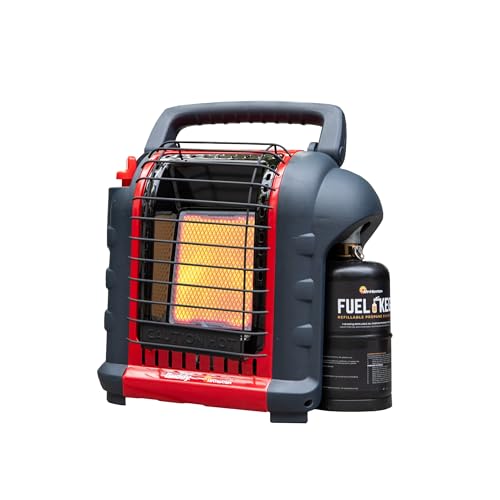
- BWP Score9.3
BWP Score is a ranking system developed by Bestwinterproducts.com. BWP score has no relationship or impact from any manufacturers or sales agent websites. Learn more
- BrandMr. Heater
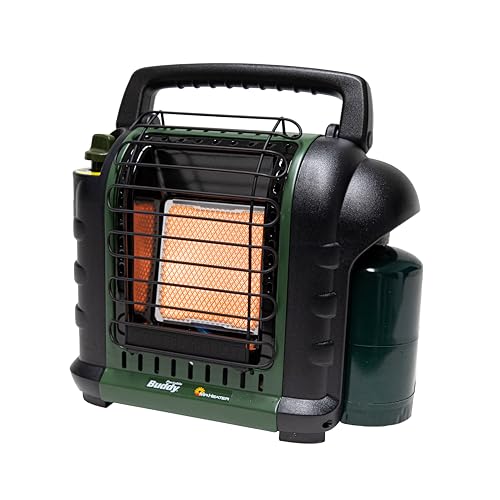
- BWP Score8.4
BWP Score is a ranking system developed by Bestwinterproducts.com. BWP score has no relationship or impact from any manufacturers or sales agent websites. Learn more
- BrandMr. Heater

- BWP Score7.9
BWP Score is a ranking system developed by Bestwinterproducts.com. BWP score has no relationship or impact from any manufacturers or sales agent websites. Learn more
- BrandMr. Heater
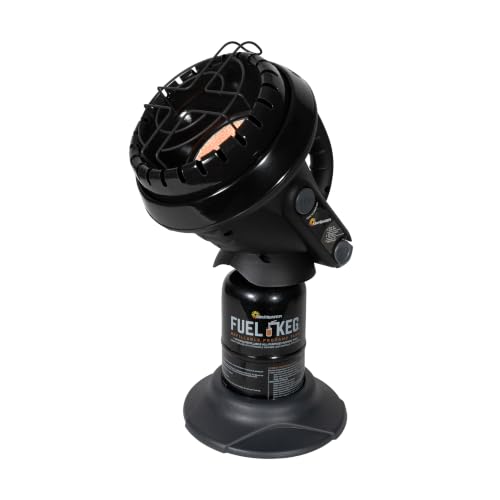
- BWP Score7.1
BWP Score is a ranking system developed by Bestwinterproducts.com. BWP score has no relationship or impact from any manufacturers or sales agent websites. Learn more
- BrandMr. Heater
Last update on 2026-10-16 / Affiliate links / Images, Product Titles, and Product Highlights from Amazon Product Advertising API
FAQs
Can an RV propane heater cause carbon monoxide poisoning?
Yes, any unvented propane heater can cause carbon monoxide poisoning if it burns fuel incompletely or if the room runs out of fresh oxygen. While indoor-safe models include sensitive oxygen sensors to shut off before danger levels occur, you should never bypass safety steps. Always crack a window and keep an active, battery-powered carbon monoxide alarm inside your camper.
Are portable propane heaters legal in every state?
Most states allow indoor-certified portable propane heaters, but local rules vary. For example, Massachusetts and portions of Canada strictly prohibit using unvented portable propane heaters inside enclosed residential and recreational spaces. Always check the fire codes and campground rules for your specific destination before traveling.
How long does a one-pound propane cylinder last?
A standard one-pound disposable propane cylinder generally lasts between three and six hours of continuous use. The exact runtime depends on your heater heat setting, with lower outputs stretching the fuel longer and maximum settings burning through a cylinder faster. Many campers use an approved accessory hose to run their heater off a standard twenty-pound refillable tank for longer trips.
Will a portable propane heater drain your camper battery?
No, a portable radiant propane heater does not use any electricity at all. Unlike your RV's built-in furnace, which relies on a heavy 12-volt blower motor that draws down house batteries, portable radiant heaters operate entirely on gas pressure and internal igniters. This makes them especially popular for dry camping and cold-weather boondocking.


Best Warm Winter Scarves 2026 For Cozy Comfort

Best Green Ski Goggles 2026 For Clear Vision On Slopes

12 Best Corner Electric Fireplace 2026: My Ultimate Guide To Pick One

Best Battery Powered Snow Blower 2026 For Effortless Snow Clearing

Best Ski Goggles Under 30 Inches For Crisp Vision And Comfort

Best Cooling Scarf 2026 For Instant Relief And Comfort

Fake Snow for Grass: Create a Realistic Winter Lawn Display

Dimplex Prism Wall Mount Fireplace: Sleek Heat With Modern Flame Style





