
Do Natural Gas Water Heaters Have Anode Rods?

Many homeowners assume only electric water heaters rely on protective metal rods, thinking gas burners work differently. In reality, every standard gas tank water heater has an anode rod inside. This long metal rod rusts away on purpose so the surrounding steel tank does not. Without that protection, hot water quickly attacks tiny cracks in the tank lining and causes quiet, permanent leaks.
A few design details change what you will find in your home. On-demand tankless gas units do not store standing water, so they never need one. Rare models built with solid stainless steel tanks also skip the rod. On normal steel tanks, the rod either sits under a bolt on top or hides inside the hot water pipe. Knowing how your heater is built helps you spot the rod, check its wear, and keep your tank running for years.
The Short Version
- Standard gas storage tanks always have one: Every natural gas water heater that stores water in a steel tank uses an anode rod to prevent rust.
- Tankless gas models do not: On-demand gas heaters warm water through copper or stainless steel coils, so they do not store standing water and do not need a rod.
- The rod rusts on purpose: It sacrifices its own metal, drawing corrosion away from the steel tank walls until it wears out.
- Check it every few years: Inspecting the rod every two to three years keeps your tank from developing leaks that force an early replacement.
Why Natural Gas Storage Tanks Need Anode Rods (and Why Tankless Units Do Not)
A natural gas water heater heats water differently than an electric model. It uses a gas burner underneath the tank and a metal exhaust flue running through the center. However, the water storage container is identical. Both fuel types store hot water inside a heavy steel vessel.
Steel rusts quickly when submerged in hot water under pressure. Tank makers spray a glass enamel lining inside to protect the metal. Because glass is brittle, burner heat and metal expansion create microscopic cracks in that lining. Water enters those cracks and attacks the raw steel. An anode rod provides the necessary defense, keeping the steel tank from rusting out from the inside.
Tankless gas water heaters work on a completely different system. They do not store 40 or 50 gallons of water. When you open a tap, water flows through a compact heat exchanger (a set of coils heated directly by gas flames) and heads straight to the faucet. These coils are made of solid copper or stainless steel. Because there is no steel reservoir holding standing water, tankless gas units do not need an anode rod.
Rare specialty tanks made entirely of solid stainless steel also skip the rod. But if your home uses a standard residential gas water heater, it is almost certainly a glass-lined steel tank that relies on an anode rod.
How an Anode Rod Works Inside Your Gas Water Heater
An anode rod acts like a metal decoy for your water heater. It takes the chemical hit so the steel tank does not have to.
When different metals sit in water containing natural minerals, an electrical current flows between them. This reaction is called galvanic corrosion (rust and metal loss caused by electrical currents between submerged metals). Steel rusts in this setting, but metals like magnesium and aluminum break down even faster.
When a magnesium or aluminum rod is screwed into the steel tank, the natural electrical charge flows directly to that rod. The water attacks the rod aggressively while leaving the steel tank walls untouched. Over several years, the rod pits, flakes, and dissolves away. As long as sacrificial metal remains on the rod, your tank stays protected.
Managing metal reactions in water is essential for any equipment that handles heat, similar to how owners choose heaters built to resist corrosion when warming mineral-heavy pool water. Water and metal always interact, so you must control which metal takes the damage.
Trouble begins once the rod dissolves down to its thin steel core wire. With no sacrificial metal left, corrosive forces immediately target the tank walls. Once water eats a hole through the steel, the tank cannot be patched. It must be replaced entirely.
Where to Find the Anode Rod on a Gas Tank
You can locate the anode rod by checking the top lid of your gas water heater. Manufacturers place it in one of two configurations:
- A dedicated hex head bolt: This is the most common setup. Look on top of the heater between the cold water inlet pipe, the hot water outlet pipe, and the central exhaust vent. You will see a standalone hex head (a six-sided screw cap, usually 1-1/16 inches across). On many models, this bolt is hidden under a plastic cap or buried under foam insulation. You can pry the plastic plug off with a flathead screwdriver to see the bolt head.
- Integrated into the hot water outlet pipe: Some brands attach the anode rod directly to the bottom of the hot water outlet fitting. This is called a combo rod. The rod hangs suspended inside the tank directly beneath the threaded pipe where hot water exits. Inspecting this style requires disconnecting the hot water plumbing line at that outlet nipple.
To locate your specific rod safely, follow these quick steps:
- Check the rating sticker on the side of the tank to find your model number.
- Look up the parts diagram in your manual to confirm whether your model uses a top bolt or an outlet combo rod.
- Wipe dust and grime off the top lid so you can clearly inspect each fitting.
- Measure the vertical clearance above the tank. Standard replacement rods are rigid poles about three feet long, so check if ceiling beams or pipes block the path.
Warning Signs and Inspection Schedule: When to Check and Replace
Checking the anode rod on a regular schedule prevents unexpected tank failure and messy basement floods.
Inspect the rod for the first time when your gas water heater reaches three years of age. With standard municipal water, a rod typically lasts three to five years. However, if your home uses a salt-based water softener, inspect the rod every year. Water softeners exchange hard minerals for sodium, making water much more conductive. That extra conductivity speeds up corrosion, often consuming a standard rod in less than two years.
Watch for these four warning signs that your anode rod is failing:
- Rotten egg or sulfur odors: If hot water smells like rotten eggs while cold water smells fine, the rod is reacting with sulfates in your water. Bacteria consume the hydrogen released by dissolving magnesium or aluminum, creating smelly hydrogen sulfide gas.
- Rusty, discolored hot water: If hot water runs orange or brown for the first minute after opening a tap, but cold water stays clear, the rod has likely dissolved. Rust has begun forming on the steel tank walls.
- Small flakes clogging your aerators: As the rod disintegrates, tiny mineral flakes settle in the tank and travel through your hot water pipes. These flakes collect in faucet aerators (the mesh screens screwed onto the ends of your faucets).
- Bare core wire during inspection: When you pull the rod out, look at its surface. A fresh rod is smooth and thick, about 3/4 inch to 1 inch wide. If the rod is deeply pitted, has worn down to less than 1/2 inch in diameter, or exposes several inches of the thin central steel wire, it is spent.
Choosing the Right Replacement Anode Rod
When shopping for a replacement rod for your gas water heater, you will encounter four main materials:
- Magnesium rods: The standard factory option for most gas tanks. Magnesium provides great corrosion defense for steel tanks connected to normal city water. But it dissolves rapidly in softened water and can trigger sulfur odors.
- Aluminum rods: A durable option that works well in areas with naturally hard water. Aluminum dissolves slower than magnesium, but it can create gelatinous white sediment at the bottom of the tank and can also produce sulfur smells.
- Zinc-aluminum alloy rods: These rods combine about 90 percent aluminum and 10 percent zinc. The zinc helps neutralize sulfur-producing bacteria, which eliminates rotten egg smells while preserving sacrificial protection.
- Powered titanium rods: Powered rods do not dissolve. Instead, a slim titanium rod inserts into the tank and plugs into a standard 120-volt wall outlet. It sends tiny electrical pulses through the water to stop rust permanently. Powered rods eliminate rotten egg odors within 24 hours, reduce limescale, and last for decades without replacement.
You must also consider physical clearance. If your gas water heater sits in a basement with low overhead ductwork, you cannot slide a straight 40-inch rigid rod into the opening. Flexible segmented rods solve this. They feature solid metal links connected by a flexible stainless steel wire, allowing you to bend the rod into the tank link by link like a chain.
What to Consider Before Buying a Replacement Rod
Before ordering a replacement rod for your gas water heater, confirm your tank's exact specifications to ensure a proper fit. Check the manufacturer label on your tank for its gallon capacity. Matching the rod to your tank volume ensures sufficient rust protection for all interior metal surfaces.
Next, confirm the connection style. Determine whether your heater uses a standalone hex bolt on top or an anode integrated into a hot water outlet pipe fitting. Measure the overhead clearance above the tank to decide between a standard rigid rod, a flexible segmented rod, or a compact powered rod.
Finally, consider your water quality. If you struggle with foul sulfur smells or run a salt-based water softener, a powered titanium rod or zinc-aluminum alloy rod is much more effective than a standard magnesium rod. If choosing a powered unit, verify that a standard three-prong wall outlet sits within cord reach of your heater.
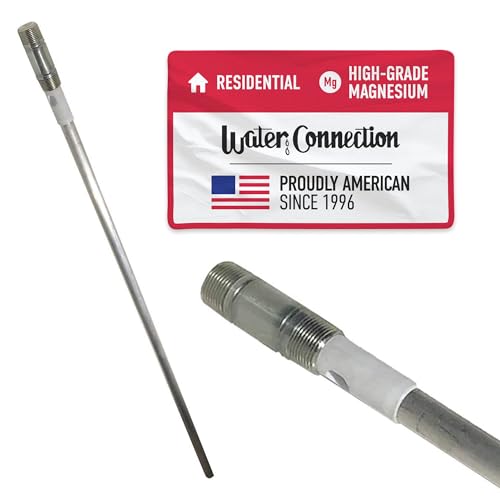
- BWP Score8.8
BWP Score is a ranking system developed by Bestwinterproducts.com. BWP score has no relationship or impact from any manufacturers or sales agent websites. Learn more
- BrandThe Water Connection

- BWP Score7.8
BWP Score is a ranking system developed by Bestwinterproducts.com. BWP score has no relationship or impact from any manufacturers or sales agent websites. Learn more
- BrandCorro-Protec
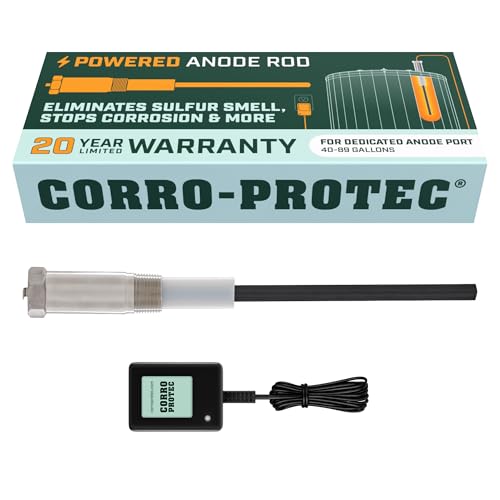
- BWP Score7.3
BWP Score is a ranking system developed by Bestwinterproducts.com. BWP score has no relationship or impact from any manufacturers or sales agent websites. Learn more
- BrandCorro-Protec

- BWP Score7.1
BWP Score is a ranking system developed by Bestwinterproducts.com. BWP score has no relationship or impact from any manufacturers or sales agent websites. Learn more
- BrandARTIVILLE
Last update on 2026-10-11 / Affiliate links / Images, Product Titles, and Product Highlights from Amazon Product Advertising API
FAQs
Can I replace a gas water heater anode rod myself?
Yes, if you have basic DIY comfort and the proper tools. You need a 1-1/16 inch socket, a heavy breaker bar, thread seal tape, and a garden hose to drain a few gallons from the tank. If the bolt is rusted solid, or if you feel uncomfortable working near the gas draft hood, call a licensed plumber.
Do tankless gas water heaters ever need an anode rod?
No, tankless gas water heaters never use an anode rod. They heat water on demand through copper or stainless steel pipes rather than storing water inside a steel tank. To maintain a tankless unit, you flush the heat exchanger once a year with vinegar to clear mineral scale, but there is no sacrificial metal part to replace.
How long does an anode rod last in a gas water heater?
A standard sacrificial rod usually lasts between two and five years in typical municipal water. If your home uses a salt-based water softener, the dissolved sodium speeds up corrosion and can wear out a rod in as little as one year. Powered titanium rods do not degrade and protect your tank for decades without replacement.
What happens if I remove the anode rod and leave the hole empty?
Removing the anode rod without replacing it leaves the steel tank completely unprotected against rust. Water will immediately attack the steel tank walls and welded seams. Most tanks develop major leaks within one to two years without a rod, which causes sudden water damage and forces an early tank replacement.


Best Warm Winter Scarves 2026 For Cozy Comfort

Best Green Ski Goggles 2026 For Clear Vision On Slopes

12 Best Corner Electric Fireplace 2026: My Ultimate Guide To Pick One

Best Battery Powered Snow Blower 2026 For Effortless Snow Clearing

Best Ski Goggles Under 30 Inches For Crisp Vision And Comfort

Best Cooling Scarf 2026 For Instant Relief And Comfort

Fake Snow for Grass: Create a Realistic Winter Lawn Display

Dimplex Prism Wall Mount Fireplace: Sleek Heat With Modern Flame Style





