
Do New Water Heaters Need Insulation Blankets?

A homeowner steps into the utility space, rests a hand against the smooth outer shell of a recently installed tank, and wonders if adding a wrap could trim the monthly energy bill. The simple answer is that new water heaters do not need insulation blankets. Modern tanks already come built with thick layers of factory foam that keep heat from escaping into the surrounding room.
Checking the outside metal confirms it quickly, since an outer jacket that feels cool to the touch is already holding its temperature. Strapping a bulky wrap onto a modern unit saves almost no energy, can choke airflow on gas burners, and often voids the manufacturer warranty. Understanding how your tank behaves makes it easy to see why blankets are outdated and where your money is better spent.
Trust the Thick Factory Foam Built into Modern Tanks
If your water heater was installed within the past ten to fifteen years, the tank already carries heavy insulation inside its metal skin. During manufacturing, builders inject expanding foam insulation directly between the inner steel reservoir and the painted outer metal jacket. This dense foam expands into every gap, creating a continuous heat barrier that locks high temperatures inside.
In the past, water heaters came with thin fiberglass batting that let warmth bleed into the room. Homeowners in earlier decades routinely wrapped their tanks in bulky fiberglass jackets to stop standby heat loss, which is heat leaking out through the tank walls while sitting idle. That advice made sense for older appliances, but modern tank construction makes those wraps unnecessary.
Current manufacturing standards require storage water heaters sold across the United States to meet strict heat retention levels. Built-in foam provides a high R-value, which is a score showing how well a material blocks heat. Because this factory foam is so dense, standby heat loss on a modern unit accounts for only a few dollars per year on your utility bill. Adding an aftermarket wrap over modern foam saves virtually no extra power, leaving you with no real return on your purchase.
Place Your Hand Flat on the Outer Jacket to Detect Heat Loss
You do not need specialized tools to determine whether your water heater is losing heat. A quick manual check tells you everything you need to know about the quality of your tank insulation. Follow this simple touch check when the water heater is fully heated:
- Wait for an idle period: Check the tank several hours after heavy hot water use, such as morning showers or laundry, so the water inside is fully up to temperature.
- Touch the lower shell: Place both palms flat against the middle and lower painted metal jacket. If the steel feels cool or matches the room temperature, the factory foam is working perfectly.
- Check the upper shell: Heat rises naturally, so the upper third of the cylinder might feel barely lukewarm, but it should never feel warm like a radiator.
- Feel the top fittings: If you sense warmth radiating from the top dome, that heat is escaping through bare metal plumbing lines rather than the tank walls.
If the outer jacket feels warm to the touch, heat is escaping through the metal shell. This heat bleed occurs almost exclusively on units that are fifteen to twenty years old or on damaged tanks with broken-down internal foam. If the metal feels room temperature, an extra blanket will not lower your utility bill.
Keep Insulation Far Away from Burners, Flues, and Safety Valves
Wrapping a water heater is not just redundant on newer tanks; it can also create serious hazards. A storage water heater handles high water pressure, intense heat, and either 240-volt electric circuits or burning gas. Covering critical components can lead to fires, carbon monoxide leaks, or tank failure.
On gas water heaters, the main risk comes from blocking combustion air or exhaust venting. A gas burner needs an open flow of oxygen at the bottom of the tank to burn cleanly. If a blanket sags or drapes down to the floor, it chokes the burner chamber. This lack of air creates incomplete combustion, producing deadly carbon monoxide gas inside your home.
At the top of a gas unit sits the draft hood and the flue, which is the exhaust pipe that carries fumes outside. The flue pipe becomes extremely hot when the burner fires. If an insulation blanket or its tape touches the flue or draft hood, the material can melt, release noxious smoke, or ignite a house fire.
Electric water heaters face different risks from trapped heat. Electric models feature two metal access panels on the side that cover the thermostats and heating elements. Wrapping over these panels traps heat around the wiring, which can trip the high-temperature reset button or melt wire insulation.
Every water heater also relies on a T&P valve, which is the safety valve that releases water if pressure gets too high. Never cover the T&P valve or its downward discharge pipe with insulation. If water pressure spikes and the valve cannot open freely, the tank cannot relieve strain, risking a catastrophic rupture. If you ever notice water leaking from the valve or smell gas, shut off the fuel or power and call a licensed plumber immediately.
Read Your Tank Labels and Manual Before Adding Any Covering
Before purchasing an insulation wrap, check your owner manual or look at the warning labels on the tank. Many leading water heater manufacturers explicitly advise against adding external insulation blankets to their newer models. In many cases, installing a blanket automatically voids your factory warranty.
Manufacturers restrict blankets partly because modern tanks need to dissipate tiny amounts of surface heat naturally. In damp basements or utility closets, an external wrap can also trap ambient moisture against the steel jacket. Condensation gathers between the blanket backing and the tank shell, causing the metal to rust invisibly until the tank leaks.
Covering the tank also conceals the data rating plate. This label contains your model number, serial number, electrical ratings, and safety certifications. Plumbers and home inspectors must see this label to verify local code compliance and handle warranty claims. A glued or taped blanket that destroys this label can cause you to fail a future home inspection.
Wrap Your Exposed Hot and Cold Water Pipes to Cut Energy Waste
If you want to lower hot water costs without risking tank damage, insulate your plumbing pipes instead. Water sitting in bare copper or plastic lines loses heat quickly between uses. When you open a tap, you must run the water until fresh hot water travels from the basement to the faucet. Insulating those pipes keeps water hot longer and cuts standby losses.
Follow these safe steps to insulate your hot water lines:
- Measure your plumbing lines: Determine whether your pipes are 1/2-inch or 3/4-inch diameter. Plan to cover at least the first 3 feet of the cold inlet pipe and the first 6 feet of the hot outlet pipe.
- Select tubular foam sleeves: Buy pre-slit foam pipe insulation from a local hardware store. Look for polyethylene or rubber sleeves with built-in adhesive strips along the slit.
- Maintain safe flue clearance: On gas water heaters, keep all foam insulation at least 6 inches away from the flue pipe. Never place foam materials near the exhaust draft hood where heat can melt them.
- Fit the foam over the pipes: Slip the pre-slit foam over each pipe section. Pull the protective plastic from the adhesive seams and press the edges together firmly.
- Tape the joints: Cut neat 45-degree angles to wrap around elbows. Secure all joints with insulation tape or cable ties, pulling ties snug without pinching the foam flat.
Choose the Right Wrap If You Are Insulating an Older Tank
If you own an older water heater manufactured before current efficiency standards, or if your tank sits in an unconditioned outbuilding, an insulation wrap can provide practical savings. When a water heater shares space in a freezing outbuilding or workshop, using a dedicated garage heater with an adjustable thermostat can keep ambient temperatures above freezing and prevent cold drafts from chilling your equipment. If you decide to wrap an older tank, keep these factors in mind:
- Non-fiberglass materials: Choose blankets made with reflective foil and foam cores or fire-resistant fiber rather than loose fiberglass. These materials are easier to handle and do not shed irritating fibers into the air.
- Proper tank sizing: Confirm that the blanket fits your tank capacity, which typically ranges from 40 to 80 gallons. You need full coverage around the cylinder with enough excess to trim clean edges.
- Easy trimming: Pick a wrap that cuts easily with household scissors or a utility knife so you can create clean openings for drain valves, thermostats, and pipes.
- High-temperature sealing tape: Make sure the kit includes foil tape rated for high temperatures to seal all cut edges and prevent air gaps.

- BWP Score9.6
BWP Score is a ranking system developed by Bestwinterproducts.com. BWP score has no relationship or impact from any manufacturers or sales agent websites. Learn more
- BrandAES
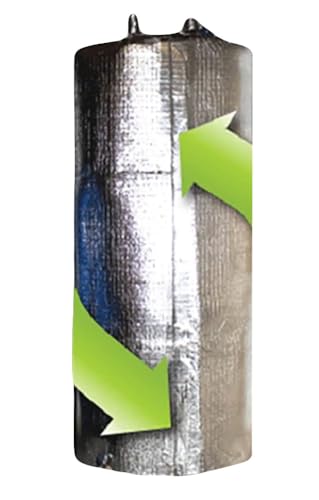
- BWP Score9.1
BWP Score is a ranking system developed by Bestwinterproducts.com. BWP score has no relationship or impact from any manufacturers or sales agent websites. Learn more
- BrandTrade Winds

- BWP Score8.4
BWP Score is a ranking system developed by Bestwinterproducts.com. BWP score has no relationship or impact from any manufacturers or sales agent websites. Learn more
- BrandFrost King
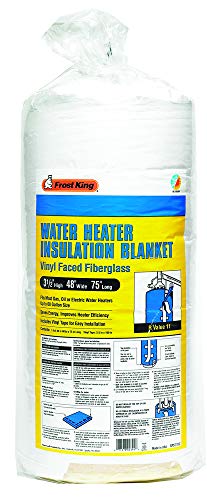
- BWP Score8.3
BWP Score is a ranking system developed by Bestwinterproducts.com. BWP score has no relationship or impact from any manufacturers or sales agent websites. Learn more
- BrandFrost King
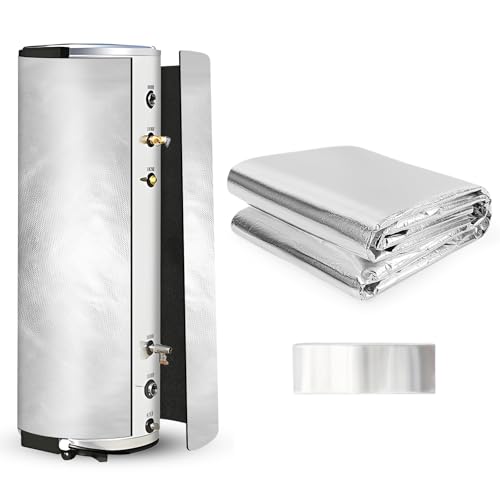
YIBOBO Upgraded Water Heater Insulation Blanket, 76"x48" Pre-Oxidized Fiber Technology
View on Amazon- BWP Score8.1
BWP Score is a ranking system developed by Bestwinterproducts.com. BWP score has no relationship or impact from any manufacturers or sales agent websites. Learn more
- BrandYIBOBO

- BWP Score7.5
BWP Score is a ranking system developed by Bestwinterproducts.com. BWP score has no relationship or impact from any manufacturers or sales agent websites. Learn more
- BrandYIBOBO

- BWP Score7.1
BWP Score is a ranking system developed by Bestwinterproducts.com. BWP score has no relationship or impact from any manufacturers or sales agent websites. Learn more
- BrandYIBOBO
Last update on 2026-10-08 / Affiliate links / Images, Product Titles, and Product Highlights from Amazon Product Advertising API
FAQs
How can I find out the exact age of my water heater?
Look at the manufacturer rating plate on the side of your tank. Locate the serial number, which usually encodes the month and year of production in the first two to four characters. You can also enter the serial number into the manufacturer website to confirm the build date.
Does an insulation blanket help if my water heater is in an unheated garage?
A modern water heater with factory foam already resists freezing garage air effectively. Wrapping the tank yields minimal savings because the internal foam already stops heat loss. Insulating the exposed water pipes and controlling garage drafts provides far more protection against the cold.
Can wrapping an electric water heater cause electrical fires?
Yes, wrapping an electric water heater can create fire or component failure if you cover the access panels. The panels house the thermostats and electrical heating elements, which generate heat while running. Blanketing those panels traps heat, risking melted wire insulation and repeated safety shutdowns.
Does a tank blanket reduce the time it takes for hot water to reach a faucet?
No, a tank blanket only keeps heat inside the central storage cylinder. The delay at your sink happens because water cooling inside the household plumbing pipes must be cleared out first. Insulating your plumbing pipes or installing a hot water recirculating loop solves that delay.


Best Warm Winter Scarves 2026 For Cozy Comfort

Best Green Ski Goggles 2026 For Clear Vision On Slopes

12 Best Corner Electric Fireplace 2026: My Ultimate Guide To Pick One

Best Battery Powered Snow Blower 2026 For Effortless Snow Clearing

Best Ski Goggles Under 30 Inches For Crisp Vision And Comfort

Best Cooling Scarf 2026 For Instant Relief And Comfort

Fake Snow for Grass: Create a Realistic Winter Lawn Display

Dimplex Prism Wall Mount Fireplace: Sleek Heat With Modern Flame Style





