
Do Space Heaters Turn Off Automatically?

Almost all modern space heaters do. Today's electric models are built to shut off automatically, either because the room reached your target temperature or because an internal safety switch kicked in. If a heater gets tipped over by a pet or starts running too hot, it cuts power immediately to prevent a fire.
Not every heater behaves the same way, though. Older units and basic manual models often run continuously until someone switches them off by hand. The reason behind the shut-off matters just as much, because a normal pause from a thermostat feels very different from a safety cut-off caused by a blocked vent. Here is how to tell which safety triggers your heater uses and what to do if it suddenly stops working.
The Short Version
- Almost all modern electric space heaters shut off automatically to maintain target room warmth or prevent fire hazards.
- A heater turns off on its own for three main reasons: normal thermostat cycling, an accidental tip-over, or dangerous internal overheating.
- Older vintage models and bare-bones manual units lack automatic safety switches, running continuously until you switch them off or pull the plug.
- Even with automatic shut-offs, always keep a 3-foot safety buffer around the unit and plug it directly into a standard wall outlet.
How Modern Space Heaters Shut Down on Their Own
Modern portable heaters operate very differently from older space heaters. Decades ago, basic portable heaters relied on simple coils that stayed glowing hot as long as electrical current flowed. If someone knocked the heater over or draped a blanket across the grille, the unit kept running, frequently melting its casing and starting a house fire.
Today, consumer safety standards require electric heaters sold in the United States to include automatic cut-off systems. These internal switches act like built-in circuit breakers. They continuously monitor internal heat levels and heater stability, cutting electrical power immediately when operation becomes unsafe.
An automatic shut-off occurs for two reasons: routine temperature regulation or an emergency shutdown. Routine regulation means the heater pauses because the room air temperature reached your target warmth. The heating elements pause until the room cools. In contrast, an emergency shut-off is a defensive reaction. If airflow gets blocked or the heater falls over, internal safety switches trip to cut power before plastic melts or nearby fabrics ignite.
Understanding which shut-off is happening keeps you from worrying unnecessarily when your heater takes a normal break. It also helps you spot poor airflow, thick dust buildup, or an electrical issue before it creates a hazard.
The Three Main Triggers That Shut Down a Space Heater
When your space heater clicks off unexpectedly, it is responding to one of three main internal triggers. Each trigger serves a specific role in keeping your room comfortable or preventing a fire hazard.
1. The Thermostat
The most common reason a heater turns off on its own is temperature control. A digital temperature dial that clicks on and off to hold your set warmth monitors the surrounding room air temperature. When you set your heater to 70 degrees Fahrenheit, the unit runs until the surrounding air matches that warmth.
Once the room reaches that mark, the heater enters cycling, which simply means turning on and off automatically. In basic convection units, both the element and fan stop completely. In units with a ceramic heating element that warms up in seconds, the fan may run for thirty seconds after the heat stops to push out residual warmth. When the room cools, the thermostat clicks back on.
2. The Tip-Over Safety Switch
Floor heaters are easy to bump into, especially around pets or children. A tip-over safety switch that cuts power instantly if the unit is knocked over or tilted prevents the heater from blowing intense heat into carpet, flooring, or bedding.
Most portable floor models use a mechanical plunge switch on the bottom of the base. When the heater rests firmly on a level floor, the weight of the unit pushes this plastic peg inward to complete the circuit. If the heater wobbles, tilts, or falls flat, the peg pops outward, cutting power to the elements and fan immediately.
3. The Automatic Overheat Sensor
An automatic overheat sensor that shuts the unit off if internal parts get dangerously hot is the most critical safety feature inside any electric heater. Heaters pull cool room air through an intake grille, warm that air across internal elements, and push it out into the room.
If something blocks the intake grille, such as drapes, laundry, or thick dust, heat cannot escape. The internal temperature spikes rapidly, and the overheat sensor breaks the power connection before parts melt. Many modern units also include an automatic shut-off sleep timer that powers down the heater after one to twelve hours. If you need steady warmth in a workshop or detached room, choosing proper controls is vital, as explained in our guide on the best electric heater for garage with thermostat control.
How to Verify Your Heater Has Automatic Safety Features
Not every heater includes modern safety controls. Vintage models, hand-me-downs, and bargain imports often lack basic protective switches. Here is how to check your heater for essential automatic features:
- Inspect the base for a tip switch: Look for a small plastic peg on the underside. While the heater runs on low on a table, lift the unit straight up by its handle. If the unit cuts off the moment the base leaves the surface, you have a working tip-over safety switch.
- Look for safety certification marks: Check the electrical label on the back or bottom casing for recognized marks like UL, ETL, or CSA. These certified marks confirm that the model passed strict electrical safety reviews, including mandatory overheat shut-off requirements.
- Examine the temperature controls: Check whether your heater has a numbered dial, digital screen, or thermostat knob. If it only features a basic On/Off switch or a high/low rocker switch without thermostat markings, it will not cycle off based on room warmth. It will run continuously until you turn it off.
- Check the user manual: Find the safety section in the manual or search the model number online. Look for terms like overheat protection, thermal cut-off, or automatic shut-off. If the manufacturer does not list thermal protection, treat the unit as an unmonitored fire risk.
What to Do if Your Heater Shuts Off and Stays Off
If your heater turns off unexpectedly and refuses to restart, an internal safety switch has likely tripped. Follow these numbered steps to safely troubleshoot the unit:
- Switch the unit off and unplug it: Turn the main power dial to Off and pull the plug from the wall outlet. Never inspect a heater while it remains connected to household current.
- Let the unit cool down completely: Wait fifteen to thirty minutes. The overheat switch will refuse to pass current as long as internal parts stay hot.
- Clear dust and lint from all grilles: Inspect the air intake and heat discharge vents. Pet hair and dust choke airflow and trip the overheat switch. Clear the grilles using a vacuum with a brush attachment.
- Move the heater to a hard, level surface: Deep carpets can allow the tip-over peg to sink into the fibers, cutting power. Place the unit on bare hardwood, tile, or a firm, flat surface.
- Plug directly into a dedicated wall outlet: Standard electric heaters draw up to 1,500 watts (about 12.5 amps on a 120-volt circuit). Avoid extension cords and power strips, which can overheat and cause electrical faults.
- Press the manual reset button if present: Some models feature a small reset button on the back or bottom. Press it gently with a pen tip until you feel a click, then turn the heater back on.
If the heater restarts and runs smoothly, restricted airflow was the issue. But if it shuts off again within minutes, or if the cord or wall outlet feels hot, stop using the unit immediately and consult a licensed electrician.
Safe Heating Habits Even with Automatic Shut-Offs
Automatic safety switches are reliable backup defenses, but they should never replace basic heating precautions. Mechanical switches can jam with debris, and electrical sensors can wear out over time. Follow this checklist to keep your home safe:
- Maintain a 3-foot safety buffer: Keep all space heaters at least three feet (36 inches) away from anything that can burn, including bedding, drapes, furniture, and paper.
- Turn the heater off before sleeping or leaving: The safest habit is running a portable heater only while you are awake and in the room. If using one in a bedroom, choose a model with a built-in sleep timer and position it well away from beds.
- Avoid crowded electrical circuits: A standard 15-amp circuit can trip if a 1,500-watt heater shares an outlet with another appliance. Plug into a dedicated wall outlet whenever possible.
- Keep portable heaters out of wet rooms: Never run a standard floor heater in a bathroom or near a sink where water can cause electrical shorts. Only use heaters designed specifically for bathrooms that feature wall mounts and safety shut-off plugs.
- Supervise pets and children closely: Pets and children can knock a heater over in an instant. Even with a fast tip-over switch, the front grille remains hot enough to cause contact burns.
Different rooms present unique heating challenges. Drafty sunrooms require extra attention to placement; see our guide on the best heater for enclosed porch spaces to balance warmth with safe clearances. If you travel in a camper or van, managing limited power is equally critical, as explained in our guide to the best heater for van life.
What to Look for When Choosing a Safer Space Heater
If you rely on an older heater that lacks automatic shut-offs, replacing it with a modern model brings immediate peace of mind. Upgrading eliminates the worry of whether your heater will keep running if an accident occurs.
When shopping for a safer space heater, look for models with dual protection: a tip-over safety switch and an automatic overheat sensor. Choose a digital temperature dial that clicks on and off to hold your set warmth, preventing the unit from running non-stop. Programmable auto-off timers are another great feature, letting you set an operating window so the heater powers down automatically. Finally, look for cool-touch exterior housings and confirm that the unit carries a recognized US safety certification mark on its packaging.

- BWP Score8.8
BWP Score is a ranking system developed by Bestwinterproducts.com. BWP score has no relationship or impact from any manufacturers or sales agent websites. Learn more
- BrandVornado

- BWP Score8.8
BWP Score is a ranking system developed by Bestwinterproducts.com. BWP score has no relationship or impact from any manufacturers or sales agent websites. Learn more
- BrandDR. INFRARED HEATER

- BWP Score8.6
BWP Score is a ranking system developed by Bestwinterproducts.com. BWP score has no relationship or impact from any manufacturers or sales agent websites. Learn more
- BrandHeat Storm
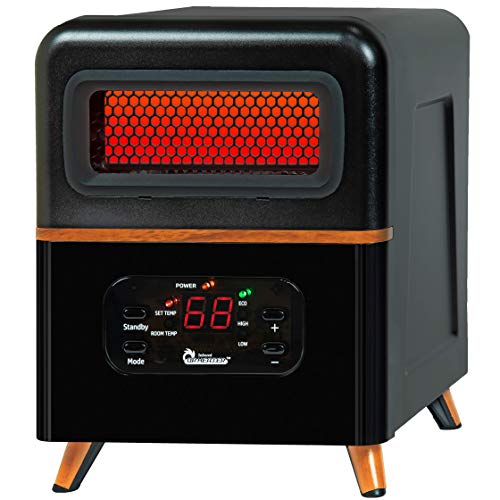
- BWP Score7.9
BWP Score is a ranking system developed by Bestwinterproducts.com. BWP score has no relationship or impact from any manufacturers or sales agent websites. Learn more
- BrandDR. INFRARED HEATER
- BWP Score7.6
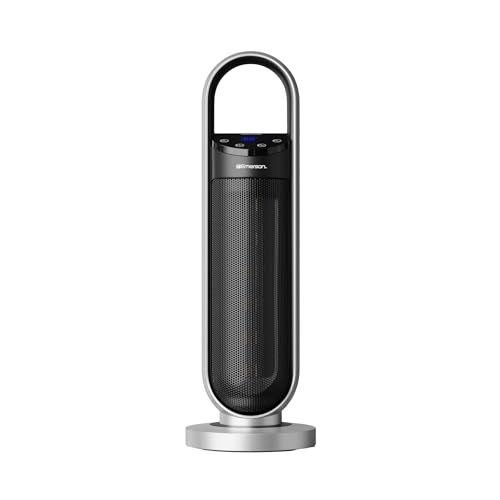
BWP Score is a ranking system developed by Bestwinterproducts.com. BWP score has no relationship or impact from any manufacturers or sales agent websites. Learn more
- BrandEmerson
Last update on 2026-10-06 / Affiliate links / Images, Product Titles, and Product Highlights from Amazon Product Advertising API
FAQs
Is it safe to leave a space heater on overnight if it shuts off automatically?
Leaving a space heater running while you sleep is not recommended, even with automatic shut-offs. Blankets or bedding can shift onto the front grille during the night, creating a severe fire hazard before an overheat sensor can react. If you must run a heater overnight, keep it at least three feet from your bed, plug it directly into a wall outlet, and set an automatic shut-off timer.
Why does my space heater keep turning off after just a few minutes?
Frequent shut-offs usually point to restricted airflow tripping the automatic overheat sensor. Dust on the intake vents, placing the heater too close to a wall, or setting it on thick carpet traps heat inside the casing. Clean the grilles with a vacuum brush and move the unit to an open, hard, flat surface.
Can I plug a heater with automatic shut-off into an extension cord or surge protector?
Never plug an electric space heater into an extension cord, power strip, or surge protector. Most portable heaters draw up to 1,500 watts, which can easily overheat cords and melt plastic insulation. Automatic safety switches protect the heater itself, but they cannot prevent an electrical fire inside an overloaded cord.
What is the difference between a heater cycling off and tripping a safety switch?
Cycling off is normal temperature regulation where the thermostat pauses heat once the room reaches your target warmth, clicking back on as the room cools. A safety shutdown occurs when a tip-over switch or overheat sensor cuts power due to a physical tilt or dangerous internal heat. During a safety shutdown, the heater will not turn back on until you fix the issue, let it cool, or press a reset button.


Best Warm Winter Scarves 2026 For Cozy Comfort

Best Green Ski Goggles 2026 For Clear Vision On Slopes

12 Best Corner Electric Fireplace 2026: My Ultimate Guide To Pick One

Best Battery Powered Snow Blower 2026 For Effortless Snow Clearing

Best Ski Goggles Under 30 Inches For Crisp Vision And Comfort

Best Cooling Scarf 2026 For Instant Relief And Comfort

Fake Snow for Grass: Create a Realistic Winter Lawn Display

Dimplex Prism Wall Mount Fireplace: Sleek Heat With Modern Flame Style





