
Do Tankless Water Heaters Use Gas or Electricity?

A homeowner stares at the tangle of pipes behind an aging water tank, wondering what power source a sleek wall-mounted replacement actually needs. The reality is that tankless water heaters come in both gas and electric models, but almost every indoor gas unit also requires a standard electrical outlet to power its circuit board and exhaust fan. That extra cord catches many people off guard.
Which fuel type fits best depends on your home layout and daily routine. Gas units generally produce more hot water at once, making them ideal for busy households, but they require a dedicated exhaust vent running outside. Electric models need no vent pipes at all, yet whole-home versions often demand major upgrades to your main electrical breaker box. Taking a close look at your existing utility hookups will show you which setup makes practical sense.
Why Most Gas Tankless Water Heaters Still Need Electricity
Tankless water heaters come in two distinct fuel types: models that burn gas and models that run purely on electric current. If you choose an electric model, it uses heating elements to warm your water and connects directly to your home wiring. If you choose a gas model, it burns natural gas or liquid propane to produce heat. However, almost every modern indoor gas tankless water heater also needs to plug into a standard household electrical outlet. While gas supplies the thermal energy to heat the water, electricity keeps the entire system running safely.
Old-style water heaters with large storage tanks often operated without any household electricity. They used a mechanical gas valve and a continuous standing pilot light, which was a tiny flame that burned around the clock. When the water inside the storage tank cooled down, the mechanical valve opened, and the pilot flame lit the main burner. That system required zero wall plugs, but it wasted fuel by keeping a flame burning day and night.
Modern on-demand gas systems work on a completely different principle. When you open a hot water faucet anywhere in your house, cold water starts moving through the plumbing lines. A sensor inside the water heater detects this water flow in gallons per minute (GPM). That sensor sends an electronic signal to a small internal computer board. The computer board immediately activates an electric spark igniter, which lights the gas burner in a fraction of a second. This electronic ignition completely eliminates the wasteful standing pilot light, but it cannot fire up without electric power.
Electricity also handles the critical job of venting dangerous exhaust fumes out of your home. Tankless gas burners produce intense burner heating power (measured in BTU, or British Thermal Units) inside a compact metal cabinet. To remove the combustion fumes quickly and safely, the unit uses an internal electric blower fan. This motorized fan forces exhaust gases out through a direct vent (an exhaust pipe running to the outside of your home). If your home loses power, that exhaust fan stops turning. The internal safety sensors will immediately shut off the gas valve to prevent toxic carbon monoxide from gathering inside your living space.
In addition to safety blowers and ignition sparks, your gas unit uses electricity to power its digital control screen, monitor water temperature sensors, and run small internal freeze-protection heating pads. These heating pads keep residual water inside the copper heat exchanger from freezing and splitting the pipes during cold snaps. Because of these electronic parts, a standard gas tankless water heater will not deliver hot water during a blackout unless you connect it to an emergency battery backup or an auxiliary generator.
Gas vs. Electric Tankless: Water Flow, Power Draw, and Venting
Understanding how each system operates helps you decide which fuel fits your household routine. The biggest performance difference between gas and electric units comes down to heating muscle and water volume. Gas burners generate an immense amount of burner heating power in an instant. This high heat output allows a single whole-house gas unit to heat a high water flow in gallons per minute, even when incoming ground water is icy cold. A standard gas model can easily supply hot water to two showers and a running dishwasher at the same time without losing temperature.
Electric tankless water heaters warm water by pushing it across thick, high-resistance heating elements. Because water travels through the unit quickly, the heating elements must draw an enormous surge of electrical current to heat that moving stream in real time. For a small sink, a modest electric unit works well. But trying to heat water for an entire home with electricity places massive demands on your electrical infrastructure. A whole-house electric unit often requires multiple separate 40-amp or 50-amp circuits, demanding 120 to 150 amps of electrical capacity just for your hot water.
Venting requirements also separate these two systems. Gas combustion creates exhaust gases containing carbon monoxide, nitrogen oxides, and acidic moisture. Every indoor gas tankless water heater must connect to a dedicated direct vent pipe made of stainless steel or specialized heat-rated plastic. This pipe must run through an exterior side wall or up through the roof, maintaining strict clearances away from operable windows, doors, and fresh air intake vents. Electric units create zero exhaust, consume no indoor oxygen, and produce no emissions. Because they require no exhaust pipes or chimneys, you can install an electric unit inside a bedroom closet, under a kitchen sink, or deep inside a finished basement.
Space and utility layout often dictate your options. If you live in an apartment, a condominium, or an off-grid setup, you might not have access to a gas supply line or permission to cut exhaust holes through an exterior wall. For smaller living spaces, matching your heating setup to your utility limitations is just as critical as selecting the right heater for mobile home layouts or picking a dedicated heater for van life conversions. Every heating system requires the right balance of incoming fuel and physical space to operate reliably.
How to Check Your Home Before Choosing Gas or Electric
Before you buy any on-demand water heater, take time to inspect your existing utilities. Many homeowners buy a unit based purely on physical size, only to discover their home needs thousands of dollars in utility upgrades before the unit can turn on. Use this checklist to verify what your home can support.
- Check your main electric fuse box (breaker panel): Open the metal door on your electrical panel and find the main breaker switch at the very top. Read the number stamped on the switch handle. If it reads 100 amps, your electrical service is likely too small for a whole-house electric tankless heater, which alone can pull over 100 amps. You generally need a 200-amp service panel with three or four open slots for double-pole breakers to support a whole-house electric model.
- Inspect your gas line diameter: If you plan to install a gas model, look at the black iron or corrugated yellow gas pipe running to your current water heater. Old storage tank heaters typically connect to a 1/2-inch gas pipe. Because a tankless gas unit heats water instantly, it needs a sudden, large volume of fuel and often requires a thicker 3/4-inch gas supply line. A pipe that is too narrow will starve the burner, causing the heater to shut down with an error code whenever you turn on a second faucet.
- Look for a nearby 120-volt wall plug: If you choose a gas unit, confirm there is a standard, grounded three-prong electrical outlet within a few feet of the mounting wall. The unit needs this outlet to run its circuit board, display, and exhaust blower. If no outlet exists, you will need an electrician to add a dedicated circuit nearby.
- Evaluate your exterior venting path: Stand near the spot where you want to mount a gas unit and look for the shortest path to an outside wall. Make sure the exterior exit point sits safely away from dryer vents, air conditioning units, gas meters, and bedroom windows. If your utility room sits in the center of your house with no straight path outdoors, the labor and material costs to run an exhaust pipe running to the outside can be significant.
- Consider your winter water temperature: In southern regions, municipal water might enter your home at 65 degrees Fahrenheit. In northern states, winter ground water can drop to 35 or 40 degrees Fahrenheit. The colder your incoming water, the more heating power your unit needs to reach a comfortable 120-degree shower. Gas units manage wide temperature jumps much better than electric units.
Selecting the Right On-Demand Water Heater for Your Space
Choosing between gas and electric comes down to how much hot water your family uses at once and what utility connections already exist in your home. Neither option is universally better than the other, but each solves a specific household problem.
For small, targeted jobs, electric tankless systems are hard to beat. If you have a remote bathroom, a detached workshop, an additions project, or a kitchen sink where hot water takes minutes to arrive through long plumbing runs, a compact point-of-use electric unit is an ideal fix. It mounts directly under the sink or inside an adjacent cabinet, connects to cold water, and delivers immediate warmth without any outdoor venting. If you are already setting up auxiliary power in an outbuilding, much like installing a heater for garage with thermostat setup, adding an under-sink electric water heater provides simple handwashing warmth without the hassle of running new gas plumbing.
For an active family home with multiple bathrooms, a gas tankless water heater is almost always the more practical whole-house choice. A gas model provides the heavy burner heating power needed to keep up with back-to-back showers, kitchen cleanup, and laundry without dropping water pressure or temperature. As long as your home already has an active natural gas or propane hookup, upgrading the gas supply line and running a direct vent pipe is usually far simpler and cheaper than replacing your entire electrical panel to support an electric whole-house unit.
Before you make a purchase, verify that you have adequate wall clearance around the unit for routine filter cleanings and system maintenance. Never attempt to install gas lines, cut combustion vents, or tap into high-voltage electrical panels on your own. Improperly sized gas pipes can starve other appliances, faulty venting can leak odorless carbon monoxide into your living quarters, and overloaded electrical circuits create severe fire hazards. Always shut off your main utilities before inspecting connections, and hire a licensed plumber and electrician to pull the proper permits and complete your installation safely.

- BWP Score9.6
BWP Score is a ranking system developed by Bestwinterproducts.com. BWP score has no relationship or impact from any manufacturers or sales agent websites. Learn more
- Brandxwdzswgs

- BWP Score9.2
BWP Score is a ranking system developed by Bestwinterproducts.com. BWP score has no relationship or impact from any manufacturers or sales agent websites. Learn more
- BrandCAMPLUX ENJOY OUTDOOR LIFE
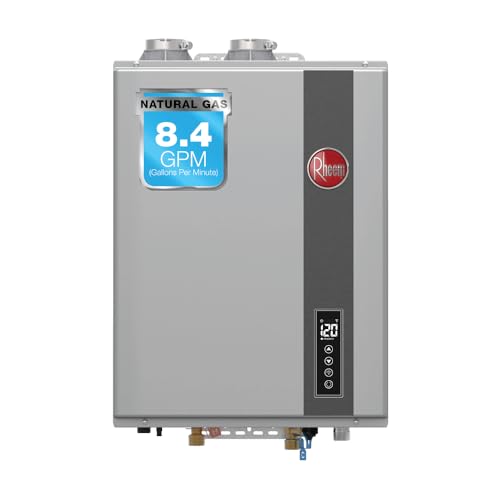
- BWP Score8.4
BWP Score is a ranking system developed by Bestwinterproducts.com. BWP score has no relationship or impact from any manufacturers or sales agent websites. Learn more
- BrandRheem

- BWP Score8.3
BWP Score is a ranking system developed by Bestwinterproducts.com. BWP score has no relationship or impact from any manufacturers or sales agent websites. Learn more
- Brandthermomate

- BWP Score8.2
BWP Score is a ranking system developed by Bestwinterproducts.com. BWP score has no relationship or impact from any manufacturers or sales agent websites. Learn more
- BrandRanein

- BWP Score7.4
BWP Score is a ranking system developed by Bestwinterproducts.com. BWP score has no relationship or impact from any manufacturers or sales agent websites. Learn more
- BrandBaococo
Last update on 2026-10-09 / Affiliate links / Images, Product Titles, and Product Highlights from Amazon Product Advertising API
FAQs
Can a tankless electric water heater plug into a normal wall outlet?
Most whole-house electric tankless water heaters cannot plug into a standard household wall outlet. They pull immense electrical power and must be hardwired directly into your main electric fuse box using heavy-gauge wiring and multiple dedicated breakers. Only very small, low-wattage point-of-use heaters designed exclusively for single handwashing sinks operate on standard 120-volt circuits.
Will a gas tankless water heater work during a power outage?
An indoor gas tankless water heater will not produce hot water during a blackout under normal conditions. Even though it burns gas for fuel, it relies on electricity from a wall outlet to power its electronic spark igniter, digital control board, and motorized exhaust fan. To use a gas tankless heater when the power goes out, you must plug the unit into an uninterrupted battery power supply or an emergency home generator.
How do I know if my electrical panel can handle an electric tankless water heater?
Open your electrical service panel and check the amperage rating marked on your main breaker switch. A whole-house electric tankless unit typically requires an overall electrical service of at least 200 amps, along with three to four empty double-pole breaker spaces. If your home has an older 100-amp or 150-amp panel, you will need a licensed electrician to upgrade your electrical service before you can safely install the unit.


Best Warm Winter Scarves 2026 For Cozy Comfort

Best Green Ski Goggles 2026 For Clear Vision On Slopes

12 Best Corner Electric Fireplace 2026: My Ultimate Guide To Pick One

Best Battery Powered Snow Blower 2026 For Effortless Snow Clearing

Best Ski Goggles Under 30 Inches For Crisp Vision And Comfort

Best Cooling Scarf 2026 For Instant Relief And Comfort

Fake Snow for Grass: Create a Realistic Winter Lawn Display

Dimplex Prism Wall Mount Fireplace: Sleek Heat With Modern Flame Style





