
Do Wall Heaters Use a Lot of Gas?

Gas wall heaters burn surprisingly little fuel. Because they warm only a single room instead of an entire house, they consume far less gas than a whole-home furnace. You are not paying to heat empty hallways or closed bedrooms. Even when run for several hours on a chilly evening, a single wall heater keeps fuel use modest because its burner is small and focused.
Still, a few everyday factors change how quickly that fuel meter turns. A unit with an automatic thermostat cuts the flame once the space is warm, but a manual dial left on high will burn gas non-stop. Drafty window frames and thin wall insulation also force the burner to work overtime. Knowing how your heater operates makes it easy to stay warm without facing a painful surprise on your next utility bill.
The Short Version
- Wall heaters use far less gas than central furnaces: Because they heat a single room rather than an entire house, they run at 8,000 to 30,000 BTUs per hour compared to 60,000 to 100,000 BTUs for whole-house systems.
- Burn times determine your bill: Running an unthrottled manual heater continuously in a drafty space burns fuel rapidly, while an automatic thermostat only fires when room temperature dips.
- Fuel type changes the numbers: A 20,000 BTU natural gas heater consumes about 0.20 therms per continuous hour, while an equivalent propane heater burns roughly one-quarter to one-third of a gallon per hour.
- Simple habits stop waste: Sealing window drafts, shutting doors to unused rooms, and turning off the pilot light in summer keep gas bills low.
Wall Heaters Versus Central Furnaces: How Gas Use Compares
To understand whether a gas wall heater uses a lot of fuel, compare it to how central heating works. A typical central furnace burns between 60,000 and 100,000 BTUs of gas every hour it runs. It forces air through long runs of metal ductwork hidden in attics, crawlspaces, or basements. Cold spaces and duct leaks steal heat along the way, and you pay to warm empty spare bedrooms, hallways, and closets.
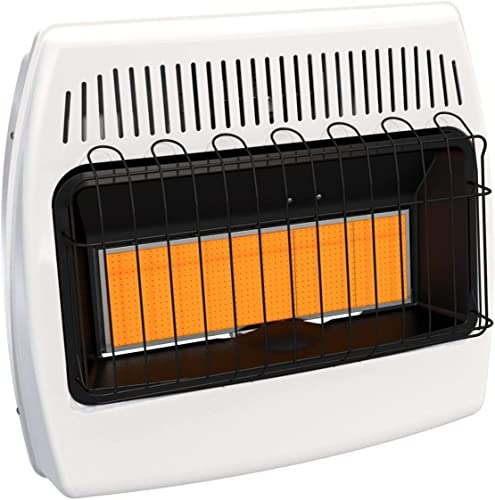
A gas wall heater relies on zone heating. Instead of heating your entire house, it warms only the room you are currently using, such as a living room or kitchen. Because the heater mounts directly on the wall where you spend time, there are no ducts to lose warmth. Every bit of heat delivers comfort directly into your living space.
Most residential gas wall heaters are rated between 8,000 and 30,000 BTUs per hour. Even running at maximum flame, a wall unit burns a fraction of the gas consumed by a whole-house furnace. Turning your central thermostat down and warming your primary room with a wall heater can lower your overall winter heating bills noticeably.
High bills only become an issue when you treat a wall heater like a central furnace. Trying to heat a large, multistory home with a single 20,000 BTU unit forces the burner to run around the clock without catching up. Running any gas heater non-stop in an uninsulated space, such as looking for the best heater for an enclosed porch without sealing window drafts, will cause fuel consumption to rise quickly.
What BTU Ratings Tell You About Hourly Fuel Use
Every gas wall heater features a metal rating plate stamped with its BTU output. BTU stands for British Thermal Unit, which measures heat output per hour. In everyday terms, the BTU rating tells you how much fuel the heater burns when running at full flame. A 10,000 BTU heater burns half the fuel of a 20,000 BTU unit in the same hour of continuous use.
Most wall heaters range from 8,000 BTUs for small rooms up to 30,000 BTUs for open spaces of up to 1,000 square feet. Translating that number into fuel consumption depends on whether you use piped natural gas or liquid propane:
- Piped Natural Gas: Natural gas is billed in therms. One therm equals roughly 100,000 BTUs of heat. A 20,000 BTU natural gas wall heater on high burns about 0.20 therms per continuous hour. That means it requires five full hours of non-stop high flame to burn a single therm.
- Liquid Propane: Propane is billed by the gallon, with one gallon containing roughly 91,500 BTUs. An 11,000 BTU propane unit burns about 0.12 gallons per hour, lasting over eight continuous hours on one gallon. A 30,000 BTU propane unit on high uses about one-third of a gallon per hour.
Venting design also influences how heat enters your space. Direct vent heaters draw outside air through a sealed pipe in an exterior wall and vent exhaust outside, preserving indoor air quality while losing only a modest amount of heat. Vent-free heaters vent directly into the room, sending all heat into the living area. Both designs burn fuel at the rate dictated by their BTU rating.
Thermostat Control Versus Manual Heat Knobs
How your wall heater controls its flame plays a major role in your gas bill. Wall heaters typically use either a continuous manual valve or an automatic thermostat.
A manual control knob works like the dial on a kitchen gas stove. If you set it to Low, Medium, or High, the flame burns at that exact size continuously until you manually turn it down. If you set a manual heater to Medium on a cold morning and leave the house, the burner stays lit all day long, overheating the room and wasting fuel.
An automatic thermostat works like the temperature setting in your home. You select a target temperature, such as 68 or 70 degrees Fahrenheit. The burner turns on, heats the room to that level, and shuts off completely or drops to a pilot. Once the room cools slightly, the thermostat relights the burner.
In a reasonably insulated room, a thermostatically controlled heater rarely runs constantly. It might run for 15 to 20 minutes each hour to maintain comfort, cutting actual fuel burn by half or more compared to a unit left running on a manual dial.
How Much Gas a Standing Pilot Light Actually Uses
Many gas wall heaters use a standing pilot light, a small continuous flame that allows the main burner to light automatically when heat is called for. Homeowners often wonder if this steady flame quietly drives up their gas bill.
A standard standing pilot burns between 600 and 1,000 BTUs per hour. Across a 30-day month (720 hours), that adds up to roughly 430,000 to 720,000 BTUs. In natural gas terms, that equals roughly 4 to 7 therms per month. In propane terms, it amounts to about 5 to 8 gallons of propane each month.
During winter, this heat is not wasted because the flame warms the metal cabinet and radiates heat directly into your room. But during warm summer months, leaving the pilot lit burns fuel with zero benefit. Most modern wall heaters feature a safety pilot with a built-in pressure regulator that shuts off all gas flow if the flame is extinguished. When warm weather arrives, turn the control dial to Off to extinguish the pilot flame and prevent unnecessary fuel costs.
Practical Ways to Stop Wasting Gas
When a gas wall heater causes a spike in fuel bills, the heater is rarely broken. In most homes, heat is escaping through air leaks, forcing the burner to stay lit much longer than necessary. You can keep gas use low with these practical adjustments:
- Seal air leaks around windows and doors: Cold air drafts pull warm air out rapidly. Place adhesive foam weatherstripping along window frames and attach a door sweep to the bottom of exterior doors. If you are heating an older structure or finding the best heater for a mobile home, stopping window and floor drafts will instantly shorten burner run times.
- Close doors to unoccupied spaces: Zone heating works best when you contain the heat. Shut the doors to guest rooms, closets, and laundry areas so your heater only warms the space you are actively using.
- Lower your thermostat setting slightly: Setting the thermostat to 68 degrees Fahrenheit instead of 72 degrees reduces fuel use noticeably over a winter month while keeping the living area comfortable.
- Clean out accumulated dust: Dust and lint settle inside the lower heater cabinet over time. Clogged burner ports cause lazy yellow flames that burn fuel inefficiently. Turn off the gas valve, let the unit cool completely, and vacuum out dust around the burner tube before winter begins.
- Know when to call a gas professional: If you smell rotten eggs, notice black soot on the heater grille, or find that the pilot light repeatedly fails to stay lit, shut off the gas valve at the wall. Contact your gas utility or a licensed heating professional to inspect the line and burner safely.
Choosing the Right Heater to Keep Fuel Use Low
Selecting the right heater design helps prevent high fuel bills before installation begins. The most important step is matching the BTU output to your room size. A compact 8,000 to 11,000 BTU model fits smaller rooms, while larger living spaces of up to 1,000 square feet need 20,000 to 30,000 BTUs. Installing an undersized heater causes continuous burning, while an oversized heater turns on and off in short, inefficient bursts.
Choose a model with a built-in automatic thermostat rather than a simple manual knob so the flame throttles back when the room is warm. Much like choosing the best electric heater for a garage with thermostat, temperature-sensing controls keep you from paying for heat you do not need.
Look at the ignition and venting options as well. Electronic spark ignition avoids the continuous fuel burn of a standing pilot light. Finally, decide between direct vent models that pipe exhaust outside through an exterior wall and vent-free models that keep all generated heat indoors, making sure the design meets your local building codes.

- BWP Score9.7
BWP Score is a ranking system developed by Bestwinterproducts.com. BWP score has no relationship or impact from any manufacturers or sales agent websites. Learn more
- BrandDyna-Glo

- BWP Score8.0
BWP Score is a ranking system developed by Bestwinterproducts.com. BWP score has no relationship or impact from any manufacturers or sales agent websites. Learn more
- BrandMr. Heater

- BWP Score7.9
BWP Score is a ranking system developed by Bestwinterproducts.com. BWP score has no relationship or impact from any manufacturers or sales agent websites. Learn more
- BrandAshley

- BWP Score7.7
BWP Score is a ranking system developed by Bestwinterproducts.com. BWP score has no relationship or impact from any manufacturers or sales agent websites. Learn more
- BrandComfort Glow
- BWP Score7.3
BWP Score is a ranking system developed by Bestwinterproducts.com. BWP score has no relationship or impact from any manufacturers or sales agent websites. Learn more
- BrandJEWUNO

- BWP Score7.2
BWP Score is a ranking system developed by Bestwinterproducts.com. BWP score has no relationship or impact from any manufacturers or sales agent websites. Learn more
- BrandAshley Hearth
Last update on 2026-10-11 / Affiliate links / Images, Product Titles, and Product Highlights from Amazon Product Advertising API
FAQs
Is a gas wall heater cheaper to run than an electric space heater?
In most parts of the country, natural gas costs significantly less per unit of heat than residential electricity. A standard 1,500-watt electric space heater produces about 5,100 BTUs per hour, and generating that same warmth with natural gas is generally much cheaper on utility bills. Liquid propane costs vary by local delivery rates, but propane wall heaters still deliver much higher heat volume per hour than standard plug-in electric units.
Why does my gas wall heater smell strange when I first turn it on in autumn?
After sitting idle through spring and summer, the internal burner and metal surfaces collect household dust and lint. When you turn the heater on for the first time in cold weather, that dust burns off, causing a harmless burning odor that disappears within an hour or two. If you smell the rotten-egg odor of raw gas, shut the gas valve off immediately and call your utility company.
Can I leave a gas wall heater running overnight safely?
Direct vent gas wall heaters equipped with thermostats and safety pilot valves can run overnight safely because their combustion chamber is sealed and exhausts outside. Vent-free wall heaters require more caution because they vent directly into your room. If you run a gas heater overnight, ensure you have a working carbon monoxide alarm installed nearby and keep interior doors cracked for fresh air.
Why is my wall heater burning through gas faster than expected?
Rapid fuel consumption is usually caused by unsealed drafts, poor insulation, or leaving a manual heat knob set to high continuously. When cold air enters around leaky doors and windows, the room loses warmth faster than the heater can supply it, forcing the flame to stay on. Dirty burner ports that create lazy yellow flames also burn fuel inefficiently.


Best Warm Winter Scarves 2026 For Cozy Comfort

Best Green Ski Goggles 2026 For Clear Vision On Slopes

12 Best Corner Electric Fireplace 2026: My Ultimate Guide To Pick One

Best Battery Powered Snow Blower 2026 For Effortless Snow Clearing

Best Ski Goggles Under 30 Inches For Crisp Vision And Comfort

Best Cooling Scarf 2026 For Instant Relief And Comfort

Fake Snow for Grass: Create a Realistic Winter Lawn Display

Dimplex Prism Wall Mount Fireplace: Sleek Heat With Modern Flame Style





