
How Do Chickens Stay Warm in the Winter?

Chickens stay warm by trapping pockets of warm air inside their down feathers and tucking their bare skin out of the wind. That built-in insulation only holds up, though, if their coop stays completely dry. A healthy bird naturally maintains a high body temperature above 105 degrees. By eating extra grain before sunset, puffing out their plumage, and huddling together on a wide roost, flock mates create their own shared blanket of heat all night long.
How well a flock handles freezing weather depends on coop airflow and the birds themselves. Damp air from droppings and breath chills a bird much faster than dry cold, which is why open high vents matter far more than sealing walls airtight. Heavy breeds with dense feathering also fare much better than lean birds with large, fleshy combs. Understanding how their natural insulation works will help you protect your flock safely without risking a coop fire.
The Short Version
- Chickens stay warm by puffing out down feathers to trap body heat against their skin.
- Their core temperature runs high at 105°F to 107°F, acting like an internal furnace fueled by eating extra feed before bed.
- At night, birds huddle together on wide wooden roosts, tucking their bare feet under breast feathers and hiding their faces under wings.
- Moisture causes frostbite far faster than cold air, making high-wall ventilation and dry bedding essential for winter survival.
Natural Feather Insulation and Metabolism
A chicken wears an exceptionally warm coat every hour of the day. Their outer contour feathers overlap like shingles to block wind, rain, and snow. Underneath sits a thick layer of soft down. In freezing weather, chickens activate their natural body temperature control (thermoregulation) by fluffing their plumage outward. This traps pockets of still air between the down and the skin. That trapped air quickly warms to match the bird's body heat, creating an insulating shield cold air cannot penetrate.
Just as people learn how to keep toes warm in the winter by trapping warm air in thick socks, chickens rely on their down to shield their core. As long as those feathers stay clean and dry, they hold heat with remarkable efficiency.
Behind that feather barrier sits an active internal furnace. A chicken maintains a normal body temperature between 105°F and 107°F, which is much warmer than a human body. Sustaining that high core temperature through a freezing night takes fuel. Chickens burn calories rapidly as their digestive system breaks down feed, turning grains into metabolic warmth.
Because digestion runs all night, an evening snack makes a big difference. Giving your flock cracked corn or scratch grains thirty minutes before dusk provides a slow-burning calorie source. Grains take hours to break down inside the gizzard, releasing steady heat that keeps each bird warm until morning.
Roosting Habits and Overnight Huddling
The coldest part of any winter day is the long stretch between midnight and sunrise. Chickens have developed practical roosting habits to protect their bare skin from freezing during these dark hours. Instead of sleeping on the floor, birds gather on elevated perches to sleep side by side.
Roost bar shape directly affects how well birds protect their feet. A flat wooden two-by-four, installed with the wide four-inch side facing upward, provides the best perch. A chicken rests flat on its feet instead of curling its toes around the wood. Crouching down lets warm breast feathers drape over the toes like a heavy blanket.
Narrow or rounded perches expose the undersides of their feet to freezing air. A wide wooden board keeps every toe tucked under the heated core.
Chickens also protect their faces through the night. A sleeping bird turns its head backward and buries its beak, comb, and wattles into its shoulder feathers. The comb and wattles (the bare fleshy red crest on top of the head and the skin flaps under the beak) lack protective down. Tucking them into dense plumage keeps them bathed in warm exhaled breath and body heat.
Flock members also share warmth. By packing tightly along the roost bar, birds reduce the surface area exposed to cold air. A snug row of hens creates a shared microclimate, cutting down heat loss for every bird in the coop.
Moisture Control Versus Cold Drafts
Many flock owners make the dangerous mistake of sealing their coop airtight as winter arrives. While you must block biting drafts, sealing a coop completely traps humidity inside. Cold air rarely harms a healthy chicken, but damp, cold air causes severe frostbite quickly.
Chickens produce substantial moisture inside a coop. Some comes from their breath, but most comes from their droppings, which are roughly seventy-five percent water. When a flock spends long winter nights locked inside, that humidity rises into the air with nowhere to go.
Chilled humid air condenses on bare combs and wattles. When freezing temperatures touch that damp skin, ice crystals form, killing tissue and turning comb tips black. In dry air, by contrast, chickens easily tolerate freezing cold without frostbite.
Winter coop care requires balancing draft protection with high-wall ventilation. A draft is fast-moving air hitting birds directly at roost level, parting their feathers and stripping away trapped heat. Seal cracks and gaps around roosting bars to keep that sleeping zone completely calm.
Ventilation happens up high near the roofline, well above the perches. Warm, moist air naturally rises. By leaving soffit vents or roof openings cracked open year-round, you give humid air a path out before it condenses. Fresh outdoor air enters gently without creating a direct breeze on the roosting flock, keeping the coop dry and frost-free.
Why Heat Lamps Cause More Harm Than Good
When the forecast calls for deep freezes, it is tempting to hang a heat lamp inside the coop. But traditional heat lamps introduce severe hazards that put your entire flock at risk.
Fire is the main danger. A standard 250-watt bulb gets hot enough to ignite wood shavings, straw, or feathers on contact. Coops are filled with dry dust, bedding, and spiderwebs. Flapping wings easily dislodge clamp fixtures. In moments, a fallen bulb ignites dry litter, destroying the coop and threatening nearby structures.
Heat lamps also cause cold shock. Chickens adjust to winter gradually over several weeks as their metabolism speeds up and feathers grow dense. Artificially heating a coop prevents your flock from acclimating to the true outdoor climate.
If a winter storm knocks out your electricity, the coop temperature can plummet dozens of degrees in a single hour. Acclimated birds puff their feathers and sleep through the chill. Artificially warmed birds cannot process that sudden drop and can die of thermal shock before morning.
Constant light also harms flock health. Chickens need quiet darkness to sleep soundly. Continuous light from heat bulbs creates chronic stress, weakens immune defenses, and leads to aggressive feather pecking among roost mates.
Simple Keeper Steps for Extreme Freezes
You can support your flock through severe freezes using safe shelter management rather than hazardous heat lamps. While you bundle up and figure out how to keep warm in winter outdoors during morning chores, use these four steps to keep your birds safe.
- Build up deep litter bedding on the coop floor. The deep litter method means layering dry bedding so it stays dry and adds natural floor insulation. Start with several inches of pine shavings, adding fresh bedding as waste builds up. Always distinguish between clean straw and hay. Clean straw has hollow stalks that trap body heat and repel moisture, making it an excellent floor insulator. Hay absorbs moisture, molds quickly, and freezes into a solid cold block. Use clean straw or wood shavings to keep the floor dry and warm.
- Block ground-level wind around the outdoor run. Chickens dislike snow and refuse to leave the coop if freezing winds blow across the yard. Wrap the sides of the run with clear plastic sheeting, durable run covers, or windbreaks. Blocking wind at ground level creates a dry outdoor area where birds can scratch and soak up sunlight while staying shielded from freezing gusts.
- Keep drinking water unfrozen throughout the day. A chicken cannot digest dry feed without water. If their water freezes, chickens stop eating within hours, shutting down their internal metabolic furnace. Check water fonts early each morning, clear ice promptly, or use a pet-safe heated waterer base that prevents freezing without heating the ambient air.
- Protect sensitive combs during sub-zero cold snaps. If you raise breeds with large single combs and temperatures drop below zero, apply a thin coat of thick barrier ointment, such as petroleum jelly, to their crests and wattles to repel moisture. If temperatures drop far below zero and your birds need localized help, install a flat radiant panel heater on the wall near the roost. These panels provide gentle direct warmth without hot glowing bulbs, staying safe to touch while eliminating fire risks.
What to Look for in Winter Coop Gear
Supporting your flock through freezing weather works best with gear designed around chicken biology rather than human heating concepts. Choose supplies that block moisture and wind while keeping birds safe from fire hazards.
For outdoor runs, choose durable, semi-transparent run covers made from tear-resistant materials. A good cover features reinforced grommets and elastic cords to stay secure during winter storms. Semi-transparent material blocks freezing winds and snow while letting daylight brighten the run, encouraging your flock to stay active.
If you need supplemental warmth for sub-zero storms, choose flat-panel radiant heaters designed for poultry coops. A radiant heater warms nearby bodies directly rather than heating the entire air volume. Verify that any heater carries an ETL or UL safety listing and an official zero-clearance rating, meaning it will not ignite dry wood shavings or straw on contact. Built-in thermal protectors and low operating wattages provide gentle warmth without overloading electrical circuits.
Finally, inspect nesting and bedding supplies. Consider natural nesting herbs featuring dried chamomile, lavender, and calendula. Mixing dried herbs into fresh wood shavings or chopped straw keeps nesting boxes smelling fresh, deters pests, and encourages hens to rest comfortably during long winter nights.

- BWP Score10.0
BWP Score is a ranking system developed by Bestwinterproducts.com. BWP score has no relationship or impact from any manufacturers or sales agent websites. Learn more
- BrandSUMLGT

- BWP Score10.0
BWP Score is a ranking system developed by Bestwinterproducts.com. BWP score has no relationship or impact from any manufacturers or sales agent websites. Learn more
- BrandMajosta

- BWP Score9.4
BWP Score is a ranking system developed by Bestwinterproducts.com. BWP score has no relationship or impact from any manufacturers or sales agent websites. Learn more
- BrandCallisto
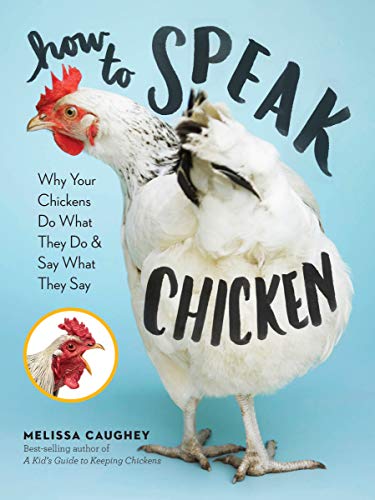
- BWP Score9.4
BWP Score is a ranking system developed by Bestwinterproducts.com. BWP score has no relationship or impact from any manufacturers or sales agent websites. Learn more
- BrandStorey Publishing

- BWP Score9.2
BWP Score is a ranking system developed by Bestwinterproducts.com. BWP score has no relationship or impact from any manufacturers or sales agent websites. Learn more
- BrandJoddguu

- BWP Score9.0
BWP Score is a ranking system developed by Bestwinterproducts.com. BWP score has no relationship or impact from any manufacturers or sales agent websites. Learn more
- BrandMAQIHAN

- BWP Score8.8
BWP Score is a ranking system developed by Bestwinterproducts.com. BWP score has no relationship or impact from any manufacturers or sales agent websites. Learn more
- BrandCozy Products
- BWP Score8.6
BWP Score is a ranking system developed by Bestwinterproducts.com. BWP score has no relationship or impact from any manufacturers or sales agent websites. Learn more
- BrandJoddguu

- BWP Score7.8
BWP Score is a ranking system developed by Bestwinterproducts.com. BWP score has no relationship or impact from any manufacturers or sales agent websites. Learn more
- BrandZEMIRO CHARGE
Last update on 2026-10-03 / Affiliate links / Images, Product Titles, and Product Highlights from Amazon Product Advertising API
FAQs
Do chickens get cold in unheated coops?
Chickens feel cold temperatures, but their bodies handle freezing weather far better than humans. Their dense down feathers and high body temperature create an effective barrier against the chill. As long as their coop stays dry and shielded from direct drafts, healthy adult chickens remain comfortable without added heat.
How cold is too cold for backyard chickens?
Most cold-hardy chicken breeds comfortably handle temperatures down to 0°F, and many do fine at minus 20°F in dry, draft-free coops. Cold becomes dangerous when paired with high humidity, frozen drinking water, or strong drafts at roost level. Watch for signs of distress, such as persistent shivering, pale combs, or reluctance to leave the roost, which indicate your flock needs extra wind and moisture protection.
How do chickens keep their bare feet and combs from freezing?
Chickens protect their feet by resting flat on wide wooden roosts, allowing their warm belly feathers to drape over their toes. They shield their combs and wattles by tucking their heads into their shoulder feathers, surrounding their bare skin with warm exhaled air. Keepers can also apply a thin layer of petroleum jelly to large combs during extreme cold snaps to block frostbite.
Do I need to put a heater in my chicken coop?
In most winter climates, you do not need a heater for adult, fully feathered chickens. Heating a coop stops birds from acclimating to the cold and introduces serious fire hazards. If you live in an area with prolonged sub-zero temperatures, use a safe, zero-clearance radiant flat panel rather than a dangerous high-wattage heat lamp.


Best Warm Winter Scarves 2026 For Cozy Comfort

Best Green Ski Goggles 2026 For Clear Vision On Slopes

12 Best Corner Electric Fireplace 2026: My Ultimate Guide To Pick One

Best Battery Powered Snow Blower 2026 For Effortless Snow Clearing

Best Ski Goggles Under 30 Inches For Crisp Vision And Comfort

Best Cooling Scarf 2026 For Instant Relief And Comfort

Fake Snow for Grass: Create a Realistic Winter Lawn Display

Dimplex Prism Wall Mount Fireplace: Sleek Heat With Modern Flame Style





