
How Do Chickens Survive the Winter Without Heat?

Most people assume backyard chickens are fragile birds that will quickly freeze without a heat lamp once winter arrives. In reality, adult birds manage freezing temperatures naturally by trapping air inside dense down coats and fueling a fast metabolism with extra feed. They tuck their bare feet beneath their warm breast feathers, huddle together on the roost, and share body heat all night long.
Their safety depends on keeping the coop dry rather than keeping it warm. Moisture from breath and droppings causes frostbite on exposed combs (the red crests on their heads), so coops need high vents that release damp air without creating direct wind drafts. Continuous access to unfrozen drinking water is just as critical for fueling their digestion. Understanding how their natural defenses work makes it simple to protect your flock all winter long without dangerous heaters.
The Short Version
- Feather insulation: Chickens trap pockets of body heat against their skin by puffing out down feathers, creating an internal shield against freezing air.
- Metabolic heat: With body temperatures between 105°F and 107°F, chickens stay warm by digesting feed and bedtime scratch grains overnight.
- Moisture is the real danger: Dry freezing air rarely harms healthy birds, but humid air from breath and droppings settles on skin, causing severe frostbite if coops lack high ventilation.
- Heaters cause hazards: Supplemental heat lamps pose serious barn fire risks and disrupt natural cold acclimation, leaving birds vulnerable if winter storms cut the power.
Natural Defenses: Feathers, Roosting, and High Metabolism
Chickens tolerate freezing weather far better than most first-time owners expect. While an unprotected person would quickly freeze, a healthy chicken carries its own personal insulation. Their bodies rely on three natural defenses to stay safe in deep freezes.
First, their plumage acts as high-grade natural insulation. Underneath smooth outer feathers lies a thick layer of soft down. In cold weather, a chicken fluffs its feathers out into a round ball. This traps pockets of air between down fibers, which the bird heats with its body warmth. As long as feathers stay dry, wind cannot penetrate this shield.
Second, chickens maintain an internal body temperature between 105°F and 107°F. Their digestive systems work continuously to turn calories into heat. When chickens eat grains before dark, their gizzards break down food through the night like a slow-burning stove, generating steady warmth.
Third, their sleeping posture protects bare extremities. Chickens sleep on a roost (a raised wooden bar where chickens sleep). When settling down, they crouch flat, covering shanks and toes with warm belly feathers. Just as people look for practical strategies on how to keep toes warm in the winter, a chicken tucks its feet under its warm core. A wide roosting board, such as a two-by-four with the broad four-inch side facing up, lets them sit flat over their toes so no skin stays exposed.
By day, chickens regulate blood flow through their legs. Warm blood flowing down warms cool blood returning upward. This circulatory setup protects core organs while keeping feet from freezing.
Why Moisture Kills Chickens Faster Than Freezing Air
The biggest mistake new flock owners make is sealing their coop airtight. Seeing snow tempts people to wrap every crack with plastic. While blocking direct wind gusts on sleeping birds is essential, sealing a coop completely traps moisture, which is far deadlier than cold air.
Chickens do not sweat, but they exhale water vapor with every breath. Even more moisture comes from their waste. Chickens do not urinate separately; their droppings contain all their liquid output. A small flock deposits pints of liquid onto the floor every night, releasing ammonia gas.
When a coop is sealed shut, warm, damp air rises toward the roof. As it hits the cold ceiling, it condenses into water droplets that drip back down. Wet air settles onto the comb (the fleshy red crest on a chicken's head) and the wattles (the fleshy skin flaps hanging below the beak). Dry skin handles low temperatures well, but wet skin freezes quickly, causing frostbite.
To keep the coop dry, you must maintain high-up ventilation (high openings that release humid air). These vents belong near the roofline, well above sleeping birds. Warm, damp air rises and escapes through these openings, pulling in fresh, drier air. Because airflow stays near the roof, chickens sit comfortably below without feeling a draft.
Bedding choice is equally critical. Always distinguish between clean straw and hay. Clean straw has hollow stalks that trap body heat and repel moisture, making it an excellent floor insulator. Hay absorbs moisture, molds quickly, and freezes into a solid block. Pine shavings combined with dry straw keep floors warm and dry.
The Heat Lamp Mistake: Why Supplemental Heat Causes Harm
When freezing temperatures arrive, hanging a heat lamp inside the coop feels caring. But standard heat lamps are among the most dangerous tools you can place in a coop.
Fire is the greatest hazard. A standard heat bulb reaches high temperatures and usually relies on a simple metal clamp. Chickens flap their wings when flying up to roost or jockeying for space. A startled bird can easily knock a lamp loose. If that bulb lands on dry straw or shavings, the coop can catch fire in minutes, destroying the shelter.
Supplemental heat also interferes with natural winter acclimation. Chickens adapt to colder temperatures gradually throughout the fall, increasing feather density and adjusting metabolism as temperatures drop. If you heat the coop, your birds never develop cold hardiness.
This creates a dangerous vulnerability during winter storms. Heavy snow frequently causes power outages. If power cuts out overnight, an artificially heated coop can plummet from 50°F to below zero in under an hour. Chickens unaccustomed to cold cannot handle that thermal shock and can die. Unheated birds, by contrast, adapt day by day and sleep safely through power failures.
Heating a coop also warms damp droppings, speeding up bacterial growth and ammonia fumes. Adult chickens with full winter plumage do not need artificial heat to stay safe.
A Daily Winter Routine to Protect Your Flock
Protecting your flock through winter does not require complex gadgets. A simple chore routine supports their natural biology. Follow these four daily steps:
- Provide Unfrozen Drinking Water All Day: Chickens cannot eat snow for hydration. Without water, chickens stop eating, which shuts down their internal heat production. Check waterers in the morning and afternoon to break away ice, or use a pet-safe heated water base beneath a metal fount. A pet-safe heated water bowl also keeps water open in freezing runs.
- Feed High-Energy Grains at Bedtime: Scatter scratch grains or black oil sunflower seeds twenty minutes before dusk. Chickens fill their crops before roosting. Digesting heavy grains takes hours of mechanical work inside their gizzard, creating internal warmth that radiates through their bodies during the coldest pre-dawn hours.
- Keep Bedding Thick and Dry: Maintain several inches of pine shavings and clean straw on the coop floor. Use a pitchfork weekly to turn over the top layer, burying droppings. Clean straw has hollow stalks that trap body heat and repel moisture, forming an insulating pad over frozen ground. Shovel out wet spots around waterers immediately.
- Set Up a Wind-Shielded Outdoor Run: Chickens dislike being trapped indoors all winter. Just as people find helpful ways on how to keep warm in winter outdoors by blocking the cold wind, chickens will gladly spend sunny days outside if shielded from gusts. Wrap the windward side of your run with clear plastic sheeting or tarps to block wind. Scatter straw over snow in the run so bare feet do not rest on ice.
Spotting Frostbite Early: A Health Checklist
Even in a well-managed coop, bitter cold snaps can sometimes nip large combs and wattles. Check your birds each morning using this visual checklist:
- Stage 1 (Pale, Chalky Skin): The points of the comb or edges of the wattles turn pale gray or chalky white. This signals that blood vessels have constricted to pull heat inward.
- Stage 2 (Swollen, Hard Tissue): As frozen skin slowly thaws, the comb swells, feels firm or leathery, and may develop clear fluid blisters.
- Stage 3 (Black, Shriveled Points): Severely damaged tissue dies, turning dark purple and then black. These blackened tips dry out and become brittle.
If you notice frostbite, act carefully to prevent further harm. Never rub frostbitten skin with your hands or a cloth. Rubbing breaks delicate ice crystals inside the tissue, tearing skin cells. Never apply direct heat from hairdryers, heating pads, or hot water, which burns tissue.
Allow the bird to warm up naturally in a draft-free space. If tissue is stiff or irritated, you can gently hold a cloth soaked in lukewarm water (never hot water) against the area to soothe it. To protect healthy skin on large combs during extreme cold, coat dry points with a thick barrier ointment, such as plain petroleum jelly or wax balm. Apply this barrier only to completely dry skin, as putting ointment over wet skin traps moisture against the comb. Leave blackened tips alone; they will dry up and fall off naturally if the coop stays clean and dry.
What to Look for in Winter Flock Guidebooks
Planning your winter coop setup is easier with a dependable printed reference on your workbench. When evaluating winter care guidebooks, focus on resources that emphasize sound coop design and natural biology rather than dangerous electrical gadgets.
Choose guidebooks that include clear layout diagrams showing proper coop ventilation. A helpful guide explains how to position high-wall vents so humid air escapes without chilling sleeping birds. It should also outline deep bedding methods step by step, showing how to manage floor litter to insulate against ground frost without building up dust or mold.
A good guide should also cover breed cold-hardiness, explaining which chicken breeds tolerate severe freezes naturally, especially birds with small pea or cushion combs and dense feathering. Most importantly, check that the author advises against hanging open heat bulbs. A reliable guide promotes fire-safe, practical husbandry methods that help your flock thrive naturally in sub-zero conditions.

- BWP Score10.0
BWP Score is a ranking system developed by Bestwinterproducts.com. BWP score has no relationship or impact from any manufacturers or sales agent websites. Learn more
- BrandMajosta

- BWP Score10.0
BWP Score is a ranking system developed by Bestwinterproducts.com. BWP score has no relationship or impact from any manufacturers or sales agent websites. Learn more
- BrandN/A

- BWP Score9.8
BWP Score is a ranking system developed by Bestwinterproducts.com. BWP score has no relationship or impact from any manufacturers or sales agent websites. Learn more
- BrandN/A
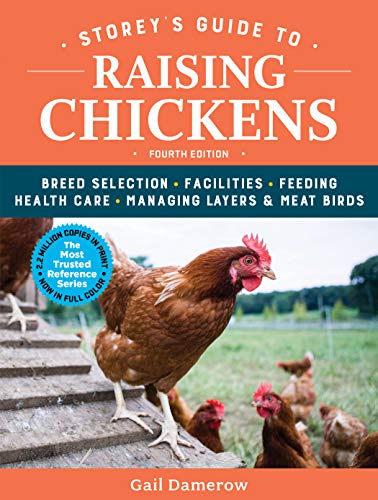
- BWP Score9.6
BWP Score is a ranking system developed by Bestwinterproducts.com. BWP score has no relationship or impact from any manufacturers or sales agent websites. Learn more
- BrandStorey Publishing

- BWP Score9.6
BWP Score is a ranking system developed by Bestwinterproducts.com. BWP score has no relationship or impact from any manufacturers or sales agent websites. Learn more
- BrandGlobe Pequot Press

- BWP Score9.6
BWP Score is a ranking system developed by Bestwinterproducts.com. BWP score has no relationship or impact from any manufacturers or sales agent websites. Learn more
- BrandN/A

- BWP Score9.4
BWP Score is a ranking system developed by Bestwinterproducts.com. BWP score has no relationship or impact from any manufacturers or sales agent websites. Learn more
- BrandCallisto
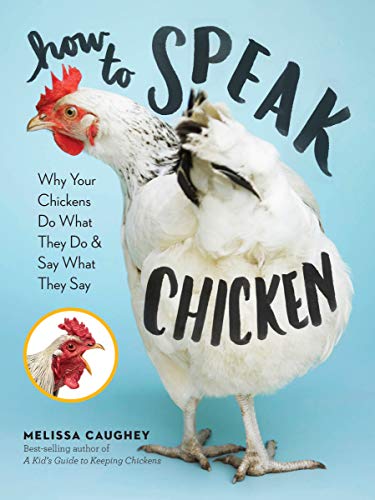
- BWP Score9.4
BWP Score is a ranking system developed by Bestwinterproducts.com. BWP score has no relationship or impact from any manufacturers or sales agent websites. Learn more
- BrandStorey Publishing

- BWP Score-
BWP Score is a ranking system developed by Bestwinterproducts.com. BWP score has no relationship or impact from any manufacturers or sales agent websites. Learn more
- BrandMajosta

- BWP Score-
BWP Score is a ranking system developed by Bestwinterproducts.com. BWP score has no relationship or impact from any manufacturers or sales agent websites. Learn more
- BrandN/A
Last update on 2026-10-03 / Affiliate links / Images, Product Titles, and Product Highlights from Amazon Product Advertising API
FAQs
How cold can chickens survive before freezing?
Healthy adult chickens easily handle temperatures down to 0°F, and survive below -10°F in a dry, draft-free coop. Their survival depends on staying dry and protected from wind rather than air temperature alone. As long as feathers stay dry and birds can roost together off the ground, their natural down insulation protects them.
Do chickens need a heater inside the coop?
Adult chickens do not need a coop heater under normal winter conditions. Heat lamps present an extreme fire hazard near dry bedding, dust, and flapping birds. Supplemental heat also stops birds from developing natural cold tolerance, leaving them vulnerable to fatal shock if a winter storm knocks out electrical power overnight.
How do chickens keep their bare feet warm?
Chickens protect their feet by crouching flat over a wide roost at night, covering bare shanks and toes with warm breast feathers. Their legs also use a countercurrent circulatory system that warms cool blood before it returns to the body core. By day, chickens often stand on one foot, tucking the other into their belly feathers before switching feet.
What should you feed chickens to keep them warm in winter?
Feed your flock balanced layer feed throughout the day, and offer a handful of scratch grains or black oil sunflower seeds just before dusk. Digesting hard grains in the gizzard requires hours of active muscular breakdown overnight. This digestive process acts like a slow-burning internal heater, releasing metabolic warmth while chickens sleep on their roost.


Best Warm Winter Scarves 2026 For Cozy Comfort

Best Green Ski Goggles 2026 For Clear Vision On Slopes

12 Best Corner Electric Fireplace 2026: My Ultimate Guide To Pick One

Best Battery Powered Snow Blower 2026 For Effortless Snow Clearing

Best Ski Goggles Under 30 Inches For Crisp Vision And Comfort

Best Cooling Scarf 2026 For Instant Relief And Comfort

Fake Snow for Grass: Create a Realistic Winter Lawn Display

Dimplex Prism Wall Mount Fireplace: Sleek Heat With Modern Flame Style





