
How Do Portable Oil Heaters Work?

A quiet click sounds as the power switch lights up, but the metal fins stay cool to the touch and no fan hums to life. An electric coil at the base warms a reservoir of permanently sealed oil, which flows through the metal columns to spread steady, silent radiant heat without burning any fuel. The liquid stays trapped inside for the life of the machine, so it never produces fumes or needs a refill.
How quickly that comfort fills a room depends on your ceiling height, how cold the space is at the start, and the electrical power setting on the dial. Unlike noisy fan units that blast instant air, these radiators need about fifteen minutes to heat the internal fluid before that stored warmth gently carries across the room. Understanding this internal cycle helps you get the most comfort out of every setting.
How Electricity and Sealed Oil Create Heat
A portable oil heater looks like a vintage cast iron radiator, but it runs entirely on household electricity. Many people assume these appliances burn oil or consume fuel like a kerosene lamp or a diesel heater. In reality, no combustion takes place inside the unit. The heater plugs straight into a standard 120-volt electrical wall outlet, using electricity as its sole energy source.
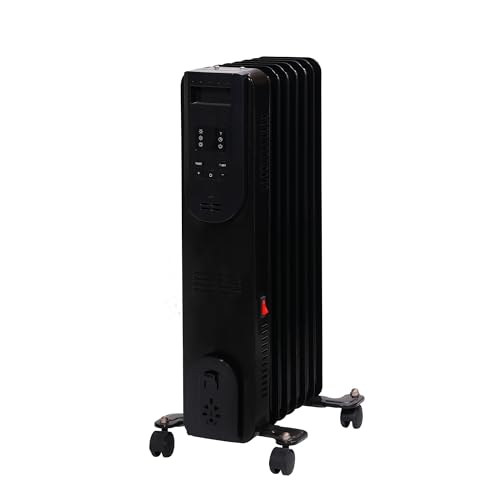
At the bottom of the metal housing sits an electric heating coil (an electric heating element that gets hot when power flows through it). Surrounding this coil is a reservoir filled with diathermic oil (a specialized heat-holding liquid sealed permanently inside the heater). When you turn the heater on, electricity energizes the metal coil. The coil rapidly heats up and transfers its warmth directly into the surrounding liquid.
The oil does not serve as fuel. It acts as a heat sponge and a thermal transfer liquid. Because the fluid never burns, evaporates, or breaks down, the reservoir is welded completely airtight at the factory. You never need to add oil, change fluid, or check levels. In fact, attempting to open the radiator body will break the factory seal, ruin the unit, and void your warranty.
Since the unit does not burn fuel, it produces zero exhaust, zero soot, and zero carbon monoxide. You can safely run an oil radiator in a closed bedroom or a home office without venting pipes or worrying about indoor fumes.
The liquid moves through the radiator via natural fluid circulation. As the electric heating coil warms the oil at the base, that liquid expands slightly and becomes lighter. It floats upward into the hollow metal fins, transferring heat into the outer steel body. As the oil cools near the top, it becomes denser and sinks back down along the outer channels to the bottom, where the heating coil warms it again. This internal loop runs continuously without any mechanical pumps or moving parts, keeping the process completely silent.
How Heat Moves: Natural Airflow, Radiation, and Thermal Retention
Unlike standard ceramic space heaters, an oil radiator contains no internal fan, no blower motor, and no spinning blades. It warms your room through two natural processes happening at once: natural convection (warm air rising on its own) and radiant heat (gentle heat that warms people and furniture directly like sunlight).
Natural convection begins at the floor. Because cool air is heavier than warm air, cooler room air settles near the baseboards and enters the open space beneath the radiator fins. As this air contacts the hot exterior steel, it warms, expands, and floats upward toward the ceiling. This upward movement creates a gentle chimney effect, drawing more cool floor air into the bottom of the heater. Over time, this natural cycle circulates warmth through the entire room without blowing dust, pet hair, or allergens into the air.
At the same time, the wide steel fins emit radiant thermal waves. These waves travel outward in straight lines, directly warming your body, bedding, flooring, and furniture. Those warm surfaces then hold their own heat, creating a steady, deep comfort that feels much warmer than heated air alone. This dual heating action makes oil radiators especially helpful in drafty spaces, similar to how homeowners rely on the best electric heater for garage with thermostat control to keep out cold drafts without stirring up dirt.
Because the heater warms heavy metal and liquid rather than blowing hot air, it takes 15 to 20 minutes to reach full warmth. This delay is known as startup lag. An electric coil can heat up quickly, but warming gallons of dense liquid and heavy steel fins requires patience. However, this dense construction provides high thermal mass (materials that take time to absorb heat, but hold onto it for a very long time).
That thermal mass pays off in steady heat retention. When the room reaches your target temperature and the thermostat clicks off, the hot oil and steel continue radiating warmth for 30 to 45 minutes without drawing any electricity. Instead of the jarring hot and cold cycles typical of fan-forced heaters, your room stays wrapped in steady comfort. This lasting warmth makes these radiators ideal for draft-prone rooms, just like people experience when choosing the best heater for enclosed porch spaces or three-season rooms.
Living with an Oil Radiator: Everyday Sounds, Startup Odors, and Safe Placement
An oil-filled radiator is simple to use, but a few normal sounds and smells can puzzle first-time owners. Understanding what to expect helps you run your heater comfortably and spot genuine safety hazards.
The most common sound is a sharp metallic click, which simply indicates that the built-in thermostat has reached its target temperature and clicked the heating coil off or on. You may also hear gentle pinging, ticking, or clicking sounds as the heater warms up or cools down. This is completely normal thermal expansion. Steel expands slightly when hot and contracts as it cools, causing the metal fins to shift microscopically against their mountings. You might also hear a soft fluid gurgle for the first few minutes after turning the unit on, which is just air pockets rising to the top of the fluid channels after storage.
A faint burning smell during the first few hours of operation is also normal. Factories coat the exterior steel with light protective oils to prevent rust during shipping and storage. When you first turn the heater on, those oils cure and burn off harmlessly. To avoid odors indoors, run a brand-new unit on high in a well-ventilated garage or near an open window for two hours before placing it in your living room.
To ensure safe daily heating, follow these essential room placement guidelines:
- Keep a 3-foot safety buffer: Maintain at least 3 feet (36 inches) of open clearance on all sides between the radiator and combustible items like drapes, bedding, clothing, and upholstered furniture.
- Plug directly into a wall outlet: A standard 1,500-watt heater draws roughly 12.5 amps on high. Never plug it into an extension cord, power strip, or surge protector, as high continuous current can cause secondary plugs to overheat and spark fires.
- Keep the heater upright on level flooring: Always run the radiator standing upright on flat, firm floors. Never place it on thick, shaggy rugs that could block bottom airflow or cause the unit to tip. An upright posture ensures the internal heating coil stays completely submerged in oil.
- Check the wall plug temperature: Touch the wall plug periodically. It is normal for the plug to feel warm, but if it feels hot, smells like burning plastic, or trips your 15-amp breaker repeatedly, turn the heater off, unplug it, and consult a licensed electrician.
- Avoid moisture and standing water: Never run a standard portable oil radiator in bathrooms or laundry rooms where splashes or steam can enter the electrical housing, unless the unit has a listed water-resistant rating.
What to Look for in a Portable Oil Radiator
When selecting an oil-filled radiator for supplemental warmth, focusing on practical electrical and design features will help you pick the right model for your room size.
Look for a model with multiple heat settings. Most standard units offer three power levels, such as low, medium, and high (often drawing 600 watts, 900 watts, and 1,500 watts). Having multiple power levels allows you to adjust your electrical power draw to match the weather. Running on a lower wattage setting also prevents overloading shared 15-amp household circuits when other appliances are plugged into the same room.
Size the heater according to the 10-watt rule. In typical US homes, plan for roughly 10 watts of heating power per square foot of living space. A 1,500-watt model works best for a closed 150-square-foot bedroom or provides focused zone heating in a section of a larger living room.
Check the controls and safety listings. Simple manual dials are durable, budget-friendly, and easy to adjust by feel in the dark. Digital models offer precise temperature readouts, timers, and remote controls for convenience. For safety, verify that the product label carries a certified safety mark from an organization such as UL or ETL. Confirm that the heater includes an automatic overheat sensor that shuts the unit off if internal parts get dangerously hot, as well as a tip-over safety switch that cuts power instantly if the unit is knocked over or tilted. Finally, look for sturdy caster wheels and a molded carry handle to make rolling the heavy steel body between rooms effortless.

- BWP Score9.3
BWP Score is a ranking system developed by Bestwinterproducts.com. BWP score has no relationship or impact from any manufacturers or sales agent websites. Learn more
- BrandROVSUN
- BWP Score9.2
BWP Score is a ranking system developed by Bestwinterproducts.com. BWP score has no relationship or impact from any manufacturers or sales agent websites. Learn more
- BrandComfort Glow Portable Electrics

- BWP Score8.0
BWP Score is a ranking system developed by Bestwinterproducts.com. BWP score has no relationship or impact from any manufacturers or sales agent websites. Learn more
- BrandElectactic

EZ-HEAT Oil-Filled Radiant Radiator Space Heater, Never Refill, Adjustable Thermostat,
View on Amazon- BWP Score7.5
BWP Score is a ranking system developed by Bestwinterproducts.com. BWP score has no relationship or impact from any manufacturers or sales agent websites. Learn more
- BrandEZ-HEAT
Last update on 2026-10-16 / Affiliate links / Images, Product Titles, and Product Highlights from Amazon Product Advertising API
FAQs
What happens if a portable oil heater gets knocked over?
Modern certified oil radiators include a built-in tip-over safety switch that cuts power instantly if the unit is knocked over or tilted. The electrical current to the heating coil stops immediately, preventing fire hazards. If your heater falls, turn it off, unplug it from the wall, stand it upright on a flat surface, and wait 15 minutes for the internal fluid to settle before turning it back on.
Can you safely leave an oil-filled radiator running all night?
Yes, oil-filled radiators are among the safest space heaters to leave running overnight in a bedroom because they have no exposed red-hot wires, no combustion, and no blowing fans. Make sure to keep the heater at least 3 feet away from blankets and curtains, plug it directly into a wall outlet, and set the thermostat so the unit cycles on and off naturally during the night.
Do portable oil heaters use less electricity than fan-forced heaters?
Both styles of heater use the same amount of electricity when running at their highest setting, typically drawing 1,500 watts. However, an oil radiator often feels more efficient over long periods because its dense oil and steel fins hold heat for 30 to 45 minutes after the unit cycles off. This lingering thermal warmth prevents sudden room temperature drops, keeping you comfortable without constant power draw.
.jpg)

Best Warm Winter Scarves 2026 For Cozy Comfort

Best Green Ski Goggles 2026 For Clear Vision On Slopes

12 Best Corner Electric Fireplace 2026: My Ultimate Guide To Pick One

Best Battery Powered Snow Blower 2026 For Effortless Snow Clearing

Best Ski Goggles Under 30 Inches For Crisp Vision And Comfort

Best Cooling Scarf 2026 For Instant Relief And Comfort

Fake Snow for Grass: Create a Realistic Winter Lawn Display

Dimplex Prism Wall Mount Fireplace: Sleek Heat With Modern Flame Style





