
How Do Stray Cats Stay Warm in Winter?

A quick flash of fur darts beneath the porch steps on a freezing morning, vanishing into the shadows as ice glazes the driveway. Stray cats survive these brutal months by growing dense winter undercoats and squeezing into tight, sheltered spots that trap their radiant body heat.
A cat's actual survival hinges on a few critical factors: staying completely dry, blocking the wind, and taking in extra calories. Wet fur loses its insulating power right away, and biting drafts quickly pull warmth from a shivering body. Finding unfrozen water and calorie-dense food gives them the fuel they need to keep their core temperature up through the night. Here is how neighborhood cats protect themselves against harsh weather and how thoughtful caregivers can safely support them.
How Stray Cats Use Body Heat and Secret Hiding Spots to Survive
Outdoor cats rely on built-in physical defenses to withstand dropping winter temperatures. In late autumn, an outdoor cat grows a plush winter undercoat. This dense layer of soft hair sits directly against the skin beneath the longer outer guard hairs. The undercoat traps tiny pockets of still air, creating natural insulation (material that blocks cold and traps heat). When chilly winds blow, a cat fluffs its fur outward. This expands the trapped air layer, keeping core body heat from escaping.
Body posture plays an equally vital role in preserving warmth. Cats do not leave their legs or bellies exposed on frozen surfaces. Instead, an outdoor cat tucks its paws under its chest, drops its chin, and wraps its tail tightly around its nose and feet. This spherical posture minimizes the surface area exposed to freezing drafts. It also shields the hairless paw pads and thin ear skin, which are most vulnerable to frostbite.
Feral cats often rely on each other for warmth during harsh conditions. A feral cat is an unsocialized cat that avoids humans and lives outdoors full-time. In established colonies, feral cats crowd together inside cramped shelters, sleeping piled on top of one another. This shared body heat allows them to survive bitter cold snaps that could overwhelm a solitary cat.
Finding the right hiding spot is a matter of survival when winter storms hit. Stray cats search for small spaces that block wind and shed moisture. They squeeze into crawlspaces beneath wooden porches, hide under storage sheds, slip into open barns, or burrow deep into brush piles. Wind chill strips body heat away faster than still air, so cats prioritize small, draft-free pockets over large, open areas.
One common and dangerous winter hiding spot is beneath a parked car's hood. When a vehicle shuts off, the engine block radiates heat for hours. Chilled cats climb through the wheel well to sleep directly against the warm metal. If a driver starts the engine while a cat is huddled inside, moving belts and fans can cause severe or fatal injuries. Anyone parking outside in winter should thump hard on the hood or honk the horn before turning the key. This warning gives sleeping cats time to leap out and run to safety.
Why Blankets Freeze and How Straw Saves Outdoor Cats
The biggest mistake well-meaning animal lovers make is putting folded blankets, bath towels, or old sweaters inside an outdoor cat shelter. It seems natural to give a shivering cat the same soft bedding you would enjoy indoors. In freezing weather, however, fabric does the exact opposite of what you want.
Outdoor air carries moisture, and cats track snow, slush, and damp mud directly on their paws. Cotton and wool fabrics act like sponges, soaking up moisture from the atmosphere and wet fur. Cotton traps sweat and stays cold. Once a blanket gets damp, freezing nighttime temperatures turn the fabric into a solid block of ice. Instead of insulating the cat, the frozen blanket drains heat straight out of the animal's body. This rapid heat loss leads directly to hypothermia (a dangerously low body temperature that causes internal organs to shut down).
Hay is another common item that causes real harm. Many caregivers confuse hay with straw, but they are completely different materials. Hay is dried animal feed made from green grasses and field plants. Because it is meant for livestock to eat, hay absorbs and holds dampness, rots quickly, and grows harmful mold. When placed inside an outdoor cat house, hay draws in humidity, turns soggy, and freezes into a hard, frigid slab.
Clean straw is the only bedding you should pack inside an unheated outdoor cat shelter. Straw consists of hollow dry plant stalks that repel water instead of absorbing it. Because the stalks are hollow tubes filled with air, they provide exceptional insulation. When an outdoor cat crawls into a shelter packed with clean straw, it can burrow down into the stalks. The straw traps the cat's radiant body warmth while repelling any snow or moisture dripping from its coat.
To prepare a shelter properly, place a generous pile of loose straw inside so it fills about half the interior space. Do not pack it down tightly. Loose straw allows the cat to push into the center, creating a warm nesting bowl that wraps completely around its body. Check the shelter every few weeks to make sure the straw remains clean and dry. If it ever looks damp or smells stale, remove it and replace it with fresh, fluffy stalks.
Fueling Feral Cats With Food, Water, and Smart Shelter Setup
Keeping an outdoor cat warm starts from the inside out. A cat burns through a huge number of calories just to maintain a steady internal body temperature during freezing weather. Stray cats living outside through the winter months need significantly more food than they consume during mild seasons.
Dry kibble is essential for winter feeding stations because it never freezes solid. Choose a dry food that lists animal protein and healthy fats near the top of the ingredients list, since dietary fat fuels a cat's internal furnace. Wet canned food provides wonderful nutrition, but it turns into a block of ice within an hour if temperatures drop below freezing. If you feed wet food, serve it slightly warmed and check back so the cats eat it before it stiffens.
Access to liquid drinking water is just as critical as high-calorie food. Dehydration makes cats weak, dulls their winter undercoats, and leaves them far more susceptible to cold stress. During a hard freeze, puddles and birdbaths lock up completely. Never pour water into a metal bowl outdoors. A cat's wet tongue can instantly freeze and stick to bare steel, causing painful tearing. Instead, choose heavy plastic bowls with thick walls that slow down ice formation. Nesting two plastic bowls together with foam insulation between them also slows freezing. If you have an outdoor electrical outlet, a pet-safe heated water bowl keeps water liquid all winter long.
If you are setting up or building an outdoor shelter for stray neighborhood cats, keep the design compact and functional. A shelter that is too large will never retain enough body heat to keep a cat warm. Just as humans need smart clothing layers and practical steps on how to keep warm in winter outdoors, stray cats rely on tight physical boundaries to survive sub-zero weather.
Use this quick shelter checklist before placing a winter cat house in your yard:
- Keep the dimensions small: Limit the interior to roughly eighteen inches by twenty-four inches. A smaller interior allows one or two cats to warm the enclosed air space using their own radiant body heat.
- Elevate the base: Raise the shelter three to six inches off frozen soil, concrete, or snow using wooden pallets, spare boards, or bricks. Lifting the floor stops ground frost from soaking through the bottom.
- Provide dual escape doors: Cut or verify two separate door openings, each about six inches in diameter. If a predator approaches the front entrance, the cat can safely bolt out the rear escape flap.
- Block drafts with door flaps: Hang clear vinyl flaps or flexible plastic strips over the doorways to stop icy wind from blowing directly into the sleeping chamber.
- Angle the roof and face away from wind: Ensure the roof has a slight slope to shed rain and melting snow, and face the entry door toward a wall or fence to block prevailing gusts.
Choosing Safe Winter Shelters and Warming Pads
If you prefer to buy a pre-made winter cat house rather than building one from scrap materials, several styles of outdoor pet gear offer reliable protection. When shopping for an outdoor shelter, prioritize models built with thick, weather-resistant outer walls such as heavy-gauge polyester, solid wood, or durable molded plastic. Look for structures that feature built-in foam insulation between the walls to seal out freezing drafts.
Examine how the shelter manages moisture and elevation. A quality shelter should include raised legs or a waterproof base that keeps the floor elevated away from ice and slush. Check that the roof is waterproof and sloped so melting snow runs off instead of pooling. Also verify that the shelter has dual escape openings, since cats hesitate to enter enclosed spaces if they fear getting trapped.
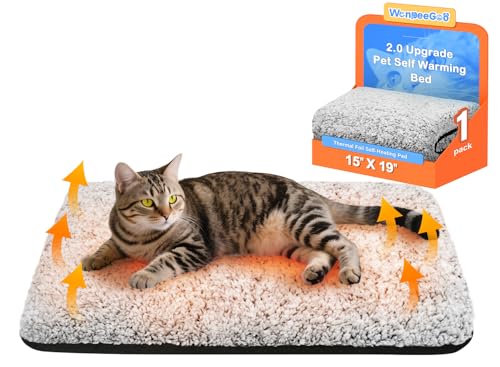
For extra warmth inside the shelter, consider adding self-warming thermal pet mats. These passive warming pads do not require electrical cords or wall outlets. Instead, they feature an inner layer of heat-reflecting foil wrapped in soft insulating batting beneath a fleece cover. When a cat curls up on the pad, the reflective foil bounces the animal's natural body heat directly back to its skin and fur. These mats provide a safe, cord-free source of steady warmth that works wonders in sheds, barns, and covered porches.
If you choose an electrically heated outdoor shelter, confirm that it uses a pet-safe heating pad specifically listed for outdoor animal use. Pet-safe outdoor pads operate at low wattages, maintain a gentle temperature matching a cat's natural body heat, and feature steel-wrapped, chew-resistant cords. Never place an ordinary indoor human heating pad or an unshielded heat lamp inside an outdoor shelter. Indoor pads lack waterproofing, can short-circuit in wet snow, and get hot enough to burn delicate feline skin. Clamp-style heat lamps pose severe fire hazards if bumped by a startled cat. Always stick to purpose-built outdoor gear that keeps neighborhood strays protected without introducing dangerous electrical risks.

- BWP Score10.0
BWP Score is a ranking system developed by Bestwinterproducts.com. BWP score has no relationship or impact from any manufacturers or sales agent websites. Learn more
- BrandSmartTail

- BWP Score9.4
BWP Score is a ranking system developed by Bestwinterproducts.com. BWP score has no relationship or impact from any manufacturers or sales agent websites. Learn more
- BrandEursurePet

- BWP Score9.2
BWP Score is a ranking system developed by Bestwinterproducts.com. BWP score has no relationship or impact from any manufacturers or sales agent websites. Learn more
- BrandK&H Pet Products

- BWP Score9.2
BWP Score is a ranking system developed by Bestwinterproducts.com. BWP score has no relationship or impact from any manufacturers or sales agent websites. Learn more
- BrandBWOGUE
- BWP Score9.0
BWP Score is a ranking system developed by Bestwinterproducts.com. BWP score has no relationship or impact from any manufacturers or sales agent websites. Learn more
- BrandWanpeeGoo

- BWP Score9.0
BWP Score is a ranking system developed by Bestwinterproducts.com. BWP score has no relationship or impact from any manufacturers or sales agent websites. Learn more
- BrandJLSAME

- BWP Score8.4
BWP Score is a ranking system developed by Bestwinterproducts.com. BWP score has no relationship or impact from any manufacturers or sales agent websites. Learn more
- BrandWn's Day

- BWP Score8.2
BWP Score is a ranking system developed by Bestwinterproducts.com. BWP score has no relationship or impact from any manufacturers or sales agent websites. Learn more
- BrandFhiny

- BWP Score8.0
BWP Score is a ranking system developed by Bestwinterproducts.com. BWP score has no relationship or impact from any manufacturers or sales agent websites. Learn more
- BrandRunwosen

- BWP Score-
BWP Score is a ranking system developed by Bestwinterproducts.com. BWP score has no relationship or impact from any manufacturers or sales agent websites. Learn more
- BrandWOZUN
Last update on 2026-10-02 / Affiliate links / Images, Product Titles, and Product Highlights from Amazon Product Advertising API
FAQs
Can stray cats freeze to death in normal winter weather?
Yes, outdoor cats can freeze to death, especially when temperatures fall below thirty-two degrees Fahrenheit and wind chill is high. Wet fur, lack of dry shelter, and starvation dramatically speed up this risk. If an outdoor cat cannot find a dry spot out of the wind, hypothermia sets in quickly and can turn fatal overnight.
Where do stray cats go during heavy snowstorms?
During heavy blizzards, cats search for the tightest, driest micro-spaces they can access. They squeeze into crawlspaces under porches, under parked cars, inside window wells, or deep inside open garages and garden sheds. They often huddle together in these sheltered pockets for days at a time until the storm passes.
How can I keep outdoor cat food from freezing solid?
Feed dry kibble as the primary food source because dry food does not freeze or spoil in low temperatures. If you serve canned wet food, place the bowl inside an insulated feeding box and offer it at a consistent time each day so cats eat it immediately. You can also place the dishes on pet-safe warming discs or use bowls set in sunny, wind-protected corners.


Best Warm Winter Scarves 2026 For Cozy Comfort

Best Green Ski Goggles 2026 For Clear Vision On Slopes

12 Best Corner Electric Fireplace 2026: My Ultimate Guide To Pick One

Best Battery Powered Snow Blower 2026 For Effortless Snow Clearing

Best Ski Goggles Under 30 Inches For Crisp Vision And Comfort

Best Cooling Scarf 2026 For Instant Relief And Comfort

Fake Snow for Grass: Create a Realistic Winter Lawn Display

Dimplex Prism Wall Mount Fireplace: Sleek Heat With Modern Flame Style





