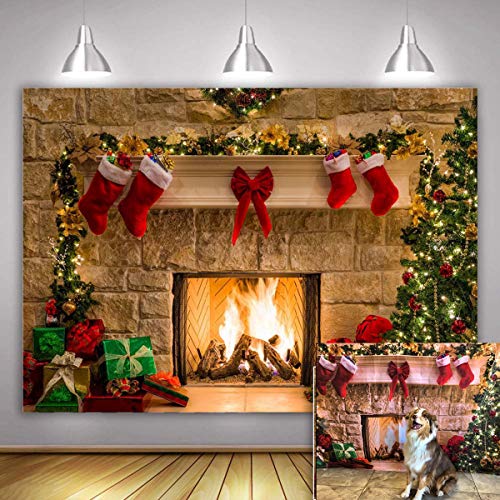
How Does a Fireplace Insert Work to Heat a Room?

Fixing a drafty hearth is far simpler than rebuilding a brick chimney. A fireplace insert is a sealed metal firebox designed to slide directly into an open hearth. Instead of letting warm air escape up the chimney, it draws in cool room air, warms it around an enclosed heating chamber, and pushes that heat back inside. It essentially converts an open draft into a reliable space heater.
The exact way it works depends on your setup. Electric models plug into a standard outlet without needing any venting, using an internal heating element or infrared tube. Gas and wood units burn fuel inside an airtight core and vent exhaust through a sealed liner run up the chimney. Many rely on a quiet internal fan to push that warm air across the room. Here is a clear look at how these systems capture heat and keep your room comfortable.
How does an insert stop cold drafts and heat loss?
A traditional open masonry fireplace feels cozy, but it is one of the most inefficient heating setups in any home. When you light a fire in an open hearth, the chimney pulls warm room air out of your living space. An open fireplace often sends more heated air up the flue than it radiates into the room. Once the fire dies down, that open chimney flue behaves like an open window in winter. Freezing outdoor air sinks into the hearth while furnace warmth escapes straight up the stack.
A fireplace insert solves this problem by turning an open cavity into a sealed heating system. The insert is a self-contained metal firebox (an inner fire chamber built from heavy steel or cast iron) that slides directly into your existing opening. Once in place, the insert creates a solid barrier between your living space and the cold chimney flue.
To stop drafts completely, you close the old flue or install a top-sealing damper. Learning how to close a fireplace damper ensures you block outside air from entering behind your unit. You also place thick fiberglass insulation strips around the perimeter of the casing. This stops cold air from leaking around the edges of the box, sealing your room off from drafts.
How does an insert push warmth into your room?
Traditional fireplaces radiate heat only from the face of the flames. When a wood fire burns, you feel warm only right in front of the hearth, while the rest of the room stays chilly. An insert changes this by moving air through built-in circulation chambers.
The unit draws cool air in from the floor through small intake slots along the bottom or sides of the frame. Inside, this air travels through a sealed passageway wrapping around the heated core. As the air passes over hot metal walls or electric elements, it absorbs thermal energy.
Next, a convection blower (a quiet internal fan that circulates warm air) pushes heated air out through a top heating vent or blower grille. This creates a gentle circular airflow across your room. Cool air enters the bottom, warms inside, and flows back out into the room.
The exact heating method depends on the design:
- Basic fan-forced coil heaters use an electric resistance wire paired with a blower fan. Cool air blows across the glowing wire coil and exits into the room. These work well for supplemental zone heating in spaces up to 400 square feet, letting you lower your main furnace thermostat.
- Infrared quartz heaters use special quartz tubes producing infrared light waves. Rather than just heating the air, infrared quartz warms people, floors, and furniture directly. This heat keeps natural room humidity so air does not feel dry, and warms spaces up to 1,000 square feet. If you have an open floor plan, choosing a firebox insert designed for large rooms provides that extra reach.
What is the difference between electric, gas, and wood inserts?
While all inserts fit inside an existing hearth opening, they generate and deliver heat through very different power sources.
Wood-burning inserts suit homeowners who want real logs and high heat output. These feature an airtight door with heat-resistant glass and a secondary burn system that burns wood smoke before it enters the flue. However, they require a full-length, flexible stainless steel chimney liner to the chimney cap. You also need to clean ash, store firewood, and schedule chimney sweeps.
Gas inserts burn natural gas or liquid propane across ceramic logs. They provide instant heat with the flip of a switch or remote control. Most use a sealed direct-vent system that pulls outdoor combustion air through one pipe inside your chimney and vents exhaust through a second pipe. Gas inserts deliver steady warmth, but require professional gas line installation and proper venting to prevent carbon monoxide risks.
Electric inserts offer the simplest setup because they require no fire, no gas lines, and no venting pipes. An electric firebox insert simply plugs into a standard 120-volt wall outlet. An internal heating element produces between 4,600 and 5,200 BTUs (a standard heat output measurement) on its maximum setting. Most models operate on two levels: a 750-watt low setting and a 1,500-watt high setting. Because there is no combustion, an electric unit is completely efficient, converting every watt of power directly into supplemental room warmth.
How do you measure, fit, and seal the opening?
Installing an insert begins with accurate measurements of your existing fireplace opening. If an insert is even a half-inch too large, it will not slide in. If it is too small, you will see wide gaps around the frame.
Grab a tape measure and record these key dimensions:
- Measure opening width at both the front and the back wall. Many brick fireboxes taper inward toward the rear, making the back narrower than the front.
- Measure opening height from the hearth floor to the lowest point of the top lintel (the horizontal support bar across the top opening). Measure at the left, center, and right.
- Measure usable depth from the front brick face to the back wall.
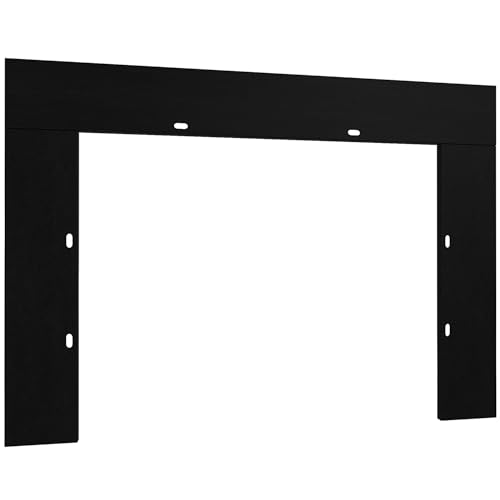
Once you have your dimensions, pick a unit that fits comfortably inside those limits. Most manufacturers offer a trim kit (an outer metal frame that covers gaps between the insert and the brickwork). This metal surround overlaps the exterior brick face, hiding leftover space around the insert for a clean look.
Before sliding the unit in, apply an adhesive fiberglass insulation strip along the back edge of the trim kit or around the insert perimeter to block stray drafts.
Safety is essential when connecting power. An electric insert drawing 1,500 watts pulls roughly 12.5 amps. Because a standard household circuit handles 15 amps, plug the unit into a dedicated circuit (an outlet that does not share its breaker with other power-hungry appliances like microwaves or hair dryers). Always plug the heavy three-prong plug directly into a wall receptacle. Never use an extension cord or power strip, as continuous heavy current can overheat thin wires and cause a fire hazard. Keep all blankets, curtains, upholstery, and area rugs at least 3 feet (36 inches) away from the front heating vent.
Can you enjoy the flames without running the heater?
One major advantage of an electric fireplace insert is the ability to separate the flame display from the heater function. Traditional wood and gas fires always produce intense heat whenever they burn, making them unusable during warm spring and summer evenings.
Electric models feature an independent flame-only mode. In this mode, the internal heating coil and blower fan stay shut off, while the flame display continues to run. You get the comforting glow of a hearth fire without adding warmth to the room.
The flame effect relies on simple, clever engineering. Behind a decorative log set or glass crystal bed, energy-efficient LED lights shine onto a spinning metal rod with reflective ribbons or mirror-like facets. As a small internal motor spins the rod, it reflects moving light onto a frosted rear screen. This creates the illusion of dancing, rolling flames.
Because the LED lights and small motor draw very little power, running the flame-only mode costs just pennies per day. When chilly weather arrives, you press a button on your remote control to switch on the 1,500-watt heating element. If you want a stylish unit that balances attractive flame patterns with steady heat output, looking into a well-built electric fireplace gives you the right mix of visuals and durability.
What should you look for before buying an insert?
If you are ready to update a drafty hearth or an empty opening, choosing the right kind of fireplace insert comes down to how much work you want to do and how you plan to heat the space.
If your old masonry fireplace has an intact chimney and you want high-output heating for severe winter weather, a sealed wood or direct-vent gas insert is an effective choice. However, keep in mind that these require professional flue installation, fuel lines, and ongoing maintenance to stay safe.
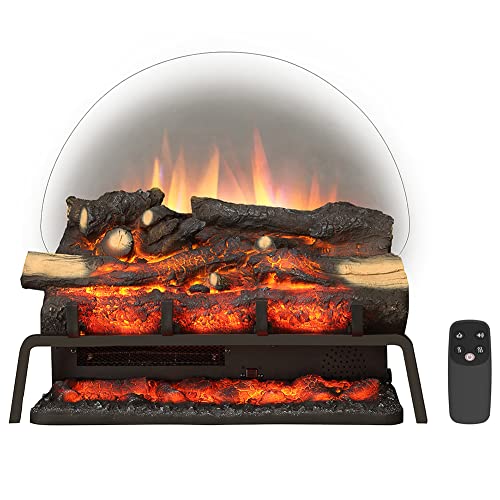
If you want quick supplemental heat, zero venting hassles, and total control over your room ambiance, a plug-in electric insert or an electric log set is the easiest solution. A full firebox insert gives you a finished, glass-fronted unit that fills the opening, while an electric log set sits right on your existing fireplace grate and projects realistic flames against your existing brick back wall.
Before making a choice, double-check your electrical setup. Make sure you have a wall outlet close enough that the power cord reaches without straining, and confirm that the circuit breaker can support a 1,500-watt draw without overloading. Check the location of the heat exhaust as well. If you plan to mount a television above the mantel, select a unit with a front-facing or bottom-facing heat vent, and maintain at least 8 to 12 inches of clearance between the top of the fireplace and your electronics.

- BWP Score9.8
BWP Score is a ranking system developed by Bestwinterproducts.com. BWP score has no relationship or impact from any manufacturers or sales agent websites. Learn more
- BrandORALNER

- BWP Score9.2
BWP Score is a ranking system developed by Bestwinterproducts.com. BWP score has no relationship or impact from any manufacturers or sales agent websites. Learn more
- BrandOxhark Flame

- BWP Score9.2
BWP Score is a ranking system developed by Bestwinterproducts.com. BWP score has no relationship or impact from any manufacturers or sales agent websites. Learn more
- BrandOxhark Flame

- BWP Score8.8
BWP Score is a ranking system developed by Bestwinterproducts.com. BWP score has no relationship or impact from any manufacturers or sales agent websites. Learn more
- BrandRiseon

COSTWAY 28.5-Inch Electric Fireplace Inserts, 750W/1500W Wall Recessed and Freestanding
View on Amazon- BWP Score8.8
BWP Score is a ranking system developed by Bestwinterproducts.com. BWP score has no relationship or impact from any manufacturers or sales agent websites. Learn more
- BrandCOSTWAY
- BWP Score8.8
BWP Score is a ranking system developed by Bestwinterproducts.com. BWP score has no relationship or impact from any manufacturers or sales agent websites. Learn more
- BrandRODALFLAME

- BWP Score8.8
BWP Score is a ranking system developed by Bestwinterproducts.com. BWP score has no relationship or impact from any manufacturers or sales agent websites. Learn more
- BrandRiseon

- BWP Score8.6
BWP Score is a ranking system developed by Bestwinterproducts.com. BWP score has no relationship or impact from any manufacturers or sales agent websites. Learn more
- BrandRUTLAND PRODUCTS
Last update on 2026-10-02 / Affiliate links / Images, Product Titles, and Product Highlights from Amazon Product Advertising API
FAQs
Do you need a chimney to run an electric insert?
No, an electric fireplace insert does not produce smoke, exhaust, or carbon monoxide, so it requires no chimney or venting pipes. You can place one inside an old masonry fireplace with the damper closed, or mount it inside an entertainment center or framed wall opening. All it requires to function is a standard three-prong wall outlet.
Can an electric insert heat an entire house?
No, an electric insert is designed for supplemental zone heating, not as a primary heat source for a whole home. With a maximum heat output between 4,600 and 5,200 BTUs, an insert warms the specific room you are spending time in, which allows you to turn down your central thermostat and lower your heating bills.
Is the front glass safe for children and pets?
Yes, the front viewing glass on most electric inserts stays cool to the touch because the heating element is separated from the display screen. However, you must always be mindful of the metal heating vent or blower grille where the hot air blows out, as that specific metal trim can get quite hot during operation.
Why did the heater suddenly stop blowing warm air?
The most common cause is a tripped overheat safety shutoff, which cuts power to the heater if dust blocks the intake vents or if airflow is restricted. To reset the unit, unplug the power cord from the wall outlet, check and clear any lint or pet hair from the intake vents, wait 10 to 15 minutes, and plug it back in. Also check your thermostat setting to confirm it is set higher than the current room temperature.


12 Best Corner Electric Fireplace 2026: My Ultimate Guide To Pick One

Dimplex Prism Wall Mount Fireplace: Sleek Heat With Modern Flame Style
Best Electric Fireplace Insert for Large Room Heating and Style

Best 40 Inch Electric Fireplace Insert 2026 - Cozy Ambiance with Modern Power
Top 12 Best Quality Electric Fireplace 2026 - Buying Guides

Best Wall Mount Electric Fireplace 2026 for Ultimate Comfort and Style

How to Start Monessen Fireplace: A Step-by-Step Guide

How to Whitewash Rock Fireplace: Simple Steps to Refresh Your Space