How Does a Pellet Fireplace Work?

Most people assume a pellet fireplace is just a traditional wood stove with different fuel, but it actually operates more like a miniature automated furnace. A motorized corkscrew rod slowly drops compressed wood pellets into a fire cup, where an electric element ignites them and internal fans push warm air into the room while venting smoke outside.
How smoothly the process works depends on a few practical details. The system requires a steady household electrical outlet to run its motors and sensors, meaning it cuts off during a blackout without a backup battery. Heating performance also shifts based on whether you have a freestanding stove or an insert, as well as routine ash cleaning to keep the airways open. Here is how every piece works together to keep your living space warm.
The Complete Heating Cycle from Storage Bin to Flame
A pellet fireplace looks like a traditional wood stove from the outside, but it operates more like an automated furnace. Everything starts when you pour a bag of dense wood pellets into the fuel storage bin, often called the hopper. This storage bin sits behind or above the firebox and holds enough fuel to run the fire for hours or days without manual reloading.
When you turn the unit on, the internal control board starts a motorized corkscrew rod, known as an auger. This long metal spiral turns slowly inside a tube. As it rotates, it lifts dry wood pellets out of the storage bin and drops them down a chute into the metal fire cup at the base of the firebox.
Inside that fire cup, an electric igniter heats up to glowing temperatures. At the same time, a smoke exhaust fan pulls fresh air straight through the perforations in the cup. That stream of superheated air causes the pellets to ignite into a bright flame within minutes.
Once burning, the appliance manages two separate air paths that never mix. The first path feeds combustion air to the flame and vents exhaust outside. The second path uses a room-heating fan to pull cool room air across the hot exterior walls of the firebox, circulating warm air back into your home.
Key Internal Components and What Each Does
Understanding how a pellet appliance works is simple once you see how each mechanical part handles a specific job:
- Fuel storage bin: A covered metal hopper that holds 35 to 80 pounds of wood pellets, keeping fuel dry and ready for automatic feeding.
- Motorized corkscrew rod: A slow-turning metal auger that lifts pellets out of the bin and meters them into the fire cup at a controlled pace.
- Metal fire cup: A heavy steel or cast-iron burn pot with bottom air holes that concentrates fuel and oxygen for high-heat combustion.
- Electric igniter: A heating element that glows red hot during startup, superheating incoming air to light the pellets without matches.
- Smoke exhaust fan: A small motorized blower that pulls combustion air into the fire and pushes exhaust gases out through the vent pipe.
- Room-heating fan: A quiet convection blower that draws cool air from your room, moves it across heated internal chambers, and delivers warm air into your living space.
- Control board and sensors: The central circuit board that monitors safety switches, controls motor speeds, and responds to your room thermostat.
How a Pellet Fireplace Starts, Feeds Fuel, and Controls Heat
A pellet fireplace handles lighting and refueling on its own. Here is the step-by-step sequence the appliance follows from a cold start to steady heating:
- The smoke exhaust fan turns on. Reason: It purges lingering fumes from the firebox and establishes an immediate vacuum draft.
- The motorized corkscrew drops a starter batch of pellets into the fire cup. Reason: The fire needs a small, measured fuel pile over the air holes so the igniter can heat it without choking airflow.
- The electric igniter rod superheats the incoming air. Reason: Wood pellets ignite when air temperatures reach roughly 500 degrees Fahrenheit.
- Combustion air pulls through the fire cup holes to light the pellets. Reason: High-velocity air feeding across the hot igniter element causes the pellets to catch fire within a few minutes.
- A heat sensor confirms the flame and starts continuous fuel delivery. Reason: The control board must detect heat before feeding more pellets, which prevents unburned fuel from filling the pot.
- The room-heating fan activates once the firebox warms up. Reason: Waiting until internal metal reaches operating temperature prevents the blower from pushing cold drafts into your room.
- The control board regulates feed speed based on your thermostat. Reason: The corkscrew motor turns faster when heating demand is high and slows down when your room reaches the target temperature.
- The shutdown sequence purges ash and vents remaining smoke safely. Reason: When turned off, the fuel stops feeding while the exhaust fan runs until all embers burn out completely.
Airflow, Exhaust Pipes, and Venting Systems
Unlike a traditional wood stove, a pellet fireplace does not rely on natural chimney draft to vent smoke. Wood stoves require tall chimneys because hot air must rise on its own. A pellet fireplace uses its motorized smoke exhaust fan to push combustion fumes through sealed piping under active mechanical pressure.
Because of this fan-forced draft, the venting pipe is compact, usually measuring only 3 or 4 inches in diameter. The pipe uses double-wall construction, featuring a stainless steel inner core and sealed silicone gaskets that prevent fine ash or exhaust from leaking into your living area.
This design offers versatile venting options. The exhaust pipe can run directly through an exterior wall with a protective wall thimble, run up through the roof, or travel inside an existing brick chimney using a flexible metal liner. When retrofitting a pellet insert into an existing masonry hearth, sealing the old chimney throat and learning how to close your fireplace damper prevents cold winter drafts from entering your living space around the new pipe.
Pellet fireplaces also maintain an airtight firebox using tight fiberglass door gaskets. Many setups include an outside air kit, which is a dedicated intake pipe that pulls fresh combustion air directly from outdoors. This keeps the fireplace from drawing heated air out of your home.
Electricity Requirements and Backup Power Options
One critical detail to keep in mind is that a pellet fireplace cannot run without electricity. Although it burns real wood fuel, the internal motors, fans, and sensors rely on household power.
The stove connects to a standard 120-volt wall outlet using a three-prong power cord. During startup, the electric igniter draws around 300 to 500 watts for ten minutes. Once the fire is burning, the igniter shuts off and electrical draw drops to 100 to 200 watts. This lower wattage powers only the circuit board, corkscrew motor, and both air fans. Plugging the unit into a dedicated circuit ensures other household appliances will not accidentally trip your circuit breaker.
During a power outage, the stove stops running immediately. The exhaust fan stops spinning, the fuel stops dropping, and the room-heating fan shuts down. Leftover pellets in the fire cup will slowly smolder out, but smoke can seep past door seals if your vent pipe lacks a vertical rise.
Homeowners who rely on pellet heat during winter storms use three common backup solutions:
- Uninterruptible power supply (UPS): A battery backup unit that provides 15 to 30 minutes of runtime, giving the stove enough power to complete an automated shutdown cycle safely.
- Deep-cycle battery with an inverter: A 12-volt battery paired with a pure sine wave inverter that powers the fans and auger motor for 8 to 12 hours. You must light the pellets manually to avoid draining the battery with the electric igniter.
- Portable generator: An outdoor generator that delivers steady electricity during extended blackouts, provided it supplies clean power that protects the stove's circuit board.
If managing mechanical fans and electrical backups seems too demanding, an electric fireplace insert for large room heating offers effortless warmth without venting or pellet storage.
Basic Cleaning Chores Needed to Keep It Running
Pellet fireplaces burn fuel efficiently, but their tight airways and motorized parts require routine care to prevent clogs and shutdowns.
- Scrape the fire cup every few days: Wood pellets contain minerals that fuse under intense heat, creating hard deposits called clinkers. Scraping the bottom of the fire cup clears the air holes so fresh combustion air can reach the flame.
- Empty the ash pan weekly: High-efficiency combustion leaves very little waste, but fine fly ash still accumulates. Empty the ash drawer weekly and vacuum the firebox base using a dedicated ash vacuum with a fine dust filter.
- Wipe the viewing glass: Fly ash forms a light haze on the ceramic glass. Wiping the cooled window with a dry paper towel every few days keeps the flame visible before heat bakes the soot into the glass.
- Clean the heat exchanger tubes: Most stoves feature an exterior scraper handle. Pulling and pushing this rod knocks loose soot off internal heat tubes, keeping warm air circulating efficiently into the room.
- Inspect gaskets and vent pipes annually: Check the fiberglass rope seal around the door each fall to ensure an airtight close. Sweep the exhaust vent pipe from end to end before winter to clear settled fly ash.
FAQs
Do pellet fireplaces produce real smoke and ash?
Yes, but in much smaller quantities than traditional log fireplaces. Because forced air burns the fuel at high temperatures, most smoke particles burn up inside the fire cup before reaching the vent. You may see a brief puff of white smoke outside during startup, but the exhaust runs virtually clear once the fire is established. The remaining waste is a fine, powdery ash that settles into an internal collection pan.
Can you burn regular firewood or paper in a pellet fireplace?
No, you should never place cordwood, twigs, cardboard, or paper inside a pellet fireplace. The motorized corkscrew rod and narrow fire cup are designed exclusively for uniform, compressed wood pellets. Burning traditional firewood or paper will jam the feed chute, smother the combustion air holes, and damage internal safety sensors.
How loud is a pellet fireplace during normal use?
A pellet fireplace sounds similar to a kitchen refrigerator or a low-speed microwave fan. The noise comes from the continuous hum of the room-heating fan, the exhaust blower, and the occasional clicking of pellets dropping down the metal feed chute. While it lacks the loud crackle of an open hearth, the steady sound is quiet enough that it will not interrupt normal conversation or television viewing.
How long does a 40-pound bag of wood pellets last?
A 40-pound bag of wood pellets typically lasts between 12 and 24 hours of continuous operation. On a low heat setting during mild fall days, a single bag can easily provide heat for a full 24 hours. When running the appliance on high during sub-freezing winter weather, the stove consumes fuel more rapidly, burning through a bag in roughly 12 to 14 hours.


12 Best Corner Electric Fireplace 2026: My Ultimate Guide To Pick One

Dimplex Prism Wall Mount Fireplace: Sleek Heat With Modern Flame Style
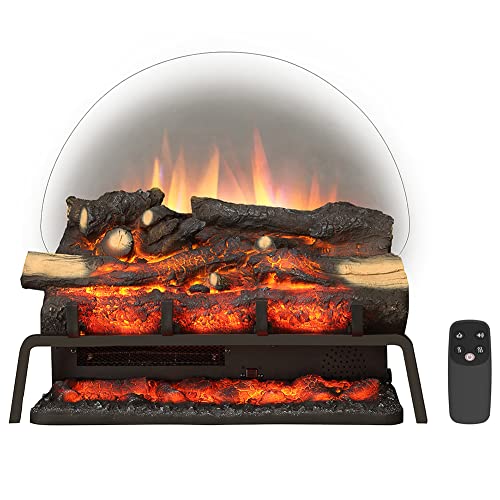
Best Electric Fireplace Insert for Large Room Heating and Style

Best 40 Inch Electric Fireplace Insert 2026 - Cozy Ambiance with Modern Power
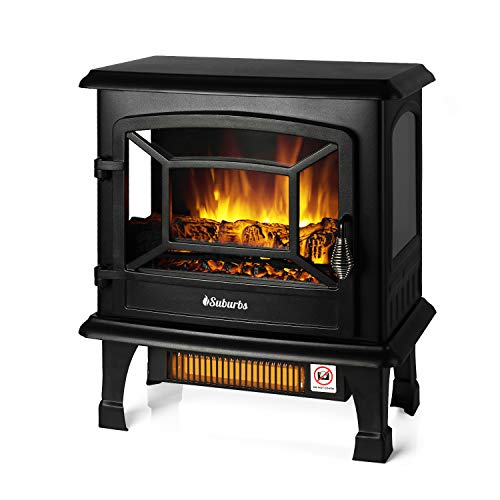
Top 12 Best Quality Electric Fireplace 2026 - Buying Guides

Best Wall Mount Electric Fireplace 2026 for Ultimate Comfort and Style

How to Start Monessen Fireplace: A Step-by-Step Guide

How to Whitewash Rock Fireplace: Simple Steps to Refresh Your Space