How Does a Ventless Gas Fireplace Work Explained

How does a ventless gas fireplace work is a question many homeowners ask when they want warmth without tearing into walls or adding a chimney. Unlike traditional fireplaces, this system burns gas in a tightly controlled way that allows nearly all heat to stay inside the room. Instead of venting exhaust outdoors, it relies on advanced burner design and precise air to fuel ratios to keep combustion clean. That clever setup means more usable heat and less wasted energy drifting away.
At the heart of the system is an oxygen depletion sensor, often called an ODS, which constantly monitors indoor air levels. If oxygen drops below a safe threshold, the fireplace automatically shuts off, no fuss and no guesswork involved. This safety mechanism works quietly in the background, giving peace of mind while the flames do their job. Paired with low emission burners, it helps the unit operate within strict safety standards.
Another key factor is efficiency, and this is where ventless fireplaces really shine. Because there is no flue pulling warm air out of the room, nearly all the heat produced stays where you want it. Rooms warm up faster, and the fireplace can maintain comfort using less fuel over time. For smaller living spaces or supplemental heating, that efficiency can feel like a real win.
Design flexibility also plays a role in why people lean toward this option. Ventless gas fireplaces can be installed in places where traditional units simply cannot go, such as apartments or interior walls. With realistic flame patterns and ceramic logs or glass media, they deliver ambiance along with heat. It’s a practical blend of comfort and style that fits modern living.

- BWP Score9.0
BWP Score is a ranking system developed by Bestwinterproducts.com. BWP score has no relationship or impact from any manufacturers or sales agent websites. Learn more
- BrandDuluth Forge

- BWP Score9.0
BWP Score is a ranking system developed by Bestwinterproducts.com. BWP score has no relationship or impact from any manufacturers or sales agent websites. Learn more
- BrandComfort Glow
- BWP Score8.8
BWP Score is a ranking system developed by Bestwinterproducts.com. BWP score has no relationship or impact from any manufacturers or sales agent websites. Learn more
- BrandDuluth Forge
- BWP Score8.8
BWP Score is a ranking system developed by Bestwinterproducts.com. BWP score has no relationship or impact from any manufacturers or sales agent websites. Learn more
- BrandDuluth Forge

- BWP Score8.8
BWP Score is a ranking system developed by Bestwinterproducts.com. BWP score has no relationship or impact from any manufacturers or sales agent websites. Learn more
- BrandDuluth Forge

- BWP Score8.4
BWP Score is a ranking system developed by Bestwinterproducts.com. BWP score has no relationship or impact from any manufacturers or sales agent websites. Learn more
- BrandDuluth Forge

- BWP Score8.2
BWP Score is a ranking system developed by Bestwinterproducts.com. BWP score has no relationship or impact from any manufacturers or sales agent websites. Learn more
- BrandDuluth Forge

- BWP Score7.8
BWP Score is a ranking system developed by Bestwinterproducts.com. BWP score has no relationship or impact from any manufacturers or sales agent websites. Learn more
- BrandDuluth Forge

- BWP Score7.8
BWP Score is a ranking system developed by Bestwinterproducts.com. BWP score has no relationship or impact from any manufacturers or sales agent websites. Learn more
- BrandDuluth Forge

- BWP Score7.6
BWP Score is a ranking system developed by Bestwinterproducts.com. BWP score has no relationship or impact from any manufacturers or sales agent websites. Learn more
- BrandDuluth Forge
Last update on 2026-05-13 / Affiliate links / Images, Product Titles, and Product Highlights from Amazon Product Advertising API
How a ventless gas fireplace creates heat without a chimney
How does a ventless gas fireplace work without sending smoke or heat outside is one of the first questions homeowners wrestle with. The core idea is surprisingly simple: the fireplace burns natural gas or propane so efficiently that nearly all combustion byproducts stay within safe indoor limits. Instead of losing warmth through a flue, the system is engineered to keep heat right where you feel it. That design choice alone explains why many people notice faster room heating.
The burner is carefully calibrated to mix gas and oxygen in precise proportions, producing a clean flame with minimal residue. This controlled combustion reduces soot, smoke, and odor compared to older fireplace designs. Because there’s no chimney draft pulling air upward, warm air naturally circulates around the room. The result feels more like a steady blanket of warmth than a blast of heat.
Another overlooked factor is how room air participates in the process. The fireplace draws oxygen from the space, burns fuel efficiently, then releases heat back into the same environment. That closed loop is what makes ventless systems so energy conscious. Homeowners often realize that less fuel is needed to maintain comfort, which can ease worries about rising utility bills.
This chimney free approach also removes a major installation barrier. Without venting requirements, placement becomes far more flexible, especially in homes where adding a flue would be costly or impossible. For people comparing options like electric fireplace logs, the appeal lies in stronger heat output and a more authentic flame. It’s a practical balance of performance and simplicity.
The role of oxygen depletion sensors in indoor safety
Safety concerns tend to dominate conversations around how does a ventless gas fireplace work, and for good reason. The oxygen depletion sensor, often called an ODS, acts as the system’s silent guardian. It continuously monitors oxygen levels in the room while the fireplace is operating. If those levels dip below a safe threshold, the gas supply shuts off automatically.
This mechanism isn’t a gimmick; it’s a required feature built to meet strict safety standards. The sensor doesn’t wait for smoke or discomfort to appear. It reacts early, cutting fuel before conditions become risky. That proactive response helps reduce anxiety for households with children or pets.
Beyond the ODS, modern units often include additional safeguards like pilot flame sensors and temperature controls. These features work together to ensure the fireplace only runs when conditions are stable. If a flame goes out unexpectedly, gas flow stops instantly. It’s a layered safety approach rather than a single point of failure.
For homeowners comparing heating alternatives such as a electric hot water heater, this kind of built in protection can shift perceptions. Ventless doesn’t mean careless or outdated. Instead, it reflects engineering that prioritizes control and reliability inside living spaces.
Why ventless fireplaces achieve high energy efficiency
One of the biggest benefits tied to how does a ventless gas fireplace work is its impressive efficiency. Traditional fireplaces can lose a large portion of heat up the chimney, sometimes more than half. Ventless models, by contrast, retain nearly all the heat they produce. That efficiency translates directly into faster warming and reduced fuel waste.
Because there’s no draft, the room doesn’t experience cold air being pulled inside to replace rising warm air. This stabilizes indoor temperatures and prevents the constant cycling seen with vented systems. Homeowners often notice fewer cold spots and more consistent comfort. It’s a subtle difference that adds up over long winter evenings.
Fuel utilization is another piece of the puzzle. Ventless fireplaces are designed to burn gas completely, maximizing heat from every unit of fuel. That complete combustion reduces leftover byproducts while stretching energy dollars further. Over time, this can ease concerns about operating costs without sacrificing comfort.
For people weighing alternatives like a led fireplace insert, the comparison often comes down to heat versus ambiance. Ventless gas fireplaces offer both, delivering real warmth alongside visual appeal. That combination makes them especially attractive as supplemental heat sources.
Air quality considerations and real world usage
Questions about indoor air quality naturally follow discussions of how does a ventless gas fireplace work. While modern units are designed for clean combustion, they still rely on proper room size and ventilation guidelines. Manufacturers specify minimum room volumes to ensure adequate oxygen supply. Following these recommendations isn’t optional; it’s central to safe operation.
In everyday use, many homeowners report little to no noticeable odor once the unit is broken in. Initial operation may produce a faint smell, often linked to manufacturing residues burning off. After that period, performance tends to stabilize. This experience can ease fears fueled by outdated impressions of vent free systems.
Humidity changes are another real world factor. Because combustion releases small amounts of water vapor, rooms may feel slightly more humid during operation. In dry winter climates, this can actually improve comfort. In already humid spaces, users may need to balance usage with ventilation.
The key takeaway is mindful operation. Ventless fireplaces aren’t designed to replace whole house heating systems running nonstop. Used as intended, they provide warmth and ambiance without compromising air quality. Awareness and moderation make the difference between comfort and concern.
Installation flexibility and placement advantages
Installation is where how does a ventless gas fireplace work really shines for practical homeowners. Without the need for a chimney or flue, installation costs are often lower and timelines shorter. This opens the door for placement in rooms previously considered off limits. Apartments, interior walls, and even bedrooms become viable options.
Design flexibility also supports creative layouts. Ventless fireplaces come in wall mounted, built in, and freestanding models. That variety allows homeowners to align heating with aesthetics rather than structural constraints. It’s a refreshing change from traditional fireplace limitations.
Another advantage is minimal structural disruption. There’s no need to cut through roofs or exterior walls for venting. This reduces mess, labor, and potential future maintenance issues. For renovation projects, that simplicity can be a deciding factor.
Ultimately, placement freedom supports better heat distribution. Instead of being stuck along an exterior wall, fireplaces can be positioned where warmth is most needed. That intentional placement enhances comfort while preserving design integrity.
Maintenance habits that keep performance consistent
Regular care plays a quiet but powerful role in how does a ventless gas fireplace work over the long run. While these systems are simpler than vented models, they still rely on clean burners and unobstructed sensors. Dust, pet hair, and everyday debris can settle around the burner ports over time. If ignored, those small buildups may affect flame quality and heat output.
Most manufacturers recommend periodic visual inspections, even if the fireplace seems to run fine. Checking the pilot flame, burner pattern, and log placement helps catch issues early. A healthy flame should look steady and well defined, not erratic or discolored. This quick habit keeps efficiency high without demanding professional service every season.
Cleaning should always follow the manufacturer’s guidance, especially around sensitive components like the oxygen depletion sensor. Harsh chemicals or aggressive scrubbing can do more harm than good. A soft brush or compressed air is often enough to clear dust safely. These small steps protect the safety systems that make ventless fireplaces viable indoors.
For households that want minimal upkeep, comparing alternatives such as electric fireplace under 200 options sometimes comes up. Those models trade heat intensity for simplicity. Ventless gas fireplaces, by contrast, reward light maintenance with stronger warmth and longer service life.
Common myths and misconceptions cleared up
Misunderstandings often cloud discussions about how does a ventless gas fireplace work, especially online. One common myth is that these fireplaces constantly release harmful fumes into living spaces. In reality, certified units are engineered to meet strict emission limits under normal operating conditions. When installed and used correctly, they function within established safety standards.
Another misconception is that ventless fireplaces are outdated or poorly regulated. Modern designs are subject to testing requirements that didn’t exist decades ago. Sensors, fuel controls, and burner technology have all evolved significantly. Today’s models look and behave nothing like early versions that shaped negative opinions.
Some people assume ventless fireplaces are only suitable for decorative use. That idea overlooks their ability to produce meaningful heat quickly. Many units generate enough output to warm medium sized rooms efficiently. The heat isn’t just for show; it’s practical and noticeable.
Confusion also arises when people lump all non vented heating together. Comparing a gas fireplace to unrelated lifestyle items like designer silk scarves makes little sense, yet that kind of mismatch fuels skepticism. Clear information separates functional heating solutions from purely aesthetic products.
Where ventless fireplaces fit best in a home
Placement decisions strongly influence satisfaction with how does a ventless gas fireplace work. These units perform best as zone heaters rather than whole house systems. Living rooms, dens, and open plan spaces often benefit the most from their quick heat response. In these areas, warmth is felt where people actually spend time.
Bedrooms are sometimes considered, but careful sizing and adherence to guidelines are critical. Manufacturers specify room volume requirements to ensure adequate oxygen levels. Following those recommendations isn’t about caution for caution’s sake. It’s about maintaining comfort without compromising safety.
Ventless fireplaces also shine in homes without existing chimneys. Condos, manufactured homes, and renovations frequently fall into this category. Installing traditional venting in these spaces can be expensive or impractical. Ventless systems sidestep that obstacle entirely.
That flexibility allows homeowners to think strategically about heat placement. Instead of heating unused rooms, warmth can be concentrated where it matters most. This targeted approach often feels more efficient than running central systems nonstop.
Environmental impact and fuel considerations
Environmental concerns increasingly shape how people evaluate how does a ventless gas fireplace work. Because these units burn fuel efficiently, they generally consume less gas than vented fireplaces producing similar heat. Less wasted fuel means fewer emissions overall. That efficiency appeals to households aiming to balance comfort with responsibility.
Natural gas and propane both have distinct profiles. Natural gas burns slightly cleaner and is delivered through existing lines in many areas. Propane offers flexibility in locations without gas infrastructure. Choosing between them often comes down to availability rather than performance.
It’s also worth noting that ventless fireplaces reduce the need for electric heating in certain scenarios. During peak demand periods, this can ease strain on electrical systems. The result is a diversified approach to home heating rather than reliance on a single energy source.
While no combustion system is completely emission free, ventless fireplaces occupy a middle ground. They offer higher efficiency than traditional wood or vented gas fireplaces. For many households, that tradeoff feels reasonable and practical.
Long term ownership and cost expectations
Thinking beyond installation helps clarify how does a ventless gas fireplace work as a long term investment. Upfront costs are often lower due to the absence of venting construction. Operating expenses depend on fuel prices and usage patterns. For occasional supplemental heating, costs remain relatively modest.
Maintenance expenses are generally predictable and limited. Unlike wood burning fireplaces, there’s no chimney sweeping or ash disposal. Annual inspections or occasional servicing cover most needs. That simplicity appeals to homeowners who prefer low effort solutions.
Longevity is another factor worth weighing. With proper care, ventless gas fireplaces can last many years without major component replacement. Burners and sensors are designed for repeated use under controlled conditions. This durability supports their value over time.
Ultimately, ownership satisfaction hinges on realistic expectations. Ventless fireplaces aren’t designed to replace entire heating systems. Used as intended, they deliver reliable warmth, visual appeal, and efficiency without ongoing hassle.

12 Best Corner Electric Fireplace 2026: My Ultimate Guide To Pick One
Dimplex Prism Wall Mount Fireplace: Sleek Heat With Modern Flame Style
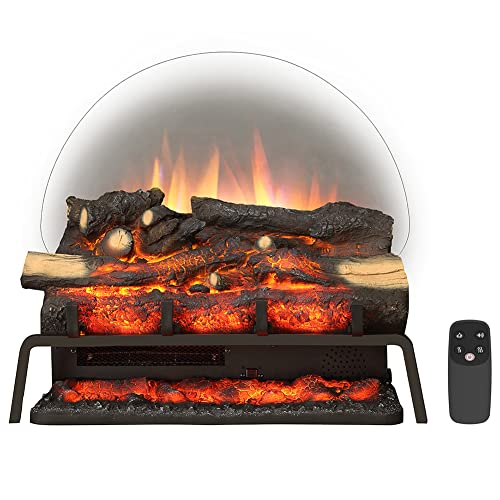
Best Electric Fireplace Insert for Large Room Heating and Style

Best 40 Inch Electric Fireplace Insert 2026 - Cozy Ambiance with Modern Power
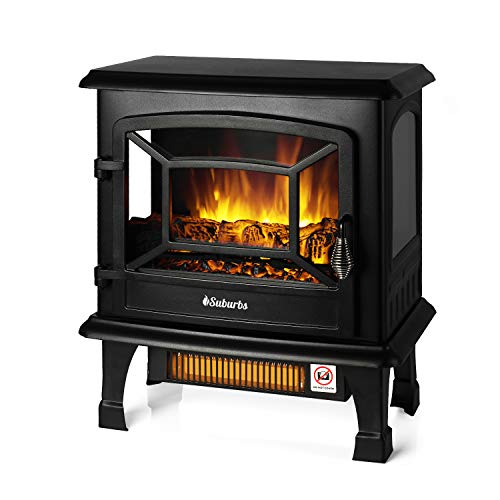
Top 12 Best Quality Electric Fireplace 2026 - Buying Guides

Best Wall Mount Electric Fireplace 2026 for Ultimate Comfort and Style

How to Start Monessen Fireplace: A Step-by-Step Guide

How to Whitewash Rock Fireplace: Simple Steps to Refresh Your Space