How Does an Electric Fireplace Work?

It works like two machines in one. An electric fireplace pairs a silent flame display with an electric heater, letting you enjoy the cozy look with or without any heat. Hidden LED bulbs bounce light off a spinning rod fitted with tiny mirrors, creating the illusion of dancing flames on the back wall. Nearby, a quiet metal coil and a small fan work together to push warmth gently out into the room.
The exact experience depends on the parts inside. Some designs warm rooms using a simple fan and heating coil, while others use infrared tubes that warm objects directly like sunshine. How the fire looks also varies, shifting from classic rotating mirrors to fine water mist. Most units run on a standard wall outlet using up to 1,500 watts on high. Here is how each piece works together to create realistic warmth without real smoke or danger.
The Short Version
- Two systems in one box: An electric fireplace pairs an LED light projector with an electric heater, allowing flame visuals and heat to run together or independently.
- Mirrors create the flame: Light from LEDs bounces off a motorized spinning rod lined with small mirrors, projecting rising, flickering patterns onto a frosted viewing screen.
- Warmth without combustion: Units produce supplemental warmth using a fan-forced coil or infrared quartz tubes, generating 4,600 to 5,200 BTUs without smoke or fumes.
- Standard household power: Standard models plug into a 120-volt wall outlet, feature cool-touch glass, and use shutoff sensors to prevent overheating.
The Two-Part System: How Visuals and Heat Work Independently
An electric fireplace might look like a traditional hearth, but inside the casing it operates as two separate machines sharing one frame. One half is an optical projection system designed to simulate burning wood. The other half is an electric space heater designed to warm room air.
Because these two assemblies run on separate internal wiring, you do not have to run the heater to enjoy the fire. You can turn on the visual flame effect on a warm summer evening without adding heat to your living room. In flame-only mode, the unit draws very little electricity, roughly equal to a single LED light bulb.
When cold weather arrives, you turn on the heat with the control panel or remote. The heater draws either 750 watts on low heat or 1,500 watts on high heat. If you turn off the heater, the flame visuals stay active. If an internal safety switch cuts the heat, the flame display continues to turn. Understanding that the lights and heater are distinct mechanisms explains how these appliances deliver cozy ambiance without real fire.
Creating the Flame: LEDs, Rotating Mirrors, and Decorative Media
To create the look of dancing fire without an open flame, electric fireplaces rely on clever optical mechanics. The process starts at the base of the firebox with a strip of high-output light-emitting diodes (LEDs). These bulbs cast bright orange, yellow, and red light while using minimal electricity and generating virtually no heat. Many models also let you cycle through alternative colors like deep blue, violet, or amber.
Directly in front of the light source sits a narrow metal rod called a reflector spindle. This spindle is mounted horizontally and covered with dozens of small, curved, mirror-like metal tabs. A quiet electric motor turns this rod at a steady, slow pace.
As the rod rotates, the angled mirrors catch the LED glow and bounce points of light against a frosted projection screen. Because each mirror tab is bent at a slightly different angle, the reflected light sweeps upward across the screen in shifting ribbons. To your eyes, these moving patterns look like real flames rising from a wood fire.
The illusion is completed by the decorative media sitting directly in front of the screen. In a traditional firebox, this is a resin log set molded to look like charred wood, often with pulsating internal lights that mimic glowing embers. Modern linear units often feature a glass crystal bed or faux river rocks that catch the light, creating a glowing ember bed beneath the moving flame pattern.
Producing the Warmth: Fan-Forced Blowers vs. Infrared Quartz
While the optical system creates the visual flame, a separate heating element produces physical warmth. Electric fireplaces generate heat using one of two technologies: fan-forced convection or infrared quartz radiation.
Fan-forced coil heaters function much like a hair dryer built inside the housing. The appliance pulls ambient room air through an intake vent, passes it over an electric heating coil (metal resistance wires that glow hot when energized), and uses a blower fan to push the heated air out through a front grille. These heaters produce around 4,600 to 5,000 British Thermal Units (BTUs) of heat, providing supplemental zone heating for rooms up to 400 square feet with a soft, quiet fan hum.
Infrared quartz heaters work on a completely different principle. Instead of warming the air directly, they rely on quartz glass tubes encasing heating filaments. These tubes emit harmless infrared light waves that travel across your living space. When these invisible waves touch solid objects, such as walls, furniture, or your body, they warm those surfaces directly.
Infrared quartz systems generate roughly 5,100 to 5,200 BTUs and can comfortably warm spaces up to 1,000 square feet. Because infrared light warms objects without blowing air over glowing metal coils, it preserves natural humidity rather than drying out your room air. For anyone considering an electric fireplace insert for large room heating, infrared quartz technology offers substantial advantages across open floor plans.
Both systems provide supplemental zone heating to warm your immediate space, allowing you to turn down your central furnace thermostat and save on winter utility bills.
Year-Round Control: Flame Modes, Thermostats, and Timers
Operating an electric fireplace requires zero firewood, ash cleaning, or chimney maintenance. Modern units incorporate straightforward digital controls that let you customize heat and visual settings independently.
The most versatile feature is flame-only mode. Because the optical drive uses independent wiring, switching the heat off leaves the motorized reflector spindle and LED bulbs running smoothly. This allows you to enjoy the welcoming glow of a hearth during warm spring nights, dinner parties, or summer gatherings without warming the room.
For heating, most units feature an adjustable thermostat. Budget stoves often use a simple turn dial, while higher-end fireplaces use digital touch screens and remotes. Built-in sensors monitor room air. When room temperature dips below your target, the heating element and fan engage automatically. Once the room reaches the selected temperature, the heater cuts off while the flame continues to flicker.
Built-in timers provide convenient automation. You can set the timer in one-hour intervals, usually between 1 and 8 hours, ensuring the fireplace powers down after you fall asleep. Handheld remotes also let you adjust flame speed and brightness for movie nights or daylight viewing.
Electrical Requirements and Safe Operation
Because electric fireplaces contain real heating elements that draw significant current, safe operation depends on proper placement and electrical connections.
- Dedicated 120-volt circuit: On high heat (1,500 watts), an electric fireplace draws roughly 12.5 amps of continuous current. Household circuits in North America are typically rated for 15 amps. Plug the fireplace into a dedicated circuit, meaning an outlet that does not share its breaker with other power-hungry appliances like microwaves, coffee makers, or space heaters.
- Direct wall outlet connection: Always plug the heavy three-prong power cord straight into a grounded wall receptacle. Never use an extension cord or power strip surge protector. Continuous 1,500-watt current can overheat lightweight extension wires, melt plastic power strip housings, and create a severe fire hazard.
- Maintain three feet of clearance: The viewing glass stays cool to the touch, making it safe around curious toddlers and pets. However, the metal heating vent or blower grille gets hot during operation. Keep drapes, blankets, pillows, rugs, and furniture at least 3 feet (36 inches) away from the heat discharge opening.
- Overheat safety shutoff: Quality fireplaces include an overheat safety shutoff switch. If dust, pet hair, or an obstruction covers the intake louvers, internal temperatures rise and the switch automatically cuts power to the heater. If your heater suddenly stops blowing warm air while the lights stay active, turn off the power, unplug the cord for 10 to 15 minutes to reset the switch, and vacuum any dust from the vents before restarting.
- Tip-over protection: Freestanding fireplace stoves feature internal tip-over sensors. If a pet or child accidentally knocks the stove off balance, the unit instantly cuts electrical power to prevent scorch marks or fire hazards.
Choosing the Right Fireplace Style for Your Home
Understanding how an electric fireplace works makes selecting the right form factor straightforward. These appliances come in four primary configurations, each suited to different room layouts.
Freestanding fireplace stoves offer portable comfort with vintage charm, requiring no installation beyond plugging into an outlet. Wall-mounted linear fireplaces attach directly to wall studs using mounting brackets, creating a sleek focal point that preserves floor space.
Recessed built-in models slide into an opening framed by 2x4 or 2x6 wall studs for a custom, flush appearance. If you have an unused traditional hearth, a firebox insert slides into the masonry opening. When installing an insert into an existing chimney, knowing how to close a fireplace damper is critical. Sealing the damper tightly stops outdoor drafts and prevents your newly produced electric warmth from escaping up the flue.
Many homeowners install an electric fireplace beneath a wall-mounted flat-screen television. Check the heat vent discharge location before mounting. Units with front-facing or bottom-facing vents project warm air forward into the room, keeping the wall above cool. If the unit vents from the top, maintain at least 8 to 12 inches of vertical clearance between the top of the fireplace and the bottom of your television, or install a deep mantel shelf to redirect rising heat. When comparing options, exploring a high quality electric fireplace helps you find durable steel construction, quiet blower fans, and authentic flame visuals suited to your space.

- BWP Score9.4
BWP Score is a ranking system developed by Bestwinterproducts.com. BWP score has no relationship or impact from any manufacturers or sales agent websites. Learn more
- BrandEUHOMY

- BWP Score9.0
BWP Score is a ranking system developed by Bestwinterproducts.com. BWP score has no relationship or impact from any manufacturers or sales agent websites. Learn more
- BrandElectactic
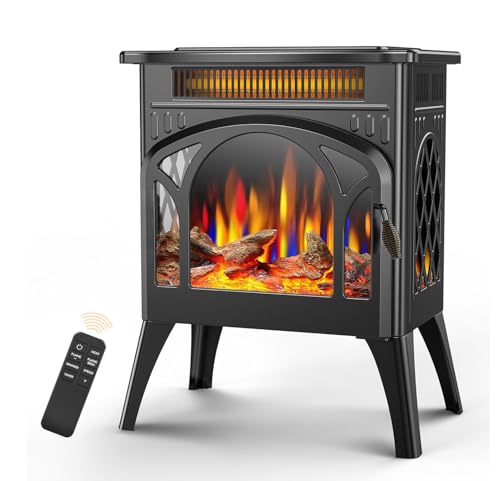
- BWP Score8.8
BWP Score is a ranking system developed by Bestwinterproducts.com. BWP score has no relationship or impact from any manufacturers or sales agent websites. Learn more
- BrandElectactic

- BWP Score8.8
BWP Score is a ranking system developed by Bestwinterproducts.com. BWP score has no relationship or impact from any manufacturers or sales agent websites. Learn more
- BrandVabches
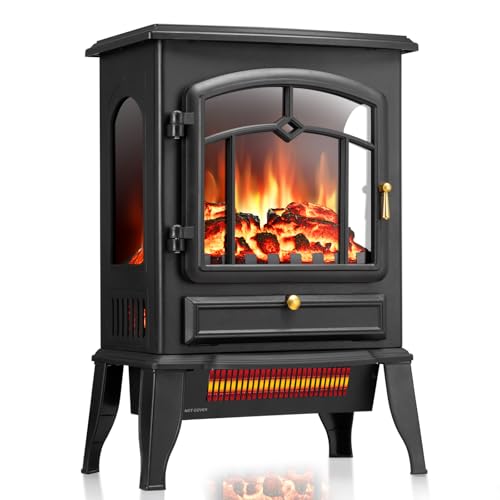
- BWP Score8.6
BWP Score is a ranking system developed by Bestwinterproducts.com. BWP score has no relationship or impact from any manufacturers or sales agent websites. Learn more
- BrandZAFRO

- BWP Score8.6
BWP Score is a ranking system developed by Bestwinterproducts.com. BWP score has no relationship or impact from any manufacturers or sales agent websites. Learn more
- BrandElectactic
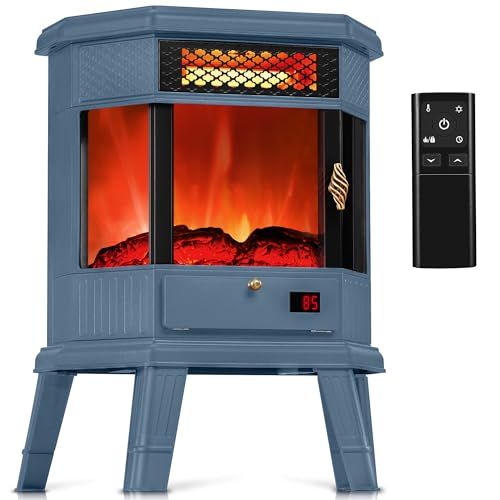
- BWP Score8.6
BWP Score is a ranking system developed by Bestwinterproducts.com. BWP score has no relationship or impact from any manufacturers or sales agent websites. Learn more
- BrandRealSmart

- BWP Score8.4
BWP Score is a ranking system developed by Bestwinterproducts.com. BWP score has no relationship or impact from any manufacturers or sales agent websites. Learn more
- BrandTURBRO
Last update on 2026-10-02 / Affiliate links / Images, Product Titles, and Product Highlights from Amazon Product Advertising API
FAQs
Does an electric fireplace emit real carbon monoxide or smoke?
An electric fireplace produces no carbon monoxide, smoke, soot, or fumes. Because the warmth comes from an electric resistance coil or infrared quartz tube, there is no combustion taking place inside the unit. You do not need a chimney, venting pipe, or special carbon monoxide detectors to operate an electric fireplace safely.
Why did the heater shut off while the flame display is still running?
This occurs when the thermostat satisfies its target temperature or when the overheat safety shutoff trips. If your room temperature matches the setting, the heater turns off automatically while the flame motor keeps running. If the intake vents become blocked by dust, the safety switch cuts power to protect the heating coil; unplugging the fireplace for 15 minutes clears the cutoff once the vents are clean.
Can you leave an electric fireplace on all night?
You can safely run an electric fireplace overnight if it is plugged directly into a wall outlet and kept clear of flammable objects. Using the built-in sleep timer allows the unit to power down automatically after you fall asleep, saving electricity. If you only want nighttime ambiance without heat, leave it running in flame-only mode.
Can you run an electric fireplace on a household extension cord?
Never use an extension cord or power strip with an electric fireplace. Electric fireplace heaters draw up to 1,500 watts of continuous electricity on high heat, which can easily overheat the wires inside light-duty extension cords and cause them to melt. Always plug the heavy three-prong factory power cord directly into a grounded 120-volt wall outlet.


12 Best Corner Electric Fireplace 2026: My Ultimate Guide To Pick One

Dimplex Prism Wall Mount Fireplace: Sleek Heat With Modern Flame Style
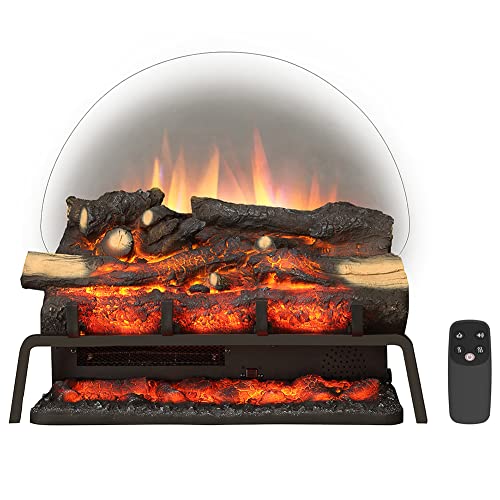
Best Electric Fireplace Insert for Large Room Heating and Style

Best 40 Inch Electric Fireplace Insert 2026 - Cozy Ambiance with Modern Power
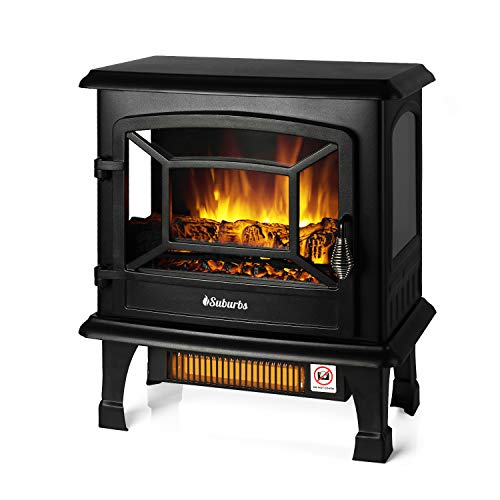
Top 12 Best Quality Electric Fireplace 2026 - Buying Guides

Best Wall Mount Electric Fireplace 2026 for Ultimate Comfort and Style

How to Start Monessen Fireplace: A Step-by-Step Guide

How to Whitewash Rock Fireplace: Simple Steps to Refresh Your Space