
How Does Insulation Help Reduce Heater Energy Consumption?

Insulation acts like a thick winter blanket for a room, trapping warmth inside so your heater reaches its target temperature and turns off. The actual energy you save, though, depends on how quickly sneaky drafts pull that trapped heat right back outside. Without that protective barrier, warm air slips through cold surfaces as fast as the equipment produces it, forcing the heating element to run all day.
Those power savings also change based on where your home loses heat first, especially around unsealed window trim, bare attic floors, or an unjacketed water tank. Adding insulation only gives you full relief if you also close open air leaks and let your thermostat cycle the unit down when the room is warm. Learning where your living space leaks warmth is the first step toward easing the load on your system.
How Warmth Naturally Escapes Your Living Space
Heat naturally moves from warm zones to cold zones. Think of holding a hot coffee mug in a chilly room; the warmth leaves the ceramic mug and warms the cold air around it. This process is thermal transfer, which simply means warmth escaping into cold areas. In your home, your heater creates warm air, but that warm air presses against cold drywall, ceiling plaster, and window glass. Without a heat-blocking barrier, that warmth bleeds straight through building materials and escapes outside.
Cold outdoor air also sneaks inside through small gaps around trim, baseboards, and wall framing. As your heater warms the indoor air, that warm air expands, gets lighter, and rises toward the ceiling. This rising movement pushes heated air into your attic through recessed ceiling lights and attic access doors. At the same time, this upward rush creates low air pressure near the floor, pulling freezing outdoor air in through door thresholds and window sills.
When these escape routes stay open, your heater works against an endless leak. It is like running a garden hose into a bucket with holes drilled in the bottom. No matter how hot the heating element gets, the room temperature drops as soon as heat touches an uninsulated wall or a drafty pane of glass.
How Trapping Warmth Lets Your Heater Rest
Every home heater with a temperature sensor operates in cycles. When you set your wall thermostat or the digital temperature dial on a portable unit to 68 degrees Fahrenheit, the heater runs until the surrounding air reaches that target. Once the air hits 68 degrees, a switch cuts power to the heating element. The heater then sits idle until the room temperature cools down a few degrees below your setting.
When your room holds heat, those off periods stretch out. A well-sealed room might lose only one degree over thirty or forty minutes. That means your heater only turns on for a few minutes every hour to top off the warmth. In a drafty room with bare walls, that same room temperature can drop five degrees in ten minutes. The sensor detects the chill, clicks the heating coil back on, and keeps it burning electricity.
This constant running is what drives up your monthly utility bill. A standard portable space heater draws 1,500 watts, or about 12.5 amps on a standard 120-volt household circuit. Running continuously for eight hours overnight, it consumes 12 kilowatt-hours of electricity. Cutting run time in half immediately slashes that power draw in half. Units designed with steady temperature controls, such as an electric heater for garage with thermostat, depend entirely on these quiet rest periods to keep power consumption predictable.
Common Household Leak Zones to Check
Before buying new heating equipment, you need to find where your indoor warmth is slipping away. Most heat loss happens in four primary areas:
- Window panes and frames: Single-pane glass has almost no ability to block heat. Move the back of your hand along the window frame. If you feel a cool draft or the glass feels icy, heat is escaping through the pane and dried-out caulking.
- Exterior doors and entryways: Check the perimeter of your exterior doors on a sunny afternoon. If you see daylight peeking through the sides or beneath the bottom sweep, warm air is blowing right out of your home. Freezing air also rushes under doors when kitchen exhaust fans pull indoor air outside.
- Attic hatches and ceiling fixtures: Since warm air rises, ceilings are major escape routes. An uninsulated drop-down attic stairway or attic hatch acts like an open chimney, letting your most expensive warm air spill directly into a freezing roof cavity.
- Hot water storage tanks: Water heaters quietly heat water day and night. When a tank sits in an unheated basement or garage, it suffers from standby loss, which is heat escaping from a tank between uses. The heating elements fire up repeatedly just to keep stored water hot, even when no faucets are running.
- Unheated attached rooms: Shared interior walls next to garages or uninsulated sunrooms pull warmth from your living space. If you are heating an enclosed porch, using a specialized heater for enclosed porch areas helps, but unbacked walls will continue to pull warmth from the main house if the entry door lacks weatherstripping.
Low-Effort Insulation Steps You Can Do Yourself
You do not need to tear down drywall or hire an expensive crew to build a better thermal barrier. These five practical steps slow down heat loss and help your heater shut off sooner:
- Stick adhesive foam weatherstripping along door jambs and window channels. Clean the frame with rubbing alcohol, let it dry, and press foam tape firmly along the stops where the door or window presses closed. Reason: This compressible foam seals uneven gaps and blocks cold outdoor air from whistling around moving sashes.
- Cover drafty single-pane windows with shrink-to-fit plastic film. Apply double-sided tape around the window trim, stretch the plastic across the frame, and warm it with a hair dryer until smooth. Reason: This creates a sealed pocket of dead air between the cold pane and your room, which acts as a clear insulating cushion that slows heat transfer.
- Slide weighted fabric draft stoppers against the bottom of exterior doors. Lay a heavy fabric tube filled with dense material flat against the floor at the base of any exterior door. Reason: The floor gap is usually the widest seam in an entryway, and blocking it stops cold floor-level drafts from spreading across the room.
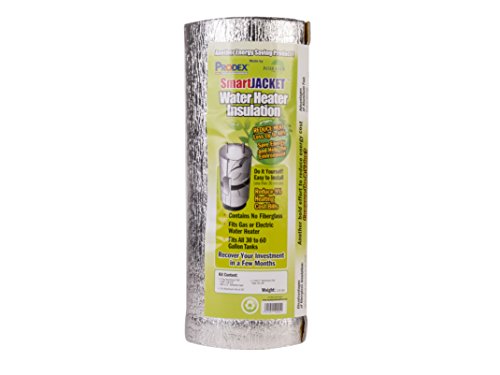
- Wrap your storage water heater with an insulated blanket. Fasten an insulated jacket snugly around your storage tank, keeping clear of access panels, thermostats, and gas exhaust flues. Reason: This layer curbs standby loss, keeping stored water hot for hours longer so the heating elements cycle on less often.
- Install foam insulating gaskets behind electrical outlets and switch plates. Turn off the breaker, unscrew faceplates on exterior walls, insert a pre-cut foam pad over the receptacle, and screw the cover back on. Reason: Uninsulated wall cavities allow cold air to leak straight through electrical boxes, and these simple pads block that direct airflow.
Telling the Difference Between a Weak Heater and Poor Insulation
Homeowners often assume their heater is failing when a room refuses to stay warm. But buying a larger heating unit will not solve the issue if the room cannot hold the warmth it receives. You can diagnose the problem by observing how your room responds after the heater turns off.
Start with standard heater sizing. In American homes, heating living spaces requires roughly 10 watts of heating power per square foot of floor area. A standard 1,500-watt electric heater produces around 5,100 BTUs of heat, designed to warm a closed 150-square-foot room like a bedroom. Placing that unit in a 400-square-foot living room leaves it underpowered for that volume of air.
If your room matches the heater size, check how long warmth remains. Run your heater until the room is comfortable, then turn the unit off and close the door. If the room feels chilly within ten to fifteen minutes, your home has poor insulation. The heater is doing its job, but your walls, floor, and glass are dumping that warmth outdoors. Buying a larger heater in this scenario only burns extra electricity to replace escaping air. In manufactured homes, this heat drop is especially sharp; checking for tight vents or considering a dedicated heater for mobile home setups can highlight whether your ductwork or wall barriers need immediate attention.
If the room holds its temperature well after turning the heat off, but the unit takes hours of continuous running to raise the temperature by two degrees, the heater itself is likely underpowered or dirty. Inspect the intake grille for dust, make sure the elements glow or blow hot air, and ensure the unit is plugged directly into a dedicated 120-volt wall outlet.
Choosing Insulation Add-Ons to Support Your Heater
Adding basic insulation wraps and thermal covers is one of the most practical ways to cut heater run times without replacing your primary equipment. When you shop for insulation products to support your heating setup, focus on the heat-blocking rating, which is labeled as the R-value on packaging. A higher R-value means the material slows down heat transfer more effectively.
Look for products with third-party efficiency labels, such as Energy Star certification, which show that the blanket or wrap meets strict efficiency standards. If you are insulating a water heater, verify that the wrap includes spacer materials or inner air gaps. These built-in spacers prevent the insulation from compressing tightly against the metal tank, allowing the thermal barrier to perform at its best.
Always check the physical capacity and dimensions before bringing an insulation cover home. Tank blankets typically fit tanks up to 60 gallons, but you must measure the diameter and height of your unit to guarantee full coverage without overlapping seams. Ensure the material is flame-retardant and easy to trim around pipes, thermostats, and safety relief valves.
- BWP Score7.7
BWP Score is a ranking system developed by Bestwinterproducts.com. BWP score has no relationship or impact from any manufacturers or sales agent websites. Learn more
- BrandSmartJacket
Last update on 2026-10-13 / Affiliate links / Images, Product Titles, and Product Highlights from Amazon Product Advertising API
FAQs
Does adding insulation immediately lower my monthly electric bill?
Yes, sealing drafts and adding basic insulation provides noticeable savings on your next electric bill. Because trapped warmth prevents room temperatures from dropping rapidly, your heater stays off for longer stretches between cycles. Reducing heater run time directly lowers the number of kilowatt-hours your home consumes each day.
Can I place an insulation blanket directly over a portable space heater?
No, you must never cover a portable space heater with blankets, insulation, or fabric of any kind. Space heaters require clear airflow to operate safely, and covering the cabinet creates an immediate fire hazard. Always keep bedding, drapes, and furniture at least 3 feet away from your space heater, and plug the unit directly into a wall outlet rather than an extension cord.
What does the R-value on an insulation package actually mean?
The R-value is a heat-blocking rating that measures how well a material stops warmth from passing through it. The letter R stands for resistance to heat flow. The higher the number printed on the package, the better that material is at keeping heat inside your living space or your water heater tank.
Will a larger space heater overcome poor room insulation?
A larger heater will only mask the problem while driving your electricity bill higher. While a bigger unit can pump out warmth faster, an uninsulated room will continue to dump that warmth straight outdoors. Sealing drafty window frames and adding basic insulation keeps heat inside so standard 1,500-watt heaters can warm the space efficiently.


Best Warm Winter Scarves 2026 For Cozy Comfort

Best Green Ski Goggles 2026 For Clear Vision On Slopes

12 Best Corner Electric Fireplace 2026: My Ultimate Guide To Pick One

Best Battery Powered Snow Blower 2026 For Effortless Snow Clearing

Best Ski Goggles Under 30 Inches For Crisp Vision And Comfort

Best Cooling Scarf 2026 For Instant Relief And Comfort

Fake Snow for Grass: Create a Realistic Winter Lawn Display

Dimplex Prism Wall Mount Fireplace: Sleek Heat With Modern Flame Style





