
How Long Can You Safely Leave a Space Heater On?

Electric heaters can run continuously all day. As long as an adult stays awake in the room, steady daytime heating is safe, but never leave one on while sleeping or away from home. Sitting in a chilly room makes all-night warmth tempting, but unsupervised high electrical draw risks scorched wall outlets or house fires.
Safe heating time also depends on proper placement and wiring. Every heater requires at least three feet of open clearance away from bedding, furniture, and curtains so circulating air never overheats nearby fabrics. The cord must also plug directly into a dedicated wall outlet, since extension cords and power strips can easily melt during long heating sessions. Here is a clear breakdown of safe daily runtimes and the warning signs that tell you when to unplug.
You Can Run Modern Heaters All Day While Awake
Modern electric space heaters can run for many hours continuously as long as an alert adult remains awake in the same room. A properly built heater with a recognized safety certification does not have an internal countdown clock that forces it to shut down after three or four hours. If you work from home in a chilly spare room, you can comfortably let the unit run throughout your entire eight-hour workday. The key condition is active supervision. You must be present to notice if the room gets stuffy, if something falls near the heater, or if an unusual smell develops.
Running a heater all day does not mean you should leave it blasting at full heat without a break. Most portable units draw 1,500 watts on their highest heat setting, which generates rapid heat but also places a constant electrical load on your household wiring. When you use a digital temperature dial that clicks on and off to hold your set warmth, the heater regulates itself naturally. It warms the room to your preferred temperature, pauses its heating element, and kicks back on only when the room cools down. These natural pauses give internal components a resting period while keeping your space comfortable for hours on end.
Space heaters are designed to warm small zones, not entire houses. If you need supplemental heat for long stretches in drafty outbuildings, learning how to choose the best electric heater for a garage with a thermostat helps balance heavy power draw with steady room comfort. In any standard indoor room, continuous daytime heating is safe as long as the surrounding floor space stays clear, the electrical circuit remains stable, and you never leave the room completely unattended while the unit operates.
Never Leave Space Heaters Running While Sleeping or Away
You should never leave a space heater running while you sleep or when you leave the house. This is the single most important safety rule for portable electric heat. When you fall asleep, your body loses its sharp sense of smell for light smoke, and your reaction time drops to zero. If a blanket slips off the edge of your mattress, a curtain blows inward from an open window draft, or a pet nudges a laundry basket against the front grille, a fire can start before you wake up.
Leaving a space heater on while running errands or working away from home creates an identical hazard. Electrical components can fail unexpectedly. A wall outlet receptacle that held tightly at breakfast might loosen its internal grip over five hours of continuous vibration and heat, creating an electrical arc. If nobody is home to spot the issue, pull the plug, or use a home fire extinguisher, a small electrical failure can destroy a room in minutes.
If your bedroom gets uncomfortably cold at night, use a safer heating routine instead. Turn your portable heater on 45 minutes before you plan to go to sleep, close the bedroom door to trap the warmth, and let the room reach a cozy temperature. When you climb into bed, switch the heater completely off, unplug it from the wall socket, and rely on thick quilts, thermal blankets, or your home central heating system set to an energy-saving baseline overnight. This routine keeps you warm as you drift off without risking a nighttime house fire.
Plug Directly Into Wall Outlets and Keep Three Feet Clear
Every long heating session requires a safe physical and electrical setup. High-draw appliances create steady heat inside the wall as well as in the room. In typical United States homes, a 1500-watt space heater draws roughly 12.5 amps of electricity on a standard 120-volt household circuit. Because most residential room circuits have a total limit of 15 amps, your space heater uses up nearly all the electrical capacity of that entire circuit line on its own.
Follow this setup checklist every single time you plan to run your heater for more than an hour:
- Plug straight into a wall outlet: Never plug an electric space heater into an extension cord, power strip, surge protector, or multi-outlet tap adapter. Thin extension cords and plastic power strips cannot handle continuous high-amperage draw. They can soften, melt, and ignite long before your household circuit breaker trips.
- Dedicate the circuit: Avoid running other high-draw appliances on the same electrical circuit while the heater is active. Plugging a desktop computer, a vacuum, or a hair dryer into the same circuit line will quickly overload the wiring and trip the breaker.
- Maintain the 3-foot safety buffer: Keep all furniture, bedding, pillows, curtains, paperwork, and cardboard boxes at least 3 feet (36 inches) away from all sides of the heater. Radiant heat from the front grille can slowly dry out fabrics and papers until they reach their ignition point.
- Place on a flat, hard floor surface: Always set the heater on bare wood, tile, laminate, or low-pile flooring. Never place a space heater on high-pile carpets, rugs, tables, or shelf ledges where it could tilt, wobble, or block the bottom air intake vents.
- Keep away from busy walkways: Route the heater power cord along the edge of the room where pets and family members will not trip over it or accidentally yank the plug loose.
This clear perimeter is especially critical when warming tricky spaces. If you are looking for the best heater for an enclosed porch or an uninsulated sunroom, cold drafts can flutter curtains or throws into the heating element if you do not strictly enforce your 3-foot clearance zone.
Built-In Safety Shutoffs Prevent Overheating During Long Hours
Modern heaters come equipped with automatic protection mechanisms designed to prevent disasters during long runtimes. Understanding how these parts function helps you recognize whether your unit is operating normally or trying to protect your home from an electrical hazard.
The core safety features working behind the scenes include:
- Ceramic heating element that warms up in seconds: Many modern heaters use ceramic elements that naturally self-regulate their internal temperature. As the ceramic stone gets hotter, its electrical resistance rises, which naturally limits the amount of heat it can produce and reduces the risk of thermal runaway.
- Automatic overheat sensor that shuts the unit off if internal parts get dangerously hot: This internal temperature monitor cuts off power immediately if internal components reach an unsafe threshold. It triggers if the blower fan stops spinning, if dust clogs the rear filter, or if something drops over the exhaust grille.
- Tip-over safety switch that cuts power instantly if the unit is knocked over or tilted: Located on the underside of the base, this mechanical switch or electronic tilt sensor kills the heating element the instant the unit is lifted, bumped, or tipped off its level footing.
- Digital temperature dial that clicks on and off to hold your set warmth: Instead of running at 1,500 watts nonstop for hours, a built-in thermostat monitors room air. Once your room reaches the target temperature, it shuts down the heating element until the air temperature drops, cutting energy use and reducing electrical wear.
- Programmable countdown timer: Built-in 1 to 12 hour timers let you program an automatic shutoff window. If you sit down to read or watch a movie, setting a two-hour timer ensures the unit switches itself off even if you accidentally doze off on the sofa.
- Electrical shock shutoff plug: Often found on heaters rated for bathroom or laundry use, this specialized safety device on the plug cuts electrical power in a fraction of a second if it detects moisture or an electrical ground short.
Unplug the Heater Immediately If You Notice These Warnings
Even with built-in sensors, continuous operation can reveal hidden electrical flaws in older wall outlets or neglected heater parts. You should periodically inspect your heater while it is running. Catching early warning signs stops minor overheating from turning into an active house fire.
Watch for these five red flags during extended heating sessions:
- A hot or soft power cord: It is normal for a heater cord to feel slightly warm during hours of heavy use, but it should never feel hot to the touch. If the cord feels soft, gummy, or uncomfortably hot, the wire inside is overtaxed or degrading.
- A discolored or hot wall outlet: Look at the plastic wall plate where the unit is plugged in. If the plastic faceplate feels hot, looks scorched, or shows brown heat marks around the socket holes, internal electrical arcing is taking place.
- A burning plastic or fishy smell: Overheated wire insulation, melting plug housings, and burning plastic release a sharp, chemical, or fish-like odor. Never ignore unusual smells in a heated room.
- Frequent short cycling: If your heater shuts down after running for only 5 to 10 minutes, the automatic overheat sensor is tripping. This usually means the internal air passage is choked with pet hair, dust, or lint.
- Flickering lights or buzzing sounds: If the room lights dim or flicker when the heater element clicks on, or if you hear a faint buzzing from the wall or circuit breaker box, your electrical circuit is overloaded.
If you observe any of these warning signs, follow a strict shutdown order. First, switch the unit off using the power button on the control panel. Next, grasp the molded plug head firmly and pull it straight out of the wall socket; never pull on the flexible cord itself. Let the heater sit undisturbed for at least 30 minutes until the exterior casing and front grille are completely cool to the touch. If the wall outlet was hot or discolored, do not plug anything else into that socket. Leave the circuit breaker off and hire a licensed electrician to inspect and replace the worn receptacle before using that outlet again.
Choose Heaters With Timers and Smart Thermostats for Safety
If you plan to run supplemental electric heat for hours at a time, picking the right category of heater makes managing your daily runtime simple and safe. Modern room heaters equipped with digital thermostats, multiple power levels, and automatic shutoff timers provide the strongest defense against overheating.
When shopping for a heater to handle long daytime hours, prioritize models that offer an adjustable thermostat rather than basic low and high toggle switches. A thermostat lets you dial in a specific comfort level, such as 68°F or 70°F, prompting the unit to rest periodically rather than pulling continuous maximum wattage through your wall. Look for programmable auto-off timers that can be set anywhere from 1 to 12 hours. A countdown timer acts as a reliable safety net that powers the device down automatically if you step away from your desk, get distracted by household chores, or leave the room.
Always verify that any prospective model displays a certified safety mark from an accredited laboratory, such as UL or ETL, directly on its specification label. Units that combine ceramic heating elements, responsive tilt sensors, and clear digital controls offer the ideal balance of fast warmth and built-in protection for steady, supervised indoor comfort.

- BWP Score9.3
BWP Score is a ranking system developed by Bestwinterproducts.com. BWP score has no relationship or impact from any manufacturers or sales agent websites. Learn more
- BrandDREO

- BWP Score9.1
BWP Score is a ranking system developed by Bestwinterproducts.com. BWP score has no relationship or impact from any manufacturers or sales agent websites. Learn more
- BrandDR. INFRARED HEATER

- BWP Score8.3
BWP Score is a ranking system developed by Bestwinterproducts.com. BWP score has no relationship or impact from any manufacturers or sales agent websites. Learn more
- BrandLasko

- BWP Score9.0
BWP Score is a ranking system developed by Bestwinterproducts.com. BWP score has no relationship or impact from any manufacturers or sales agent websites. Learn more
- BrandDREO

- BWP Score7.4
BWP Score is a ranking system developed by Bestwinterproducts.com. BWP score has no relationship or impact from any manufacturers or sales agent websites. Learn more
- BrandDREO

- BWP Score7.9
BWP Score is a ranking system developed by Bestwinterproducts.com. BWP score has no relationship or impact from any manufacturers or sales agent websites. Learn more
- BrandOLIXIS
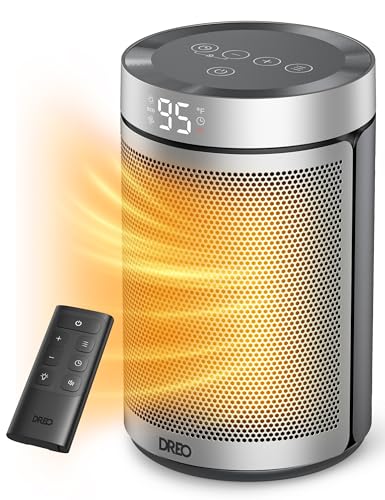
- BWP Score7.9
BWP Score is a ranking system developed by Bestwinterproducts.com. BWP score has no relationship or impact from any manufacturers or sales agent websites. Learn more
- BrandDREO
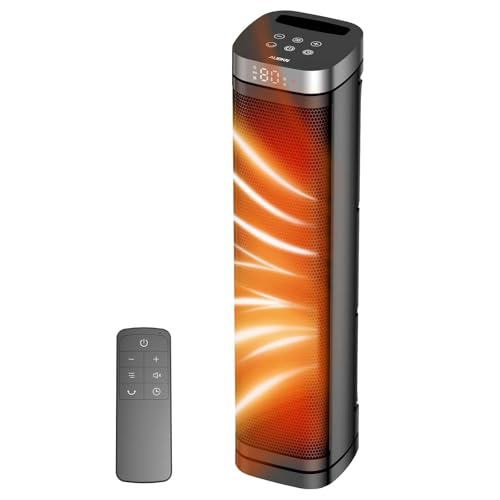
- BWP Score7.7
BWP Score is a ranking system developed by Bestwinterproducts.com. BWP score has no relationship or impact from any manufacturers or sales agent websites. Learn more
- BrandAUBKN
Last update on 2026-10-12 / Affiliate links / Images, Product Titles, and Product Highlights from Amazon Product Advertising API


Best Warm Winter Scarves 2026 For Cozy Comfort

Best Green Ski Goggles 2026 For Clear Vision On Slopes

12 Best Corner Electric Fireplace 2026: My Ultimate Guide To Pick One

Best Battery Powered Snow Blower 2026 For Effortless Snow Clearing

Best Ski Goggles Under 30 Inches For Crisp Vision And Comfort

Best Cooling Scarf 2026 For Instant Relief And Comfort

Fake Snow for Grass: Create a Realistic Winter Lawn Display

Dimplex Prism Wall Mount Fireplace: Sleek Heat With Modern Flame Style





