
How Long Can You Safely Run a Dyson Heater?

There is no reason to stress about burning out the motor from a long heating session. The unit can run continuously for as long as needed, staying on all day or through the night without damage. Its internal sensor monitors room temperature and turns off the heating elements once the space gets warm, so the machine is not actually blasting heat every single minute.
Safe operation still hinges on where the machine sits and how it gets power. The cord must plug directly into a wall outlet, since extension cords and power strips can easily overheat under a steady electrical draw. Giving the heater plenty of clear space away from blankets, curtains, and rugs is just as vital. Here is how those safety features work and what to check before leaving the unit running for hours.
Can you leave a Dyson heater running continuously?
You can run a Dyson heater continuously for as long as you need warmth, provided you place it in a safe spot and plug it directly into a wall outlet. These machines are engineered for sustained household use, whether you need steady warmth while working from home or all day during a cold weekend. They do not operate like older space heaters with exposed bare wires that stay scorching hot until you pull the plug. Instead, they rely on built-in sensors that regulate heat automatically.
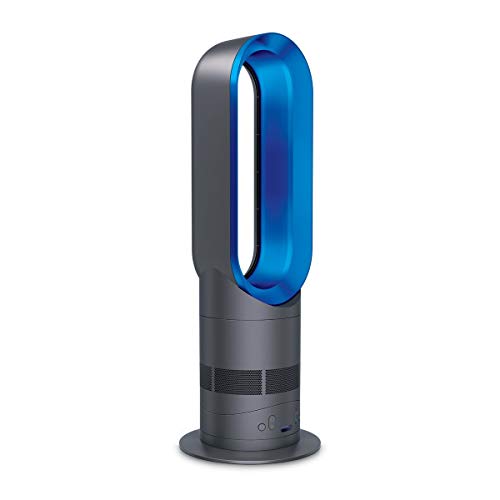
The key to safe continuous operation is the digital temperature dial that clicks on and off to hold your set warmth. When you set your target room temperature in degrees Fahrenheit, the ceramic heating element that warms up in seconds activates. The machine warms the room by pushing air through its aerodynamic loop using Air Multiplier technology. Once the room hits your set number, the heating element shuts down. The machine monitors the air, turning heat back on only when the room cools.
Because the heating elements cycle on and off, the unit avoids running at its maximum electric power draw of 1,500 watts non-stop. This thermostat-driven cycling prevents internal parts from overheating and reduces strain on your electrical circuit. Dyson heaters also feature no fast-spinning blades and no visible heating elements on the exterior. This enclosed design keeps exterior housing surfaces cooler than traditional radiant heaters, lowering scorch risks during extended runs.
Is it safe to run your heater all night?
Leaving an electric space heater on while you sleep naturally causes concern. Space heaters account for a notable share of winter home electrical issues, primarily due to improper placement or overloaded electrical cords. You can safely run your Dyson heater overnight in a bedroom if you follow a few critical safety rules before turning off the lights.
First, always plug the unit directly into a dedicated wall outlet on a standard 120-volt household circuit. Space heaters draw roughly 12.5 amps of electricity when the heating element is active. Never use an extension cord, power strip, or surge protector. Multi-plug adapters are rarely built to handle sustained high wattage over eight continuous hours. They can overheat, melt their plastic casing, and create a fire hazard while you sleep.
Second, establish a clear 3-foot safety buffer around the machine. Keep the heater at least 3 feet (36 inches) away from blankets, bed skirts, sheets, drapes, furniture, and laundry piles. Bedding can shift while you sleep, so never place the heater right beside your mattress.
Third, place the heater on a flat, level floor surface. Avoid plush rugs that could block the air intake holes at the bottom of the base. Never balance the heater on a nightstand or chair where it could get knocked over.
Fourth, remember that space heaters warm closed spaces best, using roughly 10 watts per square foot of living space. A 1,500-watt heater comfortably warms an enclosed 150-square-foot bedroom. If you try to warm a drafty, uninsulated space, like someone might with a specialized heater for an enclosed porch, the heating element runs non-stop fighting drafts. In a bedroom, closing drafty windows and setting a moderate sleep temperature of 66°F to 68°F ensures the heater rests regularly through the night.
How do you set the sleep timer properly?
If you worry about leaving the heater running unattended, the built-in sleep timer offers an easy solution. It warms your bedroom while you fall asleep, then shuts the machine down automatically. Setting the sleep timer takes only a few seconds using the remote control.
- Turn on the heater by pressing the power button on the remote control or on the lower base.
- Choose your desired target temperature and fan speed using the thermostat controls.
- Locate the sleep timer button on your remote control, marked with a small clock icon.
- Press the sleep timer button once. The digital display on the base will illuminate, showing the initial 15-minute interval.
- Press the button repeatedly to cycle through shutoff increments. The timer adjusts in intervals of 15, 30, and 45 minutes, followed by hourly increments from 1 hour up to 9 hours.
- Stop pressing when your desired runtime appears. The display will flash your selected time to confirm the setting, then switch back to displaying your temperature target.
- Store the remote control magnetically on top of the loop amplifier with the buttons facing down so it stays secure and ready for morning.
Once the timer reaches zero, the unit enters standby mode automatically. To cancel the timer early, press the timer button repeatedly until the display shows zero, or press the power button to switch the heater off.
Why does your Dyson heater suddenly blow cool air?
It can be alarming when your heater suddenly stops throwing warm air and starts blowing room-temperature or cool air. Many people assume the heating element has burned out or that the motor failed after a long run. In almost every case, this behavior is a normal safety or control response rather than a broken machine.
The most common reason is that your room reached the set target temperature. The digital thermostat continuously measures the air entering the machine. Once the room temperature matches or exceeds your chosen setting, the ceramic heating element cuts off immediately. The fan may continue to push a gentle stream of unheated air for a short time to circulate room air and check ambient conditions. As soon as the room temperature drops a degree or two below your target, the ceramic element clicks back on and warm air resumes.
The second common reason is an airflow obstruction triggering the automatic overheat sensor. The base of the unit features small intake holes that draw in room air. If dust, pet hair, or a blanket blocks these vents, internal components heat up rapidly. The overheat sensor shuts off the heating element to protect the machine from heat damage, leaving only the fan running to cool down internal parts.
If the machine feels hot or an error symbol appears, turn the unit off immediately. Unplug the power cord from the wall outlet, let the machine cool down completely for at least 30 minutes, and gently wipe away dust from the intake grilles with a soft, dry cloth. Much like operating an electric heater for a garage with a thermostat, keeping the vents clear and understanding normal thermostat pauses keeps the machine running safely.
How can you lower electricity costs during long runs?
Running an electric space heater for eight to twelve hours a day can noticeably increase your monthly electric bill. Space heaters pull significant electric power draw, but a few simple adjustments can reduce power consumption without leaving you shivering.
First, lower your target temperature by two to three degrees. Setting your thermostat to 68°F instead of 72°F makes a dramatic difference in how long the heating element stays engaged. Because the ceramic element turns off once the set temperature is reached, a lower target allows the heater to spend far more time in low-wattage standby mode while your blankets keep you cozy.
Second, keep bedroom doors closed while the heater runs. Electric space heaters are designed for supplemental zone heating rather than warming an entire house. Leaving the bedroom door open lets warm air escape into hallways, forcing the heater to draw 1,500 watts almost continuously. Closing the door traps the warmth in your immediate space, satisfying the thermostat quickly.
Third, use the airflow direction settings to your advantage. If your model includes focused and diffused projection modes, switch between them based on your needs. Focused mode channels a direct beam of warm air straight toward your bed or desk chair, helping you feel warm almost instantly. Diffused mode is better for gently maintaining broad warmth once the room is already comfortable.
Finally, keep the air intake grilles clean. When lint and dust accumulate around the base, the internal fan has to work harder against restricted airflow. This restriction slows heat distribution and causes the heating element to cycle inefficiently. A quick weekly dusting ensures fast heat transfer and lower overall runtime.
What features should you look for in a continuous heater?
If you need an electric heater capable of running for long hours or overnight, choosing the right design is essential for safety, convenience, and quiet operation. Standard utility heaters often lack the automated controls required for quiet, unattended use in living areas.
Look for a model with an accurate digital thermostat that cycles heat output based on real ambient room conditions. Simple high and low mechanical switches run constantly regardless of how warm the room gets, which wastes electricity and can overheat small rooms. A digital control lets you dial in an exact temperature so the heating element rests whenever possible.
Safety shutoffs are non-negotiable for long runtimes. Ensure any unit you choose includes a tip-over safety switch that cuts power instantly if the unit is knocked over or tilted, along with an automatic overheat sensor that shuts the unit off if internal parts get dangerously hot. Enclosed heating elements with no exposed glowing wires or spinning blades provide an extra layer of protection around pets and bedding.
A built-in sleep timer with fine adjustments is another valuable feature, allowing you to set automatic shutoffs from 15 minutes up to several hours. Finally, verify that the heater displays recognized safety certification marks, such as UL, ETL, or CSA, on its manufacturer label to guarantee it meets strict electrical and fire safety standards.

- BWP Score7.7
BWP Score is a ranking system developed by Bestwinterproducts.com. BWP score has no relationship or impact from any manufacturers or sales agent websites. Learn more
- BrandDyson
- BWP Score9.6
BWP Score is a ranking system developed by Bestwinterproducts.com. BWP score has no relationship or impact from any manufacturers or sales agent websites. Learn more
- BrandDyson

- BWP Score9.5
BWP Score is a ranking system developed by Bestwinterproducts.com. BWP score has no relationship or impact from any manufacturers or sales agent websites. Learn more
- BrandDyson

- BWP Score8.6
BWP Score is a ranking system developed by Bestwinterproducts.com. BWP score has no relationship or impact from any manufacturers or sales agent websites. Learn more
- BrandDyson
Last update on 2026-10-12 / Affiliate links / Images, Product Titles, and Product Highlights from Amazon Product Advertising API
FAQs
Does a Dyson heater shut off if it gets knocked over?
Yes, it will shut off immediately. Dyson heaters feature an internal tip-over safety switch that cuts power instantly if the unit is knocked over or tilted off its flat base. Both the ceramic heating element and the fan stop operating right away to prevent scorch marks, melted carpet, or fire hazards.
Can you plug a Dyson heater into a power strip?
No, you must never plug a space heater into a power strip, surge protector, or extension cord. Space heaters draw up to 1,500 watts, which can easily overheat the light-duty internal wiring of multi-outlet strips and cause an electrical fire. Always plug the heater directly into a standard 120-volt wall outlet.
Will running the heater all day damage the motor?
Running the heater all day will not damage the motor under normal household conditions. The fan relies on a durable, brushless motor designed for long operating periods in both heating and cooling modes. As long as you keep the base air intake vents clear of dust and allow the thermostat to cycle naturally, the motor and heating elements will hold up fine.
Why does the display show an error code while running?
An error code usually signals blocked airflow or an internal temperature rise that triggers a safety shutoff. If dust, hair, or loose fabric covers the intake grilles at the base, internal heat builds up rapidly and trips the sensor. To resolve it, switch the unit off, unplug it from the wall, let it cool completely for 30 minutes, clean the intake vents, and plug it directly back into the wall outlet.


Best Warm Winter Scarves 2026 For Cozy Comfort

Best Green Ski Goggles 2026 For Clear Vision On Slopes

12 Best Corner Electric Fireplace 2026: My Ultimate Guide To Pick One

Best Battery Powered Snow Blower 2026 For Effortless Snow Clearing

Best Ski Goggles Under 30 Inches For Crisp Vision And Comfort

Best Cooling Scarf 2026 For Instant Relief And Comfort

Fake Snow for Grass: Create a Realistic Winter Lawn Display

Dimplex Prism Wall Mount Fireplace: Sleek Heat With Modern Flame Style





