
How Long Do AO Smith Water Heaters Last?

An older water heater is rarely an immediate emergency, so there is no need to panic about a sudden basement puddle today. Most traditional storage tanks run smoothly for 8 to 12 years, while on-demand tankless designs often last between 15 and 20 years before giving out.
How long a specific unit lasts comes down to water quality and routine care. Water heavy with dissolved minerals leaves behind gritty sediment that settles on the bottom, trapping heat and wearing down the metal floor. Skipping simple chores, like rinsing out those minerals or replacing the protective metal rod that stops rust, can shave years off the heater. Finding the manufacture date and spotting early wear takes only a few minutes once you know where to look.
How Long Will an AO Smith Water Heater Last?
Standard AO Smith storage tank water heaters generally last between 8 and 12 years. Tankless models, which heat water on demand through a heat exchanger (an internal metal component that warms the water as it flows through), typically run for 15 to 20 years. These estimates depend on several daily factors that either protect the equipment or slowly wear it down over time.
The biggest factor is the mineral hardness of your water supply. Water containing heavy concentrations of dissolved calcium and magnesium creates mineral scale inside the tank. Over several years, this scale settles on the bottom, trapping intense heat against the steel floor and weakening the metal welds. Soft water reduces scale buildup, but acidic water with low pH can attack the protective internal lining.
Household hot water demand also dictates how quickly the appliance ages. A large household running dishwashers, washing machines, and back-to-back showers puts constant thermal stress on the tank. The steel expands when heated and contracts as incoming cold water fills the void. Over a decade, thousands of these heat cycles cause micro-fissures in the inner protective glass porcelain lining. Once water touches exposed steel, internal rust begins.
How Do You Find the Actual Age of Your Heater?
You cannot rely on memory to judge a water heater's age. AO Smith stamps the exact build date into the serial number on the rating label. Follow these simple steps to find the true age of your unit:
- Find the rating label: Look for a large silver, white, or yellow sticker on the side of the tank jacket. It lists electrical ratings, model numbers, safety clearances, and the serial number.
- Locate the serial number: Search for the line marked "Serial No." or "S/N" near the top right or center of the data plate.
- Read the first four digits: On modern AO Smith heaters built from 2008 to the present, the first two numbers represent the year of manufacture. The third and fourth numbers show the calendar week of that year. For example, a serial number starting with "1642" was built in the 42nd week of 2016.
- Decipher older serial formats: On heaters built before 2008, the code often uses a letter for the month followed by two digits for the year. An "A" represents January, "B" represents February, and so forth. A serial starting with "C04" indicates a build date of March 2004.
- Verify against installation permits: If the label is scratched or faded, check for an installation permit sticker left on the tank by your local building inspector, or consult your purchase paperwork.
What Warning Signs Show Your Tank Is About to Fail?
A water heater rarely stops working without giving clear warnings first. Watching for these warning signs helps you arrange a replacement before an emergency leak damages your floors or drywall.
- Rust-tinted hot water: If reddish or metallic-smelling water pours from your hot faucets while cold taps run clear, the inside of your tank is actively rusting. Once inner steel walls corrode, the tank cannot heal itself.
- Popping and rumbling sounds: Loud thumping or knocking sounds during heating point to thick sediment (gritty mineral buildup that settles at the tank bottom). Water gets trapped beneath this layer, boils into steam bubbles, and pops violently against the mineral crust.
- Moisture or pooling water at the base: Any standing water underneath the tank requires immediate attention. While a damp fitting can sometimes be tightened, water seeping through outer jacket seams means the internal tank has fractured.
- Crusty corrosion around fittings: White, blue, or green crust around water connections indicates slow weeping. This corrosion weakens pipe threads and will eventually cause fittings to snap under pressure.
- Frequent water temperature drops: If your hot water runs out quickly, mineral scale has likely insulated the lower heating element or buried the burner, shrinking the amount of usable hot water.
Can Simple Maintenance Add Years to Your Tank Life?
Regular upkeep is the single best way to push an AO Smith water heater past the twelve-year mark. Tanks that receive routine care often outlast neglected units by four or five years, saving you hundreds of dollars in premature replacement costs.
The most valuable chore is draining and flushing out sediment once every year. Turn off the circuit breaker or twist the gas valve to the pilot position. Shut off the cold water supply, connect a garden hose to the lower drain valve, and lead the hose to a floor drain. Open the drain valve and let the water flush until it runs completely clear of sandy sediment.
Next, inspect the sacrificial anode rod (a protective metal rod that prevents tank rust by attracting corrosive water elements to itself instead of the steel). The anode rod gives itself up over time, slowly dissolving so the steel tank walls remain untouched. Check this rod every three years. If the metal has eroded down to the thin inner steel wire, unscrew it with a socket wrench and screw in a fresh replacement.
Verify the TPR valve (an emergency valve that releases excess tank pressure if internal heat or water force climbs past safe limits). Place a bucket beneath the discharge pipe and gently lift the manual release lever. Water should rush through the pipe. Release the lever; the valve should snap shut immediately and stop dripping. If it sticks open or continues to dribble, install a new valve right away to prevent pressure hazards.
Finally, check your temperature setting on the front dial. Keeping your water heater at 120 degrees Fahrenheit prevents scalding, lowers your utility bill, and significantly slows down mineral scale formation. If your water heater sits in an unheated garage, surrounding cold drafts can force it to work overtime. Adding pipe insulation jackets helps keep heat inside, just as pairing drafty workspaces with an electric heater for a garage with a thermostat keeps ambient room temperatures steady.
Should You Repair or Replace an Older Water Heater?
Deciding whether to repair or replace an older water heater comes down to simple math and the age of your equipment. A minor repair on a five-year-old heater makes financial sense, but putting money into an eleven-year-old unit is rarely wise.
Use the common fifty percent guideline. If a repair estimate equals or exceeds half the price of buying and installing a new unit, choose replacement. Paying hundreds of dollars to revive an aging water heater leaves you vulnerable to a major tank leak a few months down the road.
Consider which component has failed. Electrical parts such as upper thermostats, lower thermostats, and heating elements are inexpensive and straightforward to swap out. A dripping drain valve or worn pressure relief valve can also be replaced quickly. However, if the steel storage tank itself is leaking or bleeding rust into your water supply, repair is impossible. Tank leaks cannot be patched or sealed.
Space constraints also influence this decision. Modern replacement water heaters often feature thicker insulation jackets to meet updated energy efficiency rules, making them slightly wider and taller than older units. If your unit is tucked inside a narrow utility closet or tight alcove, much like planning clearances for a specialized heater for a mobile home, measure your doorway and floor footprint carefully before selecting a new model.
What Should You Look For in a Replacement Heater?
If your current water heater has reached the end of its life, selecting the right replacement style restores reliable hot water and cuts down your monthly utility bills. You have several dependable pathways depending on your home layout and family hot water habits.
Standard storage tank models remain the simplest swap for existing plumbing connections. If you choose this route, compare the tank gallon capacity against your peak morning water use and check the manufacturer warranty coverage. Tanks equipped with dual protective rods and commercial-grade heating elements offer significantly better defense against rust and mineral damage.
On-demand tankless water heaters present an attractive alternative if you want continuous hot water without housing a large water vessel. These wall-hung systems heat water directly through a durable heat exchanger, freeing up valuable floor space in basements, laundry rooms, or utility closets. They require proper gas supply pipe sizing or dedicated high-amperage electrical circuits, but their longer expected service life makes them an excellent long-term investment.
For detached workshops, pool houses, or remote bathrooms where plumbing lines run far from the main house, compact point-of-use electric heaters provide fast hot water right at the sink. These small units mount under counters or onto nearby walls, preventing water waste while saving your central heater from unnecessary wear and tear.

- BWP Score7.4
BWP Score is a ranking system developed by Bestwinterproducts.com. BWP score has no relationship or impact from any manufacturers or sales agent websites. Learn more
- BrandA. O. Smith
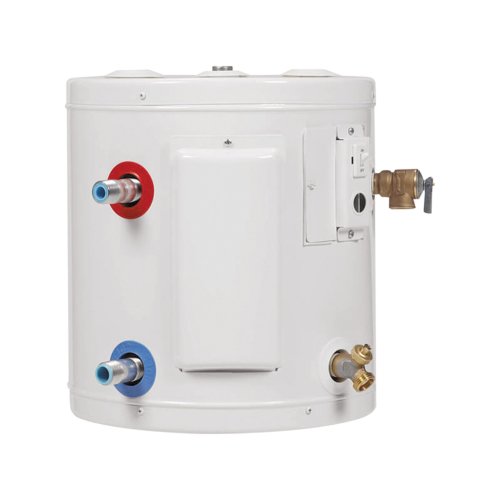
- BWP Score9.5
BWP Score is a ranking system developed by Bestwinterproducts.com. BWP score has no relationship or impact from any manufacturers or sales agent websites. Learn more
- BrandA. O. Smith

- BWP Score8.0
BWP Score is a ranking system developed by Bestwinterproducts.com. BWP score has no relationship or impact from any manufacturers or sales agent websites. Learn more
- BrandA. O. Smith

- BWP Score7.7
BWP Score is a ranking system developed by Bestwinterproducts.com. BWP score has no relationship or impact from any manufacturers or sales agent websites. Learn more
- BrandA. O. Smith
Last update on 2026-10-03 / Affiliate links / Images, Product Titles, and Product Highlights from Amazon Product Advertising API
FAQs
Does hard water cut water heater life in half?
High mineral levels can easily reduce a water heater lifespan from twelve years down to six or seven years if left unmanaged. Dissolved minerals bake onto heating elements and settle along the bottom of the tank, creating a thick barrier that traps heat and accelerates metal fatigue. Installing a whole-house water softening system or flushing the tank once a year keeps mineral deposits from destroying the steel.
What happens when the protective rod wears out completely?
Once the protective metal rod dissolves entirely, corrosive elements in your water supply immediately begin eating the steel tank itself. The protective rod acts as a shield, and without it, tiny hairline cracks in the inner glass lining expose raw metal to continuous rust. Within one to two years of a rod wearing away, the steel shell will develop pinhole leaks that require a total system replacement.
Can a leaking water heater tank be patched or welded?
A leaking water heater tank cannot be patched, welded, or safely glued. Domestic water heaters operate under continuous household water pressure ranging between 40 and 80 pounds per square inch, alongside ongoing expansion and contraction from heat cycles. Any patch will quickly blow out, risking severe basement flooding, electrical short circuits, and costly property damage.
How hot should you set an AO Smith water heater?
Setting the temperature dial to 120 degrees Fahrenheit provides plenty of warmth for hot showers and clean dishes while protecting your family from accidental burns. Running your heater at higher temperatures, such as 140 degrees, accelerates mineral scaling and causes internal parts to deteriorate much faster. Keeping it at 120 degrees also trims your monthly energy bill by reducing heat loss through the tank walls.


Best Warm Winter Scarves 2026 For Cozy Comfort

Best Green Ski Goggles 2026 For Clear Vision On Slopes

12 Best Corner Electric Fireplace 2026: My Ultimate Guide To Pick One

Best Battery Powered Snow Blower 2026 For Effortless Snow Clearing

Best Ski Goggles Under 30 Inches For Crisp Vision And Comfort

Best Cooling Scarf 2026 For Instant Relief And Comfort

Fake Snow for Grass: Create a Realistic Winter Lawn Display

Dimplex Prism Wall Mount Fireplace: Sleek Heat With Modern Flame Style





