
How Long Do Rinnai Gas Heaters Last and When to Replace Them?

Check the rating sticker on the side of the unit to find the build date right away. That date shows how close the equipment is to its typical lifespan of 15 to 20 years. Most of these indoor gas heaters run reliably through two full decades before internal parts wear out, giving plenty of quiet warmth before any major trouble starts.
A few simple factors can shorten or stretch that timeline. Keeping the plastic air filter and fan louvers clear of household dust protects the internal blower motor from overheating. Heavy winter use as a primary heat source also wears down the burner faster than light supplemental heating, while dusty living spaces demand more frequent care. Here is how to spot the warning signs of a failing unit, keep the heat running safely, and choose the right time to replace it.
Plan on Fifteen to Twenty Years of Steady Service
Most Rinnai gas heaters run reliably for 15 to 20 years before major internal parts wear out. These units are built with durable metals and heavy-duty blowers, so they outlast many standard portable space heaters by a wide margin. But reaching that 20-year milestone depends heavily on how hard the heater works each winter, where it sits in your home, and how often you clean away dust.
Operating hours make a major difference in overall equipment life. A heater used for primary warmth in a cold northern climate might run 12 to 14 hours a day for five straight months. That steady demand puts thousands of hours of heat stress on the burners and the internal fan motor. In contrast, a unit used for supplemental warmth in a finished basement or a guest room runs only a fraction of that time, which helps its components last years longer. If you use a heater to warm drafty bonus rooms, looking into a dedicated heater for an enclosed porch can also balance heating demands across your house so no single unit takes on too much strain.
Your venting setup also plays an important role in long-term durability. A direct vent heater uses a direct vent (a sealed pipe through the wall that brings fresh air in and pushes exhaust outside). Because it draws combustion air directly from outdoors, the burner stays protected from indoor pet hair, dust bunnies, and aerosol sprays. Ventless indoor space heaters pull air straight from the room. If a ventless unit sits on a dusty carpet or near a busy kitchen, airborne grease and lint can build up on the burner assembly, which shortens its working lifespan unless you clean it regularly.
Check for the Clear Warning Signs of a Failing Heater
An aging gas heater rarely quits without giving you clues first. Paying attention to everyday operational changes helps you catch trouble before an icy night leaves you without heat. Look and listen for these common red flags:
- A lazy yellow or orange flame: A healthy natural gas or propane burner produces a steady, crisp blue flame. If the flame turns yellow, flickers erratically, or leaves dark soot marks on the front grille, the burner is not getting enough air. This points to heavy dust buildup or a worn burner tray that can no longer mix fuel and air safely.
- Rattling, squealing, or popping sounds: The convection blower should produce a gentle, steady hum of moving air. High-pitched squealing usually means the fan motor bearings are dry or failing. A loud pop or booming sound right when the unit starts up indicates delayed ignition, where gas collects for a split second before lighting.
- Repeated error codes on the display: An error code (a two-digit number on the screen showing why the heater shut down) tells you that an internal safety sensor was triggered. If an error code appears once, clearing dust from the filter might solve it. If the heater locks out with codes every few days, an internal gas valve, flame sensor, or circuit board is wearing out.
- Short-cycling on and off: If the heater turns on, runs for two or three minutes, shuts off before reaching your set temperature, and repeats the cycle continuously, it is overheating. This happens when restricted airflow traps heat inside or when an internal thermostat sensor drifts out of calibration.
- Visible rust or metal deterioration: Examine the bottom louvers and the area around the heat exchanger (an internal metal chamber where burning gas warms up indoor air). Flaking rust, white chalky powder, or cracked metal seams indicate metal fatigue from years of heating and cooling cycles. Once metal chambers crack, the heater cannot safely run.
Weigh the Repair Cost Against a Brand New Unit
Deciding whether to call a technician for repairs or shop for a new heating unit comes down to age, reliability, and cost. When a gas heater acts up, use the 50 percent rule as your initial benchmark. If an estimate to fix an aging unit approaches half the price of a brand-new replacement, putting that money toward a modern unit is the smarter financial move.
Age acts as the ultimate deciding factor. If your heater is under eight or ten years old, routine part replacements make good sense. Replacing an electronic igniter, a thermal fuse, or a room temperature sensor is relatively inexpensive and gives the heater another five to ten years of dependable performance. At this stage of life, the core metal structure and heat exchanger are usually still solid.
Once a heater passes 15 years of service, major repairs rarely deliver good value. Sourcing factory circuit boards, control panels, or specialized blower motors for older models becomes harder and more expensive. Also, older heaters lose efficiency as burners corrode and internal fans slow down, which raises your monthly heating bills. If a technician discovers a cracked heat exchanger or a failing gas valve on an older unit, replace the heater immediately rather than attempting a patch repair.
Home layout and local building standards also matter when making this call. For instance, homeowners replacing units in tight floor plans or specialized spaces should review room venting requirements carefully, similar to selecting an approved heater for a mobile home where wall clearances and fuel connections follow strict safety rules.
Follow These Seasonal Steps to Protect Your Heater
A few simple maintenance habits performed at the start and end of every heating season can easily add five years to the working life of your equipment. Dust is the number one enemy of indoor gas appliances, so keeping the air paths clear should always be your top priority.
- Wash or vacuum the air intake filters: Locate the air filter screen, which sits along the back or side of the heater cabinet. Pull the filter out and brush away loose dust, or rinse it gently under a sink tap if it is heavily coated. Make sure the filter dries completely before sliding it back into place. During peak winter months, inspect this screen every three to four weeks.
- Clean the blower louvers and floor space: Turn the unit off and wait until the front cabinet cools down completely. Use the soft brush attachment on your vacuum cleaner to clear dust, pet fur, and lint from the warm air outlet louvers at the bottom of the heater. Always keep the 3-foot safety buffer clear: never let drapes, area rugs, pet beds, or furniture sit within 36 inches of the front or sides of the unit.
- Inspect the outdoor vent terminal: If your heater uses direct-vent piping through an exterior wall, walk outside and examine the wall cap. Clear away autumn leaves, spider webs, wasp nests, and drifting snow that could choke the intake or exhaust pipes. An obstructed pipe forces the fan to work twice as hard and can trigger safety shutoffs.
- Wipe down the exterior cabinet: Clean the outside housing with a soft, damp cloth to prevent dirt from getting sucked into the internal electronics. Avoid spraying liquid household cleaners or aerosols directly onto the grilles, as chemical fumes can corrode sensitive burner surfaces when heated.
- Schedule professional gas checks every two to three years: Have a licensed gas technician verify the incoming fuel pressure, clear internal dust from the burner chamber, and inspect the electrical ground. A trained professional can catch minor electrical wear before it damages the main control board.
Shut the Heater Down Instantly if You Spot These Hazards
Gas appliances are exceptionally safe when operating properly, but worn components can pose serious fire or gas hazards. You must know exactly when to turn the unit off and step away. Never operate a heater that shows any of the following danger signs:
A smell of rotten eggs means raw gas is escaping. Gas utility providers add a sulfur-like odor so you can detect even tiny leaks. If you smell gas near the cabinet or wall connection, do not flip light switches, do not touch electrical outlets, and do not try to relight the heater. Leave the home immediately and call your gas utility provider from a mobile phone outside.
Soot marks, a smoky odor, or a sounding carbon monoxide detector mean combustion gases are spilling into your living area rather than venting outside. Carbon monoxide is an invisible, odorless gas that causes headaches, dizziness, nausea, and serious harm. If an alarm sounds or you see black soot collecting on the wall above the heater, shut the unit off at once and ventilate the room.
Frequent trips of the oxygen depletion sensor (a safety switch that shuts off gas if room oxygen drops) indicate that room ventilation is inadequate or the burner is choking. Never attempt to adjust, rewire, or bypass this safety switch. If a safety switch trips, leave the heater off until a qualified gas technician checks the unit.
To safely shut down the heater during an emergency, follow these steps in order:
- Press the power button on the control panel to turn the unit off.
- Locate the manual gas shutoff valve, which is usually installed on the pipe right behind or beside the heater.
- Turn the shutoff handle a quarter-turn so it sits perpendicular to the gas pipe (forming a cross shape across the pipe line). This cuts the fuel flow completely.
- Unplug the power cord from the wall outlet only if there is no smell of raw gas in the room.
- Contact a licensed gas fitter or HVAC professional to inspect the appliance before restoring fuel flow.
Choose the Right Replacement Style for Your Living Space
When your old heater reaches the end of its road, picking the right replacement comes down to your home construction, your fuel source, and your heating needs. Gas heaters generally divide into two main styles: sealed direct-vent wall furnaces and compact ventless room heaters.
Direct-vent wall heaters mount against an exterior wall and vent straight out through a small hole. They draw fresh air from outside and vent all combustion byproducts outdoors, keeping indoor air crisp and moisture-free. This design works wonderfully for bedrooms, living rooms, and primary living spaces where you want clean, continuous warmth without needing a central duct system.
Ventless space heaters do not require a chimney or an exterior wall cut, making them simple to place along interior walls or in central living areas. They convert almost all fuel directly into room heat. However, because they release moisture and consume indoor oxygen, they belong only in well-ventilated, open rooms that meet strict room-size guidelines. Always check your local heating codes, as some municipalities restrict ventless gas heaters in specific rooms or property types.
Before purchasing any new unit, confirm your exact fuel type. A natural gas heater cannot run on liquid propane without a proper conversion kit, and running the wrong fuel can ruin internal parts within minutes. Check your room dimensions to match the heater output to your space, ensuring your new unit will deliver steady, reliable warmth for the next two decades.

- BWP Score9.6
BWP Score is a ranking system developed by Bestwinterproducts.com. BWP score has no relationship or impact from any manufacturers or sales agent websites. Learn more
- BrandRinnai
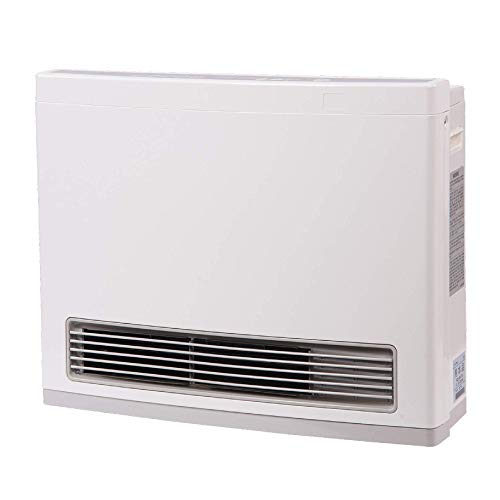
Rinnai FC824P Ventless Propane Heater, Energy-Efficient Space Heater with Programmable
View on Amazon- BWP Score8.0
BWP Score is a ranking system developed by Bestwinterproducts.com. BWP score has no relationship or impact from any manufacturers or sales agent websites. Learn more
- BrandRinnai

- BWP Score9.4
BWP Score is a ranking system developed by Bestwinterproducts.com. BWP score has no relationship or impact from any manufacturers or sales agent websites. Learn more
- BrandRinnai
- BWP Score9.0
BWP Score is a ranking system developed by Bestwinterproducts.com. BWP score has no relationship or impact from any manufacturers or sales agent websites. Learn more
- BrandRinnai

- BWP Score7.8
BWP Score is a ranking system developed by Bestwinterproducts.com. BWP score has no relationship or impact from any manufacturers or sales agent websites. Learn more
- BrandRinnai

- BWP Score7.6
BWP Score is a ranking system developed by Bestwinterproducts.com. BWP score has no relationship or impact from any manufacturers or sales agent websites. Learn more
- BrandRinnai
Last update on 2026-10-12 / Affiliate links / Images, Product Titles, and Product Highlights from Amazon Product Advertising API
FAQs
How can I check the age of my Rinnai gas heater?
You can find the manufacturing date on the silver data plate sticker located on the side or inside the lower access panel of your heater. This label lists the serial number, model name, and production year. If the label only shows a serial number, you can call Rinnai customer support with that number to confirm the exact month and year the unit was built.
Can a clogged dust filter cause a Rinnai heater to shut down?
Yes, a clogged filter is the most common reason these heaters shut off unexpectedly. When dust covers the filter screen, the convection fan cannot draw enough air over the internal heat exchanger, triggering an automatic overheat sensor. Cleaning the filter screen restores proper airflow and usually clears the error without needing replacement parts.
Is it safe to run an older gas heater overnight?
A direct-vent heater in good working order is safe to run overnight because it seals exhaust gases away from your bedroom and uses built-in thermal shutoffs. However, you should never run an aging heater overnight if it makes strange noises, smells unusual, or has not been cleaned recently. Always ensure working carbon monoxide and smoke alarms are installed on every floor of your home.
Do direct-vent heaters last longer than ventless models?
Direct-vent heaters often outlast ventless models by three to five years because their combustion chambers stay cleaner. By pulling fresh outside air through a sealed intake pipe, the burner avoids drawing in pet hair, dust, and cooking oils from indoor living spaces. Ventless units pull all indoor airborne particles across the flame, requiring more frequent cleanings to reach a 15-year lifespan.


Best Warm Winter Scarves 2026 For Cozy Comfort

Best Green Ski Goggles 2026 For Clear Vision On Slopes

12 Best Corner Electric Fireplace 2026: My Ultimate Guide To Pick One

Best Battery Powered Snow Blower 2026 For Effortless Snow Clearing

Best Ski Goggles Under 30 Inches For Crisp Vision And Comfort

Best Cooling Scarf 2026 For Instant Relief And Comfort

Fake Snow for Grass: Create a Realistic Winter Lawn Display

Dimplex Prism Wall Mount Fireplace: Sleek Heat With Modern Flame Style





