How Many Pieces of Firewood in a Cord Explained Clearly

The question how many pieces of firewood in a cord sounds simple, yet it trips up a lot of people once real-world stacking enters the picture. A cord is officially defined as a stacked pile measuring 4 feet high, 4 feet deep, and 8 feet long, which equals 128 cubic feet of wood and air combined. That mix of solid wood and empty space is where expectations often drift, because firewood is rarely uniform in size. Some stacks look packed tight, others look airy, and both can still be sold as a full cord. Understanding this nuance keeps assumptions grounded and wallets safe.
Firewood length plays a huge role in estimating piece count, and it’s often overlooked. Most residential firewood is cut to 16 inches, meaning three rows fit neatly into the 4-foot depth of a cord. With that standard length, a cord usually contains somewhere between 600 and 700 individual pieces, depending on thickness and how straight the splits are. Shorter cuts increase the count, while longer cuts reduce it, even though the total volume remains the same. That’s why piece count is always an estimate, never a promise carved in stone.
Split size is another silent variable that reshapes expectations fast. Thick, chunky splits made for long overnight burns mean fewer pieces per cord, while slimmer splits intended for quick heat-ups push the count higher. Wood species matters too, as dense hardwoods like oak are often split differently than softer woods like pine. Add in crooked grain or knots, and suddenly uniformity goes out the window. The takeaway is simple: cords are measured by volume, not by how many pieces you can count.
Knowing how many pieces of firewood in a cord helps with planning beyond the woodpile itself. It informs how many days of heating you might expect, how often you’ll restock the rack, and how much storage space you really need. It also sharpens your eye when buying firewood, especially if it’s delivered loosely rather than stacked. Instead of counting pieces, smart buyers look at dimensions, stacking depth, and overall volume. That mindset keeps expectations realistic and avoids the classic feeling of being shorted.

- BWP Score9.6
BWP Score is a ranking system developed by Bestwinterproducts.com. BWP score has no relationship or impact from any manufacturers or sales agent websites. Learn more
- BrandWoodhaven

- BWP Score9.2
BWP Score is a ranking system developed by Bestwinterproducts.com. BWP score has no relationship or impact from any manufacturers or sales agent websites. Learn more
- BrandVEVOR

- BWP Score9.6
BWP Score is a ranking system developed by Bestwinterproducts.com. BWP score has no relationship or impact from any manufacturers or sales agent websites. Learn more
- BrandWoodhaven

- BWP Score8.8
BWP Score is a ranking system developed by Bestwinterproducts.com. BWP score has no relationship or impact from any manufacturers or sales agent websites. Learn more
- BrandOld Potters

- BWP Score9.6
BWP Score is a ranking system developed by Bestwinterproducts.com. BWP score has no relationship or impact from any manufacturers or sales agent websites. Learn more
- BrandEnclume

- BWP Score8.6
BWP Score is a ranking system developed by Bestwinterproducts.com. BWP score has no relationship or impact from any manufacturers or sales agent websites. Learn more
- BrandWoodover

- BWP Score8.2
BWP Score is a ranking system developed by Bestwinterproducts.com. BWP score has no relationship or impact from any manufacturers or sales agent websites. Learn more
- BrandFirewood Central
Last update on 2026-02-08 / Affiliate links / Images, Product Titles, and Product Highlights from Amazon Product Advertising API
Why people obsess over piece count in a firewood cord
The question how many pieces of firewood in a cord keeps popping up because buying firewood is often tied to money, warmth, and trust. People don’t just want heat; they want reassurance they’re not getting shorted. When a truck pulls up with a loose pile instead of a neatly stacked wall of logs, doubt creeps in fast. That doubt usually turns into counting pieces, even though a cord was never designed to be counted that way.
For many households, firewood isn’t a luxury; it’s a seasonal necessity. A misjudged cord can mean scrambling for more wood in the dead of winter or burning through a budget faster than planned. That’s why piece count feels like control, even if it’s an imperfect one. People want a number they can picture, something concrete they can compare. The problem is that firewood rarely behaves like identical units.
There’s also a fairness angle baked into this obsession. Buyers want to know if the price they paid lines up with what they received, especially when different sellers give wildly different estimates. One person says a cord has 500 pieces, another swears it’s 800, and suddenly confusion reigns. That gap fuels skepticism and word-of-mouth myths. At its core, this curiosity reflects a desire for transparency more than math.
Finally, piece count matters because it affects planning. People estimate how long a pile will last, how often they’ll need to restack, and how much storage space they need. Those mental calculations often start with how many pieces of firewood in a cord, even if the answer shifts with reality. It’s not about perfection; it’s about feeling prepared. And preparedness brings peace of mind.
What a cord actually measures and why that matters
A cord is officially defined as a stack measuring 4 feet high, 4 feet deep, and 8 feet long, totaling 128 cubic feet. That measurement includes both solid wood and the air trapped between pieces. This detail is where expectations often derail, because most people picture solid mass rather than stacked volume. Air gaps aren’t a flaw; they’re part of the definition.
Because cords are measured by volume, not by weight or count, piece numbers naturally fluctuate. Thin splits pack differently than chunky ones, and crooked logs create more empty space than straight cuts. Two cords can be identical in volume yet look wildly different at a glance. This visual difference is what makes people question legitimacy.
The idea of volume also explains why stacking matters so much. A neatly stacked cord shows its true size, while a loose pile can appear deceptively large or small. That’s why experienced buyers insist on stacked measurement when possible. It removes guesswork and puts everyone on the same page.
Understanding volume over count changes how buyers evaluate value. Instead of asking how many pieces came off the truck, they start asking whether the dimensions line up. This shift reduces disputes and keeps expectations realistic. In the long run, volume-based thinking saves both money and frustration.
How log length shapes the number of pieces in a cord
Log length is one of the biggest drivers behind variation in how many pieces of firewood in a cord. In most residential settings, firewood is cut to about 16 inches long. At that length, three rows fit neatly into the 4-foot depth of a cord. This standard alone creates a rough baseline for estimating piece count.
With 16-inch logs, a typical cord often lands somewhere between 600 and 700 pieces. That number isn’t guaranteed, but it’s a common range many sellers reference. Shorter logs increase the number of pieces because more cuts are needed to fill the same volume. Longer logs do the opposite, reducing the count while keeping volume intact.
This variation is why two cords can feel very different in daily use. A cord of short, slim pieces might seem abundant, while longer, thicker logs feel sparse. Yet both can deliver similar total burn time if the wood species and moisture content are comparable. The perception gap comes from handling, not heat output.
Buyers who know their stove dimensions gain an edge here. Matching log length to firebox size avoids wasted cuts and awkward stacking. It also aligns expectations around piece count, making the delivery feel right from the start. In that sense, log length becomes a planning tool, not just a measurement detail.
Split size, thickness, and the illusion of quantity
Split thickness quietly reshapes expectations more than most people realize. Thick splits are designed for long, slow burns, often favored overnight or in high-efficiency stoves. Thin splits ignite faster and are great for quick heat, kindling, or shoulder seasons. Both approaches change how many pieces of firewood in a cord without changing the cord itself.
A cord filled with chunky splits might only have 400 to 500 pieces, sometimes fewer. That lower count can feel alarming if you expected a mountain of logs. However, those pieces often burn longer and require less frequent reloading. The value is there, just packaged differently.
On the flip side, slim splits can push piece counts well above 700. Handling them feels productive because you’re moving more pieces, stacking higher, and filling racks faster. But thinner wood tends to burn quicker, which can increase how often you’re tending the fire. Quantity doesn’t always equal longevity.
This illusion of quantity is where many buying regrets are born. People equate more pieces with more heat, only to realize burn behavior matters just as much. Knowing your heating habits helps decode this tradeoff. Informed buyers focus on burn efficiency over raw count.
Wood species and moisture content complicate the math
Different wood species add another layer to the piece-count puzzle. Dense hardwoods like oak or hickory are often split thicker because they burn hot and long. Softer woods like pine or spruce are usually split smaller to compensate for faster burn rates. This practice alone shifts how many pieces of firewood in a cord dramatically.
Moisture content also plays a role, even if it’s less obvious. Seasoned wood tends to be lighter and easier to split cleanly, leading to more uniform pieces. Green or partially seasoned wood can split unevenly, creating odd shapes and more air gaps. Those gaps reduce how many pieces fit into the same volume.
According to forestry data often cited by extension services, properly seasoned firewood usually contains under 20 percent moisture. That level improves combustion efficiency and reduces creosote buildup. It also makes stacking tighter and more predictable. Better seasoning quietly improves consistency.
When buyers ignore species and moisture, piece count becomes misleading. A cord of dense hardwood may outperform a higher-count cord of softwood over time. Heat output, burn duration, and reload frequency matter more than the raw number. In the end, performance beats arithmetic.
Why counting pieces is a risky way to judge value
Counting pieces feels intuitive, but it’s a shaky way to judge whether you got a fair deal. Sellers can meet volume requirements with wildly different-looking piles, all technically correct. Buyers who fixate on count often miss the bigger picture. That tunnel vision leads to unnecessary disputes.
Another risk is inconsistency across deliveries. If one year’s cord had 650 pieces and the next has 520, panic sets in. Yet nothing may be wrong at all if split size or log length changed. Without context, numbers alone spark mistrust.
There’s also the temptation to compare neighbors or online anecdotes. Someone else’s “cord” might be stacked tighter, cut shorter, or split thinner. Comparing those counts apples-to-apples rarely works. Each pile tells its own story.
A smarter approach is evaluating dimensions, stacking quality, and wood condition together. When those factors line up, the value is usually there. Shifting focus away from pure count reduces stress and buyer’s remorse. Perspective becomes protection.
How firewood expectations change with alternative heating options
Not everyone relying on heat today wants the same level of manual labor. Some homeowners supplement wood heat with electric options to reduce workload and variability. Products like best electric fireplace logs appeal to people who want predictable output without stacking or splitting. That contrast highlights why firewood expectations feel so demanding.
Others move toward hybrid setups using inserts or wall-mounted units. A modern best led fireplace insert offers visual warmth with consistent performance, removing guesswork about cords entirely. These alternatives don’t replace firewood for everyone, but they shift how people value effort versus convenience. The comparison reframes what “enough heat” really means.
In smaller spaces, wall-mounted solutions can take pressure off wood supplies. Choosing a best wall mounted electric fireplace heater often reduces the number of cords needed per season. That reduction makes each remaining cord feel more precious and more scrutinized. Expectations rise as reliance narrows.
This context matters because it explains why people crave certainty around piece count. When firewood is one of several heating sources, precision feels less critical. When it’s the primary source, every piece feels counted twice. The emotional weight of how many pieces of firewood in a cord grows with dependence.
How sellers estimate a cord without counting pieces
Firewood sellers rarely think in terms of individual logs, even if buyers do. Their pricing and inventory revolve around volume because that’s the only standard that scales reliably. Measuring stacks by length, height, and depth removes personal bias and keeps transactions consistent. This approach protects both sides when expectations collide.
Most reputable sellers stack at least one reference cord on-site. That visual benchmark guides how they load trucks or trailers for loose deliveries. Instead of counting, they calculate how many loads equal one stacked cord once unloaded and squared up. This method isn’t guesswork; it’s learned through repetition.
Experience also shapes how sellers split wood. They know thicker splits reduce handling time and thinner splits increase labor. Those choices affect how many pieces end up in a cord, even though the volume stays fixed. Buyers focusing only on count often miss this labor equation.
When disputes arise, sellers fall back on measurements, not numbers. If the stacked dimensions check out, the deal stands. That’s why trusting volume over piece count keeps transactions smoother. Consistency beats counting in real-world firewood sales.
How buyers can spot a true cord without doing math
Buyers don’t need a tape measure obsession to protect themselves. Visual cues go a long way when you know what to look for. A stacked cord should clearly show three dimensions that align with the standard size. If those proportions feel off, it’s worth pausing.
One useful trick is asking the seller to stack at least part of the delivery. Even a partial stack reveals depth and log length quickly. This request isn’t confrontational; it’s practical. Honest sellers usually welcome it.
Another signal is uniformity. Consistent log length and split size suggest deliberate processing rather than rushed cutting. That consistency usually translates into predictable stacking and fewer air gaps. It’s not about perfection, just intention.
Ultimately, buyers gain confidence by shifting focus from numbers to structure. When the pile makes sense dimensionally, piece count fades into the background. That shift reduces anxiety around how many pieces of firewood in a cord. Confidence comes from clarity, not arithmetic.
Planning seasonal heat based on cords, not pieces
Seasonal planning works best when cords become the unit of thinking. Households that heat primarily with wood often estimate usage in cords per winter. This approach accounts for burn habits, climate, and insulation rather than individual logs. It’s broader, but far more accurate.
For example, many homes in colder regions burn between three and five cords per season. That number fluctuates with stove efficiency and weather patterns. Counting pieces wouldn’t capture those variables. Volume-based planning does.
This mindset also helps with budgeting. Knowing the average price per cord allows homeowners to forecast heating costs months ahead. It smooths cash flow and avoids emergency purchases mid-winter. Financial predictability reduces stress.
When planning shifts this way, piece count becomes trivia instead of a decision driver. It’s interesting, but not essential. Strategic planning favors volume over granular detail.
Why alternative heating changes firewood expectations
Many households now mix wood heat with electric options to balance effort and comfort. Supplemental heaters reduce how fast cords disappear during cold snaps. That change reshapes how people perceive value in a cord. Fewer cords used means each one feels more scrutinized.
Budget-conscious users sometimes offset wood heat with devices like best electric fireplace under 200 options. These heaters provide steady warmth without stacking, splitting, or hauling. As reliance shifts, expectations around firewood precision increase. People want fewer surprises.
Comfort-focused households often pair wood heat with soft, localized warmth. A best king size electric blanket dual control setup can reduce overnight burn needs. That reduction changes how many cords are burned annually. Firewood becomes supplemental rather than central.
This blend of heating methods reframes the original question. When wood isn’t the sole heat source, exact piece count matters less. What matters is reliability when it’s needed. Flexibility reshapes priorities.
Common myths that inflate expectations about piece count
One persistent myth claims there’s a “correct” number of pieces in every cord. In reality, that number swings widely based on cut length and split thickness. Treating one number as universal sets buyers up for disappointment. Firewood doesn’t operate on assembly-line rules.
Another myth assumes more pieces equal more heat. While quantity affects handling, heat output depends on species, moisture, and burn efficiency. A lower-count cord of dense hardwood can outperform a higher-count softwood cord. Numbers alone don’t tell the full story.
Some people believe loose piles are inherently dishonest. While stacking is clearer, loose delivery can still equal a full cord if measured correctly. The issue isn’t looseness; it’s verification. Distrust often stems from uncertainty, not deception.
Dispelling these myths brings expectations back to earth. Buyers feel less reactive and more informed. That shift makes how many pieces of firewood in a cord a guidepost, not a grievance.
Using piece estimates as a practical reference, not a rule
Piece estimates still have value when used wisely. They help visualize workload, storage needs, and daily handling. Knowing a cord might contain 600 to 700 pieces gives a rough sense of scale. It’s a mental map, not a contract.
These estimates also aid communication with sellers. Discussing typical piece ranges clarifies expectations without locking anyone into rigid numbers. It keeps conversations grounded and cooperative. Transparency improves outcomes.
Homeowners stacking their own wood often track how many wheelbarrow loads equal a cord. Over time, those personal benchmarks become more reliable than generic numbers. Experience replaces guesswork. Familiarity breeds accuracy.
In the end, the smartest use of piece count is contextual. It supports planning without dominating it. Balance turns estimates into tools, not sources of frustration.
Why confidence matters more than precision in firewood buying
Confidence changes how buyers experience the entire process. When people trust their ability to assess volume, they stop second-guessing every delivery. That trust reduces stress and saves time. Precision becomes less urgent.
This confidence often grows from repetition. After stacking a few cords, the visual language of volume becomes familiar. Buyers recognize what a full cord looks like without counting anything. Experience sharpens intuition.
Confidence also improves relationships with sellers. Clear expectations reduce tension and misunderstandings. Transactions feel collaborative instead of adversarial. Everyone benefits.
Ultimately, firewood buying rewards calm evaluation over rigid metrics. The goal is warmth, not winning a numbers game. Confidence delivers comfort long before the first log hits the stove.

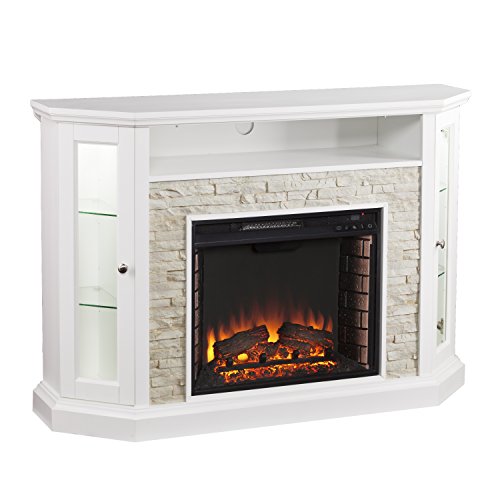
12 Best Corner Electric Fireplace 2026: My Ultimate Guide To Pick One
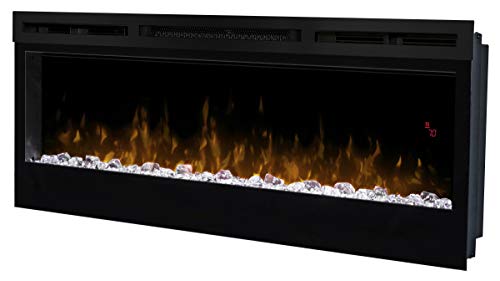
Dimplex Prism Wall Mount Fireplace: Sleek Heat With Modern Flame Style
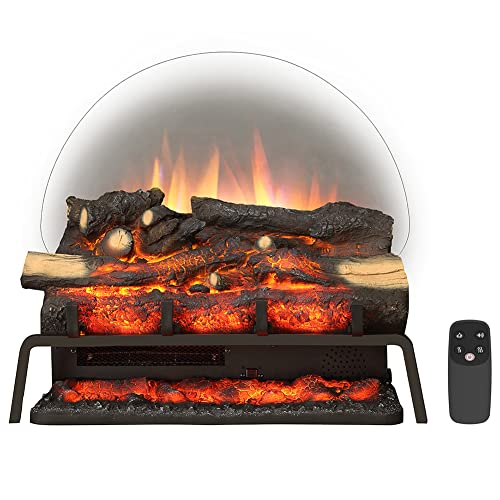
Best Electric Fireplace Insert for Large Room Heating and Style

Best 40 Inch Electric Fireplace Insert 2026 - Cozy Ambiance with Modern Power
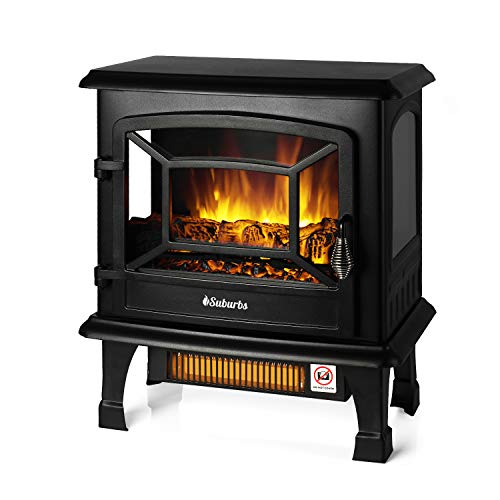
Top 12 Best Quality Electric Fireplace 2026 - Buying Guides

Best Wall Mount Electric Fireplace 2026 for Ultimate Comfort and Style

How to Start Monessen Fireplace: A Step-by-Step Guide

How to Whitewash Rock Fireplace: Simple Steps to Refresh Your Space