
How Many Space Heaters Can You Safely Run in a House?

Most homes can run two to four heaters. The rule that matters most is running only one heater per electrical circuit, not one per room. A standard portable heater running on high draws nearly all the electrical power a normal household circuit can carry. Plugging two units into wall outlets that share the same circuit breaker (the switch in your electrical box that shuts off power during an overload) will quickly trip the breaker or overheat the wiring.
That safe number changes based on how much power each unit uses. Turning a heater down to a lower heat setting cuts its power draw in half, which can allow an extra unit on separate wiring. But running other appliances like a microwave, television, or hair dryer on those same lines leaves less room for heating. Here is how to figure out which outlets share breakers and keep your home warm safely.
Run Only One Full-Power Heater on Each Electrical Circuit
Can you plug two space heaters into the same bedroom or living room? The short answer is almost always no. If both heaters run on high, they will trip your circuit breaker (the switch in your electrical box that shuts off power during an overload). Worse, if an older breaker fails to trip, overloaded wiring inside your walls will overheat and create a serious fire hazard.
The most important rule of home heating is simple: count your circuits, not your rooms. In most houses and apartments, electrical wiring is divided into zones that do not match room boundaries. One electrical circuit often connects outlets across two bedrooms, a hallway, and part of a bathroom. Plugging one heater into your bedroom and another into a room next door might still put both units on the exact same wire.
Space heaters on high draw an immense amount of electricity. Household circuits are designed to share power among small everyday items like phone chargers, table lamps, and televisions. They cannot carry two heavy heating elements at once. Most homes can safely handle between two and four heaters running at once, but each heater running on high needs its own dedicated circuit (a power line connected to only one active heavy appliance).
A Single 1,500-Watt Heater Maxes Out a Standard Breaker
To understand why multiple heaters cause trouble, look at how much power standard wall outlets provide. Most outlets in American homes run on 15-amp, 120-volt circuits. When you multiply volts by amps, a 15-amp circuit has a maximum theoretical capacity of 1,800 watts (how much electrical power a device draws).
Safety standards require that a household circuit never carry more than 80 percent of its maximum load for continuous use. Any appliance that runs steadily for three hours or more, such as a space heater on a freezing night, counts as continuous use. That safe 80 percent threshold is exactly 1,440 watts.
Nearly all portable electric space heaters draw 1,500 watts on their high heat setting, which equals about 12.5 amps of electricity. This single appliance takes up the entire safe capacity of that 15-amp line. If you plug two 1,500-watt heaters into the same circuit, they try to pull 3,000 watts and 25 amps. The breaker trips to stop the wires from melting.
Will running three or four space heaters overload your entire house? In modern homes with 100-amp or 200-amp main electrical panels, the answer is usually no. Four heaters running on separate breakers draw around 50 amps combined, leaving plenty of power for lights and electronics. But in older homes with 60-amp panels, running several heaters alongside an electric stove or water heater can push your main breaker to its limit. If you need to warm an uninsulated outbuilding or drafty sunroom, an efficient heater for an enclosed porch can cut the chill without forcing you to scatter portable units across the house.
Map Your Outlets to Find Out Which Breakers Share Power
Before you plug in heaters in different rooms, you need to verify which wall outlets connect to which switches in your electrical panel. Never guess based on room walls. Electricians often wire outlets in patterns that seem completely random.
Mapping your home circuits is a quick job that takes about twenty minutes with a small table lamp or nightlight. Follow these simple steps:
- Plug your working lamp into the wall outlet you plan to use for your first heater, and turn the light on.
- Go to your main electrical panel, usually located in your basement, garage, utility room, or closet.
- Look at the panel index card, then switch off the breaker controlling that room. If switches are unlabelled, flip breakers one by one until the lamp goes dark.
- Leave that breaker off. Walk through the house with a second lamp, plugging it into every socket in that room, the rooms next door, and down the hall.
- Note every outlet that has no power while that single switch is off. All of those dead sockets belong to the same circuit. You cannot run a second full-power heater in any of them.
- Turn the breaker back on. Pick an outlet in another room that stayed lit during your check, and repeat this process to locate a second, separate breaker for your other heater.
Put a piece of tape on each outlet plate with its breaker number. This makes it easy to remember your safe heating spots. If you live in a manufactured home with compact wiring, selecting a specialized heater for a mobile home designed for tighter spaces provides extra peace of mind.
Lower Heat Settings Let You Safely Run Extra Heaters
If your home layout forces you to use outlets on the same circuit, you can still run multiple units by switching your heaters to their low heat setting. Most portable heaters feature at least two power levels, typically labeled High (1,500 watts) and Low (750 watts).
Running a heater on low cuts its electrical appetite in half. At 750 watts, the appliance draws roughly 6.25 amps at 120 volts instead of 12.5 amps. Because the draw is so much lower, you can safely operate two space heaters on a single 15-amp circuit at the same time, provided both stay dialed down to 750 watts.
Two 750-watt heaters draw 1,500 watts (around 12.5 amps) combined. This stays right at the safe continuous limit for a 15-amp line. It leaves a small buffer for an efficient light bulb or a phone charger, though you should avoid running other heavy appliances on that line.
A 1,500-watt setting provides a fast rush of hot air to quickly warm a closed 150-square-foot room, following the standard guideline of roughly 10 watts per square foot of living space. A 750-watt setting produces a gentler warmth that takes longer to warm a cold room. But once a room is comfortable, 750 watts easily maintains that warmth throughout the day.
Using two heaters on low in separate rooms often works better than blasting one heater on high in a hallway. It spreads warmth evenly without overloading a single branch wire. For cold working areas like workshops where you need dependable temperature control on a single line, an electric heater for a garage with a thermostat can help balance power draw by cycling off as soon as the space reaches your set warmth.
Watch for Hot Outlets and Burning Smells Right Away
Even when circuit breakers do not trip, overloaded electrical lines can heat up silently behind your walls. Worn outlet contacts or loose wire connections can create points of high resistance that generate dangerous heat. Whenever you run space heaters, perform regular safety checks on your hardware.
Follow this safety checklist while your heaters are warming your home:
- Touch the wall outlet plate: Place the back of your hand against the plastic cover plate every few hours. The plate should feel cool or slightly warm. If the plastic feels hot, turn the heater off and unplug it immediately.
- Sniff the air near the plug: Electrical overheating produces a distinct odor that smells like fish, burning rubber, or melting plastic. If you catch this scent near an outlet, shut down the heater right away.
- Inspect the plug blades: Turn off the heater and pull the plug out of the socket. If the metal prongs look blackened or melted, the outlet contacts inside the wall are failing.
- Listen for wall noises: Sizzling, crackling, popping, or buzzing sounds from an outlet indicate electrical arcing, where current jumps across a gap. Arcing is an immediate fire hazard.
- Observe your overhead lighting: If lights in the room dim or flicker noticeably when the heater kicks on, that circuit is carrying too much load.
Always plug your space heater directly into a wall socket. Never use extension cords, power strips, or surge protectors. Most consumer cords use thin wiring that overheats and melts under continuous heavy draw before your breaker can trip.
Keep a 3-foot safety buffer around your heater: at least 36 inches of clear space away from bedding, drapes, couches, and papers. If you find a hot wall plate, scorched plastic, or an outlet that sparks, stop using it immediately and call a licensed electrician.
Choose Heaters with Low-Watt Settings to Protect Your Power
If you need to heat several rooms across your home without overloading your electrical panel, look for portable space heaters designed for flexible power management. Models that offer selectable heat settings, such as a low 750-watt mode alongside the standard 1,500-watt high mode, are ideal. Having a dependable half-power setting lets you run two units on a single shared circuit or balance three to four units across separate rooms safely.
Before buying any heater, verify that it carries recognized safety certifications. Check the packaging or rating label for marks from recognized safety certification organizations like UL (Underwriters Laboratories) or ETL (Intertek). These marks confirm that the appliance meets strict US electrical safety and fire standards.
Look for essential internal safeguards that prevent accidents. A tip-over safety switch that cuts power instantly if the unit is knocked over or tilted is critical if you have pets or children. You should also ensure the unit includes an automatic overheat sensor that shuts the unit off if internal parts get dangerously hot from a blocked grille.
Finally, look for models equipped with an adjustable digital temperature dial or a mechanical thermostat knob that clicks on and off to hold your set warmth. A cycling thermostat prevents the heater from pulling continuous power all night long, giving your home circuits regular resting breaks.
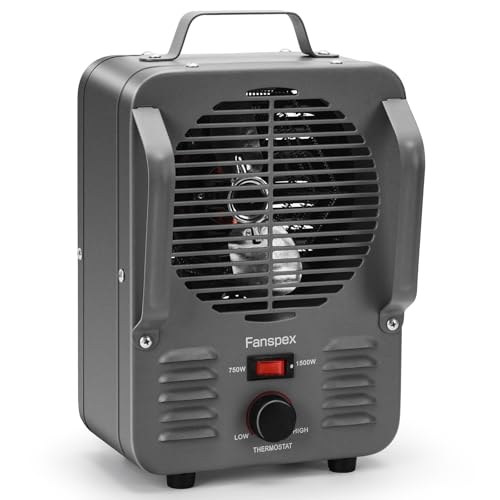
- BWP Score9.4
BWP Score is a ranking system developed by Bestwinterproducts.com. BWP score has no relationship or impact from any manufacturers or sales agent websites. Learn more
- BrandFanspex

- BWP Score9.1
BWP Score is a ranking system developed by Bestwinterproducts.com. BWP score has no relationship or impact from any manufacturers or sales agent websites. Learn more
- BrandDR. INFRARED HEATER
Last update on 2026-10-12 / Affiliate links / Images, Product Titles, and Product Highlights from Amazon Product Advertising API


Best Warm Winter Scarves 2026 For Cozy Comfort

Best Green Ski Goggles 2026 For Clear Vision On Slopes

12 Best Corner Electric Fireplace 2026: My Ultimate Guide To Pick One

Best Battery Powered Snow Blower 2026 For Effortless Snow Clearing

Best Ski Goggles Under 30 Inches For Crisp Vision And Comfort

Best Cooling Scarf 2026 For Instant Relief And Comfort

Fake Snow for Grass: Create a Realistic Winter Lawn Display

Dimplex Prism Wall Mount Fireplace: Sleek Heat With Modern Flame Style





