
How Much Electricity Does a Tankless Water Heater Use?

There is no reason to panic about massive electric bills with an electric tankless water heater. These systems draw heavy bursts of power while a tap runs, but they drop to zero electricity the second you turn the water off. A compact sink unit might pull 3,000 watts, while a heater handling a full shower can draw 14,000 watts or more while running.
Your actual energy consumption depends on a few practical details. The size of the heater makes the biggest difference, along with how many minutes your household runs hot water each day. Chilly winter groundwater also takes more power to warm up than mild summer water. Understanding how that brief spike in electricity translates to your breaker box and monthly energy use helps you pick the right setup without any surprises.
Understanding Instant Power Draw Versus Your Monthly Electric Bill
Seeing a label on an electric tankless water heater listing ten thousand or fourteen thousand watts can easily cause panic. A typical toaster or hair dryer pulls twelve hundred to fifteen hundred watts. It is natural to assume that a machine drawing ten times that power will send your electric bill into orbit.
The reason your electric bill will not explode comes down to the difference between instantaneous power draw and total energy consumption over time. A kilowatt (kW) represents thousands of watts used at one exact moment. Think of kilowatts like the speedometer on your car. When you merge onto a highway, your car might jump up to seventy miles per hour. That speed is your immediate rate, but if you drive for only two minutes, you burn very little gasoline.
Kilowatt-hours (kWh) measure the total electricity consumed over time on your utility bill. One kilowatt-hour means drawing one thousand watts steadily for sixty minutes. If an appliance uses a burst of power for only brief moments, its total kilowatt-hour count stays low.
When you open a hot water tap, cold water rushes through the heating chamber. To heat that stream instantly, the elements draw a powerful surge of electricity right away. A standard point-of-use heater for a small sink might draw three thousand watts, while a larger unit for a shower and sink pulls fourteen thousand watts.
That sudden surge sounds intimidating, but the heater shuts down completely the moment you close the tap. If you wash your hands or rinse a dish, the heater runs for only thirty or forty-five seconds. In an average home, an electric tankless water heater runs for a combined total of only twenty to thirty minutes across an entire day.
Consider a heater pulling fourteen thousand watts (14 kW). If your household runs hot water for twenty minutes a day, that unit uses roughly 4.6 kilowatt-hours of electricity. That entire day of hot water costs around seventy-five cents to a dollar in most areas. The momentary power draw is dramatic, but the short runtime keeps your monthly bill completely manageable.
How Unit Size and Winter Water Drive Up Electricity Demand
The electricity an on-demand water heater pulls depends on unit size and incoming water temperature. Sizing a tankless heater is not like choosing a forty-gallon or fifty-gallon storage tank. You must match the electrical heating elements to the maximum flow of water your family expects to run at one exact moment.
Compact point-of-use heaters supply a single dedicated water outlet. You frequently find these small units mounted directly under a kitchen sink or in a half-bathroom. These units typically operate between three thousand watts (3 kW) and forty-five hundred watts (4.5 kW) on 110-volt or 240-volt circuits. Because they only need to produce a modest flow for handwashing (around half a gallon per minute), their electrical draw remains manageable for standard branch wiring.
Multi-fixture heaters require significantly more power. A fourteen-kilowatt (14 kW) heater running on a 240-volt circuit can supply a shower and a sink simultaneously, delivering over three gallons of hot water per minute under ideal conditions. Modern units feature self-modulating controls that adjust power according to water flow and temperature. If you turn on a single bathroom faucet, the unit dials down its elements and draws only a fraction of its rated capacity.
However, the biggest factor determining power draw is incoming ground water temperature. Every water heater must produce a temperature rise, which is the difference between incoming cold water and your desired hot tap temperature, usually 110°F to 120°F.
During warm summer months, underground pipes stay relatively warm, and water entering your home may register at 65°F or 70°F. Raising that water to a comfortable 115°F shower requires a mild rise of forty-five to fifty degrees. Your heater easily reaches that target without pulling its maximum rated power.
Winter completely changes the equation. In cold weather, ground temperatures plummet, and incoming tap water can drop to 40°F or colder. Raising 40°F water to 115°F requires a seventy-five-degree lift. That massive gap forces every heating element inside the unit to run at maximum wattage for the entire shower.
If you have ever tried keeping an unheated workspace warm with a steady electric heater for a garage, you know that severe ambient cold forces heating elements to run non-stop at full power. The same physical reality applies to the water pipes buried beneath your yard during freezing winter months.
Tankless Versus Storage Tanks: Why Standby Heat Loss Matters
When homeowners compare electric water heaters, they often wonder why an appliance with such a high momentary power draw is marketed as energy efficient. The answer lies in how traditional water tanks waste electricity through standby loss.
A traditional storage water heater keeps forty or fifty gallons of water heated to around 120°F inside a metal vessel. Even with tank insulation, heat constantly escapes through the metal walls and pipe fittings into the cooler room air. This wasted heat escaping while water sits in a tank is known as standby loss.
To keep that standing reservoir hot, the heating elements inside a traditional tank cycle on repeatedly throughout the day and night. The heater switches on while you sleep, while you work, and while you travel. A standard storage tank usually draws around forty-five hundred watts when heating. While forty-five hundred watts is a smaller instantaneous draw than a tankless unit, running those elements multiple times an hour every day adds up to substantial wasted kilowatt-hours on your electric bill.
An electric tankless water heater completely eliminates standby loss because it does not store standing water. When every faucet in your house is shut, the heating elements draw zero electricity. The unit produces zero wasted heat, and virtually all the electricity it draws turns directly into heated water passing straight to your faucet.
Eliminating standby loss is why switching to an on-demand system often lowers total monthly electricity use. A traditional tank burns electricity constantly just to maintain hot water you might not use for hours. A tankless system pulls a sharp, focused burst of power only when you actively call for it.
This focus on eliminating idle energy waste is essential in tight, self-contained living spaces. For instance, people outfitting a compact camper or searching for a dependable heater for off-grid van life understand that constant background energy drain quickly empties battery reserves. In a standard home, cutting out twenty-four-hour standby heat loss is the primary way an electric tankless unit lowers energy waste.
What to Look For Before Choosing an Electric Tankless Heater
Choosing the right electric tankless water heater comes down to matching your household water routines with the electrical capacity of your home. Unlike fuel-burning units that vent exhaust outside, electric models rely entirely on the electrical service flowing into your main breaker panel. Understanding what your home wiring can handle will save you from tripped breakers, cold showers, or expensive unexpected electrical work.
Amps measure the electrical load flowing through your breaker box. While an on-demand water heater often lowers your monthly utility bill, the heavy burst of power it demands when a tap opens requires serious electrical infrastructure. A small, single-sink heater intended only for washing hands can often connect to a standard household circuit or a dedicated single-pole breaker. These compact units are ideal for remote sinks where running a long hot water pipe from a central tank takes too long.
However, if you want a heater capable of supplying a bathroom shower and a kitchen sink at the same time, you need a multi-fixture unit that operates on a heavy-duty 240-volt circuit. These larger units pull substantial electrical current and frequently demand one or more large dedicated breakers in your panel. If your home has an older, smaller main service, turning on a large tankless water heater while your electric clothes dryer, oven, or central heat pump is running could easily overload your system.
Before choosing a new water heater, take a few minutes to inspect your home electrical setup with this straightforward checklist:
- Check your main service size: Open your breaker box door and look at the main switch at the top to confirm your home has sufficient total amperage, typically marked 100, 150, or 200 amps.
- Inspect open breaker spaces: Count the physical slots in your panel to see if you have enough open room for the large double-pole breakers an on-demand heater requires.
- Measure your fixture demands: Determine how many hot water taps your family realistically runs at the exact same moment during busy morning or evening routines.
- Account for local winter ground water: Check how cold your incoming tap water gets during freezing months, as colder winter water requires higher electrical heating power.
- Have an electrician inspect your panel: Always ask a licensed professional to verify your home wiring and panel capacity before purchasing an electric unit.

- BWP Score9.4
BWP Score is a ranking system developed by Bestwinterproducts.com. BWP score has no relationship or impact from any manufacturers or sales agent websites. Learn more
- BrandKENUOS
- BWP Score9.2
BWP Score is a ranking system developed by Bestwinterproducts.com. BWP score has no relationship or impact from any manufacturers or sales agent websites. Learn more
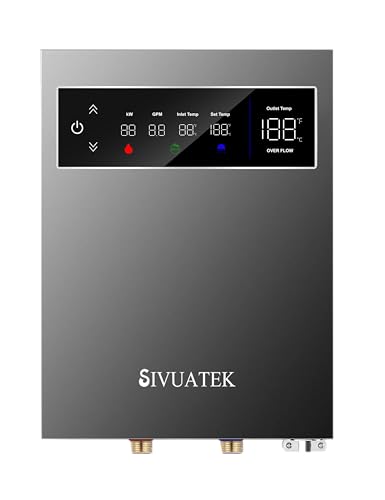
- BrandSIVUATEK

- BWP Score8.1
BWP Score is a ranking system developed by Bestwinterproducts.com. BWP score has no relationship or impact from any manufacturers or sales agent websites. Learn more
- BrandRheem
- BWP Score7.6
BWP Score is a ranking system developed by Bestwinterproducts.com. BWP score has no relationship or impact from any manufacturers or sales agent websites. Learn more
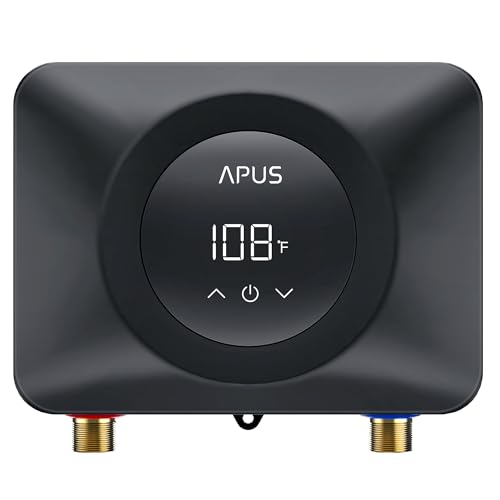
- BrandAPUS

- BWP Score7.5
BWP Score is a ranking system developed by Bestwinterproducts.com. BWP score has no relationship or impact from any manufacturers or sales agent websites. Learn more
- Brandxwdzswgs

- BWP Score7.1
BWP Score is a ranking system developed by Bestwinterproducts.com. BWP score has no relationship or impact from any manufacturers or sales agent websites. Learn more
- BrandOrbek
Last update on 2026-10-11 / Affiliate links / Images, Product Titles, and Product Highlights from Amazon Product Advertising API
FAQs
Can an electric tankless water heater overload my circuit panel?
Yes, an electric tankless water heater can overload your circuit panel if the unit demands more electrical current than your panel can supply. Multi-fixture models draw a heavy surge of electricity that requires dedicated high-capacity circuit breakers. If your home has an older electrical panel with limited amperage, running the heater alongside an electric dryer or oven can trip the main breaker. Have a licensed electrician inspect your breaker box beforehand to confirm your capacity.
Does an electric tankless water heater use electricity when no water is running?
No, an electric tankless water heater draws virtually zero heating electricity when your faucets are shut. Unlike traditional storage water heaters that cycle on constantly to keep standing water warm, an on-demand system only activates its heating elements when internal sensors detect active water flow. A tiny amount of power may operate an exterior digital display, but the heavy heating coils remain completely powered down until a tap opens.
Why does my electric water heating bill increase during the winter?
Your electric water heating bill rises in winter because the cold water entering your home from underground pipes drops significantly in temperature. When incoming water plunges into the forties, the heating elements must work much harder and draw their maximum electrical capacity to reach your desired shower warmth. The heater burns more kilowatt-hours to overcome that wider temperature difference, even if your household hot water habits stay exactly the same.


Best Warm Winter Scarves 2026 For Cozy Comfort

Best Green Ski Goggles 2026 For Clear Vision On Slopes

12 Best Corner Electric Fireplace 2026: My Ultimate Guide To Pick One

Best Battery Powered Snow Blower 2026 For Effortless Snow Clearing

Best Ski Goggles Under 30 Inches For Crisp Vision And Comfort

Best Cooling Scarf 2026 For Instant Relief And Comfort

Fake Snow for Grass: Create a Realistic Winter Lawn Display

Dimplex Prism Wall Mount Fireplace: Sleek Heat With Modern Flame Style





