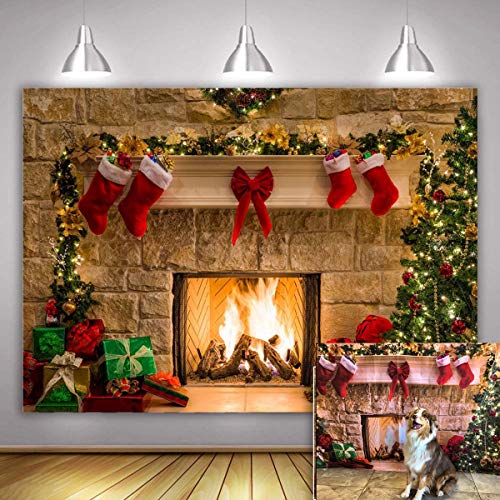
How to Arrange Wood in Fireplace for Perfect Burn

Many homeowners struggle with smoky fires, uneven burns, or fires that die too fast, all because the wood isn’t arranged right. The secret to a perfect fire lies not only in the wood type but how you stack it. Learning how to arrange wood in fireplace can completely change your cozy evenings, no more frustration, just steady warmth and dancing flames. The goal isn’t only heat, it’s efficiency. A well-arranged fire burns cleaner, saves wood, and even protects your chimney from creosote buildup. Whether you prefer a top-down fire, a log cabin setup, or the traditional teepee method, each technique has its own rhythm and purpose. You’ll discover which suits your home best based on airflow, moisture level, and your fireplace’s structure. Think of your fire as a breathing system: too tight, and it chokes; too loose, and it collapses. With a proper arrangement, oxygen flows easily, the flames spread evenly, and the result is mesmerizing, a calm, radiant fire that warms your room and soul. By learning how to arrange wood in fireplace correctly, you’re not just lighting logs; you’re creating comfort, saving money, and crafting an experience that turns ordinary nights into timeless memories.
Few things compare to the quiet joy of sitting near a crackling fire on a cold night. But for many homeowners, that joy fades when smoke fills the room or the fire refuses to catch. The culprit often isn’t the wood, it’s how you arrange wood in fireplace. The way you build your fire determines how efficiently it burns, how much heat it gives off, and how safe it is for your home. Picture this: a well-stacked fireplace that lights effortlessly, burns steadily, and fills your space with golden warmth instead of gray smoke. It’s not luck, it’s technique. Learning the key principles of wood placement, spacing, and airflow turns you from a frustrated lighter into a confident fire builder. This simple skill can save you countless relights, wasted logs, and even reduce soot buildup in your chimney. Whether you’re setting the mood for a winter evening or trying to heat your living room naturally, knowing how to arrange wood in fireplace will help you achieve consistent results. The process blends practicality with art, every log, every gap, every flame playing its part in a natural performance that feels as satisfying as it looks. So before you strike that next match, let’s make sure your fire has the perfect foundation to thrive.

- BWP Score9.4
BWP Score is a ranking system developed by Bestwinterproducts.com. BWP score has no relationship or impact from any manufacturers or sales agent websites. Learn more
- BrandAMERLIFE

- BWP Score9.2
BWP Score is a ranking system developed by Bestwinterproducts.com. BWP score has no relationship or impact from any manufacturers or sales agent websites. Learn more
- BrandRUTLAND PRODUCTS
- BWP Score9.0
BWP Score is a ranking system developed by Bestwinterproducts.com. BWP score has no relationship or impact from any manufacturers or sales agent websites. Learn more
- BrandPine Mountain
- BWP Score9.0
BWP Score is a ranking system developed by Bestwinterproducts.com. BWP score has no relationship or impact from any manufacturers or sales agent websites. Learn more
- BrandBILLY BUCKSKIN HOME & BEAUTY

- BWP Score9.0
BWP Score is a ranking system developed by Bestwinterproducts.com. BWP score has no relationship or impact from any manufacturers or sales agent websites. Learn more
- BrandCountry Living
- BWP Score9.0
BWP Score is a ranking system developed by Bestwinterproducts.com. BWP score has no relationship or impact from any manufacturers or sales agent websites. Learn more
- BrandMISSWARM

- BWP Score8.6
BWP Score is a ranking system developed by Bestwinterproducts.com. BWP score has no relationship or impact from any manufacturers or sales agent websites. Learn more
- BrandOld Potters
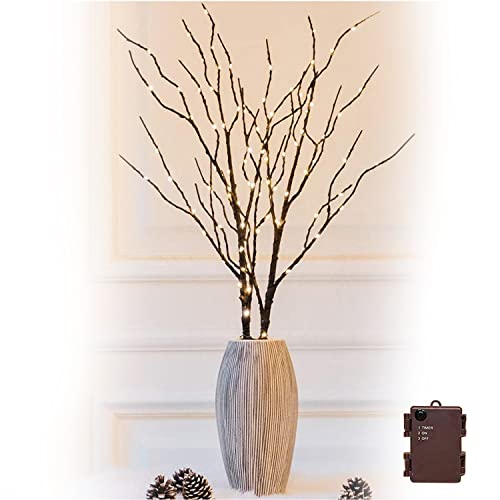
- BWP Score8.6
BWP Score is a ranking system developed by Bestwinterproducts.com. BWP score has no relationship or impact from any manufacturers or sales agent websites. Learn more
- BrandTwinkle Star
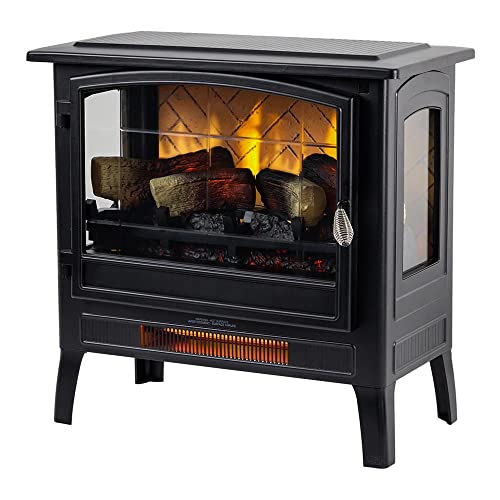
- BWP Score8.4
BWP Score is a ranking system developed by Bestwinterproducts.com. BWP score has no relationship or impact from any manufacturers or sales agent websites. Learn more
- BrandCountry Living

- BWP Score8.2
BWP Score is a ranking system developed by Bestwinterproducts.com. BWP score has no relationship or impact from any manufacturers or sales agent websites. Learn more
- BrandBILLY BUCKSKIN HOME & BEAUTY
Last update on 2023-08-04 / Affiliate links / Images, Product Titles, and Product Highlights from Amazon Product Advertising API
There’s something deeply satisfying about watching a fire burn evenly, glowing with warmth instead of coughing up smoke. Yet, many homeowners struggle to get that perfect burn simply because they overlook the art of how to arrange wood in fireplace. It’s not just about tossing logs together; it’s about creating balance between air, fuel, and heat. When these three work in harmony, your fire burns hotter, longer, and cleaner.
A well-arranged fire isn’t only aesthetic, it’s efficient. Studies show that poor airflow can cause up to 50% energy loss, leaving your logs half-burned and your chimney coated in soot. On the other hand, strategically placed wood increases combustion efficiency, meaning every piece of wood works harder for your comfort. And that’s what every homeowner truly wants: maximum warmth with minimal effort.
What most people don’t realize is that the way you stack your firewood determines everything, from the flame’s height to the amount of smoke you breathe. The right setup improves airflow, helping oxygen reach every corner of your fire. That’s what keeps your flames dancing rather than dying out halfway.
So, whether you’re lighting your fireplace for warmth or for ambiance, learning how to arrange wood properly will redefine your entire experience. You’ll stop fighting your fire, and start enjoying it.
Before you even touch a match, the first rule of a perfect fire starts with quality wood. Hardwoods like oak, hickory, and maple are denser and burn longer than softwoods such as pine or fir. The difference lies in their moisture content and structure, hardwoods produce more heat, while softwoods catch flame faster but burn out quickly.
For a fireplace that burns evenly through the evening, aim for wood that’s been seasoned for at least six months. You can tell seasoned wood by its cracked ends, lighter color, and hollow sound when tapped together. Green wood, on the other hand, creates more smoke and less heat, leaving you with a frustrating experience.
Another overlooked detail? Size. Mixing different sizes of logs, small kindling, medium sticks, and large pieces, creates a natural airflow system. Smaller pieces ignite quickly, transferring heat to the larger ones and maintaining consistent combustion.
It’s worth remembering that moisture is the enemy of heat. Even the best stacking method can’t save damp logs. A moisture meter or simply storing your wood in a covered, elevated rack can make all the difference between a smoky disaster and a cozy masterpiece.
Your fire is alive, it breathes. And just like you, it needs oxygen to thrive. The way you arrange your logs directly controls how well that oxygen feeds the flames. Without enough space between the pieces, your fire suffocates; too much space, and the flames scatter weakly.
Think of airflow as the invisible architect of your fire. The best setups, whether the teepee, log cabin, or top-down method, all revolve around maintaining airflow channels. Each log should be placed intentionally to guide oxygen flow upward, supporting combustion from the base to the tip of the flame.
Here’s a secret: air enters from below, heat rises, and smoke exits through the flue. When the structure is tight at the bottom and open at the top, you’ll get a balanced burn. Adding kindling or newspaper strategically enhances this airflow, giving the flames just enough boost to sustain themselves.
The result? A fire that ignites with ease, burns clean, and produces that steady, hypnotic crackle we all crave. Once you get airflow right, you’ll rarely have to relight or rearrange logs again, a small skill that saves endless frustration.
Now that you know the principles, let’s bring them to life. There are multiple ways to arrange firewood, but the goal is the same: strong base, good airflow, and gradual ignition. Below is a simple guide you can rely on anytime.
- Start with a clean fireplace. Remove ash buildup and open the damper fully for proper ventilation.
- Lay the base. Use small pieces of kindling crisscrossed over each other. Add a bit of newspaper beneath for easy ignition.
- Add medium logs. Stack them slightly apart to encourage oxygen flow. Think of it as building a small wooden house where air can circulate.
- Place large logs last. These are your fuel source, they’ll burn longest once the fire is established.
Each layer should serve a purpose: kindling to ignite, medium logs to grow, and large logs to sustain. The difference between a frustrating fire and a perfect one often comes down to spacing. Too tight, and it suffocates; too loose, and it collapses.
Don’t forget to light your fire from the top rather than the bottom if you prefer a top-down burn. This reduces smoke and allows heat to naturally descend, igniting lower layers in sequence. It’s cleaner, easier, and surprisingly mesmerizing to watch.
There’s no single “right” way to arrange firewood. The method you choose depends on what kind of fire you want, quick and bright, or slow and steady. Let’s look at three time-tested techniques.
1. The Teepee Method: This is the go-to for quick ignition. Arrange kindling in a cone shape with larger logs leaning inward. The flame travels upward, creating a strong draft that pulls in air efficiently. It’s perfect for beginners who want a quick, visible flame.
2. The Log Cabin Method: For longer, consistent burns, this structure is unbeatable. Stack two logs parallel, then place two more on top perpendicular, like a cabin. Layer kindling inside the center. This setup gives excellent airflow and structural balance, maintaining heat for hours.
3. The Top-Down Method: The modern favorite. Large logs at the bottom, medium logs in the middle, and kindling on top. When lit from the top, it burns slowly downward, minimizing smoke and maximizing heat output.
Experimenting with these styles can help you find your sweet spot. The key is to match your method to your purpose, quick heat or long-lasting warmth. Over time, you’ll develop your own signature style of fire-building, just like a chef learns their seasoning.
Even with the right technique, simple errors can ruin everything. The most common mistake is using wet wood, which releases steam instead of heat and smothers the flame. Another is stacking logs too tightly, cutting off oxygen flow. The result is the dreaded smoke-filled room that sends everyone coughing.
People also forget to open their chimney flue fully, which traps smoke inside instead of letting it escape. Even the wrong kind of kindling, paper with too much ink or treated wood, can cause toxic fumes. Always use clean, dry materials to maintain air quality indoors.
Lastly, patience is key. Many people poke or rearrange their logs too soon. Fires need time to stabilize. Once your base catches, resist the urge to over-manage. A fire, when arranged correctly, knows how to take care of itself.
Learning how to arrange wood in fireplace isn’t just about warmth, it’s about respecting nature’s rhythm, allowing fire to breathe and thrive as it was meant to. The reward? A cleaner burn, a warmer home, and a moment of pure, crackling peace.A well-built fire isn’t just about beauty, it’s about efficiency and safety. Every time you arrange your logs with care, you’re managing how the fire consumes oxygen and releases heat. A poor setup can waste wood, fill your room with smoke, and even damage your chimney. On the flip side, a properly arranged fire burns cleaner, releasing fewer particles and reducing the risk of creosote buildup, the leading cause of chimney fires in residential homes.
When air circulates freely between logs, combustion reaches its peak. That means more BTUs per log, more warmth per minute, and less wasted fuel. According to the U.S. Department of Energy, a well-ventilated fire can improve heat output by nearly 30%. That’s a huge difference, especially for homeowners relying on their fireplace for winter comfort.
A structured stack also prevents overheating. Random piles can lead to uneven burns, causing sudden flare-ups that stress your fireplace’s structure. The secret is symmetry, aligning logs in a pattern that allows gradual burning without choking airflow. So, the next time you build a fire, remember: every log placement matters for both comfort and safety.
Fireplaces may look timeless, but their performance depends on one thing: the person arranging the wood. With a bit of practice, you’ll learn to read your flames, spotting when they’re too hot, too cold, or perfectly balanced.
If you’ve ever wondered why your fire sputters instead of roars, the problem might not be your stacking, it’s your wood. Seasoned wood is your fireplace’s best friend. It’s been dried long enough to reduce moisture content to below 20%, making it ignite faster and burn hotter. Unseasoned (green) wood, on the other hand, contains too much moisture, causing steam, smoke, and wasted heat.
Here’s the deal: moisture robs your fire of energy. Instead of producing warmth, the heat is wasted on evaporating water. You’ll notice this when your fire hisses, smokes heavily, or leaves behind half-burned logs. By simply switching to seasoned wood, you can instantly increase efficiency and reduce chimney residue.
Want to know if your firewood is ready? Tap two logs together, a hollow sound means dry wood, while a dull thud indicates lingering moisture. Seasoned wood also has cracked ends and lighter weight, making it easier to handle.
Storing your firewood properly is just as important. Keep it elevated from the ground and covered, but leave the sides open for air circulation. A well-aired stack keeps your fuel dry all year round, ensuring that every fire you light performs beautifully.
Sure, heat is the goal, but a fireplace is also about atmosphere. The way your logs are arranged influences not only how they burn but how they look and sound. The gentle crackle, the rhythmic flicker, the glowing embers, all of it depends on the balance between wood type, size, and spacing.
For a romantic or relaxing evening, go for smaller logs arranged in a teepee or pyramid style. It produces a brighter, more active flame. For long, slow burns during cold nights, build a log cabin stack, it keeps the fire steady and rich in color. Adding a few cherry or applewood pieces infuses a sweet aroma that transforms your room into a haven of comfort.
Firelight changes everything. It adds movement, color, and calm to your space. Arranging your wood thoughtfully is like composing music, the result is harmony. The fire’s rhythm, glow, and warmth create a living sculpture that engages the senses.
And remember, the better your fire burns, the more eco-friendly it becomes. Less smoke means fewer emissions, so by arranging wood efficiently, you’re contributing to a cleaner home and a healthier planet.
Improper stacking does more than waste wood, it shortens your fireplace’s lifespan. When smoke fails to rise cleanly, soot and creosote cling to the flue, forming a sticky, flammable residue. Over time, this buildup reduces draft efficiency and poses a fire hazard.
By learning how to arrange wood in fireplace with airflow in mind, you reduce residue buildup dramatically. Flames that burn cleanly leave behind fine, gray ash rather than black chunks. That means less cleaning, fewer chimney sweeps, and a longer-lasting structure.
Another benefit? Reduced stress on your fireplace lining. Uneven fires can cause thermal shock, cracking bricks or damaging metal inserts. Balanced burning distributes heat evenly, keeping your system intact for years.
Maintenance isn’t just about scrubbing and sweeping, it starts with prevention. By mastering your wood arrangement, you’re protecting your investment and keeping your family safe from hidden dangers. It’s a small habit that pays off in warmth, efficiency, and peace of mind.
Once you’ve mastered the basics, consistency is the next step. Building a fire should feel like a ritual, not a chore. Keep your kindling, matches, and dry logs within reach, and always start with a clean firebox. Over time, you’ll learn how much wood you need for each occasion, a small stack for ambiance, a full structure for deep warmth.
Always check your damper and air vents before lighting up. Proper airflow is the foundation of every successful fire. Then, as the flames build, resist the temptation to overfeed them. Adding too many logs too fast can choke airflow and undo your careful setup.
Creating a rhythm to your fire-building gives you control and confidence. It also helps you troubleshoot, if your fire smokes, you’ll know whether it’s too tight, too wet, or lacking draft. With practice, you’ll start reading the fire’s language through its crackle, color, and smoke patterns.
Consistency builds mastery, and mastery builds peace. A perfectly arranged fire isn’t just a warm spot in your home, it’s an expression of care, patience, and presence. It’s where science meets soul.
At its heart, how to arrange wood in fireplace isn’t only a skill, it’s a quiet conversation with nature. You’re learning how to guide a natural element with precision and respect. Each log you place becomes part of a system that represents balance, warmth, and intention.
The simple act of arranging wood turns into something more profound: a mindful ritual that enhances safety, efficiency, and comfort. Every decision, from wood type to stacking pattern, creates ripple effects that shape the quality of your evenings.
So the next time you prepare your hearth, take a moment. Notice the structure, feel the air, listen to the sound of ignition. You’re not just lighting a fire; you’re crafting an experience. And that experience begins with one small, powerful choice, to arrange your wood with purpose, and let the warmth follow naturally.

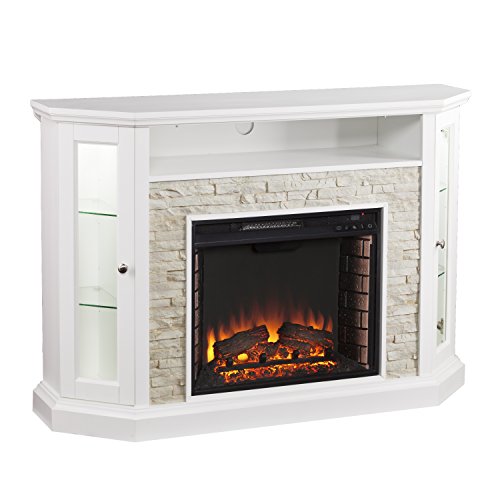
12 Best Corner Electric Fireplace 2026: My Ultimate Guide To Pick One
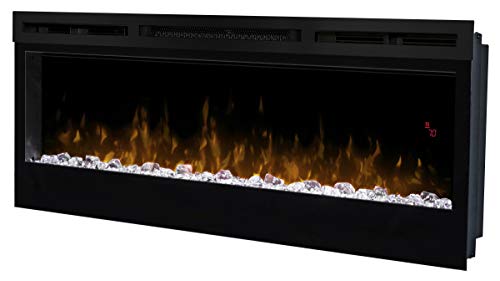
Dimplex Prism Wall Mount Fireplace: Sleek Heat With Modern Flame Style
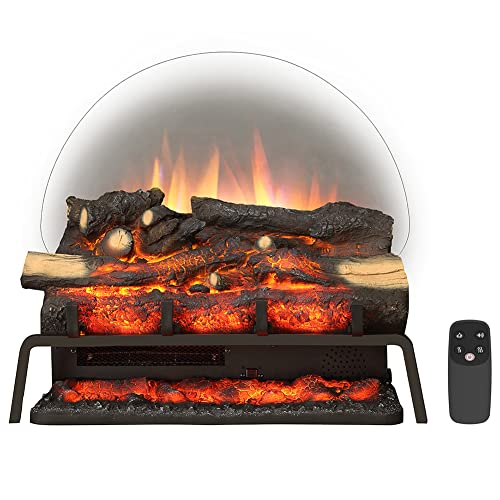
Best Electric Fireplace Insert for Large Room Heating and Style

Best 40 Inch Electric Fireplace Insert 2026 - Cozy Ambiance with Modern Power
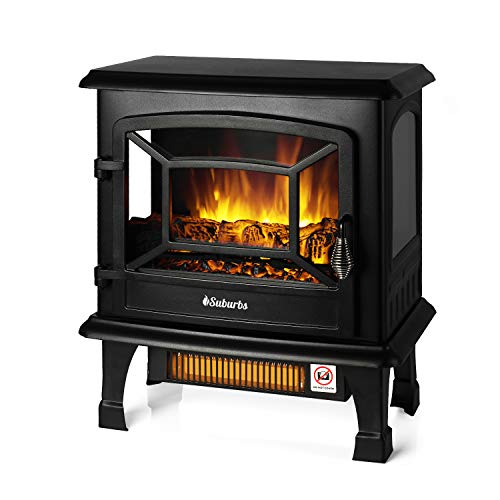
Top 12 Best Quality Electric Fireplace 2026 - Buying Guides

Best Wall Mount Electric Fireplace 2026 for Ultimate Comfort and Style

How to Start Monessen Fireplace: A Step-by-Step Guide

How to Whitewash Rock Fireplace: Simple Steps to Refresh Your Space