
How To Choose A Safe Heater For Cats And Small Dogs

Most pet owners assume that running any standard space heater on low is safe enough for curious pets. In reality, hot grills can blister paws instantly, so real pet safety requires cool-touch housing and an automatic tip-over switch that cuts power if bumped. Enclosed heating elements prevent singed whiskers and stop active animals from touching red-hot internal parts.
The right choice also depends on your pet's daily habits and heating needs. A high-energy puppy that chews electrical cords or zooms across the rug needs a wall-mounted panel or a shielded cord out of reach. In contrast, an older cat seeking a cozy nap spot often does better with a low-wattage pet heating pad instead of a unit that warms the entire room. Here is what to check on the box before bringing any heater home.
Every Pet Heater Needs Three Automatic Safety Shutoffs
Pets move quickly and unpredictably through a room. A startled cat jumping off a sofa or a puppy chasing a ball can easily collide with a floor appliance. Because small animals lack the caution humans have around hot surfaces, your heater must have mechanical safeguards that react instantly when physical accidents happen.
The first mandatory feature is a tip-over safety switch that cuts power instantly if the unit is knocked over or tilted. This switch relies on an internal weight or a spring-loaded pin on the base of the heater. If a running dog bumps the unit flat onto the carpet, the switch breaks the electrical connection before the hot face can ignite rug fibers or singe pet hair.
The second essential control is an automatic overheat sensor that shuts the unit off if internal parts get dangerously hot. Pets love sleeping directly in front of heat sources. A thick-coated cat curling up against the intake vent blocks airflow, which causes internal temperatures to spike within minutes. An overheat sensor detects this restricted airflow and shuts down the heating element before the plastic shell melts or catches fire.
The third feature to verify on the packaging is cool-touch housing. Standard metal radiators and open grilles can reach blistering temperatures that burn soft paw pads or wet noses on contact. Cool-touch designs use double-wall construction or heat-resistant plastic housings that keep the outer shell safe to brush against, even during continuous use on high power levels.
Always look for recognized safety certification marks, such as UL (Underwriters Laboratories), ETL (Intertek), or CSA (Canadian Standards Association), stamped on the heater's rating label. These marks show that independent safety organizations checked the design against strict electrical standards. Never bring an uncertified heater into a home with free-roaming animals.
Ceramic Fan Heaters And Wall Panels Protect Paws Best
Different heater styles handle pet traffic with varying degrees of safety. The most common household choice is a portable ceramic heater. These units use a ceramic heating element that warms up in seconds, combined with an internal fan that pushes warm air across the room. Because the heating element is housed deep inside the body behind narrow plastic slats, curious paws cannot reach the heat source.
Ceramic fan units also cool down quickly once turned off. If your pet knocks the unit after it powers down, the internal stone core releases heat fast without creating long-term contact risks. Make sure any ceramic model you choose has a broad, heavy base that resists nudges from playful dogs.
Wall-mounted convection panels offer an even higher level of safety for homes with active cats and dogs. These flat panels mount directly into wall studs, lifting the heater completely off the floor. Because they hang against the drywall, running dogs cannot tip them over, and cats cannot easily sit on top of them. Wall panels provide gentle convection warmth without fans, meaning they do not circulate loose pet fur or dander through the air.
A silent radiator heater that circulates steady, lasting warmth through oil-filled fins is another reliable option for steady comfort. These units contain permanently sealed diathermic oil that never needs refilling. They have no open flames, no red-hot wires, and no blowers to stir up dust. But because their exterior metal fins retain heat for hours, they can become hot enough to cause discomfort during prolonged direct contact. If you use an oil-filled radiator, place it in a corner behind a sturdy piece of furniture so your pet cannot lie flat against the metal sides.
Targeted Pet Pads Warm Beds Without Overheating Rooms
Many pet owners run a 1,500-watt space heater to warm an entire room when their pet only needs comfort in a small resting corner. In a standard US home, a 1,500-watt heater draws roughly 12.5 amps on a normal 120-volt household circuit. Running that much power for hours heats empty air, raises utility bills, and creates unnecessary electrical heat in wall outlets.
A low-wattage pet heating pad offers a far safer, targeted alternative for chilly spots. Unlike human heating pads that reach temperatures capable of blistering animal skin, dedicated pet pads operate on low wattage (often between 30 and 50 watts). They feature built-in bi-metal thermostats that maintain a constant surface warmth between 95°F and 108°F. This range matches the natural resting body temperature of cats and dogs as recommended by veterinarians.
Pet heating pads transfer warmth through direct physical conduction rather than blowing hot air. When your dog or cat steps onto the pad, the pressure traps the warmth against their body, soothing stiff joints and helping short-haired animals sleep peacefully. Because these pads produce gentle, regulated warmth, your pet can rest on them for hours without risk of thermal burns.
Deciding between a room heater and a pet pad comes down to your living space. If you want to warm a drafty living room where you and your pets spend time together, an enclosed room heater makes sense. If you are trying to keep animals comfortable in drafty outbuildings or sunrooms, reviewing guidelines for an electric heater to warm drafty spaces can help you evaluate insulation needs. But if you only need to keep a sleeping crate or favorite resting basket warm through a cold night, a low-voltage pet heating pad is the safer and more practical choice.
Protect Floor Space And Shield Cords In Four Steps
Buying a safe heater is only the first half of pet-proofing your home. How you place the unit and secure its wiring determines whether your space stays hazard-free during daily use. Follow these four steps to set up your heating area safely:
- Maintain a 3-foot safety buffer around the unit: Keep every portable space heater at least 36 inches away from pet bedding, soft blankets, toy baskets, and drapery. Dogs often drag their bedding around the room, which can push soft fabrics directly against a warm heater face. Check the perimeter of your heater daily to confirm the floor space stays completely clear of scattered toys and fleece blankets.
- Plug the power cord directly into a dedicated wall outlet: Standard electric space heaters draw heavy electrical loads that can overwhelm household wiring. Never connect a space heater to an extension cord, power strip, or multi-outlet surge protector. These accessory cords can overheat, melt their plastic casings, and spark carpet fires. Plug straight into the wall, and touch the outlet faceplate occasionally; if the wall plate feels hot, unplug the unit and contact a licensed electrician to inspect the circuit.
- Install chew-proof cord protection on all exposed wiring: Teething puppies and bored cats often chew on rubber electrical cords, which can cause fatal electrical shocks or mouth burns. Wrap the heater cord in a split-tubing cord protector made of heavy plastic or flexible metal shielding. Fasten cords tightly against baseboards using cord clips so cables do not dangle temptingly from tables or loop loosely across walking paths.
- Shut floor heaters off whenever pets are left unsupervised: Never leave a portable space heater running in an empty house while you run errands or go to work. If you need steady warmth while away, use a thermostatically regulated pet pad or install a wall-mounted panel out of pet reach. For colder utility areas or attached living spaces, checking options like an electric heater for steady warmth will help you understand how digital thermostats cycle power safely without continuous manual supervision.
Never Use Open Coils Or Fuel Heaters Near Animals
Certain heating styles carry extreme fire and burn hazards that make them completely unsuitable for homes with domestic animals. The most dangerous design is an open radiant or quartz heater with visible glowing coils. These units feature red-hot heating elements situated just behind wide, loose wire guards. A swishing dog tail or a curious cat paw can slip through the wire grill instantly, causing severe contact burns and igniting fur before the animal can pull away.
Fuel-burning heaters that run on kerosene or propane should never be operated inside living spaces around pets. Beyond the obvious danger of open combustion and intense surface heat, fuel heaters exhaust combustion gases into the room. Small animals breathe at faster rates than humans and possess significantly smaller lung capacities, making them exceptionally vulnerable to carbon monoxide poisoning and oxygen depletion.
Avoid tall, narrow tower heaters that lack a broad supporting base. Many budget tower fans feature lightweight plastic construction that balances precariously on small circular plates. A medium-sized dog bumping the unit mid-stride can easily knock it over, and if the mechanical tip-over switch fails or sticks, the hot grill will rest face-down against your flooring.
Finally, steer clear of human heating pads that lack automatic shutoffs or pet-specific temperature limiters. Human pads frequently reach temperatures well over 120°F, which is hot enough to cause deep thermal burns on an animal that is sleeping deeply, elderly, or unable to move away quickly due to arthritis.
Choose Pet Warmers Built For Daily Indoor Room Habits
Selecting a safe heater requires matching the appliance to your pet's specific personality and physical habits. An energetic puppy requires different physical protections than a quiet senior cat who spends eighteen hours a day curled in a sunny corner. Before making a final selection, examine the design details that protect curious paws from daily wear and tear.
For whole-room heating, prioritize models that feature broad, weighted bases that resist being shoved across hardwood or carpet. Verify that the outer grille has narrow, pet-safe openings that prevent tiny claws from slipping inside to touch internal elements. Digital controls with a lockable child-safe keypad are also helpful, as clever cats have been known to step across top-mounted touch panels and accidentally crank heat settings to maximum.
If your goal is warming a specific dog bed or cat tree, select low-wattage electric pads equipped with steel-wrapped, chew-resistant power cords and water-resistant outer shells. Look for units that carry independent electrical certifications and feature dual internal thermostats to eliminate hot spots. Taking a few moments to confirm these physical safeguards ensures your home stays warm, cozy, and completely accident-free all winter long.

- BWP Score9.5
BWP Score is a ranking system developed by Bestwinterproducts.com. BWP score has no relationship or impact from any manufacturers or sales agent websites. Learn more
- BrandNAMOTEK

- BWP Score9.5
BWP Score is a ranking system developed by Bestwinterproducts.com. BWP score has no relationship or impact from any manufacturers or sales agent websites. Learn more
- BrandPETNF
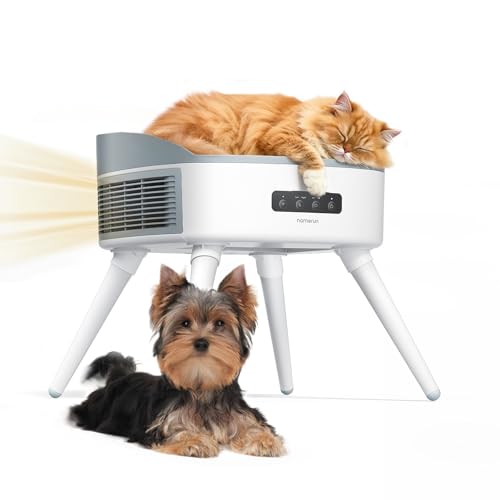
- BWP Score9.2
BWP Score is a ranking system developed by Bestwinterproducts.com. BWP score has no relationship or impact from any manufacturers or sales agent websites. Learn more
- BrandHomeRunPet
Last update on 2026-10-13 / Affiliate links / Images, Product Titles, and Product Highlights from Amazon Product Advertising API


Best Warm Winter Scarves 2026 For Cozy Comfort

Best Green Ski Goggles 2026 For Clear Vision On Slopes

12 Best Corner Electric Fireplace 2026: My Ultimate Guide To Pick One

Best Battery Powered Snow Blower 2026 For Effortless Snow Clearing

Best Ski Goggles Under 30 Inches For Crisp Vision And Comfort

Best Cooling Scarf 2026 For Instant Relief And Comfort

Fake Snow for Grass: Create a Realistic Winter Lawn Display

Dimplex Prism Wall Mount Fireplace: Sleek Heat With Modern Flame Style





