
How to Choose an Infrared Portable Heater for Your Space

Match the heater style to your room. An enclosed rolling cabinet works best for indoor living areas, while an outdoor-rated metal bar handles chilly, open workspaces like a garage. Unlike regular fan heaters that blow hot air around, an infrared unit sends direct warmth straight to people and furniture, much like stepping into a pool of winter sunlight.
What fits best comes down to where you sit and who shares the floor. A drafty workshop needs a focused beam of heat pointed right at your workbench, but a family den calls for a cool-touch exterior and automatic shutoff switches so children and pets stay safe. Household wiring matters, too, since standard wall outlets can only handle up to 1500 watts without tripping a circuit breaker. Walking through a few simple checks helps you find the right match without wasting power or money.
Infrared Heaters Warm You Directly Instead of Heating Air
Most standard portable space heaters work by blowing hot air into the room. A fan pulls cold air across glowing electric coils, pushes that heated air out into the room, and relies on convection to spread the warmth. Because warm air naturally floats upward, most of that heat rises straight toward the ceiling, leaving your feet cold and wasting energy on empty space overhead.
Infrared heaters work on an entirely different principle: gentle heat that warms people and furniture directly like sunlight. When you step outside on a crisp autumn morning and move from the shade into direct sun, your skin and clothing instantly feel toasty even though the surrounding air is still brisk. Infrared heaters send out those exact same invisible light waves, transferring radiant energy directly into you, your chair, and your floorboards without needing to heat the air between you first.
This difference changes how your room feels. Standard fan heaters can leave the air feeling dry and stuffy while you wait twenty minutes for the room temperature to climb. An infrared unit gives you soothing warmth within seconds of flipping the power switch. Because radiant warmth does not push air around, it does not stir up dust bunnies, pet dander, or seasonal allergens.
Many people wonder whether an infrared heater will ever warm the actual air in the room. The answer is yes, but it happens gradually and naturally. As your couch, wooden desk, walls, and rug absorb the radiant rays, they act as secondary heat sources and release gentle warmth back into the air. This creates a balanced, lasting room comfort that does not vanish the second the unit turns off.
Pick Direct Radiant Beams or Fan-Assisted Hybrid Warmth
Portable infrared heaters fall into two main categories, and picking the right one depends on whether you want personal spot warmth or a cozy entire room. The first style is a direct radiant beam heater, which typically uses an exposed quartz tube (a glowing glass heating rod) or a carbon element set inside a reflective metal dish or housing. These units project heat in a straight line, making them silent and immediate for spot heating.
A direct radiant heater is ideal if you sit at a desk all day or relax in one specific reading chair. You aim the beam right at your legs or chest, and you feel comfortable right away without caring what temperature the rest of the house is set to. The trade-off is that once you step outside that beam of light, you will immediately feel the cooler room air again.
The second style is a fan-assisted hybrid heater. These units combine infrared quartz tubes with a ceramic heating element that warms up in seconds, alongside a gentle internal fan that pushes warm air across the room. These elements usually sit hidden inside a furniture-style wooden cabinet or a tall tower case. The fan circulates air through internal heat exchangers while the infrared element delivers deep, soothing warmth.
A hybrid cabinet heater is the better choice for living rooms, bedrooms, and family spaces where people move around. It softens the intense, spotlight feeling of pure radiant heat and spreads the warmth across a wider area. If you want one heater that can keep your home office desk comfortable during the day and warm the family room couch in the evening, a hybrid model offers the best balance.
Match the Heater Build to Your Room and Drafts
Different spaces present completely different heating challenges. A heater that keeps a carpeted bedroom cozy will completely fail inside a drafty garage or a semi-open workshop. Before you buy, consider the physical environment where you plan to spend the most time.
- Enclosed bedrooms and living areas: Choose an enclosed rolling cabinet or a sleek, wall-mounted flat panel. These styles blend smoothly into home decor, run very quietly, and contain no exposed glowing elements that might create a bright, distracting glare when you try to sleep.
- Drafty sunrooms and covered areas: Standard air heaters struggle when cold outdoor air constantly seeps around loose window panes. A focused radiant beam cuts through moving air because drafts cannot blow away light waves. If you spend time in uninsulated living zones, look into a dedicated heater for an enclosed porch to direct warmth straight onto seating areas.
- Garages and home workshops: Concrete floors and large uninsulated overhead doors pull heat out of the air rapidly. For these spaces, choose a rugged metal bar or an electric garage heater with a thermostat that can be mounted high on a wall or rolled on a heavy stand right next to your workbench.
- Damp spaces, sheds, or greenhouses: Standard indoor space heaters must never be used where water spray or high moisture exists. If you need to keep a potting shed, utility room, or workspace warm, verify that the unit carries an IP55 water resistance rating, which protects internal electrical connections against dust and water spray.
Matching the casing material to the space also prevents premature wear. High-impact fireproof plastic or rich wood cabinets belong strictly in dry, clean indoor rooms. Metal-bodied heaters with weather-sealed switches belong in workshops, garages, and basements where sawdust, moisture, or bumped tools might damage a decorative cabinet.
Calculate Your Wattage to Prevent Tripping Household Breakers
One of the most frustrating space heater mistakes is buying a unit that constantly trips your electrical breaker. Sizing an infrared heater requires matching your room size to your home electrical panel capacity. Follow these practical steps to choose the right power level safely.
- Estimate your floor space: In standard insulated rooms with eight-foot ceilings, use the general guideline of 10 watts of heating power per square foot of space. A typical 1,500-watt heater provides full primary heating for a closed 150-square-foot bedroom, or delivers comfortable supplemental zone warmth in a larger 300 to 400-square-foot living room where central heating runs low.
- Calculate your electrical draw: Most portable electric space heaters in the United States draw up to 1,500 watts on their high heat setting. When plugged into a standard 120-volt household circuit, a 1,500-watt heater draws roughly 12.5 amps of continuous electrical current.
- Map what shares the circuit: Standard bedroom and living room circuits are protected by 15-amp breakers. Because continuous appliances should only draw up to 80 percent of a circuit capacity for safety (around 12 amps), running a 1,500-watt heater on high while using a gaming computer, laser printer, or television on that same circuit line will almost certainly trip the breaker.
- Look for multiple heat settings: Pick a heater that features at least two selectable power levels, such as a 750-watt or 900-watt low setting alongside the full 1,500-watt high setting. Using the lower power level keeps your feet warm while cutting your power draw nearly in half, leaving enough electrical capacity for work computers or table lamps.
- Plug straight into a wall outlet: Never plug an infrared space heater into a power strip, extension cord, or multi-outlet surge protector. The heavy continuous electrical current can overheat the thin internal wiring of common extension cords, melting the plastic insulation and creating a severe fire hazard. Plug directly into an unused wall receptacle.
If you plug your heater in and notice that the plastic wall outlet faceplate feels hot to the touch after thirty minutes, turn the unit off and unplug it immediately. A hot outlet indicates loose terminal screws or aging household wiring inside your wall. In that situation, stop using that outlet and contact a licensed electrician to inspect the circuit.
Check for Cool Cabinets and Automatic Shutoff Switches
Because portable heaters produce intense thermal energy, safety features are non-negotiable, especially in homes with active children, curious cats, or playful dogs. The exterior design of the heater dictates how safely it can share living space with your family.
- Cool-touch exterior cabinet: Look for heaters housed inside thick wooden cabinets or advanced fire-rated plastic shells. These designs channel internal heat across specialized heat-exchange chambers before releasing warmth through a protective front grille. The sides, top, and back of the cabinet remain cool to the touch, preventing accidental burns if someone brushes against the unit.
- Tip-over safety switch: This essential internal mechanical switch cuts power instantly if the unit is knocked over, tilted, or bumped off balance. This prevents a fallen heater from blowing heat directly into a carpet, rug, or blanket.
- Automatic overheat sensor: An internal thermal cutoff switch constantly monitors the unit inside temperatures. If someone accidentally drops a jacket or throw pillow over the heater grille, or if dust clogs the air intake, this sensor shuts off power automatically before internal components reach dangerous temperatures.
- Safety certification label: Inspect the back or underside of the heater to confirm it carries a recognized safety certification mark, such as UL, ETL, or CSA. These marks show that the heater design meets strict American manufacturing and electrical safety standards.
Even with advanced safety switches, you must maintain a strict 3-foot safety buffer around the unit. Keep all bedding, curtains, paper, upholstered furniture, and pet beds at least 36 inches away from the front heat grille and air intakes. Never place a portable heater directly in high-traffic hallways where someone could easily trip over the power cord.
Select Practical Features That Make Daily Heating Easier
Beyond raw heating power and basic safety, everyday convenience features make the difference between a heater you love using and one that stays buried in a closet. Small design details dramatically change how simple the unit is to live with across a long winter.
A digital temperature dial that clicks on and off to hold your set warmth is well worth the investment. Basic heaters with simple manual high-low dials run continuously, forcing you to constantly get up to turn them off when the room gets stuffy and turn them back on when you feel a chill. A digital thermostat allows you to set your target temperature, such as 68°F or 72°F. The unit warms the room, cuts power automatically when it reaches that mark, and kicks back on only when needed, saving noticeable electricity.
If you plan to heat different rooms throughout the day, mobility hardware matters. Wooden cabinet heaters can weigh between 18 and 26 pounds. Look for models equipped with four smooth-rolling caster wheels and integrated carrying handles. This lets you effortlessly roll the heater from your home office during your morning work hours into the family room for movie night, without straining your back.
Look for a washable air intake filter mounted on the back of the heater. Over several weeks of winter use, room fans pull significant amounts of pet hair, lint, and dust into the machine. A removable, washable electrostatic filter catches those particles before they touch hot internal heating elements, extending the life of the quartz tubes and preventing that acrid burnt-dust smell every time the heater kicks on.
Finally, consider how the heater affects indoor air quality. Radiant heat does not actively consume room moisture like open flame heaters, but winter air is naturally dry. Some hybrid infrared heaters include built-in ultrasonic cool-mist humidifiers or programmable auto-off timers. A timer allows you to fall asleep in gentle, humidified warmth knowing the heater will shut down automatically after two or four hours.
Choose the Right Heater Design Before You Buy
Finding a heater that genuinely solves your cold room problem comes down to matching the physical design of the unit to your daily routine. Furniture-style rolling cabinets deliver broad, family-friendly warmth that softens the chill across an entire living room while keeping exterior surfaces safe around pets. Slim, wall-mounted panels save valuable floor space in tight bedrooms or home offices, offering silent, out-of-the-way warmth that warms you without cluttering walkways.
For uninsulated areas like workshops, garages, or covered porches, bypass decorative wooden cabinets entirely and choose a rugged, weather-sealed radiant bar. These units cut straight through heavy drafts, sending direct heat rays to your body without wasting energy trying to heat leaky outdoor air. Before you finalize your choice, double-check your wall outlet capacity, verify that you have three feet of clear floor space, and pick a model with reliable automatic safety shutoffs so you can enjoy steady winter comfort with total peace of mind.

- BWP Score9.6
BWP Score is a ranking system developed by Bestwinterproducts.com. BWP score has no relationship or impact from any manufacturers or sales agent websites. Learn more
- BrandDR. INFRARED HEATER

- BWP Score9.0
BWP Score is a ranking system developed by Bestwinterproducts.com. BWP score has no relationship or impact from any manufacturers or sales agent websites. Learn more
- BrandDR. INFRARED HEATER

- BWP Score8.8
BWP Score is a ranking system developed by Bestwinterproducts.com. BWP score has no relationship or impact from any manufacturers or sales agent websites. Learn more
- BrandDR. INFRARED HEATER

- BWP Score8.3
BWP Score is a ranking system developed by Bestwinterproducts.com. BWP score has no relationship or impact from any manufacturers or sales agent websites. Learn more
- BrandHeat Storm

- BWP Score8.2
BWP Score is a ranking system developed by Bestwinterproducts.com. BWP score has no relationship or impact from any manufacturers or sales agent websites. Learn more
- BrandDR. INFRARED HEATER
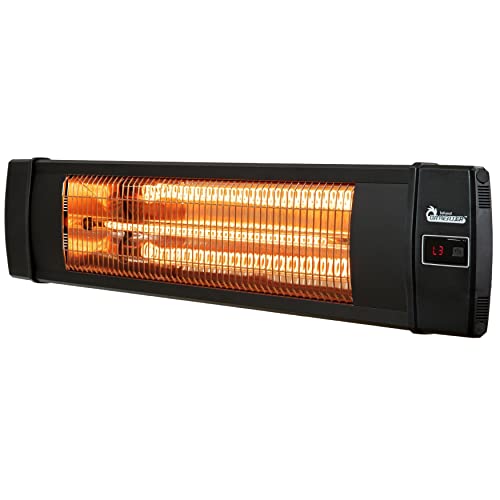
- BWP Score8.0
BWP Score is a ranking system developed by Bestwinterproducts.com. BWP score has no relationship or impact from any manufacturers or sales agent websites. Learn more
- BrandDR. INFRARED HEATER

- BWP Score8.0
BWP Score is a ranking system developed by Bestwinterproducts.com. BWP score has no relationship or impact from any manufacturers or sales agent websites. Learn more
- BrandSONBION

- BWP Score7.9
BWP Score is a ranking system developed by Bestwinterproducts.com. BWP score has no relationship or impact from any manufacturers or sales agent websites. Learn more
- BrandEdenPURE
Last update on 2026-10-31 / Affiliate links / Images, Product Titles, and Product Highlights from Amazon Product Advertising API
Related guides: how to choose a suitable oil portable heater.


Top 12 best white electric fireplace 2026

Best Clear Ski Goggles Men 2026 For Sharp Vision On Slopes

Top Best Cordless Electric Snowblower 2026 - (Latest)

Best Warm Winter Scarves 2026 For Cozy Comfort

Best Green Ski Goggles 2026 For Clear Vision On Slopes

12 Best Corner Electric Fireplace 2026: My Ultimate Guide To Pick One

Best Battery Powered Snow Blower 2026 For Effortless Snow Clearing

Best Ski Goggles Under 30 Inches For Crisp Vision And Comfort





