
How to Choose an Energy Efficient Heater Without Wasting Power

A cold draft creeps across the floor while the electric bill from last month sits open on the kitchen counter. Finding an energy-friendly space heater is not about finding a magic heating element, but matching the heating style to how you use the room so the unit never runs longer than necessary. Because every electric plug-in heater turns power into heat at the same basic rate, true savings come from avoiding wasted warmth.
The right choice depends on the size of the room and how long someone stays in it. A chilly home office needs direct radiant warmth aimed right at a desk, while a closed bedroom stays comfortable with slow, steady air from an oil-filled radiator. Room drafts and a reliable thermostat that shuts the unit off at the target temperature also decide how much electricity gets used. Here is how to pick the right setup for your routine.
Are Some Space Heaters Really Cheaper to Run?
Nearly all portable electric heaters convert 100 percent of the electricity they draw directly into heat. Wattage is the electrical power a heater draws from your wall outlet. If a unit pulls 1,500 watts of power from your home circuit, it delivers 1,500 watts of heat into the room. No ceramic element, metal fin, or quartz tube creates extra heat out of thin air. Every standard electric space heater shares this exact same basic electrical efficiency.
Real energy savings come from how that warmth is delivered and controlled. If a heater pushes hot air straight toward the ceiling where you cannot feel it, you end up shivering, turning the dial higher, and wasting electricity. If a heater lacks an accurate temperature sensor, it runs continuously long after the room feels warm. Choosing an energy-efficient heater means finding a design that directs warmth where you sit and shuts itself down the second that job is done.
How Many Watts Do You Need for Your Room?
Matching heater wattage to room square footage prevents wasted electricity and high power bills. A heater with too little power runs on high all day without warming the room, while an oversized unit overloads home circuits. Standard portable space heaters in the United States draw up to 1,500 watts, which equals roughly 12.5 amps on a standard 120-volt household circuit.
Use these guidelines to match your space to the proper heat output:
- Standard sizing rule: Plan for roughly 10 watts of heating power per square foot of living space with standard 8-foot ceilings. A closed 100-square-foot home office needs about 1,000 watts, while a closed 150-square-foot bedroom needs a full 1,500-watt unit to warm the space.
- Supplemental zone heating: If your room exceeds 150 square feet, a 1,500-watt heater cannot warm the entire air volume alone. It works best as supplemental heat, creating a warm comfort pocket near your couch or desk while the rest of the space stays cooler.
- Drafts and ceiling height: Rooms with high ceilings or bare floors lose heat rapidly. For drafty areas or sunrooms, like when choosing heaters for an enclosed porch, cold glass leaches warmth quickly, so you must rely on focused personal heat rather than warming circulating air.
- Circuit limits: A standard household 15-amp breaker handles up to 1,800 watts total, but continuous electrical loads should stay under 1,440 watts. Because a 1,500-watt heater runs near this limit, always plug it directly into a dedicated wall outlet. Never use extension cords, power strips, or surge protectors, as they can overheat and spark fires.
Should You Pick Radiant Heat or Convection Heat?
Choosing between radiant heat and convection heat determines how quickly you feel warm and how much power you consume. Each style moves heat into your living area through different physical methods.
Radiant or infrared heaters provide gentle heat that warms people and furniture directly like sunlight. Instead of spending electricity warming empty air, infrared waves travel across the room in straight lines until they reach your body or desk. You feel warm within ten seconds of switching the unit on. Radiant heating is the most energy-efficient choice for drafty rooms, open floor plans, or short visits to a chilly desk. If you sit in an office for an hour, an infrared heater keeps you warm without wasting electricity heating the entire room.
Convection heaters work by heating the air so it circulates around the room. A ceramic heating element that warms up in seconds pairs with a fan that pushes warm air across the room. As the air warms, it rises toward the ceiling, displacing cooler air downward. Fan-forced convection heaters are ideal for warming an entire closed bedroom within thirty minutes. But if your room has tall ceilings or drafty doors, that warm air quickly escapes, forcing the heater to run continuously.
Oil-filled radiator heaters offer a steady alternative for all-day comfort. A silent radiator heater that circulates steady, lasting warmth uses an electric element to heat sealed diathermic oil inside heavy metal fins. It takes fifteen to twenty minutes for the oil to warm up, but the dense fluid holds onto heat for a long time. Once the room reaches your target temperature, the heating element shuts off while the hot fins continue radiating warmth into the room for free. This makes oil-filled radiators ideal for bedrooms and all-day workspaces.
Which Heater Features Actually Cut Down Electric Bills?
Control features make a major difference in daily power consumption. Look for these money-saving controls on the heater panel:
- Digital thermostat: A thermostat is a sensor that automatically shuts the heat off once your room reaches the target temperature. A digital temperature dial that clicks on and off to hold your set warmth lets you lock in an exact temperature like 68°F, preventing the unit from burning power when the room is already comfortable.
- Multiple power levels: Look for a model with distinct heat settings, such as 750W Low and 1500W High. You can run the heater on high for fifteen minutes to break the morning chill, then switch to low to maintain that warmth using half the electrical power.
- Programmable auto-off timer: Leaving a space heater running in an empty room wastes electricity. A programmable timer lets you set an automatic shutoff window, such as two, four, or eight hours, shutting the unit down if you leave for work or fall asleep.
- Eco mode setting: An eco mode is a setting that automatically lowers heat output to maintain steady warmth. Instead of running at 1,500 watts until the room gets stuffy, an eco-enabled heater steps down its wattage as the room nears your desired temperature, keeping the room steady while drawing less current.
How Can You Stay Warm Without Running It Nonstop?
How you operate your space heater matters just as much as the model you buy. Small daily habits can keep you warm while cutting hours off your heater's daily runtime.
- Practice smart zone heating: Set your central furnace or heat pump down to 62°F or 64°F during the day. Turn on your portable heater only in the single room where you are sitting, aiming for a comfortable 68°F. Warming one occupied room with a space heater uses far less energy than forcing your main furnace to heat empty bedrooms and hallways.
- Trap heat inside the room: Keep the door closed while running a convection heater so warm air does not spill into cold hallways. Close window blinds or curtains at sunset to stop cold glass from pulling heat out of the room, and place a simple draft stopper along the base of exterior doors.
- Maintain the 3-foot safety buffer: Place the heater on a flat, solid floor at least 3 feet (36 inches) away from bedding, drapes, upholstered chairs, paper, and pets. Keeping this buffer clear prevents fire hazards and allows the unit to draw in room air freely without tripping internal overheat sensors.
- Clean dust grilles regularly: Turn the heater off, unplug it from the wall, and let it cool completely. Use a household vacuum hose to clean lint and dust from the intake vents once a month. Clean grilles maintain strong airflow across the internal heating elements, preventing wasted electrical power.
What Should You Look for Before Buying Your Heater?
Before buying a new heater, match the design to your specific daily routine. For quick morning warmth at a desk or in a drafty living room, an infrared quartz or mica panel provides instant direct heat without waiting for the air to warm. If you need quiet, even heat for an entire workday or through the night in a bedroom, a sealed oil-filled radiator is the most comfortable choice because its metal fins hold thermal energy long after cycling off. In uninsulated spaces like workshops, choosing an electric heater for a garage with a thermostat helps maintain steady warmth without tripping breakers.
Always inspect the safety label and specifications on the product packaging before purchasing. Look for an independent safety certification mark such as UL, ETL, or CSA to confirm the heater meets strict national electrical safety standards. Confirm that the heater includes an automatic overheat sensor that shuts the unit off if internal parts get dangerously hot. You should also verify it has a tip-over safety switch that cuts power instantly if the unit is knocked over or tilted. If you need heat for a bathroom, look for a unit with splash protection and a built-in ALCI safety shutoff plug, and never place a floor heater near standing water.

- BWP Score9.2
BWP Score is a ranking system developed by Bestwinterproducts.com. BWP score has no relationship or impact from any manufacturers or sales agent websites. Learn more
- BrandRethink Press

- BWP Score8.6
BWP Score is a ranking system developed by Bestwinterproducts.com. BWP score has no relationship or impact from any manufacturers or sales agent websites. Learn more
- BrandN/A
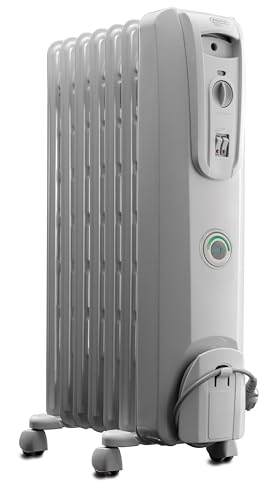
- BWP Score8.9
BWP Score is a ranking system developed by Bestwinterproducts.com. BWP score has no relationship or impact from any manufacturers or sales agent websites. Learn more
- BrandDe'Longhi

- BWP Score8.6
BWP Score is a ranking system developed by Bestwinterproducts.com. BWP score has no relationship or impact from any manufacturers or sales agent websites. Learn more
- BrandBallu

- BWP Score8.3
BWP Score is a ranking system developed by Bestwinterproducts.com. BWP score has no relationship or impact from any manufacturers or sales agent websites. Learn more
- BrandHeat Storm
Last update on 2026-10-13 / Affiliate links / Images, Product Titles, and Product Highlights from Amazon Product Advertising API
FAQs
Does running an electric space heater cost more than central heating?
Running a space heater costs less than central heating only when used for targeted zone heating. If you turn your central furnace thermostat down five to eight degrees and use a single space heater to warm the room you are currently occupying, you can save money on your monthly energy bill. But if you keep your central heating system running at full temperature while also running space heaters in multiple rooms, your overall electricity costs will rise substantially.
Can you safely run an energy-saving heater overnight while sleeping?
You can run a space heater overnight if the unit has modern safety certifications and an accurate digital thermostat. Choose a silent oil-filled radiator or panel heater that includes an automatic overheat sensor and a tip-over safety switch. Keep the heater at least 3 feet away from bedding, curtains, and rugs, and always plug the unit directly into a dedicated wall outlet rather than an extension cord or power strip.
Why does my space heater make the room lights flicker or trip the breaker?
A standard 1,500-watt space heater draws approximately 12.5 amps, which takes up nearly all the capacity on a standard 15-amp household circuit. If your television, computer, or overhead lighting operates on that same electrical circuit, the combined power draw can easily exceed 15 amps, causing lights to dim or tripping the breaker. To prevent this, plug your space heater into a dedicated wall outlet on a circuit that is not powering other heavy electrical devices.
Will a lower wattage heater actually save money in a large room?
A low-wattage heater will only save money in a large room if you sit close enough to feel its direct radiant warmth. A compact 500-watt heater placed by your feet at a desk keeps your body comfortable while using very little electricity. But if you try to warm all the circulating air in an open 250-square-foot living room with a low-wattage heater, the unit will run continuously without ever raising the room temperature, wasting electricity without keeping you warm.


Best Warm Winter Scarves 2026 For Cozy Comfort

Best Green Ski Goggles 2026 For Clear Vision On Slopes

12 Best Corner Electric Fireplace 2026: My Ultimate Guide To Pick One

Best Battery Powered Snow Blower 2026 For Effortless Snow Clearing

Best Ski Goggles Under 30 Inches For Crisp Vision And Comfort

Best Cooling Scarf 2026 For Instant Relief And Comfort

Fake Snow for Grass: Create a Realistic Winter Lawn Display

Dimplex Prism Wall Mount Fireplace: Sleek Heat With Modern Flame Style





