How to Clean a Brick Fireplace Without Damaging It

Morning sunlight hits the hearth, showing greasy black soot streaks and dull smoke stains spread across the red brick. The safest way to clear that grime is to soak the brick with clean water first, then scrub from the bottom up using dish soap and baking soda. Starting with wet masonry stops porous clay from drinking in dirty wash water, so the soot lifts off the surface instead of sinking deeper into the wall.
Your exact routine depends on how long the soot has settled and where it sits. Light film on a decorative front surround wipes away with simple household soap. Thick, baked-on crust inside the firebox (the inner chamber where the wood burns) or on historic, crumbly bricks needs a gentler touch and a specialty cleaner that will not eat away at soft mortar. Below is the step-by-step way to lift the grime without scratching your masonry or staining your floor.
How do you protect your room before cleaning brick?
Cleaning fireplace brick can get messy fast. Soot is made of fine carbon dust mixed with sticky wood oils. When water touches it, soot turns into black sludge that stains wood floors, tile grout, and carpets. A little prep stops that sludge from ruining your room.
Start by clearing the hearth (the floor area right outside the fire opening). Remove grates, andirons, and screens. Shovel cold ash into a metal bucket, then vacuum remaining dust with a high-efficiency shop vacuum. Do not use a household vacuum, because soot slips right through paper filters and blows into your room.
Build a protective barrier over your flooring:
- Tape heavy plastic drop cloths directly against the brick base.
- Place thick canvas drop cloths or old towels on top of the plastic. The plastic stops liquids, while the fabric absorbs drips so you do not track black footprints around.
- Move rugs and light furniture at least six feet away.
- Wear rubber gloves, safety glasses, and old clothes.
Why must you spray brick with water first?
Applying soapy water directly to dry brick is the most common cleaning mistake. Brick is baked clay filled with thousands of microscopic pores. When bone-dry, it acts like a thirsty sponge.
If you put soapy water onto dry brick, the masonry immediately draws that dirty, soot-filled liquid deep inside. Once that black water sinks into the clay, the moisture evaporates and leaves dark carbon trapped below the surface. This creates a permanent, muddy gray haze that surface scrubbing cannot fix.
Pre-wetting prevents this completely. Saturating the brick with clean tap water fills those microscopic pores first. Because the pores are already full of clean water, they cannot absorb dirty runoff. Any soot you scrub loose stays sitting on the surface, suspended in soap bubbles where a sponge can wipe it away.
Fill a spray bottle with warm tap water. Mist the brick surround starting at the bottom and working upward. Spray until the brick looks dark and damp, but stop before water runs down the wall in streams. Keep your spray bottle nearby to re-wet any areas that dry out while you work.
How do you clean soot with basic household soap?
For light smoke stains and seasonal soot, you do not need harsh chemicals. A paste of liquid dish soap and baking soda works reliably. Dish soap cuts through greasy wood oils, while baking soda adds mild, grit-free friction that lifts carbon without scratching the brick.
Follow these steps to scrub the brick surround:
- Mix the paste: In a bucket, combine equal parts liquid dish soap and baking soda. Stir until it forms a creamy paste like warm frosting. If it feels too stiff, stir in a spoonful of warm water.
- Re-wet the brick: Mist the brick with clean water so the surface is damp before you begin.
- Apply the mixture: Spread a quarter-inch layer of paste over the soot using an old rag, sponge, or brush. Let it sit for ten to fifteen minutes so the soap softens the hardened oils.
- Scrub from bottom to top: Dip a stiff nylon brush in warm water and scrub in firm circles. Always work from the bottom upward. Scrubbing top-down causes dirty runoff to drip over dry brick below, leaving dark streaks that soak in and become nearly impossible to remove.
- Rinse thoroughly: Fill a second bucket with clean, warm water. Dip a large sponge, wring it out until damp, and wipe away the soapy paste.
- Change rinse water frequently: Dump and replace your rinse water the moment it turns cloudy gray. Wiping with dirty water simply spreads diluted soot back into mortar lines.
- Blot dry: Press dry towels against the brick to soak up leftover moisture, then let the brick air-dry.
What works best on heavy, baked-on soot stains?
When a fireplace has burned wood for years, heat bakes carbon into a hardened crust. Mild soap paste might only fade the stain to dull gray. You need cleaners that release carbon from clay without damaging masonry.
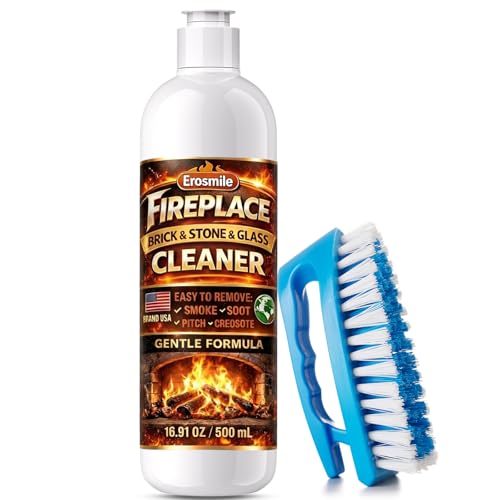
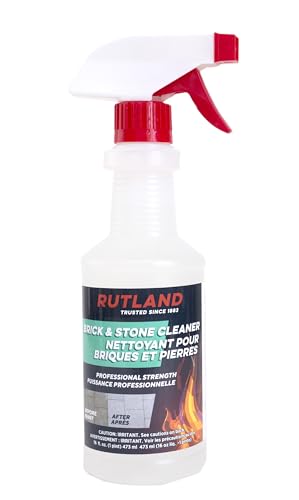
Specialty fireplace cleaning gels offer a major step up. Unlike thin sprays that run down vertical walls and puddle on the hearth, a thick gel clings directly to upright brick faces. The gel stays wet longer, giving concentrated cleaning agents time to break through tough spots, burnt marks, and creosote film. You spread the gel over the stained brick, wait the directed dwell time, agitate with a stiff nylon brush, and wipe it clean with a damp sponge.
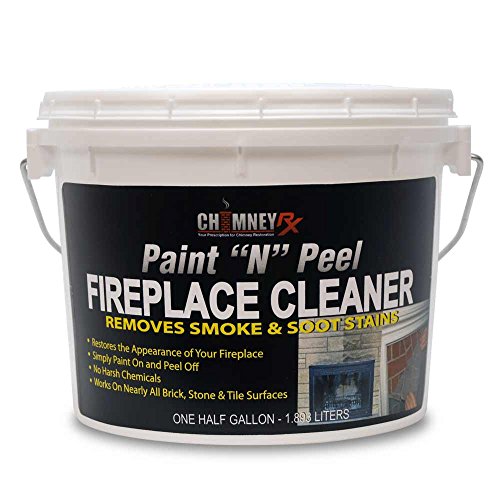
Water-based peel-off fireplace cleaners are another great choice for heavy smoke stains. You brush or roll this thick liquid across the brick surround and hearth, covering both the bricks and the mortar joints. As it dries over several hours, it cures into a flexible, rubbery film. During drying, the film pulls soot, ash, and grime up out of the masonry pores. Once dry, you grab an edge and peel the entire sheet off in strips, taking the trapped dirt with it without water splashes or dirty rinse buckets.
Gels work best for spot-cleaning stubborn patches. Peel-off films are ideal when restoring an entire blackened fireplace face without creating a mess on nearby floors.
Which cleaners and tools permanently damage brick?
When soot will not lift, people often reach for aggressive scrapers or harsh chemicals. Doing so can ruin your fireplace permanently, because brick and mortar cannot handle heavy chemical or mechanical abuse.
Never use these tools or cleaners on fireplace brick:
- Wire scrub brushes: Steel or brass bristles gouge the heat-fired outer skin of the brick. Once that protective face is stripped, the softer clay underneath crumbles easily and traps soot faster. Broken metal bristles can also lodge in mortar joints and leave rust stains.
- Muriatic acid: Strong acids eat away the calcium carbonate in mortar, turning solid joints into powdery sand. Acid also discolors red brick with pale yellow or green blotches and releases hazardous fumes inside your home.
- Undiluted bleach: Bleach does not dissolve carbon or wood oils. It can react with minerals in the brick to leave stubborn yellow stains, while tarnishing nearby metal trim and creating harsh fumes.
- Pressure washers: High-pressure water forces moisture behind the brick veneer. That trapped water rots wooden wall framing, damages drywall, fosters mold, and shatters aged mortar.
When should you stop and call a chimney sweep?
Cosmetic soot on your fireplace surround is easy to clean yourself. However, certain conditions inside the firebox (the inner brick box where the fire burns) or chimney point to serious fire hazards that soap cannot solve.
Stop cleaning and call a certified chimney sweep if you find:
Sticky creosote buildup: Inspect the firebox walls and damper. If you see a shiny, tar-like black glaze or thick crust, that is creosote (sticky black wood tar). Creosote is highly combustible. If buildup reaches an eighth of an inch, household cleaners cannot remove it safely, and lighting a fire risks a chimney fire. A sweep must clear it with specialized rods or sweeping logs.
Persistent smoke backdrafts: If smoke rolls into your room instead of venting upward, soot will quickly coat your clean brick again. This indicates a draft issue or damper problem. Check your damper before lighting fires; you can learn how to close a fireplace damper properly to stop drafts and ash odors when the fireplace is cold.
Crumbling mortar or loose bricks: If firebox bricks wiggle or mortar joints have crumbled away, stop using the fireplace. Firebox mortar is refractory cement that blocks extreme heat. Missing mortar allows heat to reach combustible wall framing behind the brick. A professional mason must repoint those joints before you burn wood again.
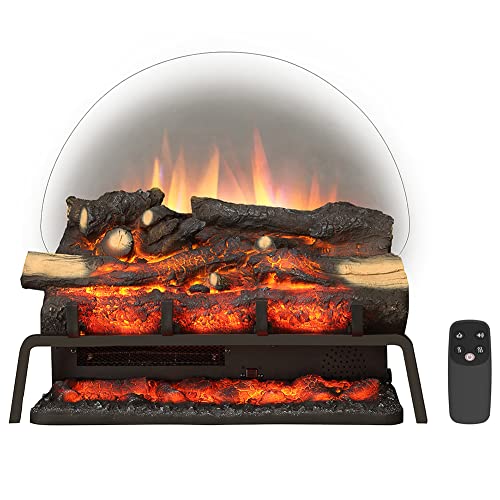
If wood smoke, ash, and masonry upkeep become too much work, you can consider switching to an electric fireplace insert for a large room. Inserts fit right into existing masonry fireboxes, giving you clean supplemental heat without soot, smoke, or brick scrubbing.
What should you look for in a brick cleaner?
If basic soap and baking soda do not remove dark carbon stains, a commercial fireplace cleaner will save you hours of scrubbing. The right formula lifts baked-on wood oils without damaging porous brick or softening mortar joints.
Look for cleaners with a thick gel or peel-away liquid consistency rather than thin sprays. Thick formulas cling to vertical brick surfaces, giving the cleaning agents time to break down stains without running down onto your hearth. Choose non-abrasive, non-acidic formulas that are safe for both clay brick and lime-based mortar.
Ensure the product is rated for indoor use with low odor and no harsh chemical vapors. Finally, check if the package includes a matched stiff nylon scrub brush, which provides the right scrubbing friction without scratching the masonry.
- BWP Score9.2
BWP Score is a ranking system developed by Bestwinterproducts.com. BWP score has no relationship or impact from any manufacturers or sales agent websites. Learn more
- BrandEROSMILE

- BWP Score9.2
BWP Score is a ranking system developed by Bestwinterproducts.com. BWP score has no relationship or impact from any manufacturers or sales agent websites. Learn more
- BrandCreosote Sweeping Log

- BWP Score9.2
BWP Score is a ranking system developed by Bestwinterproducts.com. BWP score has no relationship or impact from any manufacturers or sales agent websites. Learn more
- BrandEROSMILE

- BWP Score9.2
BWP Score is a ranking system developed by Bestwinterproducts.com. BWP score has no relationship or impact from any manufacturers or sales agent websites. Learn more
- BrandRUTLAND PRODUCTS

- BWP Score9.0
BWP Score is a ranking system developed by Bestwinterproducts.com. BWP score has no relationship or impact from any manufacturers or sales agent websites. Learn more
- BrandCO-MATE

- BWP Score8.0
BWP Score is a ranking system developed by Bestwinterproducts.com. BWP score has no relationship or impact from any manufacturers or sales agent websites. Learn more
- BrandQuick 'n Brite
- BWP Score8.0
BWP Score is a ranking system developed by Bestwinterproducts.com. BWP score has no relationship or impact from any manufacturers or sales agent websites. Learn more
- BrandRUTLAND PRODUCTS

- BWP Score8.0
BWP Score is a ranking system developed by Bestwinterproducts.com. BWP score has no relationship or impact from any manufacturers or sales agent websites. Learn more
- BrandQuick 'n Brite

- BWP Score8.0
BWP Score is a ranking system developed by Bestwinterproducts.com. BWP score has no relationship or impact from any manufacturers or sales agent websites. Learn more
- BrandQuick 'n Brite
- BWP Score7.4
BWP Score is a ranking system developed by Bestwinterproducts.com. BWP score has no relationship or impact from any manufacturers or sales agent websites. Learn more
- BrandCHIMNEYRX
Last update on 2026-10-02 / Affiliate links / Images, Product Titles, and Product Highlights from Amazon Product Advertising API
FAQs
Can you use vinegar to clean fireplace brick?
Vinegar is mildly acidic, so it can slowly dissolve the lime and binders inside mortar joints over time. While diluted vinegar works on newer, acid-resistant exterior brick, you should avoid it on older indoor fireplace brick. If your fireplace is more than a few decades old, stick to alkaline cleaners like baking soda and mild dish soap to protect the mortar.
Why does fireplace brick turn white after it dries?
That white, powdery residue is efflorescence (white powdery salt deposits). It happens when water soaks deep into the brick or mortar, dissolves natural mineral salts inside the clay, and carries them to the surface. As moisture evaporates, the salt remains behind. Brush it away dry with a stiff nylon brush, and avoid over-saturating the brick during future cleanings.
How do you clean soot off the inside of the firebox?
Wait two to three days after your last fire so coals are completely cold. Shovel out bulk ash into a metal bucket, vacuum dust with a shop vacuum, and mist the bricks with water. Scrub with warm water, dish soap, and a stiff nylon brush, then wipe dry with rags. Never use flammable cleaners or waxes inside the firebox, as leftover residue can ignite during future fires.
How often should you deep clean a brick fireplace?
Deep clean your brick fireplace once a year at the end of the winter burning season. Cleaning in spring prevents soot and wood odors from setting into the porous clay during humid summer months. Between deep cleanings, vacuum loose hearth ash and wipe fresh smudges once a month during active use to keep soot from baking into a heavy crust.
.jpg)

12 Best Corner Electric Fireplace 2026: My Ultimate Guide To Pick One

Dimplex Prism Wall Mount Fireplace: Sleek Heat With Modern Flame Style
Best Electric Fireplace Insert for Large Room Heating and Style

Best 40 Inch Electric Fireplace Insert 2026 - Cozy Ambiance with Modern Power
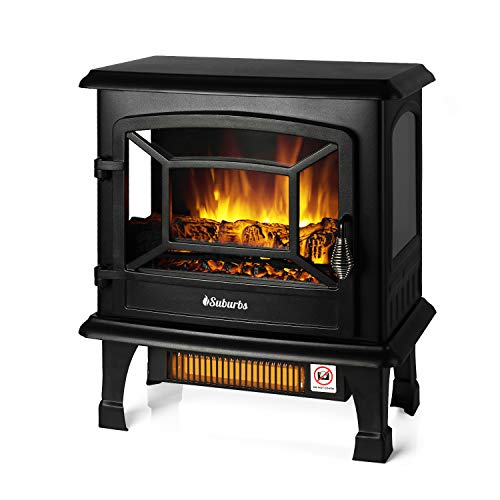
Top 12 Best Quality Electric Fireplace 2026 - Buying Guides

Best Wall Mount Electric Fireplace 2026 for Ultimate Comfort and Style

How to Start Monessen Fireplace: A Step-by-Step Guide

How to Whitewash Rock Fireplace: Simple Steps to Refresh Your Space