How to Clean a Stone Fireplace Without Damage

A stone fireplace can anchor an entire room, but soot, dust, ash, and smoke stains can slowly dull its natural color. Learning how to clean a stone fireplace starts with recognizing that stone isn't the same as glazed tile or sealed metal. Many fireplace stones are porous, so they can absorb dirty water, strong chemicals, and oily residue faster than expected. A careful approach protects the surface while lifting grime instead of pushing it deeper into the stone.
Preparation makes the cleaning process far less messy. Let the fireplace cool completely, remove loose logs or decorative pieces, and scoop out cold ash before touching the stone with moisture. A vacuum with a brush attachment can collect fine dust from rough edges, mortar joints, and uneven crevices without scattering debris across the room. Cover the hearth and nearby flooring with old towels or plastic sheeting because dark runoff has a habit of traveling farther than you'd think.
The safest cleaning mixture usually begins with warm water and a small amount of mild dish soap. Test the solution on a hidden area first, especially if the fireplace includes limestone, sandstone, marble, or another sensitive material. Apply the mixture with a soft nylon brush or sponge, working in manageable sections so the surface doesn't dry before rinsing. Scrub gently in circular motions, paying extra attention to the darkened stone directly above the firebox.
Heavy soot may need more than one pass, but aggressive scrubbing isn't the answer. Allow the mild solution to sit briefly so it can loosen residue, then work the area again with a damp brush. Avoid wire brushes, acidic cleaners, bleach-heavy mixtures, and abrasive powders because they can scratch stone, weaken mortar, or create pale patches. Repeated gentle cleaning is usually safer than one harsh treatment that leaves permanent marks.
Rinsing matters just as much as scrubbing. Wipe each cleaned section with a separate sponge and fresh water, changing the water often so soot doesn't smear across lighter stone. Blot excess moisture with clean towels, then let the fireplace dry naturally with good airflow in the room. The stone may look darker while damp, so wait until it is fully dry before deciding whether another cleaning round is needed.
Routine care keeps future cleanup from becoming a weekend-long chore. Vacuum loose ash regularly, wipe fresh smoke marks before they settle, and check the firebox for airflow problems that may be producing excess soot. A properly functioning damper and well-seasoned firewood can help reduce smoky deposits on the surrounding stone. With steady maintenance and stone-safe cleaning habits, the fireplace can keep its texture and warmth without looking neglected.

- BWP Score10.0
BWP Score is a ranking system developed by Bestwinterproducts.com. BWP score has no relationship or impact from any manufacturers or sales agent websites. Learn more
- BrandThe Chimney Shop
- BWP Score9.2
BWP Score is a ranking system developed by Bestwinterproducts.com. BWP score has no relationship or impact from any manufacturers or sales agent websites. Learn more
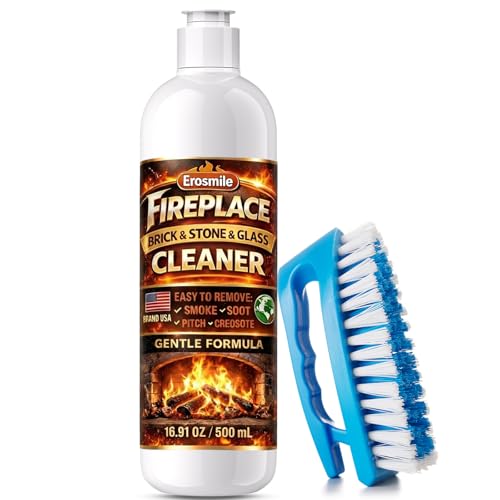
- BrandEROSMILE

- BWP Score9.2
BWP Score is a ranking system developed by Bestwinterproducts.com. BWP score has no relationship or impact from any manufacturers or sales agent websites. Learn more
- BrandEROSMILE
- BWP Score9.2
BWP Score is a ranking system developed by Bestwinterproducts.com. BWP score has no relationship or impact from any manufacturers or sales agent websites. Learn more
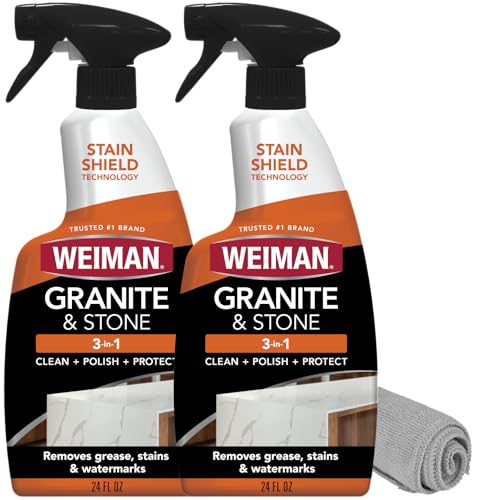
- BrandWeiman

- BWP Score8.6
BWP Score is a ranking system developed by Bestwinterproducts.com. BWP score has no relationship or impact from any manufacturers or sales agent websites. Learn more
- BrandBlack Diamond Stoneworks

- BWP Score8.4
BWP Score is a ranking system developed by Bestwinterproducts.com. BWP score has no relationship or impact from any manufacturers or sales agent websites. Learn more
- BrandMosxoed

- BWP Score8.0
BWP Score is a ranking system developed by Bestwinterproducts.com. BWP score has no relationship or impact from any manufacturers or sales agent websites. Learn more
- BrandQuick 'n Brite
Last update on 2026-07-28 / Affiliate links / Images, Product Titles, and Product Highlights from Amazon Product Advertising API
How To Clean A Stone Fireplace Without Surface Damage
Black soot creeping across pale stone can make an otherwise inviting room feel dingy and neglected. Scrubbing harder often seems like the obvious fix, yet rough pressure and harsh chemicals can leave permanent discoloration, weakened mortar, or etched patches. A safer approach to how to clean a stone fireplace starts with identifying the mess, protecting nearby surfaces, and using the mildest method that can do the job. That slower route may feel fussy, but it protects the natural texture that gives the fireplace its character.
Cleaning Stone Fireplace Surfaces Safely
Stone surrounds collect more than visible soot. Fine ash settles into pores, cooking grease drifts from nearby kitchens, pet hair catches along mortar lines, and ordinary household dust dulls the finish. Mixing all that grime with water too soon creates a dark slurry that can soak deeper into porous material. Start with dry debris removal so the later washing stage lifts stains instead of spreading them.
Let the fireplace cool fully before moving logs, screens, tools, or decorative pieces. Scoop cold ash into a metal container, then use a vacuum with a soft brush attachment around the hearth, joints, ledges, and uneven stone faces. Keep the nozzle slightly above fragile mortar rather than scraping it across the surface. This first pass removes the loose layer and makes stubborn soot marks easier to see.
Floor protection saves a lot of cleanup later. Lay plastic sheeting or a waterproof drop cloth beneath the hearth, then place old towels along the edges to catch dirty runoff. Tape nearby trim only with a low-tack product that won’t pull paint away during removal. A few minutes spent on protecting the room prevents black drips from reaching rugs, wood flooring, or painted walls.
Open a window or run a nearby exhaust fan while cleaning, especially if the room feels closed in. Good airflow helps moisture evaporate and keeps mild cleaner odors from lingering. Wear gloves to protect dry skin, and use eye protection if you’ll be brushing an overhead section where droplets may fall. Basic personal protection matters even when the cleaning mixture seems gentle.
Identify The Stone Before Choosing A Cleaner
Not every fireplace surround reacts to cleaning products in the same way. Granite, slate, limestone, sandstone, marble, cultured stone, and river rock each have different levels of porosity and chemical sensitivity. Acidic products can dull calcium-based stones such as marble and limestone, while abrasive powders may scratch smoother finishes. Correct identification is a key safety step, not a minor detail.
Look for installation paperwork, leftover material labels, or a builder’s invoice before guessing. Natural stone often shows varied patterns, mineral deposits, and irregular edges, while manufactured veneer may repeat shapes or colors across the wall. A stone mason or fireplace professional can help if the material remains unclear. That extra check is worthwhile because the wrong cleaner can create damage that ordinary rinsing won’t reverse.
Sealed stone behaves differently from an unsealed surface. Water may bead briefly on a sound sealer, while unsealed stone often darkens as moisture sinks in. Don’t assume beading means the entire surround is protected, since heat and repeated cleaning can wear sealant unevenly. A hidden water test can reveal uneven absorption before a large wet area develops.
Mortar deserves equal attention because it can be softer and more absorbent than the surrounding stone. Strong brushing may erode sandy joints, and prolonged soaking can loosen already damaged sections. Note any cracks, powdery spots, or missing material before cleaning begins. Repair concerns should be handled first so moisture intrusion doesn’t make a small defect worse.
Test A Mild Cleaning Solution First
Warm water with a small amount of mild dish soap is a sensible starting point for many sturdy stone surfaces. The goal isn’t to create a bucket full of foam, since excess soap takes longer to rinse and may leave a hazy film. Mix only enough cleaner to loosen oily soot and ordinary grime. A low-residue solution gives you better control and reduces repeat rinsing.
Choose a test spot near a lower corner, behind a screen, or beside a piece of furniture that normally hides the wall. Apply a little solution with a white cloth or soft nylon brush, wait briefly, then rinse and allow the area to dry. Watch for fading, darkening, roughness, or a change in sheen. A proper spot test must be judged after drying, not while the stone is still wet.
Skip vinegar, lemon juice, toilet bowl cleaner, oven cleaner, and general-purpose acidic sprays. These products may seem tempting because they cut through household grime, but fireplace stone isn’t the place for improvised chemistry. Chlorine bleach can also create blotchy results, damage nearby materials, and produce harsh fumes in a poorly ventilated room. Mild products protect both surface color and indoor comfort.
Baking soda is often presented as harmless, yet its abrasiveness and alkaline residue can be troublesome on certain polished or sensitive stones. Powder can lodge in rough pores and mortar lines, leaving pale patches after the surface dries. Use a manufacturer-approved stone cleaner if mild soap doesn’t suit the material or fails the hidden test. The safest upgrade is a stone-specific formula, not a stronger random household product.
Remove Soot Without Grinding It Into The Stone
Work in small sections rather than soaking the entire surround at once. Lightly dampen the stone with clean water before applying cleaner, since pre-wetting can reduce how quickly dirty solution sinks into an absorbent surface. Use a soft nylon brush and short circular strokes, beginning at the lower edge of the stain. Controlled cleaning keeps dirty runoff from creating fresh streaks below the work area.
Dark marks directly above the firebox usually need patience. Apply the tested cleaner, let it sit for a short period without drying, then brush gently and wipe away the loosened residue. Repeat the process instead of pressing harder with each pass. Several mild rounds are safer than aggressive scrubbing that damages the face of the stone.
Keep separate sponges for washing and rinsing. A sponge loaded with soot can smear a gray film over nearby clean stone, especially on pale limestone or light cultured veneer. Change the rinse water as soon as it turns cloudy rather than trying to stretch one bucket through the whole job. Fresh water is one of the simplest ways to prevent soot redistribution.
Wire brushes, steel wool, scouring pads, and stiff masonry brushes are too harsh for routine fireplace cleaning. They may scratch smooth stone, tear at manufactured finishes, or crumble mortar around irregular pieces. Even if the damage isn’t obvious while the surface is wet, rough patches often show once everything dries. Stick with soft nylon bristles unless the stone manufacturer states otherwise.
Handle Deep Stains And Smoke Shadows Carefully
Some dark areas aren’t loose dirt at all. Smoke can leave a shadow inside porous stone, and years of repeated fires may discolor sections more deeply than a surface wash can reach. Chasing a perfectly uniform color may lead to overcleaning and visible abrasion. Set realistic expectations before deciding that every mark must disappear.
A poultice made for the specific stone may help pull embedded stains toward the surface. These products are spread over the affected area, covered or left open according to their instructions, then removed after the recommended dwell period. The stone must dry completely before the result can be judged. A properly matched poultice is more controlled than experimenting with thick homemade mixtures.
Call a stone-care professional if the stain spreads after washing, the surface develops pale patches, or soot appears to be mixed with oily residue. Professional help also makes sense for historic fireplaces, carved stone, polished marble, unstable mortar, or surrounds with unknown coatings. Those materials can react poorly to repeated trial and error. Paying for focused help may protect irreplaceable masonry from a costly mistake.
Heavy smoke buildup can also signal a performance problem rather than a cleaning problem. A blocked flue, weak draft, damp firewood, damaged damper, or poorly sized fire may send more smoke into the room and across the surround. Cleaning the stone without addressing that source means the stains will return quickly. A chimney inspection can protect indoor air quality and reduce recurring soot.
Rinse And Dry The Fireplace Without Leaving Haze
Soap residue can make stone look cloudy even after the soot is gone. Wipe each cleaned section with a separate sponge dampened in plain water, then rinse the sponge often. Use gentle pressure so water reaches shallow texture without flooding deep joints. Careful rinsing preserves the natural stone appearance and prevents sticky residue from attracting fresh dust.
Blot the surface with clean white towels instead of rubbing dark towels across pale stone. White fabric also makes leftover soot easier to spot because gray residue shows immediately. Replace towels once they become damp and dirty. This simple habit helps reveal remaining contamination before the fireplace dries.
Allow the surround to air-dry fully with steady room ventilation. Avoid lighting a fire to speed the process because rapid heating can dry the outer surface while moisture remains trapped deeper inside stone or mortar. The fireplace may look several shades darker while damp, which is normal for many porous materials. Judge the result only after complete drying.
Wait before applying any sealer or protective treatment. Moisture trapped beneath sealer can create cloudiness, uneven color, or adhesion trouble. Confirm that the product is approved for both the stone type and the temperatures around a fireplace surround. A suitable breathable stone sealer may simplify later maintenance, but it isn’t appropriate for every installation.
Reduce Future Soot And Shorten Cleaning Sessions
Small maintenance habits keep black buildup from becoming a major project. Vacuum cold ash regularly, dust the stone with a soft brush attachment, and wipe new smoke marks before they settle into porous areas. Don’t wait until the entire surround turns gray. Frequent light maintenance is easier on the stone than occasional heavy scrubbing.
Burn properly seasoned firewood in a wood-burning fireplace. Damp wood creates more smoke, burns less cleanly, and can leave heavier deposits around the firebox opening. Keep fires at a manageable size and make sure the damper is fully open before ignition. Better burning habits reduce smoke staining at its source.
Arrange logs so air can move through the fire rather than packing them tightly together. Starved flames tend to smolder, and smoldering sends more smoke toward the fireplace opening. A stable grate and clear airflow help the fire burn more evenly. That practical adjustment supports cleaner combustion without adding another cleaning product to the cabinet.
Electric alternatives avoid wood ash and chimney soot, though they still need dusting and occasional glass care. To create a log-style look without burning wood, compare best electric fireplace logs for a separate setup that suits an existing firebox. Built-in visual upgrades may also be easier to maintain, so review best led fireplace insert choices for flame effects without smoke deposits. For unrelated travel comfort needs, consider best electric water heater for rv options that provide dependable hot water in compact mobile spaces.
Best Way To Keep A Stone Fireplace Clean Year Round
A freshly cleaned surround can lose its appeal surprisingly fast if soot keeps returning after every few fires. Long-term care isn't about constant scrubbing. It depends on consistent maintenance, better burning habits, and spotting small issues before they become stubborn stains. Keeping a stone fireplace looking clean takes less effort once the right routine becomes part of regular home care.
Create A Simple Cleaning Schedule
Waiting until the fireplace looks heavily stained usually means spending far more time cleaning than necessary. A quick inspection after every few fires makes it easier to notice fresh soot before it settles into porous stone. Even a soft microfiber cloth can remove light surface dust that would otherwise become harder to lift later. This habit helps preserve the natural appearance of the fireplace without repeated deep cleaning.
Monthly maintenance doesn't have to become an all-day project. Vacuuming ash, dusting the mantel, and wiping nearby stone with a damp cloth often take less than fifteen minutes. Those small jobs reduce buildup that eventually requires aggressive cleaning. A steady routine almost always beats occasional heavy scrubbing.
Keep separate cleaning supplies for fireplace maintenance whenever possible. Using cloths already coated with kitchen grease or bathroom chemicals can leave residue behind. Fresh microfiber towels, soft brushes, and clean buckets help prevent accidental

12 Best Corner Electric Fireplace 2026: My Ultimate Guide To Pick One

Dimplex Prism Wall Mount Fireplace: Sleek Heat With Modern Flame Style
Best Electric Fireplace Insert for Large Room Heating and Style

Best 40 Inch Electric Fireplace Insert 2026 - Cozy Ambiance with Modern Power
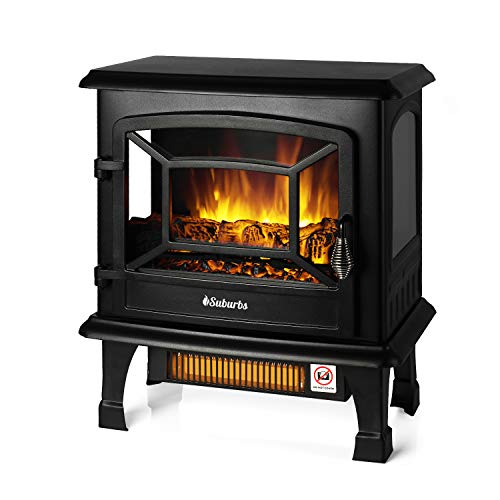
Top 12 Best Quality Electric Fireplace 2026 - Buying Guides

Best Wall Mount Electric Fireplace 2026 for Ultimate Comfort and Style

How to Start Monessen Fireplace: A Step-by-Step Guide

How to Whitewash Rock Fireplace: Simple Steps to Refresh Your Space