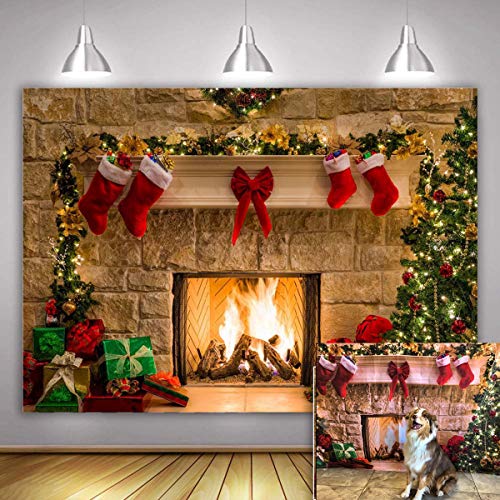
How to Clean a Wood Burning Fireplace Safely

A soot-stained hearth can look intimidating, but cleaning it out is a calm, routine job once everything is cold. The safe approach is to wait at least 24 to 48 hours after your last fire, shovel the loose ash into a covered metal bucket, and wash the surfaces with gentle cleaners. Taking your time keeps fine dust from floating across the room and prevents accidental flare-ups.
How you handle the job depends on the surfaces in front of you and the condition of the chimney. Porous masonry brick requires more scrubbing to lift dark stains than ceramic door glass, which scratches easily if wiped with rough pads. Deep piles of gray ash can also trap live embers for days, while thick layers of creosote (the flammable tar coating the chimney pipe) call for a professional sweep instead of a quick scrub. Here is the safest order to tackle every surface.
Safety Preparation and Ash Removal Without the Mess
Cleaning out a wood burning fireplace starts with patience. Wood ash looks dormant on top, but it acts like a thermal blanket. Pockets of red-hot coals can sleep beneath a gray crust for several days after the flames die down. Shoveling too soon invites serious burns, house fires, and ruined equipment.
Never grab your everyday upright or canister vacuum to clean up the firebox (the chamber where the logs burn). Household vacuums are built for pet hair and carpet fuzz, not microscopic wood ash. Fine ash passes straight through standard paper bags and cloth filters, blowing a gray cloud across your living room and burning out the electric motor. Even worse, sucking up a single hidden ember will melt plastic hoses, ignite the dust inside the collection canister, and start a fire in seconds.
Before you touch the hearth, gather the right gear to protect your lungs and keep black soot off your living room rugs.
- Dust mask or respirator: Fine particulate dust irritates lungs quickly, so put on a snug mask before disturbing the ash bed.
- Heavy leather work gloves: Thick gloves protect your palms and wrists from rough bricks, sharp grate edges, and hidden embers.
- Metal ash bucket with a tight lid: Use a dedicated steel or iron bucket with a raised bottom to keep heat off your flooring.
- Canvas drop cloth: Lay heavy fabric across the hearth and nearby carpet to catch rogue charcoal chunks and drifting powder.
- Hand broom and metal shovel: A small fireplace shovel and a natural-bristle hand brush give you control in tight corners.
- Spray bottle with water: A light mist weighs down powdery ash so it cannot float into the room while you work.
Once your safety gear is in place, clear the ash bed following these steps to keep dust to an absolute minimum.
- Confirm the fire is completely cold. Wait at least 24 to 48 hours after your last fire. Use a long metal fireplace poker to gently shift the ash heap, checking deep corners for glowing coals, heat, or rising smoke.
- Dampen the surface dust. Lightly mist the ash bed with plain water from your spray bottle. Alternatively, scatter moist, used coffee grounds over the pile. This weighs down the finest particles so they stay put when disturbed.
- Remove the iron grate and andirons. Lift the heavy metal log grate out of the firebox and set it on your canvas drop cloth. Tap it gently to dislodge loose crust before moving it outside.
- Shovel the ash with steady, low movements. Lower your metal shovel into the ash bed, lift a small portion, and place the shovel head flat against the bottom of your metal bucket before tipping it. Dumping ash from high above the rim creates an immediate dust cloud.
- Decide how much ash to leave behind. If you plan to burn another fire within a few days, leave a one-inch layer of ash on the floor. That bottom layer insulates future coals, reflects heat upward, and helps new logs catch faster. If you are cleaning up for the warm spring and summer months, shovel the floor down to the bare brick.
- Seal and store the bucket safely outdoors. Snap the metal lid tightly onto the ash can. Carry the bucket outside immediately and set it on a noncombustible surface like concrete pavers, stone, or bare dirt. Keep the bucket at least ten feet away from wooden decks, house walls, dry leaves, and trash cans.
Scrubbing Soot and Grime From Fireplace Brick
Once the loose ash is gone, you are left with dark soot clinging to the firebox walls and hearth surround. Soot is made of fine carbon particles and wood oils that lodge deep inside the porous surface of clay brick and stone. Leaving heavy soot on brick through the warm months traps sour, smoky smells inside your home, especially during humid summer days.
Do not use harsh chemical cleaners like straight bleach or harsh acids on indoor fireplace brick. Bleach can permanently discolor red masonry, while strong acids degrade mortar joints and release toxic fumes into your living space. If chemical residues remain trapped inside porous bricks, they can vaporize into caustic smoke the next time you light a fire. A gentle, methodical approach works much better.
- Brush away loose surface grit. Use a stiff, dry nylon utility brush to sweep loose carbon off the rear and side firebox walls. Sweep the dislodged powder down toward the floor and shovel it into your metal ash bucket.
- Saturate the brick with warm water. Fill a clean bucket or spray bottle with warm tap water and wet the brick thoroughly. Dry brick acts like a sponge. If you apply a cleaner to dry masonry, the brick absorbs the liquid instantly and pulls the black soot deeper into its pores. Saturating the brick first keeps the cleaning solution working on the outer surface.
- Apply your cleaning solution. For light to moderate soot, mix two tablespoons of grease-cutting liquid dish soap with warm water in a bucket, or stir baking soda and dish soap together into a spreadable paste. For heavy, baked-on carbon crusts, apply a specialized soot-removing cleaner formulated for masonry. Work from the top of the firebox downward so dirty runoff does not streak across freshly cleaned areas below.
- Scrub the surface with a nylon brush. Work the cleaner into the brick and mortar joints using circular motions with a stiff nylon-bristle scrub brush. Never use a wire brush on fireplace brick. Steel bristles scrape away the hard-baked protective face of clay bricks and leave behind tiny metal splinters that rust, turning your mortar lines an ugly reddish-orange.
- Rinse with fresh water and clean sponges. Dip a large cellulose sponge into a bucket of clean, warm water and wipe down the scrubbed brick. Squeeze the sponge out frequently into a separate waste bucket so you do not spread muddy soot back onto the wall. Repeat this rinse step until your sponge comes away clean, then pat the brick dry with an old towel.
Cleaning Baked-On Residue From Glass Doors and Flue Care
Fireplace glass doors offer a clear view of roaring flames, but they quickly turn into cloudy, brown barriers when wood smoke condenses against them. That brown film is creosote (a flammable tar-like crust left by wood smoke). High firebox temperatures bake this tar directly onto the glass, turning it into a stubborn, glazed residue that regular glass cleaners cannot dissolve.
Never spray standard ammonia-based window cleaner onto fireplace glass doors. Most fireplace doors use ceramic glass designed to handle extreme heat rather than ordinary window pane glass. Ammonia can react with heat-resistant coatings, leaving rainbow streaks that bake permanently into the glass surface. Also, never clean the doors while they are even slightly warm. Applying cool liquid cleaner to hot ceramic glass creates thermal shock, which can cause the pane to crack or shatter.
- Let the glass cool completely. Verify that the doors feel cold to the back of your bare hand before applying any moisture or cleaner.
- Apply a specialized ceramic glass cleaner. Squirt a quarter-sized dollop of conditioning glass cleaner onto the pane. These thick formulas contain microscopic scrubbers that break the bond between the baked-on creosote and the ceramic glass without leaving scratches.
- Let the cleaner dwell for several minutes. Allow the formula to sit on the brown haze for two to three minutes. This softens the hardened wood oils so you do not have to scrub with heavy pressure.
- Use wood ash for stubborn spots. If heavy carbon crust refuses to budge, take a damp paper towel or piece of crumpled newspaper and dip it directly into your bucket of fine, gray wood ash. Rub the ash-coated paper in small circles over the brown patches. The fine ash acts as a gentle, natural polishing compound that lifts baked-on tar without harming the smooth glass.
- Wipe clean and buff. Wipe away the dirty haze with a damp microfiber cloth. Follow up with a dry cloth or crumpled black-and-white newspaper to buff the glass to a crystal-clear, streak-free shine.
After your glass and brick look fresh, look up past the damper (the movable metal flap controlling airflow) into the flue (the pipe or shaft that vents smoke outside). Every wood fire sends smoke and unburned gases up this passage. When that hot smoke hits the cold interior walls of the chimney pipe, it condenses into layers of creosote. Light soot is powdery, but creosote builds up into sticky, flaky, or glossy black deposits that pose a major house fire risk if left unchecked.
Many homeowners burn creosote treatment logs to help keep the flue clean. When burned over hot coals, these logs release active mineral vapors that rise into the chimney pipe. These vapors dry out sticky creosote deposits, neutralizing the tar and converting it into dry, brittle ash that flakes off and drops down into the firebox. Using creosote logs regularly reduces buildup and makes seasonal maintenance much simpler.
However, a cleaning log does not replace an annual chimney sweep. A chemical log dries out surface tar, but it cannot sweep heavy deposits out of the chimney cap, clear away twigs dropped by birds, or detect cracked flue tiles and broken mortar joints. Think of creosote logs as a preventative maintenance step between professional visits. If your chimney has not been checked in over a year, or if you spot a shiny, tar-like crust thicker than one-eighth of an inch inside the flue, call a certified chimney sweep before lighting your next fire.
Choosing the Right Fireplace Cleaners and Maintenance Supplies
Keeping a wood burning hearth clean requires products designed specifically for high heat, dense carbon, and porous masonry. Everyday household cleaners struggle against baked tar, and abrasive scourers scratch surfaces permanently. Having the right tools on hand makes seasonal maintenance fast, safe, and straightforward.
When selecting soot and brick cleaners, choose concentrated formulas or thick gels. Watery sprays run down vertical firebox walls too quickly, pooling on the floor before they can dissolve carbon deposits. A thicker formula clings to porous stone, brick, and grout lines, breaking down greasy stains so you can scrub them away with minimal elbow grease. Verify on the container that the solution is safe for your specific hearth material, whether you have traditional red brick, rough fieldstone, slate, or marble tile.
For glass doors, look for nonabrasive conditioning cleaners formulated specifically for woodstoves and fireplace inserts. Quality options use micro-scrubbers that polish away soot, smoke, and creosote without scratching delicate ceramic glass. Many conditioning formulas also leave behind an invisible barrier that slows down future soot accumulation, making your next seasonal wipe-down much easier.
For chimney flue care, look for creosote treatment logs or toss-in packets that target tar deposits in the pipe. Check the packaging to confirm the treatment is compatible with your specific setup, including traditional masonry chimneys, stainless steel chimney liners, and woodstove inserts with catalytic converters. Pair these supplies with a sturdy, double-bottom steel ash bucket and a tight lid to keep your home safe from hidden embers.
Once your firebox is spotless, remember that knowing how to close your fireplace damper keeps heated indoor air from escaping up the chimney when the hearth is cold. For homeowners tired of hauling firewood and scrubbing black soot every winter, replacing an aging masonry setup with a firebox insert designed for supplemental room heating provides cozy warmth and clean flame visuals without the mess.

- BWP Score9.2
BWP Score is a ranking system developed by Bestwinterproducts.com. BWP score has no relationship or impact from any manufacturers or sales agent websites. Learn more
- BrandCreosote Sweeping Log

- BWP Score9.2
BWP Score is a ranking system developed by Bestwinterproducts.com. BWP score has no relationship or impact from any manufacturers or sales agent websites. Learn more
- BrandRUTLAND PRODUCTS
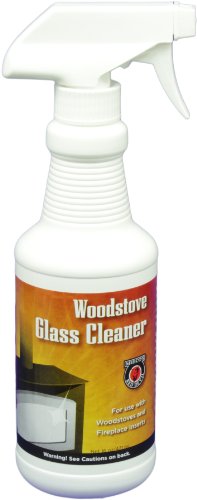
- BWP Score9.2
BWP Score is a ranking system developed by Bestwinterproducts.com. BWP score has no relationship or impact from any manufacturers or sales agent websites. Learn more
- BrandMEECO'S RED DEVIL

- BWP Score9.2
BWP Score is a ranking system developed by Bestwinterproducts.com. BWP score has no relationship or impact from any manufacturers or sales agent websites. Learn more
- BrandRUTLAND PRODUCTS
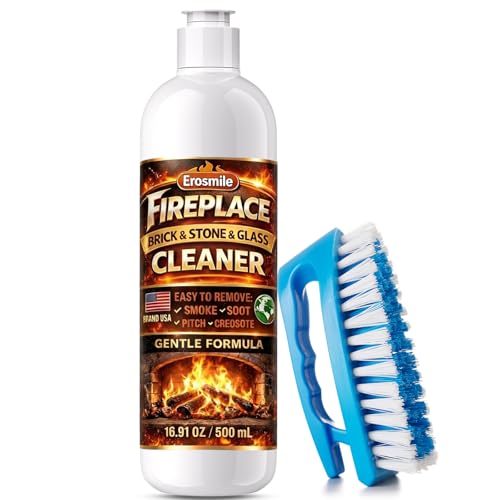
- BWP Score9.2
BWP Score is a ranking system developed by Bestwinterproducts.com. BWP score has no relationship or impact from any manufacturers or sales agent websites. Learn more
- BrandEROSMILE
- BWP Score9.0
BWP Score is a ranking system developed by Bestwinterproducts.com. BWP score has no relationship or impact from any manufacturers or sales agent websites. Learn more
- BrandPine Mountain

- BWP Score9.0
BWP Score is a ranking system developed by Bestwinterproducts.com. BWP score has no relationship or impact from any manufacturers or sales agent websites. Learn more
- BrandRUTLAND PRODUCTS

- BWP Score9.0
BWP Score is a ranking system developed by Bestwinterproducts.com. BWP score has no relationship or impact from any manufacturers or sales agent websites. Learn more
- BrandCO-MATE

- BWP Score9.0
BWP Score is a ranking system developed by Bestwinterproducts.com. BWP score has no relationship or impact from any manufacturers or sales agent websites. Learn more
- BrandRUTLAND PRODUCTS

- BWP Score8.4
BWP Score is a ranking system developed by Bestwinterproducts.com. BWP score has no relationship or impact from any manufacturers or sales agent websites. Learn more
- BrandRUTLAND PRODUCTS
Last update on 2026-10-01 / Affiliate links / Images, Product Titles, and Product Highlights from Amazon Product Advertising API
FAQs
How long should I wait after a fire before cleaning out the fireplace?
Wait at least 24 to 48 hours after your last fire before shoveling ash or cleaning the hearth. Thick ash beds insulate burning embers, keeping coals alive and hot long after the fire looks dead. Use a metal poker to shift the ash bed and confirm there is no rising heat or red glow before you begin.
Can I use my regular household vacuum to pick up fireplace ash?
No, you should never use an ordinary household vacuum or shop vacuum to clean up fireplace ash. Fine ash passes straight through standard paper filters, blowing soot clouds across your living room and ruining the electric motor. More importantly, microscopic live embers hidden in the ash can melt plastic vacuum hoses and ignite the dust canister.
Does burning a creosote cleaning log replace a chimney sweep?
No, burning a creosote log does not replace an annual inspection and cleaning by a professional chimney sweep. The log releases minerals that dry out sticky tar deposits so they flake away, but it cannot remove physical blockages like animal nests or repair cracked flue liners. Use cleaning logs as a helpful maintenance aid between annual professional sweeps.


12 Best Corner Electric Fireplace 2026: My Ultimate Guide To Pick One

Dimplex Prism Wall Mount Fireplace: Sleek Heat With Modern Flame Style
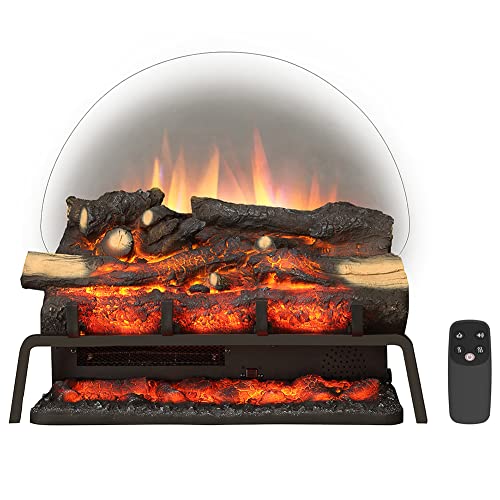
Best Electric Fireplace Insert for Large Room Heating and Style

Best 40 Inch Electric Fireplace Insert 2026 - Cozy Ambiance with Modern Power
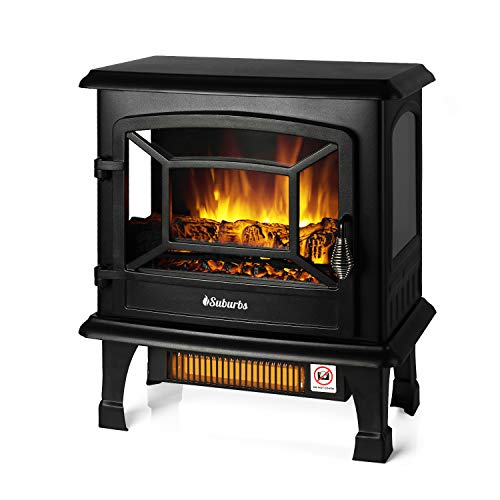
Top 12 Best Quality Electric Fireplace 2026 - Buying Guides

Best Wall Mount Electric Fireplace 2026 for Ultimate Comfort and Style

How to Start Monessen Fireplace: A Step-by-Step Guide

How to Whitewash Rock Fireplace: Simple Steps to Refresh Your Space