How to Clean Fire Brick in a Fireplace Safely

Scrubbing fire brick with warm soapy water and a stiff nylon brush is the safest way to lift dark soot without scratching the masonry. That simple method works well for everyday dust, but thick, baked-on creosote (the dark, sticky residue left by wood smoke) requires a specialized non-acidic cleaner to break the bond.
How hard you scrub depends on the thickness of the grime and the physical shape of the bricks. Firm, healthy bricks can take firm brushing, but crumbling or flaking bricks require a much lighter touch so you do not loosen the heat-resistant mortar. Keeping the dirty runoff off your hearth stone matters just as much as removing the stains. Taking a few careful preparation steps keeps the job neat, safe, and surprisingly quick.
Preparing Your Fireplace and Hearth Before Cleaning
Cleaning fire brick without proper setup can quickly turn your living room floor into a black mess. Soot is made of microscopic carbon particles that behave like black ink when mixed with water. Taking ten minutes to prepare your work area keeps the mess contained inside the firebox.
Confirm that your fireplace is completely cold. Wait at least 24 to 48 hours after your last fire before starting. Ash insulates glowing embers for days, and spraying water onto hot ash can release lung-burning steam.
Put on protective gear before handling soot. Wear rubber cleaning gloves to keep oils off your skin, safety goggles to protect your eyes from soapy splatters, and a dust mask to avoid breathing in fine ash particles.
Follow this preparation checklist before applying any water:
- Close the flue damper: Make sure you close your fireplace damper before touching ash so air currents do not create a downdraft that blows soot into your room.
- Lay down floor protection: Place plastic sheeting directly over your hearth and floor, then lay a heavy canvas drop cloth over the plastic. The plastic stops wet soot from bleeding through, while the canvas catches drips so you do not track grime.
- Create a towel dam: Roll old bath towels and place them along the front edge of the firebox opening. This barrier traps dirty water runoff before it reaches your hearth stone.
- Remove the grate: Carry the metal grate and tools outside so you have room to move around inside the firebox.
- Clear loose ash: Scoop large ash heaps into a metal bucket with a shovel. Vacuum the remaining powder using an ash vacuum or a shop vacuum fitted with a fine-dust filter. Never use a standard household vacuum, because soot passes through regular filters and blows into your living room.
How to Clean Fire Brick Step by Step
Once you clear out dry ash, you can wash away the black film that has baked into the masonry. Fire bricks (heat-resistant bricks lining the firebox) are naturally porous, meaning they absorb liquids quickly. This step-by-step method uses common household supplies to lift soot safely without harming the brick.
- Spray the brick faces with warm water. Use a spray bottle filled with warm water to mist the walls and floor of the firebox until the brick is damp but not dripping wet. Reason: Dry fire brick acts like a dry sponge. Wetting the brick first fills its tiny pores with clean water, which prevents dirty, soot-filled cleaning water from sinking deep into the masonry.
- Mix a cleaning paste of baking soda and dish soap. Combine equal parts liquid dish soap and baking soda in a bucket. Stir in just enough warm water to create a spreadable paste that looks like thick toothpaste. Reason: Liquid dish soap cuts through greasy smoke oils, while baking soda provides a gentle abrasive grit that lifts carbon without scratching the brick.
- Scrub the brick with a stiff nylon brush from top to bottom. Dip a stiff-bristled nylon scrub brush into the paste and apply it using small circular motions, working from the top row down to the floor. Reason: Scrubbing from top to bottom lets dirty suds flow downward over uncleaned surfaces, so you never drip dirty runoff across areas you already washed.
- Let the cleaning paste sit for ten to fifteen minutes. After coating the stained bricks in a thick layer of paste, leave it alone to dwell before scrubbing again. Reason: Giving the soap time to sit breaks down stubborn carbon bonds, reducing the amount of muscle power needed to lift stains.
- Wipe away the dirty foam using damp microfiber towels. Wipe the lather off using a damp sponge or microfiber cloth, rinsing often in a bucket of warm water and folding to a clean side on every pass. Reason: Wiping the slurry away with damp cloths keeps black water controlled, preventing runoff from overflowing your floor barrier.
- Rinse the brick with clean water and blot it dry. Wipe down every brick face once more using a rag dampened in fresh water, then blot the surface with dry towels. Reason: Removing leftover soap stops a cloudy white film from baking onto the brick during your next fire.
Removing Stubborn Creosote and Baked-On Soot
If your fire brick has not been cleaned in years, dish soap and baking soda might leave dark shadows behind. Wood smoke produces creosote (dark, tar-like wood smoke residue that forms when unburned gases condense on cooler surfaces). When creosote bakes under intense firebox heat, it cures into a shiny, glassy crust that soap cannot dissolve.
For these stubborn spots, switch to a specialized non-acidic fireplace brick cleaner gel. Gels are ideal because they cling to vertical brick walls without running down immediately.
Apply the cleaner gel directly onto the tar-like spots with a brush or spray bottle. Let the gel sit according to the product label, which is usually fifteen to thirty minutes. As it rests, the chemical agents soften the hardened carbon, turning the sticky glaze into loose sludge.
Once the cleaner loosens the creosote, scrub the area with a stiff nylon brush. Avoid pushing so hard that you gouge the brick; let the chemical do the work.
Wipe the dissolved creosote away with old rags that you can throw away. Creosote permanently stains household towels. Finish by wiping the brick down twice with a clean, wet sponge to remove all chemical residue.
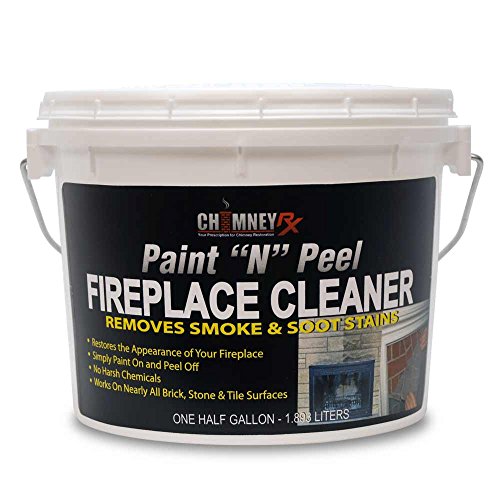
You can also use a peel-off soot cleaner on flat brick surfaces. You brush this thick liquid across the brick face and let it dry for six to twelve hours. It cures into a flexible rubber film that you peel away, pulling embedded soot out of the brick pores without using any water.
Cleaning Methods and Tools to Avoid
Fire brick looks tough because it handles intense heat, but it is physically much softer and more fragile than standard exterior red brick. Fire brick is cast from refractory clay, a material designed to withstand high temperatures without cracking, but it lacks the hard outer glaze of building brick. Using the wrong tools can ruin your firebox permanently.
Never use wire brushes, drill-mounted wire wheels, or steel wool. Metal bristles scratch the soft surface of fire brick, leaving gouges that make the brick look pitted and trap future soot even deeper. Always use stiff synthetic or nylon bristles.
Never use muriatic acid or harsh acidic cleaners. Acid dissolves refractory mortar (the heat-proof cement between fire bricks) within minutes, loosening bricks and creating major fire hazards. Acid also releases harsh fumes that irritate lungs and corrode metal parts.
Never use a pressure washer or garden hose inside a fireplace. Soaking indoor masonry forces gallons of water behind the firebox into wall cavities. That moisture ruins wall insulation, rots wooden wall framing, and causes mold growth inside your home.
Never use flammable solvents like mineral spirits or kerosene to cut through oily soot. Masonry absorbs these liquids deeply. When you light a fire later, trapped fumes can cause a sudden, dangerous flash fire.
Checking for Hidden Firebox Damage
Scrubbing away thick black soot often reveals hidden damage that was impossible to see before. Inspect the bricks and mortar joints thoroughly before lighting your next fire.
Check the refractory mortar joints between every brick. Use a blunt object, like a wooden craft stick, to gently press against the mortar lines. If the mortar crumbles into sandy dust, falls out in chunks, or shows gaps wider than an eighth of an inch, it must be repaired. Open mortar joints let heat and sparks reach combustible framing inside your walls.
Inspect the faces of the bricks. Small hairline surface cracks are a normal result of heat expansion. But if a brick is split completely in two, has pieces flaking off the surface, or wiggles when pushed, that brick needs replacement.
You can patch minor mortar gaps using high-temperature refractory mortar from a caulk tube. But if you find widespread crumbling or loose floor bricks, stop using the fireplace and call a certified chimney sweep or mason.
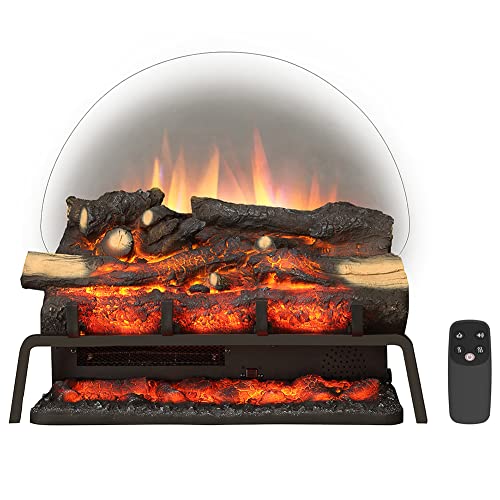
If your masonry firebox turns out to be severely damaged and rebuilding it is too expensive, you do not have to abandon the hearth. Many homeowners slide a clean electric fireplace insert into the existing opening. This solves the safety problem by sealing off the damaged masonry while giving you warm zone heating without the smoke, ash, or brick maintenance.
What to Look for in Fireplace Brick Cleaners
Choosing the right cleaning product makes the difference between an easy cleanup and hours of exhausting work. Look for non-acidic, non-abrasive formulas specifically labeled for indoor masonry and hearth surfaces.
Pick a clinging gel or thick foam rather than a thin, watery spray. Vertical firebox walls cause thin liquids to run straight down to the hearth before they can dissolve carbon stains. A thick gel stays in place, giving the cleaner time to break down oily creosote while you wait.
Select products that come with a matching scrub brush with stiff synthetic or nylon bristles. This ensures you have the right tool to clean rough textures without gouging the softer fire clay underneath.
Look for water-based, low-odor formulas. Because you work in an enclosed space with your head partially inside the firebox, harsh chemical fumes can linger in your room and irritate your breathing. Water-based options clean stubborn soot effectively and wipe away cleanly with damp rags.

- BWP Score9.2
BWP Score is a ranking system developed by Bestwinterproducts.com. BWP score has no relationship or impact from any manufacturers or sales agent websites. Learn more
- BrandRUTLAND PRODUCTS
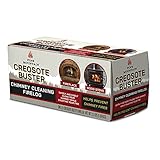
- BWP Score9.0
BWP Score is a ranking system developed by Bestwinterproducts.com. BWP score has no relationship or impact from any manufacturers or sales agent websites. Learn more
- BrandPine Mountain

- BWP Score9.0
BWP Score is a ranking system developed by Bestwinterproducts.com. BWP score has no relationship or impact from any manufacturers or sales agent websites. Learn more
- BrandCO-MATE

- BWP Score8.0
BWP Score is a ranking system developed by Bestwinterproducts.com. BWP score has no relationship or impact from any manufacturers or sales agent websites. Learn more
- BrandQuick 'n Brite
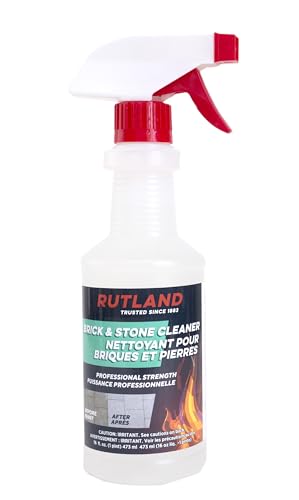
- BWP Score8.0
BWP Score is a ranking system developed by Bestwinterproducts.com. BWP score has no relationship or impact from any manufacturers or sales agent websites. Learn more
- BrandRUTLAND PRODUCTS

- BWP Score8.0
BWP Score is a ranking system developed by Bestwinterproducts.com. BWP score has no relationship or impact from any manufacturers or sales agent websites. Learn more
- BrandQuick 'n Brite
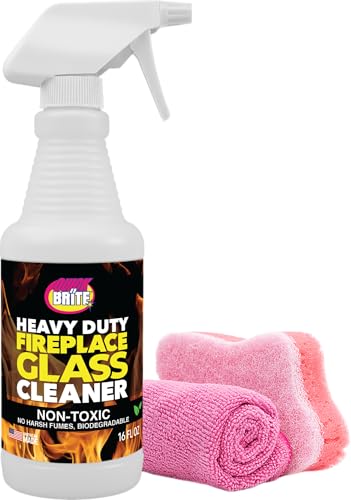
- BWP Score8.0
BWP Score is a ranking system developed by Bestwinterproducts.com. BWP score has no relationship or impact from any manufacturers or sales agent websites. Learn more
- BrandQuick 'n Brite
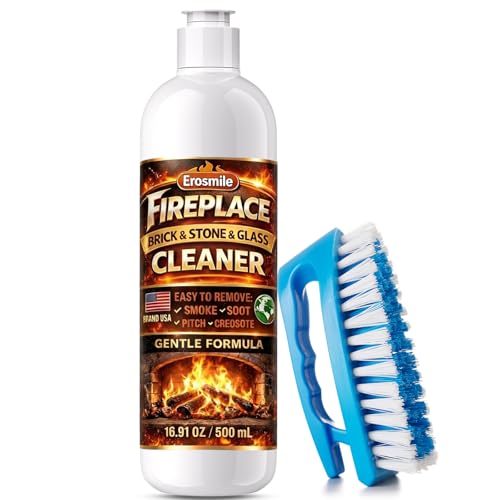
- BWP Score7.8
BWP Score is a ranking system developed by Bestwinterproducts.com. BWP score has no relationship or impact from any manufacturers or sales agent websites. Learn more
- BrandEROSMILE
- BWP Score7.4
BWP Score is a ranking system developed by Bestwinterproducts.com. BWP score has no relationship or impact from any manufacturers or sales agent websites. Learn more
- BrandCHIMNEYRX
Last update on 2026-10-01 / Affiliate links / Images, Product Titles, and Product Highlights from Amazon Product Advertising API
FAQs
Can you use vinegar to clean fire brick?
Avoid using vinegar on fire brick. Vinegar contains acid, which slowly dissolves the refractory mortar holding the fire bricks together. Stick to alkaline or neutral cleaners like baking soda, dish soap, or dedicated non-acidic brick cleaners instead.
How often should you clean the fire brick in a fireplace?
Clean your fire brick thoroughly at least once a year at the end of the winter burning season. Cleaning in spring removes acidic soot and creosote before summer humidity can interact with the carbon, which prevents sour smoke smells and protects the masonry from moisture damage.
Can you paint over fire brick if soot stains will not come out?
Never paint fire brick with standard household wall paint, which blisters, peels, and releases toxic fumes under high heat. If you choose to paint your firebox, use only a specialized high-temperature paint rated for at least 1,200 degrees Fahrenheit, and scrub all soot and grease away first so the paint can bond properly.
Why does fire brick turn black so quickly after a fire?
Fire brick turns black quickly when wood smolders or burns at low temperatures, causing unburned smoke particles to stick to cool masonry. Burning damp, unseasoned wood or closing the air dampers too far starves the fire of oxygen and creates heavy soot. Burning dry, seasoned hardwoods with good airflow produces a hot fire that keeps soot buildup to a minimum.


12 Best Corner Electric Fireplace 2026: My Ultimate Guide To Pick One

Dimplex Prism Wall Mount Fireplace: Sleek Heat With Modern Flame Style
Best Electric Fireplace Insert for Large Room Heating and Style

Best 40 Inch Electric Fireplace Insert 2026 - Cozy Ambiance with Modern Power
Top 12 Best Quality Electric Fireplace 2026 - Buying Guides

Best Wall Mount Electric Fireplace 2026 for Ultimate Comfort and Style

How to Start Monessen Fireplace: A Step-by-Step Guide

How to Whitewash Rock Fireplace: Simple Steps to Refresh Your Space