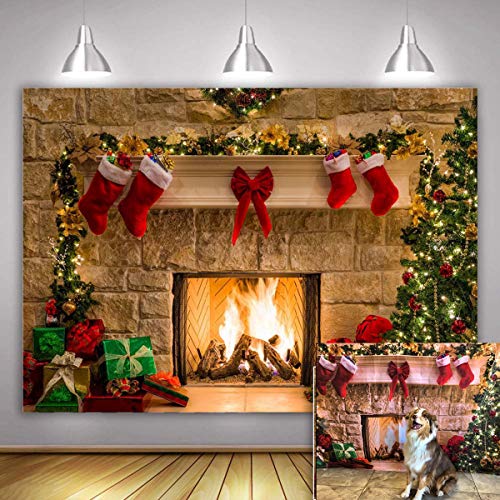
How to Clean Cloudy Gas Fireplace Glass Safely

Most homeowners assume standard blue window spray wipes away that milky white haze just like cleaning a bathroom mirror. In reality, regular household sprays can bake into the surface and permanently damage the panel, so the right fix is to buff the pane with an ammonia-free cream cleaner. That chalky film comes from minerals in burning fuel, and it requires a gentle paste rather than harsh liquids to lift cleanly.
Getting the job done smoothly depends on a couple of practical details. The panel must sit at absolute room temperature to prevent sudden cracking, and you need to locate the specific spring latches or clamps that hold your frame in place. Using the right cloth prevents fine scratches that trap future soot. Here is the step-by-step way to open the frame, lift the panel out safely, and restore a crystal-clear view of the fire.
Before You Start: Shut Down the Fireplace and Let It Cool
Working on a gas fireplace requires basic safety precautions before touching any hardware. A gas fireplace heats its front glass to extreme temperatures, often exceeding 400 degrees Fahrenheit. Touching hot glass causes burns, and spraying cold cleaner on hot ceramic glass causes thermal shock that can shatter the panel.
Check these four items before starting:
- Turn off the fireplace controls: Switch off the wall switch, handheld remote, and the main valve knob.
- Shut off the pilot flame: If your unit has a standing pilot light, turn the control knob to off. Leaving the pilot on keeps the firebox and the lower edge of the glass warm.
- Wait until the unit is cold: Allow at least one to two hours for the glass to cool completely. Touch the outer metal trim with the back of your hand to verify it has reached room temperature before touching the panel.
- Clear a flat workspace: Spread a thick folded towel, blanket, or cardboard on the floor in front of the hearth. Ceramic glass resists high heat, but an accidental bump against a tile or stone hearth will chip the corners.
How to Safely Remove the Fireplace Glass Panel
Most modern gas fireplaces are sealed units. The glass front does not swing open on hinges. Instead, a metal frame holds a heat-resistant fireplace glass panel clamped tightly against the firebox to keep fumes out of your room.
Removing the glass panel takes just a few minutes once you locate the fasteners.
- Remove the safety barrier screen: Grasp the top edges of the fine mesh protective screen, lift upward half an inch to clear the mounting hooks, and pull it off.
- Open the lower control door: Flip down or unhook the metal louver grille at the bottom of the fireplace to reach the valve and lower mounting hardware.
- Find the spring clips: Look inside the bottom and top edges of the frame to locate the latches (spring clips holding the glass frame in place). Most models use two spring-loaded clamps at the bottom and two at the top, or a pair of lower latches with a fixed upper lip.
- Release the latches: Hold the glass frame securely with one hand so it cannot tip forward. With your other hand, pull the release levers down to disengage them from the frame.
- Lift the glass out of the channel: Grip both sides of the metal frame firmly. Tilt the top edge outward a few inches, then lift the entire panel upward out of the bottom resting channel.
- Place the panel flat on your padded work surface: Carry the glass carefully and lay it flat onto your blanket. Working flat makes it easier to polish away the film without putting bending pressure on the panel.
Step-by-Step Instructions to Clean Gas Fireplace Glass
Standard window cleaners roll right off the haze inside a gas fireplace because the residue is not ordinary dust. The white chalky residue left by burning gas consists of baked-on mineral film and sulfur compounds. You need a dedicated ceramic glass cleaning cream that dissolves these minerals without scratching the glass.
Follow these steps to clean the glass panel thoroughly:
- Shake the bottle of cleaning cream vigorously before opening: The active mineral-dissolving agents and fine micro-cleaning particles settle at the bottom of the bottle while sitting on the shelf.
- Pour a dollop of cream directly onto the cloudy sections of the glass: Applying cleaner straight onto the white film gives the formula direct contact with the heaviest mineral buildup rather than thinning it out on a rag first.
- Rub the cream across the glass in small circular motions with a soft microfiber cloth: Gentle circular pressure uses the mild micro-scrubbers in the cream to loosen baked-on film without gouging or scratching the heat-resistant panel.
- Let the paste dry to a light haze for three to five minutes: Allowing the cream to dry gives the chemical compounds time to break the bond between the microscopic glass pores and the sulfur minerals.
- Buff away the dried powder using a second, clean microfiber towel: A fresh, dry cloth lifts away the loosened powdery residue and buffs the surface clear without smearing grime back across the glass.
- Spot-clean any stubborn corners or heavy soot stains: Areas near the exhaust baffles or log tips experience higher heat, meaning minerals bake on harder and often require a second quick application to disappear completely.
- Wipe down the outside surface of the panel with a clean, damp cloth: The room-facing side of the glass only collects household dust and fingerprints, so plain water clears it without wasting specialized cream cleaner.
Cleaning Products and Tools to Keep Away from Gas Fireplace Glass
Ceramic glass withstands intense heat, but it is chemically different from standard window glass. Using the wrong cleaners or tools can ruin an expensive panel permanently.
Never use standard window cleaners or sprays containing ammonia. Ammonia reacts aggressively with high firebox heat. When the fireplace fires up again, chemical residues from ammonia bake directly into the pores of the panel. This creates a permanent rainbow stain or milky haze that cannot be wiped away, forcing you to buy a costly replacement panel.
Avoid using razor blades, putty knives, or steel scrapers on gas fireplace glass. Scraping tools work on wood stoves for thick creosote, but gas units do not produce sticky tar. The white film is a dry mineral layer. A steel blade easily catches on ceramic glass, leaving deep scratches that weaken the panel under heat.
Leave scouring pads, pumice stones, and steel wool in the kitchen. Even scrub sponges labeled safe for non-stick cookware leave microscopic swirl marks across the glass. Over time, those tiny scratches catch soot and make the glass cloudy much faster.
Skip paper towels when buffing out the cleaning paste. Paper towels contain coarse wood fibers that can create tiny scratches across high-temperature coatings. They also tear easily against dried paste, leaving lint all over the glass. Stick to clean, lint-free microfiber towels or soft cotton rags.
Why Gas Fireplace Glass Turns White and How to Inspect the Gasket
A white haze does not mean your fireplace is broken or burning dirty fuel. Natural gas and propane both contain tiny amounts of sulfur compounds, odorants, and trace minerals. When fuel burns, it produces water vapor and carbon dioxide as normal byproducts.
Every time you turn on your fireplace, water vapor condenses on the cold interior surface of the glass panel. As the firebox heats up, that moisture evaporates, leaving behind trace minerals and sulfur. Over weeks of heating cycles, those mineral deposits bake into a hard, chalky white film. If your fireplace is drafted through an older chimney, draft control matters; learning how to close a fireplace damper on an unused traditional hearth helps manage airflow, but for a sealed gas fireplace, proper combustion and sealed gaskets keep air moving correctly. If you ever want to avoid combustion haze entirely, an electric fireplace insert for large room heating provides warmth and flame visuals with no combustion gases or white mineral haze at all.
Before reinstalling your clean glass, inspect the gasket (the heatproof seal strip around the glass frame). This thick woven rope creates an airtight seal between the glass frame and the firebox body.
Check the gasket along all four edges:
- Check for looseness: Run your fingers along the rope seal. It should be firmly glued into its channel without drooping or pulling away at the corners.
- Feel for brittleness: A healthy gasket feels soft and pliable. If the rope feels rock-hard or crumbles under your touch, it has reached the end of its lifespan.
- Look for tears and gaps: Any cut or missing chunk in the rope breaks the airtight seal. A damaged seal allows combustion gases like carbon monoxide into your living room and pulls excess room air into the firebox, cooling the flame and causing black soot.
If the gasket is damaged, install a replacement gasket kit designed for your model before reinstalling the glass. If the gasket is intact, lift the glass panel, slide the lower lip into the bottom channel, and snap the latches back into place evenly.
What to Look for in a Gas Fireplace Glass Cleaner
Choosing the right cleaning product makes the difference between an effortless job and hours of wasted scrubbing. When shopping for a cleaner to restore your fireplace doors, keep a few key qualities in mind.
First, verify that the cleaner specifies it is safe for ceramic glass and formulated for gas fireplaces or gas stoves. Wood stove cleaners are designed to strip thick wood creosote, and some contain harsh chemicals that can pit gas fireplace glass. A formula made for gas units is specifically blended to dissolve white calcium, silica, and sulfur deposits without scratching.
Look for a thick cream or paste formula rather than a watery spray. Creams cling to the glass and provide the mild mechanical action needed to lift baked minerals. Many quality creams also leave behind a microscopic protective barrier. This invisible coating fills the tiny natural pores in the ceramic glass, making it harder for future mineral deposits to stick.
Finally, check whether the product comes as a complete kit or a standalone bottle. Some options include specialized non-scratch applicator pads or microfiber cloths tailored for glass polishing. If you buy a standalone bottle, make sure you have several clean microfiber rags on hand before you begin.

- BWP Score9.2
BWP Score is a ranking system developed by Bestwinterproducts.com. BWP score has no relationship or impact from any manufacturers or sales agent websites. Learn more
- BrandRUTLAND PRODUCTS
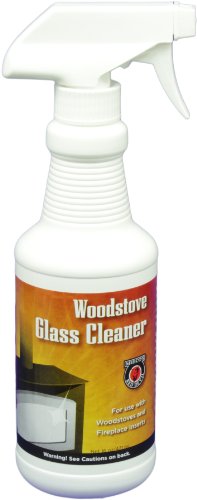
- BWP Score9.2
BWP Score is a ranking system developed by Bestwinterproducts.com. BWP score has no relationship or impact from any manufacturers or sales agent websites. Learn more
- BrandMEECO'S RED DEVIL
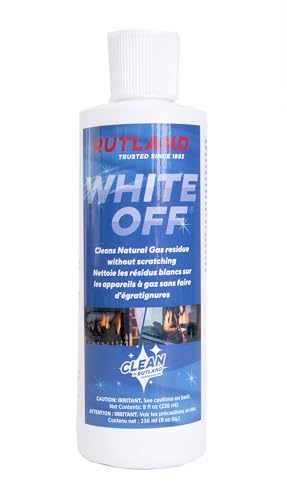
- BWP Score9.0
BWP Score is a ranking system developed by Bestwinterproducts.com. BWP score has no relationship or impact from any manufacturers or sales agent websites. Learn more
- BrandRUTLAND PRODUCTS

- BWP Score8.8
BWP Score is a ranking system developed by Bestwinterproducts.com. BWP score has no relationship or impact from any manufacturers or sales agent websites. Learn more
- BrandMEECO'S RED DEVIL

- BWP Score8.6
BWP Score is a ranking system developed by Bestwinterproducts.com. BWP score has no relationship or impact from any manufacturers or sales agent websites. Learn more
- BrandMEECO'S RED DEVIL

- BWP Score8.4
BWP Score is a ranking system developed by Bestwinterproducts.com. BWP score has no relationship or impact from any manufacturers or sales agent websites. Learn more
- BrandQuick 'n Brite

- BWP Score8.4
BWP Score is a ranking system developed by Bestwinterproducts.com. BWP score has no relationship or impact from any manufacturers or sales agent websites. Learn more
- BrandRUTLAND PRODUCTS
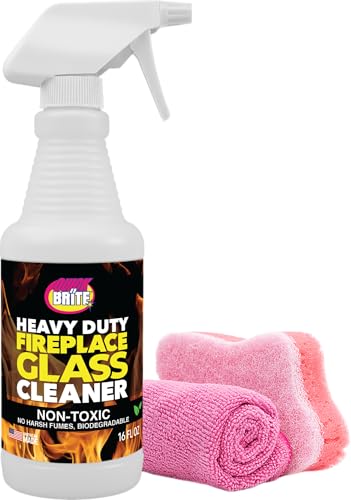
- BWP Score8.4
BWP Score is a ranking system developed by Bestwinterproducts.com. BWP score has no relationship or impact from any manufacturers or sales agent websites. Learn more
- BrandQuick 'n Brite

- BWP Score8.4
BWP Score is a ranking system developed by Bestwinterproducts.com. BWP score has no relationship or impact from any manufacturers or sales agent websites. Learn more
- BrandQuick 'n Brite

- BWP Score8.0
BWP Score is a ranking system developed by Bestwinterproducts.com. BWP score has no relationship or impact from any manufacturers or sales agent websites. Learn more
- BrandQuick 'n Brite
Last update on 2026-10-01 / Affiliate links / Images, Product Titles, and Product Highlights from Amazon Product Advertising API
FAQs
Can I use regular Windex or ammonia spray on my gas fireplace?
No, you should never use regular window cleaners or products containing ammonia on a gas fireplace. When ammonia residue gets heated by the firebox flames, it reacts chemically with the ceramic glass panel. This reaction creates permanent milky etching or rainbow streaks that cannot be scrubbed out, ruining the glass panel permanently.
Why does my gas fireplace glass get cloudy so quickly?
Cloudiness comes from moisture, sulfur, and minerals that naturally exist in natural gas and propane. Every time you turn on the fireplace, water vapor condenses against the cool glass and bakes those minerals onto the surface as the firebox heats up. Burning the fireplace for short cycles of just a few minutes worsens this buildup because the glass never stays hot enough to burn off condensation cleanly.
How often should I clean the glass on my gas fireplace?
Most manufacturers recommend cleaning the glass once or twice during each heating season, plus once after the cold season ends. Cleaning the glass in the spring is especially helpful because leaving sulfur and mineral film sitting on the glass all summer can etch the surface over time. If you use your fireplace every evening, you may need a quick touch-up every month or two.
Can I clean the glass while it is installed on the fireplace?
You can clean the glass while it is mounted on the unit if your fireplace model allows full access to the interior surface. But removing the panel and laying it flat on a padded floor is safer and much easier. Working flat gives you better leverage to buff out stubborn haze and prevents liquid cleaner from running down into the gas burner assembly or soaking into the lower rope gasket.


12 Best Corner Electric Fireplace 2026: My Ultimate Guide To Pick One

Dimplex Prism Wall Mount Fireplace: Sleek Heat With Modern Flame Style
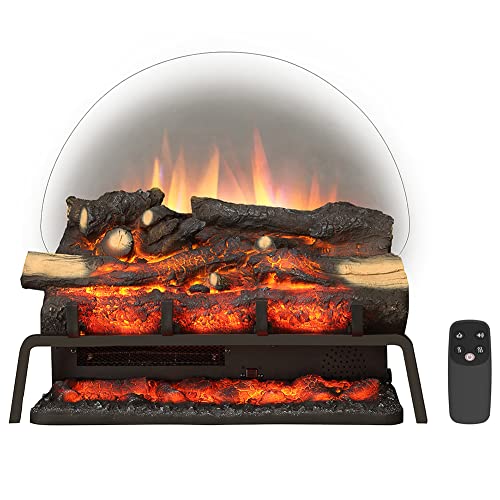
Best Electric Fireplace Insert for Large Room Heating and Style

Best 40 Inch Electric Fireplace Insert 2026 - Cozy Ambiance with Modern Power
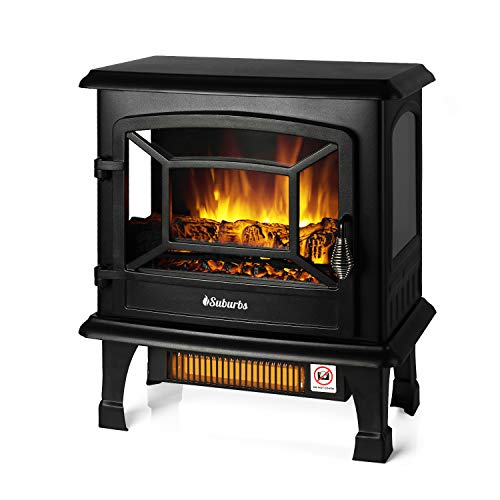
Top 12 Best Quality Electric Fireplace 2026 - Buying Guides

Best Wall Mount Electric Fireplace 2026 for Ultimate Comfort and Style

How to Start Monessen Fireplace: A Step-by-Step Guide

How to Whitewash Rock Fireplace: Simple Steps to Refresh Your Space