How to Clean Gas Fireplace Logs Safely

Shut off the main gas valve and let the hearth cool completely before touching anything. This simple step keeps you safe from burns and stops gas from leaking while you work. Take a quick photo of the arrangement so each piece returns to its exact position later. Then, brush away soot using a soft, dry paintbrush. Never wash the logs with water or soapy cleaners, because trapped moisture can crack the porous material when the fire relights.
The exact care required depends on the log material and how the fireplace vents. Heavy ceramic logs handle gentle wiping well, but lightweight ceramic fiber logs crumble easily if scrubbed. Vented units tolerate mild carbon dust, while vent-free models must stay completely clean to protect indoor air. Heavy soot can also signal clogged burner ports (the small holes where flames emerge) rather than everyday dust. Here are the steps to clean the logs and firebox safely.
How Do You Prepare Before Cleaning Gas Logs?
Working on a gas fireplace requires a few quick safety precautions before you touch anything inside the hearth. Gas fireplaces combine open gas lines, electric igniters, and fragile artificial wood. Rushing into the job can damage delicate parts or create safety hazards in your living room. Taking ten minutes to prepare your work area makes the entire process faster and keeps your home clean.
Follow this prep checklist before removing a single piece of artificial wood:
- Shut off the gas supply: Locate the main gas shutoff valve, which is usually a brass valve on the floor or wall near the fireplace that turns with a removable key, or a lever valve on the pipe underneath the firebox. Turn the valve until it sits perpendicular to the gas pipe to stop all fuel flow. Next, turn the fireplace control knob on the unit itself to the off position. This extinguishes the pilot light (the small starter flame that stays lit to ignite the main burner).
- Let the entire fireplace cool down completely: Gas logs absorb and hold heat long after the flames go out. Wait at least two to three hours after turning off the unit before touching the interior. The logs, burner tray, and metal grates should be completely cold to the touch.
- Photograph the log arrangement from three angles: Take your smartphone and snap a picture from the front, one from the left side, and one from the right side. Capture close-up views of how the smaller top twigs rest across the bottom logs. Every log set is engineered to sit in a very specific pattern. Having clear reference photos will prevent guesswork when you rebuild the stack later.
- Set up a padded staging zone: Spread an old drop cloth, thick moving blanket, or several large bath towels across the floor directly in front of the hearth. Gas logs leave thick black carbon powder on anything they touch, and placing them directly on carpet or hardwood can cause deep stains. A padded blanket also prevents the logs from chipping if you set them down too hard.
- Gather safe cleaning tools: You do not need expensive gear, but you do need the right items. Collect a clean, dry paintbrush with soft synthetic or natural bristles (about two inches wide), a clean microfiber towel, a regular vacuum cleaner with a flexible hose and a soft brush attachment, and a small box of wooden toothpicks. Never bring metal wire brushes, kitchen scour pads, or household chemical sprays to the hearth.
What Is the Safest Way to Clean the Logs?
Gas logs look like solid chunks of oak, birch, or driftwood, but they are surprisingly fragile. Most modern sets are molded from either dense ceramic composite or lightweight refractory ceramic fiber (a lightweight molded log material that feels almost like hardened chalk or rigid foam). Ceramic fiber logs in particular will crumble, gouge, or crack if you scrub them with force. Cleaning them requires a light hand and dry tools.
Follow these numbered steps to clean your gas logs without causing surface damage:
- Remove the top logs first: Carefully lift off the smaller, loose twigs and branches resting on the top layer. Use two hands for each piece to distribute the weight evenly. Never yank, twist, or force a log that seems stuck; some top logs sit on small alignment pins or resting notches. Carry each piece straight over to your padded drop cloth.
- Remove the bottom base logs: The large base logs rest on the metal grate or the floor of the firebox. Lift them straight up off their locating brackets or support pins. If your fireplace uses loose decorative lava rocks or vermiculite granules along the sides, gently push them aside so you do not drop a log onto them. Place all base logs on your drop cloth in the order you took them out.
- Dry-brush the soot outside or over the drop cloth: Take your soft dry paintbrush and gently sweep away the black carbon powder (the powdery soot buildup) from the surface of each log. Use light, sweeping strokes following the simulated wood grain. Never use a stiff bristle brush, as it will scratch off the painted detail. If the weather is mild, carry the logs outside onto your patio or lawn to brush them off, keeping the loose soot out of your indoor air.
- Wipe smooth areas with a barely damp microfiber cloth: If your set is made of heavy, solid ceramic, you can wipe stubborn dusty patches with a microfiber cloth that has been dampened with plain warm water and wrung out until nearly dry. If your logs are made of soft ceramic fiber, skip this damp wipe entirely. Never get ceramic fiber wet.
- Let the logs air-dry completely: If you used a damp cloth on ceramic logs, leave them on the towel in a warm room for at least one hour until every trace of moisture evaporates. Porous materials absorb liquid quickly. If you fire up a gas log that has trapped water inside, the moisture turns to steam under the heat of the burner, which can cause the log to crack, flake, or split apart.
Never wash gas fireplace logs in the sink, soak them in a bucket of water, or spray them down with a garden hose. Furthermore, avoid dish soap, bleach, window cleaner, and multipurpose degreasers. Chemical residues soak straight into porous log materials. When you turn the fireplace back on, those trapped chemicals bake under the flames, releasing unpleasant chemical odors and hazardous fumes into your home.
How Do You Clean the Burner and Firebox?
Once the logs are resting safely on your drop cloth, shift your attention to the empty firebox. Over a single winter, pet hair, airborne dust, and spiderwebs get sucked into the lower fireplace vents and settle across the burner pan. If left uncleaned, this household debris chars against the hot metal, producing a stale burning smell and clogging the gas delivery system.
Clean the interior of the firebox using this methodical approach:
- Remove old, degraded glowing embers: Look at the burner pan underneath where the logs sat. You will see remnants of fluffy rock wool that glowed like hot coals when the fire was burning. Over time, these fibers gather dust, clump together, and lose their airy texture. Pick up the old, dusty clumps with your fingers or a pair of disposable gloves and throw them in the trash.
- Vacuum the firebox floor and metal grate: Attach the soft brush nozzle to your vacuum hose. Gently vacuum the base of the firebox, sweeping up loose dust, pet dander, dead insects, and stray soot particles. Run the brush across the metal support grates and along the back refractory brick panels. Work slowly so the vacuum exhaust does not blow soot across your living room.
- Inspect and clear the burner ports: Look closely at the metal burner tube or pan. You will see dozens of burner ports (small holes where flames emerge along the gas pipe). Check if any of these tiny openings are clogged with soot, lint, or bits of degraded rock wool. Take a wooden toothpick and gently poke through any blocked hole to clear the airway. Never use metal drill bits, finishing nails, or sewing needles to clear burner ports; metal tools can widen or distort the precision holes, altering the gas flow and causing uneven, dangerous flames.
- Clean around the pilot assembly and air mixer: Locate the pilot light bracket, where the small starter flame and the safety sensor rods sit. Use your dry paintbrush to flick dust away from the sensor tips. Next, locate the air shutter (the small adjustable metal opening near where the gas line feeds the burner). Spiders love making webs inside this dark passage during the summer. Use a soft pipe cleaner or a quick burst from a can of compressed air to clear spiderwebs out of the air mixer tube.
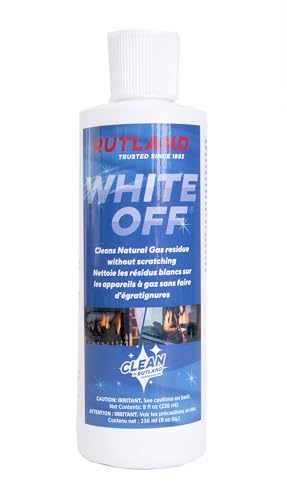
- Clean the firebox glass door: If your gas fireplace has a sealed glass door, inspect the inner surface for a hazy, cloudy white film. This white residue is a normal byproduct of combustion minerals and moisture. Never clean gas fireplace glass with standard ammonia-based window cleaner, which can permanently etch into hot tempered or ceramic glass. Use a cream cleaner formulated specifically for gas fireplace glass, rubbing it in small circular motions with a dry paper towel until the film lifts, then buffing it clear.
How Do You Put the Fireplace Back Together?
Reassembling a gas log set is not a design project where you can arrange pieces however you like. Gas logs must go back into their exact factory-engineered positions. When logs sit improperly, the flame hits the simulated wood at the wrong angle. This issue, known in the heating industry as flame impingement, cools the flame tip prematurely, leading to incomplete fuel combustion. Incomplete combustion produces heavy black soot across your hearth and releases elevated levels of invisible, odorless carbon monoxide into your living space.
Pull up the photos you took before disassembly and follow this rebuilding sequence:
First, verify that your burner pan is clean and dry. If you have an operable chimney damper on a vented fireplace, make sure the safety damper clamp is tightly bolted in place. Vented units must always have a damper opening to let combustion fumes escape safely up the flue. If you are unfamiliar with how your chimney hardware operates, review how to close fireplace damper mechanisms and safety stops so you never accidentally trap exhaust gases in your living area.
Second, lay down fresh glowing ember material. Gas fireplaces use specialized high-temperature rock wool fibers that mimic glowing coals when the flames touch them. Take a handful of new rock wool and gently tear it into loose, dime-sized tufts. Pull the fibers apart until they look like wispy cotton balls. Scatter these light tufts across the top of the burner ports and along the front edge of the ember bed. Do not pack the wool down, do not lay it in thick dense mats, and never smother the pilot light burner assembly. The gas must be able to flow freely through the loose fibers to ignite without popping or delaying.
Third, set the bottom base logs back into place. Line up the slots, holes, or metal brackets on the bottom of each log with the pins on the fireplace grate. Wiggle the logs gently to confirm that they sit flat and cannot slide forward or rock back and forth. Compare their spacing against your reference photos.
Finally, position the smaller top branches and twigs into their designated resting grooves. Most manufacturer log sets feature small molded notches, pins, or flat spots where the upper branches rest securely across the lower logs. When installed correctly, the upper logs should rest across the burner without sitting directly inside the primary flame paths. Compare your final arrangement with your three smartphone photos from every angle. If anything looks twisted or out of place, adjust it before turning the gas back on.
Why Is Soot Building Up on Your Logs?
A light accumulation of grayish room dust after months of disuse is completely normal. However, thick, velvety black carbon powder coating your artificial logs indicates a combustion problem. Understanding why soot forms helps you determine whether your fireplace simply needs regular dusting or requires a service call from a licensed gas technician.
The severity of soot buildup depends heavily on what style of fireplace you own:
- Vented gas fireplaces: Vented systems exhaust their fumes outdoors through a chimney or metal flue pipe. These units run with richer, yellower flames that look like real wood campfires. Because yellow flames produce trace carbon, vented logs tolerate a small amount of light soot in areas where the flame tips lick the logs. However, heavy crusts of black soot falling onto the burner are not normal.
- Vent-free gas fireplaces: Vent-free systems have no chimney; all combustion byproducts stay inside your home. These units are precision-tuned to burn with high efficiency, creating a clean blue flame with modest yellow tips. Vent-free gas logs must remain virtually soot-free at all times. If you notice any visible black soot gathering on vent-free logs or firebox walls, turn the unit off immediately. Soot on a vent-free unit means the system is producing unburned fuel and hazardous carbon monoxide.
Check through this list of common soot causes:
- Misaligned artificial logs: If a log slipped out of its groove during cleaning or was bumped by a pet, it may be sitting directly across an active flame path. Adjust the log back to its designated pin or notch.
- Clogged burner openings: When burner ports (small holes where flames emerge) become obstructed by lint or dust, gas is forced through adjacent holes at improper pressure, causing uneven, smoky flames.
- Blocked primary air mixer: The air shutter feeds oxygen into the raw gas before it reaches the burner. If dust or spiderwebs cover the shutter opening, the fuel-to-air ratio drops, turning crisp heating flames into dirty, soot-producing yellow smoke.
- Improper ember placement: Piling replacement glowing ember rock wool too thickly over the burner blocks gas flow, deflecting flames directly into the underside of the logs.
- Incorrect gas line pressure: Natural gas and liquid propane require precise operating pressures. If a pressure regulator fails or line pressure drops, combustion becomes incomplete.
If you clean your fireplace thoroughly, set the logs in their exact factory positions, and still notice thick black carbon forming within an hour of operation, stop using the fireplace. Turn the manual shutoff valve off and schedule an inspection with an experienced gas fireplace technician to check line pressure, air shutter adjustments, and venting draw.
Which Maintenance Products Help Keep Gas Fireplaces Clean?
Keeping a gas fireplace looking pristine and operating safely is much easier when you use products formulated specifically for gas hearth appliances. Standard household cleaners should never enter the firebox, but specialized maintenance products simplify seasonal cleaning and restore that cozy, authentic glow.
When shopping for gas fireplace care products, focus on these three essentials:
First, consider a specialized gas log soot cleaner spray. These ready-to-use sprays dissolve stubborn carbon and soot buildup on ceramic logs without requiring abrasive scrubbing. You simply spray the formula onto warm or operating logs (following the specific bottle directions), and the active ingredients help burn away carbon residue during operation. When selecting a soot spray, verify that the label states it is safe for ceramic gas logs and compatible with both natural gas and liquid propane units. Avoid standard masonry cleaners that contain corrosive acids.
Second, pick up a dedicated gas fireplace glass cleaning cream. Gas fireplaces produce a unique, stubborn white haze on the inside of the glass that standard household window sprays cannot dissolve. Specialized glass creams lift this white mineral residue easily without micro-pitting or scratching the expensive tempered or ceramic viewing pane.
Third, keep a bag of high-temperature replacement rock wool glowing embers on hand. Over one or two heating seasons, the rock wool embers beneath your logs degrade, collect dust, and lose their ability to glow. Adding fresh, wispy rock wool fibers across the burner ports restores that vibrant, incandescent bed of hot coals whenever the fireplace is running.
One critical safety rule: never buy or use wood-burning chimney cleaning logs (such as creosote sweeping logs) in a gas fireplace. Creosote-reducing firelogs are designed exclusively for open wood-burning fireplaces and wood stoves. They burn at intense temperatures and release chemical powders designed to dry out wood tar in masonry flues. Burning a creosote firelog on a gas burner will destroy the delicate burner pan, ruin the pilot assembly, clog gas delivery ports, and create a severe fire hazard in your home.

- BWP Score9.4
BWP Score is a ranking system developed by Bestwinterproducts.com. BWP score has no relationship or impact from any manufacturers or sales agent websites. Learn more
- BrandAmericangaslogs

- BWP Score9.2
BWP Score is a ranking system developed by Bestwinterproducts.com. BWP score has no relationship or impact from any manufacturers or sales agent websites. Learn more
- BrandCreosote Sweeping Log

- BWP Score9.2
BWP Score is a ranking system developed by Bestwinterproducts.com. BWP score has no relationship or impact from any manufacturers or sales agent websites. Learn more
- BrandAmericangaslogs
- BWP Score9.0
BWP Score is a ranking system developed by Bestwinterproducts.com. BWP score has no relationship or impact from any manufacturers or sales agent websites. Learn more
- BrandRUTLAND PRODUCTS

- BWP Score9.0
BWP Score is a ranking system developed by Bestwinterproducts.com. BWP score has no relationship or impact from any manufacturers or sales agent websites. Learn more
- BrandCO-MATE

- BWP Score9.0
BWP Score is a ranking system developed by Bestwinterproducts.com. BWP score has no relationship or impact from any manufacturers or sales agent websites. Learn more
- BrandRUTLAND PRODUCTS

- BWP Score8.6
BWP Score is a ranking system developed by Bestwinterproducts.com. BWP score has no relationship or impact from any manufacturers or sales agent websites. Learn more
- BrandVerplexter

- BWP Score8.2
BWP Score is a ranking system developed by Bestwinterproducts.com. BWP score has no relationship or impact from any manufacturers or sales agent websites. Learn more
- BrandRUTLAND PRODUCTS

- BWP Score6.8
BWP Score is a ranking system developed by Bestwinterproducts.com. BWP score has no relationship or impact from any manufacturers or sales agent websites. Learn more
- BrandMEECO'S RED DEVIL

- BWP Score6.8
BWP Score is a ranking system developed by Bestwinterproducts.com. BWP score has no relationship or impact from any manufacturers or sales agent websites. Learn more
- BrandMEECO'S RED DEVIL
Last update on 2026-10-01 / Affiliate links / Images, Product Titles, and Product Highlights from Amazon Product Advertising API
FAQs: What Else Do Homeowners Ask?
Can you wash gas fireplace logs in the sink with soap and water?
No, you should never wash gas fireplace logs in a sink, tub, or with a garden hose. Gas logs are made of porous ceramic materials or fragile ceramic fibers that soak up liquids like a sponge. Water trapped inside the core of the log expands and turns to steam when the fireplace turns on, which can split or shatter the log. Additionally, soap residues soak into the material and emit unpleasant or harmful fumes once heated by open flames.
Can you vacuum gas fireplace logs directly?
You can gently vacuum heavy, solid ceramic logs using a soft brush attachment, but you must never use a vacuum directly on delicate ceramic fiber logs. Ceramic fiber is lightweight and brittle, meaning strong vacuum suction can easily chip the bark detail or pull chunks out of the simulated wood. For fiber logs, stick to dusting with a soft, dry paintbrush, and reserve the vacuum hose exclusively for the metal floor, grates, and surrounding firebox corners.
How often do gas fireplace logs need cleaning?
Gas fireplace logs should receive a thorough inspection and dusting at least once a year, ideally in the autumn before the winter heating season begins. If you have indoor pets that shed heavily, or if your fireplace sits in a high-traffic room where dust circulates constantly, check the firebox every few months during active use. Regular seasonal cleanings prevent dust and pet hair from burning onto the logs and clogging the burner ports.
What happens if you put gas logs back in the wrong order?
Placing gas logs in the wrong position causes the flames to hit the artificial wood at improper angles, a problem called flame impingement. When active flames are obstructed, the fire cannot burn fuel completely, which leads to heavy black soot coating your firebox walls. More importantly, incomplete combustion produces elevated levels of dangerous carbon monoxide gas, creating a serious indoor health hazard.


12 Best Corner Electric Fireplace 2026: My Ultimate Guide To Pick One

Dimplex Prism Wall Mount Fireplace: Sleek Heat With Modern Flame Style
Best Electric Fireplace Insert for Large Room Heating and Style

Best 40 Inch Electric Fireplace Insert 2026 - Cozy Ambiance with Modern Power
Top 12 Best Quality Electric Fireplace 2026 - Buying Guides

Best Wall Mount Electric Fireplace 2026 for Ultimate Comfort and Style

How to Start Monessen Fireplace: A Step-by-Step Guide

How to Whitewash Rock Fireplace: Simple Steps to Refresh Your Space