How to Clean a Red Brick Fireplace Safely

Dark soot stains look alarming on masonry, but they rarely cause permanent damage to the brickwork underneath. The safest fix is to soak the brick with plain water first so it stops acting like a sponge, then scrub the face with warm water, dish soap, and baking soda. That lifts the black film without driving grimy runoff deeper into the porous surface.
The exact approach depends on how thick the soot layer is and what caused the discoloration. Light, powdery ash washes off with basic household soap, but sticky wood tar or white mineral salt marks require different methods. Older fireplaces also have softer mortar, the gritty cement between bricks, which needs gentler brushing to prevent chipping. Here is the right order of steps to clear the grime safely.
Protect Your Floors And Hearth Before Touching Any Soot
Soot is microscopic carbon powder mixed with burnt wood oils. The moment water touches loose soot, it turns into an ink-like slurry that spreads across any porous surface it reaches. If that dirty runoff drips onto carpet, hardwood flooring, or unsealed hearth tile, it creates dark, stubborn stains that are nearly impossible to lift.
Taking ten minutes to prep your hearth keeps the mess contained inside the fireplace box and off your living room floor.
- Wait for cold ash: Never clean a fireplace while the ash bed is warm. Let the firebox cool completely for at least 48 hours after your last fire, then shovel out loose ashes and unburnt wood chunks.
- Close the chimney damper: Drafts coming down the chimney can blow fine soot particles into your living space while you work. Verify how to close fireplace damper seals tightly before disturbing any soot on the brick.
- Lay down heavy waterproof barriers: Place a thick plastic painter's tarp on the floor in front of the hearth, extending six feet into the room. Layer old bath towels or canvas drop cloths over the plastic to absorb runoff water before it pools or spreads.
- Tape the edges: Use blue painter's tape to secure the plastic sheeting directly against the bottom edge of the brick hearth so dirty water cannot seep underneath.
- Wear protective gear: Put on rubber cleaning gloves, safety glasses, and a dust mask so airborne soot does not irritate your skin, eyes, or lungs.
Saturate The Dry Brick With Clean Water Before Applying Soap
Red brick looks solid, but it is porous, meaning it is full of tiny holes that soak up liquid like a sponge. When brick sits dry in your home, those tiny channels remain empty and thirsty. If you apply soapy water or cleaner directly to bone-dry brick, the clay immediately sucks that liquid deep into its core. Because that liquid carries dissolved soot, the brick pulls black carbon into its interior, leaving a dark, permanent shadow that scrubbing cannot reach.
Pre-wetting stops this suction. When you spray clean water onto the brick before adding soap, the microscopic pores fill completely with clean liquid. Because the brick is already saturated, it cannot absorb the dirty wash water. The soap, loosened ash, and dissolved oils stay on the surface, where your brush and sponge can wipe them away cleanly.
Fill a spray bottle with warm tap water. Mist the soot-stained bricks thoroughly until the surface is damp and darkened, but stop before water runs down the face in heavy sheets. Work in sections about three feet wide so the brick does not dry out before you start scrubbing. Keep the spray bottle handy to re-wet any area that starts looking chalky.
Scrub Light Soot Stains With Warm Water And Dish Soap
For routine smoke marks and light soot, you do not need harsh chemicals. A simple mixture of warm water, degreasing dish soap, and baking soda provides plenty of cleaning power. The soap cuts wood grease, while baking soda adds a mild grit that lifts soot without scratching the brick.
- Mix the cleaning paste: Pour one gallon of warm water into a bucket and stir in one-quarter cup of liquid dish soap. In a separate bowl, mix equal parts dish soap and baking soda into a thick paste with the texture of frosting.
- Apply the paste to stains: Spread the paste directly over smoke stains with a damp sponge or your gloved hand. Press it into the textured brick surface. Let it sit for ten to fifteen minutes so the soap can break down oily carbon.
- Scrub in small circles: Dip a stiff nylon scrub brush into your soapy water bucket. Scrub the pasted areas using firm, circular strokes. The circular motion works bristles into tiny pits from all angles without flicking dirty water across the room.
- Clean along mortar joints gently: Mortar is the gritty cement holding the bricks together, and it is softer than fired clay. Lighten your hand pressure when scrubbing mortar lines so you do not dislodge sand grains or crumble the joint.
- Rinse and blot dry: Fill a second bucket with clean, warm water. Wipe the scrubbed brick from top to bottom with a clean sponge, rinsing it frequently. Change the rinse water as soon as it turns grey. Finish by pressing clean towels against the damp brick to blot up moisture.
Treat Heavy Carbon And Stubborn Creosote With Targeted Cleaners
If dish soap leaves dark marks behind, you are dealing with heavier carbon buildup or creosote. Creosote is sticky black tar left by wood smoke that hardens into a shiny, baked-on crust over time. Normal soap cannot dissolve these cured wood resins.
You might also see white, chalky marks across your brick. This is efflorescence, which refers to white powdery salt marks on brick left when moisture inside the wall evaporates. Different stains require different approaches:
- For hardened creosote: Use a specialized fireplace soot remover or masonry cleaning gel. Gel formulas cling to vertical walls without running down onto the hearth. Spread the gel over the blackened areas, wait the recommended dwell time, scrub with your nylon brush, and rinse thoroughly.
- For white efflorescence: Do not use soap on mineral salts, as it leaves a film that traps more salt. Instead, scrub dry efflorescence with a dry, stiff nylon brush and vacuum the loose dust immediately. For stubborn patches, sponge with clean water and scrub lightly. Avoid soaking the brick, which pulls more salt from deep inside the masonry.
- For decades of baked-on soot: If older brick is severely stained or mortar is fragile, aggressive scrubbing may cause permanent wear. In spaces where wood-burning upkeep has become a burden, some homeowners clean the hearth one final time and install the best electric fireplace insert for large room heating to enjoy cozy flames without smoke or soot.
Avoid Wire Brushes And Harsh Acids That Permanently Ruin Brick
When scrubbing stubborn stains, using the wrong tools can permanently ruin your fireplace. Red brick gets its color and durability from a thin, fired outer crust. Once that outer layer is scratched or chemically stripped, the soft clay underneath is permanently exposed to dirt and moisture.
Keep these damaging tools and chemicals away from your fireplace:
- Wire bristle brushes: Steel or brass wire brushes scrape deep gouges into the brick face. These scratches trap future soot and cannot be repaired. Steel wire brushes also shed tiny metal fragments that stick inside the porous clay, rust over time, and leave permanent orange stains.
- Muriatic acid: Muriatic acid is an industrial acid meant strictly for outdoor masonry with heavy ventilation. Indoors, its fumes irritate lungs, corrode metal dampers, and eat away the mortar holding the bricks together. It also strips the natural red iron oxide in clay, turning red bricks a patchy, chalky yellow.
- Chlorine bleach: Bleach does not break down oily soot or carbon binders. It releases harsh fumes in enclosed spaces, can degrade mortar, and leaves salts behind that cause long-term crumbling.
- Pressure washers: High-pressure water belongs outdoors. Inside a home, pressure washers blast gallons of water behind walls, creating hidden rot and mold behind the fireplace surround.
Choose The Right Masonry Cleaner And Non-Metallic Scrub Brush
When household soap cannot lift heavy carbon, a dedicated fireplace cleaner provides the extra lifting strength you need. Look for formulas specifically made for porous interior brick, stone, and mortar.
Thick gel cleaners work best on vertical surfaces because they cling to upright bricks without dripping down before dissolving the soot. Look for non-abrasive, ammonia-free formulas that break down smoke residues without releasing harsh indoor fumes.
Pair your cleaner with a sturdy hand scrub brush that uses stiff synthetic bristles, such as nylon, or natural tampico fibers. Avoid any brush containing brass or steel wire. A brush with a comfortable, non-slip handle gives you good leverage while protecting your knuckles from rough brick edges.
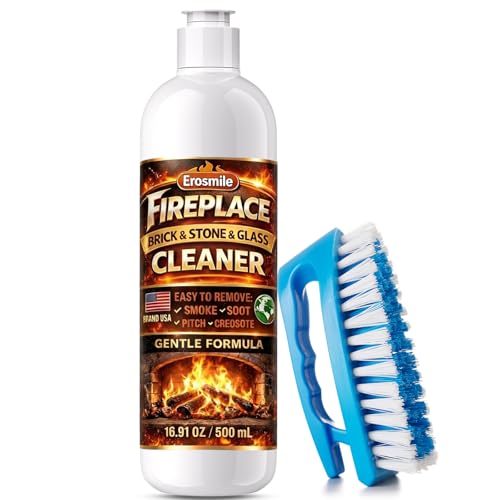
- BWP Score9.2
BWP Score is a ranking system developed by Bestwinterproducts.com. BWP score has no relationship or impact from any manufacturers or sales agent websites. Learn more
- BrandEROSMILE

- BWP Score9.2
BWP Score is a ranking system developed by Bestwinterproducts.com. BWP score has no relationship or impact from any manufacturers or sales agent websites. Learn more
- BrandEROSMILE

- BWP Score9.0
BWP Score is a ranking system developed by Bestwinterproducts.com. BWP score has no relationship or impact from any manufacturers or sales agent websites. Learn more
- BrandCFKJ

- BWP Score8.6
BWP Score is a ranking system developed by Bestwinterproducts.com. BWP score has no relationship or impact from any manufacturers or sales agent websites. Learn more
- BrandMEECO'S RED DEVIL

- BWP Score8.4
BWP Score is a ranking system developed by Bestwinterproducts.com. BWP score has no relationship or impact from any manufacturers or sales agent websites. Learn more
- BrandRUTLAND PRODUCTS

- BWP Score8.0
BWP Score is a ranking system developed by Bestwinterproducts.com. BWP score has no relationship or impact from any manufacturers or sales agent websites. Learn more
- BrandQuick 'n Brite
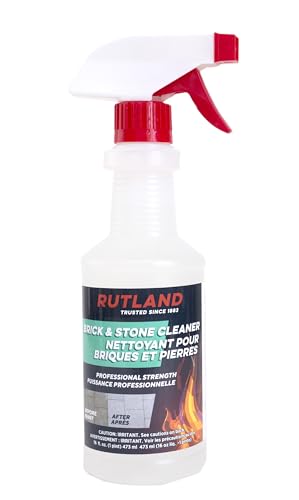
- BWP Score8.0
BWP Score is a ranking system developed by Bestwinterproducts.com. BWP score has no relationship or impact from any manufacturers or sales agent websites. Learn more
- BrandRUTLAND PRODUCTS

- BWP Score7.4
BWP Score is a ranking system developed by Bestwinterproducts.com. BWP score has no relationship or impact from any manufacturers or sales agent websites. Learn more
- BrandAkona

- BWP Score6.8
BWP Score is a ranking system developed by Bestwinterproducts.com. BWP score has no relationship or impact from any manufacturers or sales agent websites. Learn more
- BrandBrick-Anew
Last update on 2026-10-01 / Affiliate links / Images, Product Titles, and Product Highlights from Amazon Product Advertising API
FAQs
How long should I let baking soda and dish soap sit on brick?
Letting the paste sit for ten to fifteen minutes gives the soap enough time to loosen greasy soot. Do not let the baking soda dry out completely, or it will turn into a hard crust that is difficult to wipe away. If the paste starts drying, mist it lightly with clean water from your spray bottle.
Why does my fireplace brick look cloudy after it dries?
A cloudy or chalky look usually means that dirty rinse water soaked back into the brick or soap residue remained on the surface. Because brick is porous, it holds onto soapy film unless rinsed thoroughly with fresh water. Wipe the area again using a clean sponge and warm water, changing your rinse bucket frequently.
Can I use vinegar to clean red fireplace brick?
Vinegar is acidic, so avoid using it on fireplace brick and mortar. While mild acid can dissolve certain mineral deposits, it eats away the lime in mortar joints and causes the gritty cement to crumble over time. A neutral soap and baking soda paste is much safer for preserving masonry.
When should I stop cleaning and call a professional chimney sweep?
Stop cleaning and call a chimney professional if you notice crumbling mortar joints, cracked firebox bricks, or thick, shiny creosote buildup inside the lower flue. A heavy layer of glazed creosote is a serious fire hazard that household scrubbing cannot resolve. A certified chimney sweep has the specialized tools needed to inspect and clean the flue safely.


12 Best Corner Electric Fireplace 2026: My Ultimate Guide To Pick One

Dimplex Prism Wall Mount Fireplace: Sleek Heat With Modern Flame Style
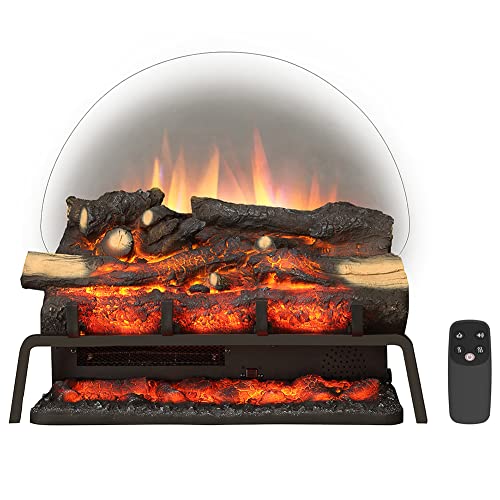
Best Electric Fireplace Insert for Large Room Heating and Style

Best 40 Inch Electric Fireplace Insert 2026 - Cozy Ambiance with Modern Power
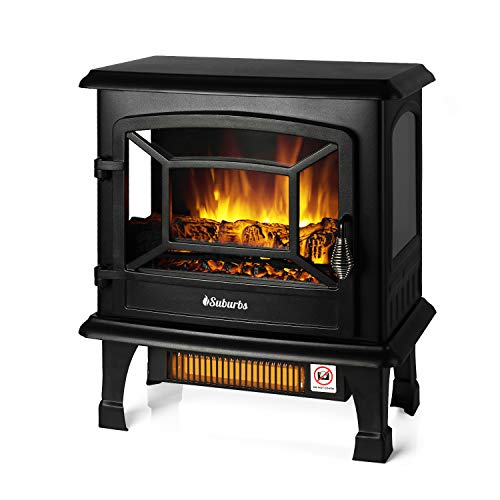
Top 12 Best Quality Electric Fireplace 2026 - Buying Guides

Best Wall Mount Electric Fireplace 2026 for Ultimate Comfort and Style

How to Start Monessen Fireplace: A Step-by-Step Guide

How to Whitewash Rock Fireplace: Simple Steps to Refresh Your Space