How to Clean Soot Off a Fireplace Without Smearing It

Vacuum away all loose soot before touching the hearth with a single drop of water. Adding liquid right away turns dry carbon into greasy black mud that sinks deep into porous masonry. The safest approach is to lift dry surface dust first, then wash masonry from the bottom up using warm water, mild dish soap, and a stiff nylon brush. For glass doors, a damp cloth dipped in fine wood ash wipes cloudy film away without scratching.
The best technique depends on the surface and the type of fire you burn. Porous brick absorbs dirty wash water fast, while smooth ceramic glass needs gentle wiping to avoid scratches. Light dust from seasonal wood fires lifts quickly, but oily buildup from gas logs or months of baked-on heat needs a thicker paste. The steps below walk through cleaning each part of the fireplace safely without spreading stains.
How should you prep your room before cleaning?
Before touching a brush, confirm the firebox (the inner chamber where the fire burns) is completely cold. Wait at least 24 to 48 hours after your last fire. Live embers hide buried beneath deep gray ash, posing a burn hazard or melting your vacuum hose.
Soot particles are lighter than common dust and float on the slightest air current. Protect the hearth (the floor area in front of the fireplace opening) and living room floor with a heavy canvas drop cloth or thick plastic sheeting. Avoid thin bedsheets, as oily soot seeps straight through woven fabric onto carpets and wood floors.
Tape the edges of your drop cloth to the base of the fireplace surround (the decorative brick or stone border framing the fireplace) using painter's tape. Remove grates, screens, and hearth tools to give yourself room to work.
Put on an N95 dust mask, eye protection, and durable rubber gloves before dusting. Soot dries skin and irritates lungs. Also, knowing how to close your fireplace damper tightly while dusting the outer masonry prevents chilly drafts from blowing soot back across your room.
Why must you vacuum before applying any water?
The most common mistake is spraying soapy water or cleaner directly onto dry soot. Soot consists of tiny carbon flakes bound with sticky wood oils. When liquid touches dry soot on porous masonry, it does not dissolve the carbon. Instead, it creates an inky black slurry.
Porous red brick and mortar act like dense sponges. If you wet loose soot, the brick instantly absorbs that dark slurry deep into its microscopic pores. Once oily soot soaks into brick, scrubbing cannot pull it back out, leaving a permanent dark stain. You must remove every trace of loose carbon before using liquid.
Start with a dry vulcanized rubber sponge, often called a soot sponge. Press the sponge firmly against the brick and wipe downward in straight, overlapping strokes without scrubbing back and forth. As the sponge fills with black dust, shave off the dirty outer layer with a utility knife to expose fresh rubber.
Follow up with a vacuum to catch dust from mortar joints. Never use a standard household vacuum with a basic paper filter or bagless canister. Microscopic soot passes straight through everyday filters, blowing out the exhaust port and ruining the motor. Use a shop vacuum fitted with a drywall filter bag and a HEPA filter, or a dedicated ash vacuum. Hold the nozzle close to the surface as you work a stiff nylon brush through deep mortar lines.
How do you clean soot off brick and stone?
Once all loose dust is gone, you can safely wash away the remaining oily film. Follow these steps to clean your masonry without spreading stains:
- Pre-wet the masonry with clean water. Lightly mist the brick with a spray bottle of warm water. Saturating the clean pores first stops the masonry from absorbing dirty wash water. Keep the surface damp, but not dripping.
- Work strictly from the bottom up. Always scrub starting at the bottom of the fireplace and work toward the top. If you start at the top, dirty water runs down over dry lower bricks, leaving permanent dark drip streaks. Starting at the bottom ensures runoff rolls over already wet, sudsy masonry that wipes away cleanly.
- Apply a mild cleaning solution. Mix two tablespoons of grease-cutting liquid dish soap into a gallon of warm water. For heavier soot, mix equal parts baking soda and dish soap into a gritty paste. Spread the paste over stained brick and let it sit for ten minutes to soften oily resins.
- Scrub with a stiff nylon brush. Dip your brush into warm soapy water and work the paste across the brick in small circular patterns. Baking soda provides gentle grit that lifts carbon without gouging mortar joints.
- Rinse with two buckets. Keep one bucket for clean rinse water and one for wringing out dirty rags. Wipe away suds with a damp microfiber cloth, changing the rinse water as soon as it turns dark gray.
- Blot the masonry dry. Press clean towels against the washed brick to lift lingering moisture, then let the hearth air-dry for 24 hours.
What is the best way to clean fireplace glass?
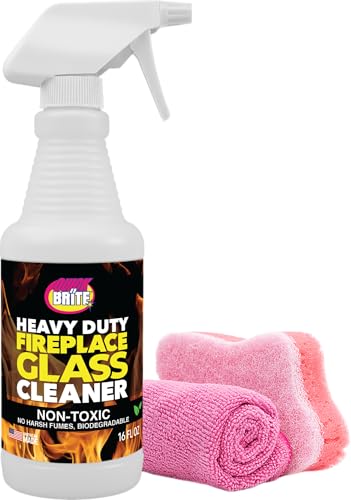
Fireplace glass doors quickly collect a cloudy crust made of carbon and creosote (sticky, flammable tar from wood smoke). You do not need harsh chemicals to clear this haze. A damp cloth dipped in fine wood ash from your firebox is one of the safest and most effective cleaners available.
Wood ash contains potassium carbonate, which forms a natural, mild alkaline cleaner when mixed with water. It chemically breaks down baked-on wood oils while providing a microscopic, non-scratch polishing action. Follow these steps to clean your glass doors:
- Verify the glass is completely cold. Never apply damp cloths or cleaners to warm fireplace glass. Rapid temperature changes cause thermal shock, which can cause tempered or ceramic glass doors to shatter.
- Gather clean, fine ash. Dip a damp paper towel or microfiber cloth into soft, gray wood ash from the firebox. Avoid coarse black charcoal bits or grit that could scratch the pane.
- Rub in circular motions. Work the ash-covered cloth over the blackened glass. The dark crust will quickly emulsify into a loose gray paste as the ash cuts through the film.
- Wipe clean. Use a fresh, damp microfiber cloth to remove the dirty ash mixture, rinsing the cloth frequently in warm water.
- Buff dry. Polish the clean glass with a dry microfiber towel or a crumpled sheet of newspaper for a clear shine.
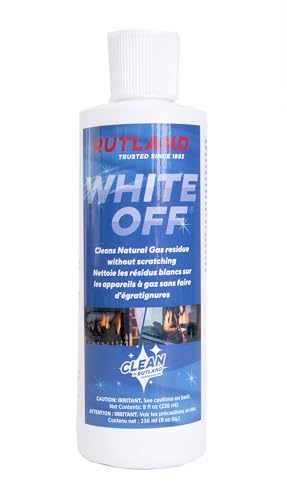
If you have a gas fireplace, skip the wood ash method. Gas logs produce a milky white mineral film rather than wood soot. That white haze requires a dedicated non-scratch cream cleaner formulated for ceramic fireplace glass.
Which cleaning tools and chemicals ruin a fireplace?
Using the wrong cleaning tools or harsh chemical strippers can permanently damage your fireplace masonry and glass. Avoid these common mistakes:
- Wire scrub brushes: Never use steel or brass wire brushes on brick or stone. Metal bristles scrape away the fired outer glaze of the brick, leaving soft clay underneath exposed to moisture. Broken wire bristles also lodge into textured brick and rust over time, leaving permanent orange streaks.
- Household bleach: Bleach fails to cut greasy carbon oils. Instead, it discolors clay bricks and colored mortar, leaving chalky white blotches that cannot be repaired. In an enclosed firebox, lingering bleach fumes can also react dangerously with residual wood acids.
- Muriatic acid: While masons use muriatic acid outdoors, it should never be used inside a home. Acid eats away the lime binder in mortar, pits smooth stone like marble or limestone, and releases toxic fumes that corrode metal dampers.
- Abrasive scouring pads on glass: Green kitchen scouring pads, steel wool, and razor blades leave fine micro-scratches on fireplace glass doors. Under high firebox temperatures, scratched ceramic glass develops stress points that can crack or shatter without warning.
When does chimney soot become a serious danger?
Soot staining on your fireplace surround is a cosmetic issue caused by poor airflow, a cold chimney, or unseasoned firewood. Buildup inside the chimney flue, however, is a serious household fire hazard that requires immediate attention.
Shine a bright flashlight past your open damper into the lower chimney flue to check the buildup along the walls:
- Light, powdery soot: A thin, velvety gray coating is normal during winter and can be monitored regularly.
- Crusty, flaky deposits: If the buildup feels crunchy or flakes off like coffee grounds, creosote is beginning to accumulate.
- Shiny, glazed tar: A thick, hard, glossy black coating is glazed creosote. This is highly concentrated fuel that ignites easily and burns fiercely.
If the layer of soot and creosote inside your flue reaches 1/8 inch thick, stop using the fireplace immediately. Creosote fires inside a chimney reach temperatures exceeding 2,000 degrees Fahrenheit, which can crack chimney liners and ignite surrounding attic framing. Call a certified chimney sweep to clear the entire flue before your next fire.
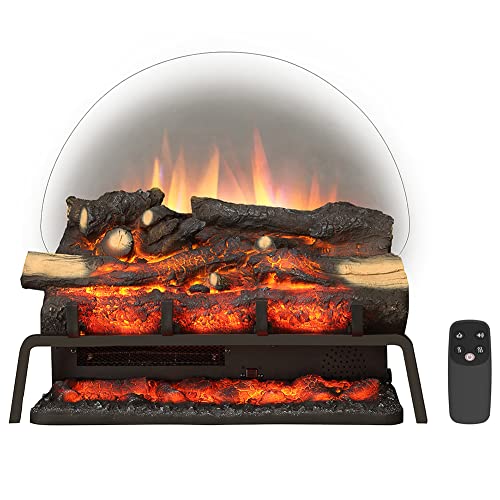
If recurring soot, drafts, and chimney maintenance become too difficult to manage with an older masonry firebox, many homeowners switch to an electric fireplace insert for large room heating to eliminate soot, smoke, and flue cleaning altogether.
What specialty cleaners help with stubborn soot stains?
When mild dish soap and baking soda fail to lift old, baked-on carbon stains, specialty fireplace cleaners provide extra strength to dissolve dense residue. These commercial formulas use targeted degreasers designed specifically to break the bond between oily wood tar and porous stone.
When selecting a specialty fireplace cleaner, look for thick, clinging gel formulas rather than watery sprays. Thin liquid sprays run down vertical brick immediately, pooling on the hearth before they can penetrate the stain. Clinging gels stay firmly in place on vertical masonry, giving active cleaning agents time to loosen deep carbon deposits.
For glass doors with baked-on creosote or milky gas log haze, choose non-abrasive cream cleaners rated safe for ceramic glass. These creams polish away tough deposits without micro-pitting the glass face. Always check the product label to confirm compatibility with your specific stone type. Natural stones such as marble, limestone, and slate require pH-neutral formulas to avoid etching delicate surfaces.

- BWP Score9.0
BWP Score is a ranking system developed by Bestwinterproducts.com. BWP score has no relationship or impact from any manufacturers or sales agent websites. Learn more
- BrandKABIN
- BWP Score9.0
BWP Score is a ranking system developed by Bestwinterproducts.com. BWP score has no relationship or impact from any manufacturers or sales agent websites. Learn more
- BrandRUTLAND PRODUCTS

- BWP Score9.0
BWP Score is a ranking system developed by Bestwinterproducts.com. BWP score has no relationship or impact from any manufacturers or sales agent websites. Learn more
- BrandCO-MATE

- BWP Score9.0
BWP Score is a ranking system developed by Bestwinterproducts.com. BWP score has no relationship or impact from any manufacturers or sales agent websites. Learn more
- BrandSealegend

- BWP Score8.0
BWP Score is a ranking system developed by Bestwinterproducts.com. BWP score has no relationship or impact from any manufacturers or sales agent websites. Learn more
- BrandQuick 'n Brite
- BWP Score8.0
BWP Score is a ranking system developed by Bestwinterproducts.com. BWP score has no relationship or impact from any manufacturers or sales agent websites. Learn more
- BrandQuick 'n Brite
Last update on 2026-10-01 / Affiliate links / Images, Product Titles, and Product Highlights from Amazon Product Advertising API
FAQs
Can you use vinegar to clean soot off fireplace brick?
Avoid using vinegar on porous brick, mortar, or natural stone. Vinegar is an acid that breaks down the lime binder inside mortar joints, causing them to weaken and crumble over time. It can also etch smooth stones like marble and limestone, leaving dull, cloudy spots that cannot be buffed out.
Why does soot keep building up on the fireplace surround?
Rapid soot buildup outside the firebox is usually caused by poor chimney draft or burning wet, unseasoned wood. Green firewood burns at low temperatures and produces heavy smoke that rolls back into the room rather than pulling cleanly up the chimney. Opening a nearby window slightly, checking for flue obstructions, and fully opening your damper helps establish a strong upward draft.
How often should you clean soot from a fireplace?
Clean your fireplace glass doors every two to three weeks during the burning season to prevent heat from baking carbon permanently into the glass surface. Deep-clean the brick or stone surround once a year in early spring after your heating season ends. Cleaning at the start of warm weather prevents soot oils and acidic smoke residues from settling into your masonry all summer.
Does baking soda really lift greasy soot stains?
Yes, baking soda works exceptionally well on soot because of its natural alkalinity and mild abrasive texture. Soot contains acidic wood oils that bond to masonry, and baking soda neutralizes those oils on contact. When mixed with dish soap into a paste, it provides enough gentle friction to lift carbon flakes out of rough brick without scratching the underlying surface.


12 Best Corner Electric Fireplace 2026: My Ultimate Guide To Pick One

Dimplex Prism Wall Mount Fireplace: Sleek Heat With Modern Flame Style
Best Electric Fireplace Insert for Large Room Heating and Style

Best 40 Inch Electric Fireplace Insert 2026 - Cozy Ambiance with Modern Power
Top 12 Best Quality Electric Fireplace 2026 - Buying Guides

Best Wall Mount Electric Fireplace 2026 for Ultimate Comfort and Style

How to Start Monessen Fireplace: A Step-by-Step Guide

How to Whitewash Rock Fireplace: Simple Steps to Refresh Your Space