How to Close a Fireplace Flue the Right Way

A fireplace flue might seem like a small detail, but it has a massive impact on your home’s comfort and energy use. Many homeowners forget to close the fireplace flue after a cozy night by the fire, leading to unwanted heat loss, chilly drafts, and even pest problems. This small oversight can spike your energy bills and make your living room feel like an icebox overnight. Learning how to close a fireplace flue isn’t rocket science , it’s a quick, practical step that helps keep your home warm and safe year-round. You’ll first need to identify whether your fireplace has a handle, lever, or chain mechanism. Each type works slightly differently but serves the same purpose: sealing off the chimney opening when the fire’s completely out. Closing it too soon can trap smoke, but leaving it open wastes energy. The trick lies in timing and inspection , waiting until all embers are cold, then sealing the damper tightly. By getting into the habit of properly closing the flue, you’ll enjoy better indoor air quality, lower heating costs, and no more mystery drafts. Plus, this small act protects your chimney from rain, debris, or small animals sneaking in. Whether you’ve got a traditional wood-burning hearth or a modern gas setup, understanding this one step can make a noticeable difference in your home’s comfort and safety. With the right approach, closing your fireplace flue becomes second nature , a small action with big benefits for your living space.
Nothing kills that warm, post-fire glow faster than realizing your room feels colder than outside. The culprit? An open fireplace flue. Many homeowners light a fire, relax, and forget to close it afterward , unknowingly letting warm air escape and cold drafts sneak in. Learning how to close a fireplace flue is one of those little-known homeowner skills that pays off every single winter. The process is simple but important. Once the flames are out and the ashes have cooled, you can safely seal the damper to stop energy loss and unwanted airflow. A properly closed flue also keeps odors, soot particles, and even tiny critters from making their way into your living space. Think of the flue as your home’s breathing valve , it needs to open for fresh air during a fire and close tightly afterward. By knowing exactly when and how to close your fireplace flue, you’re not just improving comfort, you’re saving money, boosting safety, and keeping your home cozier through every cold night.

- BWP Score5.2
BWP Score is a ranking system developed by Bestwinterproducts.com. BWP score has no relationship or impact from any manufacturers or sales agent websites. Learn more
- BrandSafBbcue

- BWP Score-
BWP Score is a ranking system developed by Bestwinterproducts.com. BWP score has no relationship or impact from any manufacturers or sales agent websites. Learn more
- BrandKDDEON

- BWP Score-
BWP Score is a ranking system developed by Bestwinterproducts.com. BWP score has no relationship or impact from any manufacturers or sales agent websites. Learn more
- BrandChimney Cricket

- BWP Score-
BWP Score is a ranking system developed by Bestwinterproducts.com. BWP score has no relationship or impact from any manufacturers or sales agent websites. Learn more
- BrandKDDEON

- BWP Score-
BWP Score is a ranking system developed by Bestwinterproducts.com. BWP score has no relationship or impact from any manufacturers or sales agent websites. Learn more
- BrandKDDEON
Last update on 2023-09-20 / Affiliate links / Images, Product Titles, and Product Highlights from Amazon Product Advertising API
Closing a fireplace flue properly after use is often overlooked by many homeowners, but it’s one of the simplest ways to maintain comfort, save energy, and protect your home. The flue, essentially the chimney's opening, plays a critical role in regulating airflow in and out of the fireplace. Leaving the flue open when the fire is out leads to energy waste, drafts, and even higher heating costs. Not closing it after a fire means you are essentially throwing away the warm air you’ve paid to heat.
It’s not just about comfort; it’s about protecting your home. An open flue invites cold air in, chills your living space, and reduces the efficiency of your heating system. That means your furnace or heating unit has to work harder to keep your home warm. According to a study, an open flue can cost you up to 20% of your energy bill during the colder months. With simple actions like closing the flue properly, you can avoid this waste and keep your house warmer.
Furthermore, keeping the flue open when it's not needed exposes your home to potential safety risks. Debris, rain, or animals can enter the chimney, causing a buildup of soot or potentially leading to a chimney fire. By making sure you know how to close a fireplace flue, you're also ensuring that your fireplace and chimney remain clean and free from hazards.
Before you seal the flue, it’s important to know how to check if it’s already closed or if any issues need to be addressed. Many modern fireplaces come equipped with a damper handle or lever that allows you to check the status of the flue at a glance. However, not all systems are this straightforward. Some traditional fireplaces might have a chain mechanism, which can be a little trickier to operate.
The most basic way to check is by feeling for air coming through the flue. Simply hold your hand near the opening or use a piece of tissue paper to test for air movement. If the tissue blows, you likely have an open flue. A properly closed fireplace flue should be airtight, with no drafts entering from the chimney.
If you have a gas fireplace, the process of closing the flue is a bit different. Often, these systems come with a manual switch that you can easily turn to adjust airflow. Many gas fireplaces also feature automatic dampers that close once the fire goes out, reducing the need for manual adjustments. However, double-checking never hurts.
Even the most diligent homeowners sometimes face challenges when closing their fireplace flue. One common problem is the damper sticking. Over time, a buildup of soot or rust can make the damper difficult to move, preventing the flue from fully closing. If you encounter this issue, it’s important to address it immediately to prevent long-term damage.
Another potential issue is forgetting to close the flue after the fire goes out. This can happen when you're in a hurry or distracted. To make sure this doesn’t happen, develop a routine. Always inspect the flue after every fire, and make sure the damper is securely closed.
Some older chimneys have broken dampers or may not close properly due to wear and tear. In these cases, it's best to call a professional to assess and fix the system. Regular maintenance ensures that the flue works properly, keeping your home safe, warm, and energy-efficient.
Now that you know why closing the fireplace flue is crucial and how to check if it’s closed, it’s time to focus on how to safely close it. The first thing you should do is allow the fire to completely burn out and the embers to cool. Closing the flue while embers are still glowing can trap smoke inside, making it harder to clear out and potentially causing a smoky odor in your living space.
If you have a traditional wood-burning fireplace, you’ll need to manually close the damper once the fire is out. Most dampers can be operated with a lever or a handle, but you may have a chain-based system in older models. Be gentle when closing the damper to avoid bending or damaging the components.
For gas fireplaces, the process is much easier. You can close the flue using the automatic damper or manually shut the valve once the fire is extinguished. Make sure to check that the damper closes fully to prevent drafts or any safety hazards. Many newer models feature safety sensors that automatically close the flue when the fire is off, which makes this step even simpler for homeowners.
Knowing when to close your fireplace flue is just as important as how to do it. The best time to close it is when the fire is completely out, including all embers. Allowing a small window of time for the fire to die down ensures that any remaining heat or smoke will escape before you seal the chimney. If you close it too soon, you risk trapping smoke or causing the fire to reignite due to trapped heat.
If you’re unsure about the best timing, give the fireplace at least 30 minutes to cool before closing the flue. This ensures the fireplace flue is free of smoke or heat and is completely safe to seal. If you notice that your chimney is smoking even after a fire is out, it may indicate a clog or blockage, which requires professional cleaning.
Maintaining your fireplace flue goes beyond just closing it after use. Regular maintenance is essential to ensure your fireplace and chimney operate safely and efficiently. This includes routine cleaning of the chimney and checking the flue for damage. A clean chimney prevents the buildup of dangerous creosote, which can cause a fire hazard if left unchecked.
You should have your fireplace and chimney inspected and cleaned at least once a year. During this inspection, a professional chimney sweep will look for issues like cracks, rust, or damage to the damper and fix them before they become serious problems. Regular maintenance not only prolongs the life of your fireplace but also ensures it runs at optimal efficiency, saving you energy and keeping your home warm during the winter months.The benefits of closing a fireplace flue properly extend beyond just energy savings. One of the key advantages is improving the comfort of your home. When you seal the flue after the fire is out, you prevent the warm air from escaping through the chimney, which keeps your living space warm and cozy. If left open, the flue acts as a funnel for heat to escape, making it harder to maintain the temperature inside your home.
Another crucial benefit is energy efficiency. By closing the flue, you help your heating system work less to keep your home warm, leading to reduced energy consumption. Over time, this can significantly lower your heating bills, especially during the cold months when you rely on your fireplace or heating system the most.
In addition to comfort and energy savings, closing the flue protects your home from weather-related damage. An open flue can let in rainwater, debris, or even small animals, which can cause damage to the chimney, increase the risk of a chimney fire, or lead to unpleasant odors. Sealing the flue ensures your fireplace remains protected and your home stays safe.
When considering how to properly close your fireplace flue, one of the most important factors is choosing the right damper system. There are a variety of damper types available, each with its own advantages and disadvantages. A top-sealing damper, for example, is highly effective at creating a tight seal at the top of the chimney, preventing both air loss and the entry of rain and debris. These dampers are usually easy to operate and can be controlled with a cord or remote control.
Another popular option is the traditional throat damper, which is installed inside the fireplace just above the firebox. While this type of damper is less expensive, it is not as effective at sealing off the chimney. It can sometimes allow air drafts and heat loss to occur, which may impact your home's energy efficiency. However, with proper maintenance and frequent checks, a traditional throat damper can still be effective in ensuring the fireplace flue is properly sealed after use.
If you want the most energy-efficient solution, you might consider a smart damper system. These systems are automatic, meaning they will close the flue once the fire goes out or once a certain temperature is reached. Many modern smart dampers are also programmable, which means you can set specific times for the flue to open or close, providing the ultimate in convenience and energy efficiency.
It’s one thing to close your fireplace flue properly; it’s another to make sure it remains in good condition over time. Regular inspections are key to preventing common issues such as rust, damage, and blockages. A clogged flue is one of the most dangerous problems a homeowner can face, as it can lead to dangerous buildups of carbon monoxide or the risk of a chimney fire.
To prevent these issues, always clean your chimney regularly. This means having a professional chimney sweep come by annually to clear out creosote buildup, which is a common cause of chimney fires. When the chimney is clean, the flue can operate effectively, reducing the likelihood of fire hazards and carbon monoxide leaks.
Another important step in maintaining the flue is to seal any cracks or gaps in the damper or chimney. Even small openings can lead to cold drafts or heat loss, and over time, these small problems can grow into costly repairs. If you notice that your damper or chimney has developed cracks, it’s important to get it sealed or repaired as soon as possible to maintain your home’s comfort and safety.
Even if you know the right way to close a fireplace flue, some common mistakes can still undermine the process. One of the biggest errors is closing the flue too soon. If you seal the flue while the fire or embers are still burning, you risk trapping smoke and creating a stuffy room. Always wait until the fire has completely burned out before closing the flue.
Another mistake is not inspecting the damper regularly for damage or wear and tear. Over time, the damper mechanism can become stuck, rusted, or blocked by soot. If the damper doesn’t close properly, it can result in cold drafts, energy waste, and potential safety issues. Performing regular inspections and cleaning the flue ensures the damper is always working efficiently.
One more mistake homeowners often make is not sealing the chimney properly. If the damper is closed but the chimney is still exposed to wind or water, cold air or moisture can enter the house, leading to damp conditions and possible wood rot around the fireplace. Always check for any openings or cracks in the chimney and ensure the system is properly sealed.
To get the most out of your fireplace flue, you need to think long-term. While it’s important to close the flue after each fire, you should also be mindful of its overall efficiency. Ensuring the flue is well-maintained, clean, and free of damage will help prevent long-term problems and keep your fireplace running smoothly. When you treat the flue as an integral part of your home’s heating system, you’ll notice lower energy bills, better air quality, and a warmer, cozier living space.

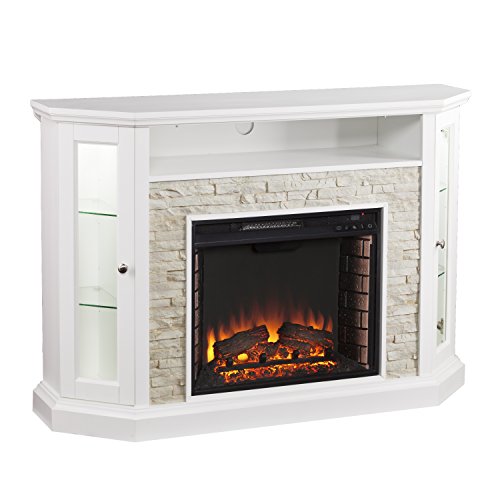
12 Best Corner Electric Fireplace 2026: My Ultimate Guide To Pick One
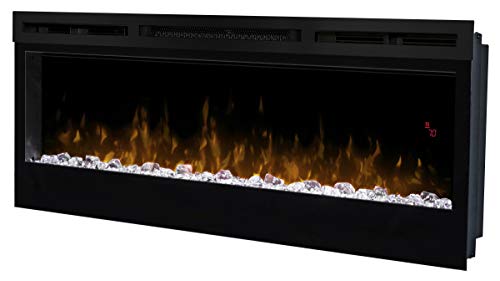
Dimplex Prism Wall Mount Fireplace: Sleek Heat With Modern Flame Style
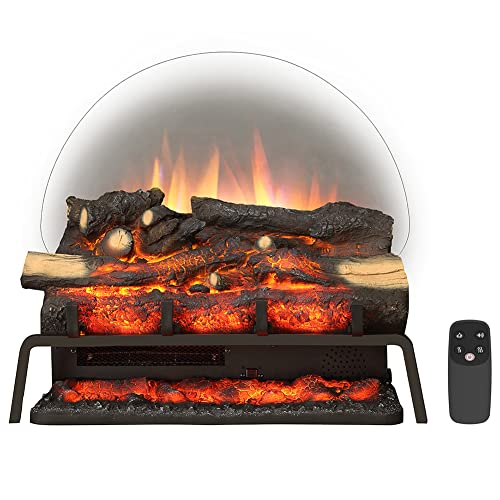
Best Electric Fireplace Insert for Large Room Heating and Style

Best 40 Inch Electric Fireplace Insert 2026 - Cozy Ambiance with Modern Power
Top 12 Best Quality Electric Fireplace 2026 - Buying Guides

Best Wall Mount Electric Fireplace 2026 for Ultimate Comfort and Style

How to Start Monessen Fireplace: A Step-by-Step Guide

How to Whitewash Rock Fireplace: Simple Steps to Refresh Your Space