How to Fix Fireplace Cracks Without Replacing the Entire Structure

Many homeowners panic when they notice cracks creeping along their fireplace walls, thinking it’s the beginning of an expensive nightmare. The truth? How to fix fireplace cracks doesn’t have to drain your wallet or your patience. In fact, most cracks can be handled with simple tools, the right materials, and a bit of knowledge about what caused them in the first place. Cracks often appear due to thermal stress, moisture exposure, or foundation shifts, all normal occurrences in homes that experience fluctuating temperatures or humidity. The key is to identify the type of crack, whether it’s in the firebox, mortar joints, or chimney crown, because each requires a slightly different approach. Once you spot them early, you can prevent smoke leaks, poor draft performance, or even dangerous carbon monoxide buildup. Fixing these issues doesn’t just protect your fireplace; it enhances home safety, maintains heating efficiency, and preserves the aesthetic value of your living space. Whether you’re tackling hairline mortar lines or deeper structural splits, this guide walks you through safe, realistic repair methods using heat-resistant mortar, crack filler, or patch compounds. The focus isn’t just on patching , it’s about restoring long-term durability so your fireplace stays solid, beautiful, and worry-free. So, if you’ve ever stared at a crack and wondered if it spells trouble, rest assured , with the right approach, repairing fireplace cracks is completely manageable. This article breaks down every step in clear, easy-to-follow detail so you can confidently bring your hearth back to life.
A crack in your fireplace isn’t just an eyesore , it’s a sign your cozy retreat may need a little care before it turns into a bigger problem. Whether it’s a faint line in the mortar or a deep split running through the brick, each tells a story of heat expansion, settling foundations, or years of use. Homeowners often overlook these tiny fissures until they notice smoke escaping, draft issues, or worse , loose bricks that hint at deeper structural wear. This is where learning how to fix fireplace cracks becomes not just a cosmetic decision, but a safety necessity. You don’t have to be a mason to handle the job , just an attentive homeowner who values both safety and style. Using high-temperature sealants, fireplace mortar, and the right repair steps, you can prevent heat loss, strengthen your fireplace structure, and keep your home warm without worry. In this guide, you’ll find practical, hands-on advice designed for real homes, not textbook examples. The focus is on simple, actionable methods that solve the root cause , not just cover it up. So grab your gloves, a trowel, and a little confidence. By the time you’re done, you’ll know exactly what to do, why it works, and how to keep those cracks from coming back.
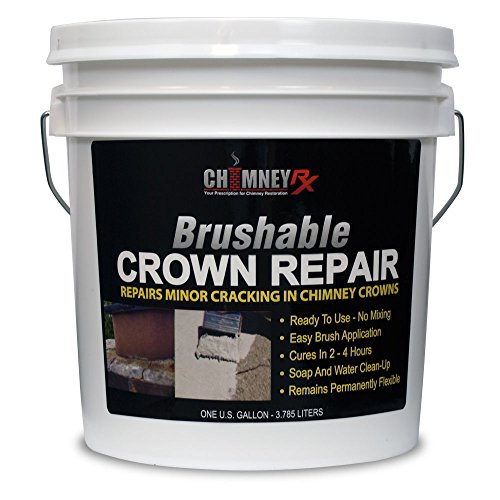
- BWP Score9.6
BWP Score is a ranking system developed by Bestwinterproducts.com. BWP score has no relationship or impact from any manufacturers or sales agent websites. Learn more
- BrandCHIMNEYRX

- BWP Score9.0
BWP Score is a ranking system developed by Bestwinterproducts.com. BWP score has no relationship or impact from any manufacturers or sales agent websites. Learn more
- BrandRutland Products

- BWP Score9.0
BWP Score is a ranking system developed by Bestwinterproducts.com. BWP score has no relationship or impact from any manufacturers or sales agent websites. Learn more
- BrandMEECO'S RED DEVIL
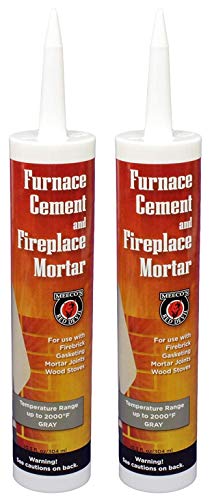
- BWP Score8.8
BWP Score is a ranking system developed by Bestwinterproducts.com. BWP score has no relationship or impact from any manufacturers or sales agent websites. Learn more
- BrandMEECO'S RED DEVIL

- BWP Score8.8
BWP Score is a ranking system developed by Bestwinterproducts.com. BWP score has no relationship or impact from any manufacturers or sales agent websites. Learn more
- BrandRutland Products
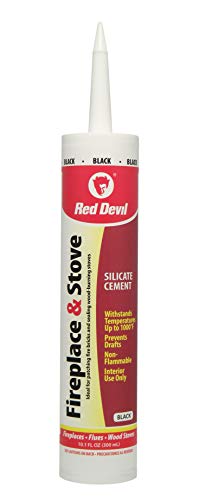
- BWP Score8.6
BWP Score is a ranking system developed by Bestwinterproducts.com. BWP score has no relationship or impact from any manufacturers or sales agent websites. Learn more
- BrandRed Devil

- BWP Score8.6
BWP Score is a ranking system developed by Bestwinterproducts.com. BWP score has no relationship or impact from any manufacturers or sales agent websites. Learn more
- BrandMEECO'S RED DEVIL

- BWP Score8.0
BWP Score is a ranking system developed by Bestwinterproducts.com. BWP score has no relationship or impact from any manufacturers or sales agent websites. Learn more
- BrandCHIMNEYRX
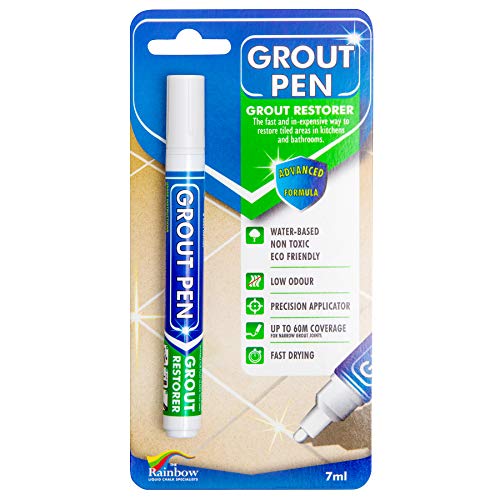
- BWP Score8.0
BWP Score is a ranking system developed by Bestwinterproducts.com. BWP score has no relationship or impact from any manufacturers or sales agent websites. Learn more
- BrandRainbow Chalk Markers Limited
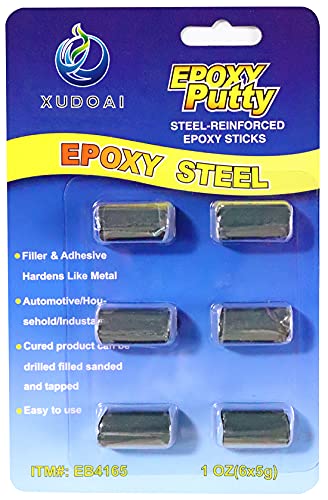
- BWP Score7.8
BWP Score is a ranking system developed by Bestwinterproducts.com. BWP score has no relationship or impact from any manufacturers or sales agent websites. Learn more
- BrandXUDOAI
Last update on 2023-09-13 / Affiliate links / Images, Product Titles, and Product Highlights from Amazon Product Advertising API
Cracks in a fireplace aren’t random blemishes , they’re signs of stress, wear, or environmental change. Homeowners often notice them after a long winter, when constant heating and cooling cause materials to expand and contract. This process, called thermal cycling, is one of the biggest culprits behind firebox and mortar joint cracks. Even small hairline fractures can become structural weaknesses if ignored for too long.
Another frequent cause is foundation movement. When a home settles unevenly, it transfers pressure into rigid fireplace masonry. That’s why you’ll often see cracks forming near the corners or around the firebox opening. These aren’t just cosmetic flaws , they can indicate underlying alignment problems that affect both the chimney and the walls. Moisture intrusion is another silent enemy. Once water seeps into these cracks, freezing and thawing cycles can widen the gaps, leading to spalling or crumbling mortar.
The key to addressing these issues is early detection. A quick visual inspection every few months helps catch small problems before they escalate. If you see discoloration, soot stains, or gaps larger than 1/8 inch, take action right away. These are clues that the crack is more than surface-level. And here’s the truth: most fireplace cracks can be repaired affordably if handled early , it’s neglect that leads to expensive restoration.
Before grabbing a trowel, though, make sure you identify the crack type: hairline, expansion, settling, or structural. Each one needs a specific repair method, and using the wrong fix could make things worse. For example, sealing a structural crack with standard mortar might only hide the damage temporarily, while deeper shifting continues behind the scenes.
Not all cracks are created equal. Knowing which ones to address first can save your home from costly repairs. The most harmless are hairline cracks, typically less than 1/16 inch wide. They’re caused by minor thermal stress and rarely pose a danger. Still, they can let in moisture, so a small application of refractory mortar or heat-resistant sealant is recommended.
Then come mortar joint cracks, which usually run along the seams between bricks. These indicate aging mortar that’s drying out and losing elasticity. If left alone, they can weaken the entire structure over time. The fix? Rake out the old joints about half an inch deep and reapply fresh refractory mortar to restore strength and insulation.
Deeper firebox cracks are more serious. They often form on the back wall where heat is most intense. Over time, the constant temperature difference between the inner and outer surfaces creates tension, causing the bricks to separate. This isn’t just a cosmetic issue , it can allow heat to reach combustible framing behind the masonry. Safety first: if you spot large vertical or stair-step cracks in the firebox, shut down the fireplace until repairs are made.
Finally, chimney crown and flue cracks are the most dangerous because they let in water and cold air, compromising both performance and safety. Once water enters, it can rust the damper, corrode the liner, and cause leaks inside the house. These cracks require chimney-safe sealant or professional resurfacing to restore integrity. Ignoring them can quickly escalate into thousands of dollars in water damage repairs.
Repairing fireplace cracks isn’t a mysterious trade secret. With the right tools and patience, homeowners can handle most jobs themselves. The essential toolkit includes a wire brush, vacuum, chisel, heat-resistant mortar, refractory caulk, and safety gear such as gloves and a dust mask. A caulking gun and trowel are equally crucial for even application.
Before starting, always ensure the fireplace is completely cool and free from ash or soot. Cleaning is critical , dust and debris can weaken mortar adhesion. Use the wire brush to remove loose particles, then vacuum the area thoroughly. If cracks are deep, use a chisel to slightly widen them into a “V” shape, which helps the filler adhere better.
When selecting materials, always choose high-temperature products. Regular cement or plaster can’t withstand the heat inside a firebox and will crack again within weeks. Look for compounds labeled “refractory” or “fireplace-grade”, capable of handling up to 2,000°F. For hairline cracks, fireplace mortar caulk works well. For deeper ones, premixed refractory cement applied with a trowel is more reliable.
Once applied, smooth out the surface and let it cure as per instructions , usually 24 to 48 hours. Avoid lighting a fire until it’s fully dry. Rushing this step can trap moisture and cause fresh cracks. It’s the patience here that separates a lasting fix from a quick patch.
Step 1: Clean the area thoroughly. Remove any soot, ash, and dust using a stiff brush and vacuum. A clean surface ensures the new material bonds well.
Step 2: Prepare the crack. For shallow cracks, no major prep is needed. For deeper ones, widen them slightly using a chisel. This allows the mortar to grip properly.
Step 3: Apply the repair material. Load your caulk gun or trowel with refractory mortar. Press it firmly into the crack and smooth it out to match the surrounding surface. Don’t overfill , too much can cause bulging or uneven drying.
Step 4: Cure and dry. Let the repair rest for at least 24 hours. Keep the area ventilated but avoid direct heat. This ensures a proper bond without air bubbles.
Step 5: Inspect before use. Once cured, check for air pockets or soft spots. Tap gently with a tool , a hollow sound means reapply mortar in that spot. After confirming everything is solid, you can safely use your fireplace again.
A good rule of thumb: if you’re fixing cracks larger than 1/4 inch or structural separations, consult a certified chimney professional. While DIY can handle small repairs, major ones need structural inspection to ensure safety.
Prevention is the secret weapon to keeping your fireplace in prime shape for decades. Start by controlling temperature extremes. Avoid sudden shifts from high heat to cold air , this rapid change causes thermal expansion and contraction, stressing masonry. Always warm the fireplace gradually and let it cool naturally.
Next, manage moisture exposure. Install a proper chimney cap and crown sealant to prevent water from seeping in. Even small leaks can lead to massive damage during freeze-thaw cycles. In humid climates, consider a dehumidifier to maintain stable indoor conditions that protect your masonry.
Annual chimney inspections and sweeps are another must. They help detect early cracks, loose mortar, or flue blockages before they worsen. Professionals use cameras and smoke tests to identify hidden problems you can’t see. Small annual maintenance steps can save thousands in future repairs.
Finally, always burn seasoned hardwood instead of softwoods like pine. Dry wood burns hotter and cleaner, reducing creosote buildup , a common cause of heat imbalance and cracking. Combine these habits, and your fireplace will not only last longer but perform safely and efficiently.
Structural cracks demand special care because they often indicate deeper movement within the chimney or firebox structure. These aren’t the kind you simply patch and forget. When cracks run diagonally, extend through multiple bricks, or show daylight from outside, it’s time for reinforcement and professional-grade repair.
Start by assessing the depth and direction of the crack. Horizontal cracks usually point to thermal pressure from uneven heating, while vertical or stair-step cracks often trace foundation settling. If the crack is larger than 1/4 inch wide, you’ll likely need to inject high-strength epoxy or structural adhesive. This process bonds the fractured masonry and restores load-bearing capacity.
For extensive damage, it’s best to involve a chimney mason. They use specialized tools like carbon-fiber straps or stainless-steel reinforcements to stabilize the wall. This type of fix isn’t cosmetic , it’s about restoring safety and longevity. Never ignore these issues; a weak chimney can collapse internally, releasing dangerous gases or sparks into your home.
After the repair, allow the structure to cure for at least 48 hours. During this time, avoid lighting any fire or applying external pressure. Once set, inspect the surface for uniform bonding and color consistency. If everything looks solid, your fireplace is ready to serve safely for years ahead.
Once your cracks are sealed, it’s time to bring back the visual charm. Many homeowners underestimate how finishing touches transform a repaired fireplace from functional to beautiful. Choose a high-heat paint or refractory coating that withstands at least 1200°F. Regular paint can blister or release toxic fumes when exposed to heat.
Begin by sanding any rough patches after the mortar has dried completely. Use fine-grit sandpaper to smooth the texture without disturbing the seal. Then, apply a primer designed for masonry to ensure even adhesion. Once the primer cures, add two coats of heat-resistant paint in your preferred color. Matte black, brick red, and ash gray are timeless choices that complement most interiors.
If you want to keep the natural brick look, apply a clear matte sealant instead of paint. It not only highlights the raw beauty of the brick but also acts as a moisture barrier, protecting your new repair work. The key is patience , let every coat dry fully before applying the next. This ensures durability, clean aesthetics, and long-term protection.
To finish off, clean the hearth area thoroughly. Use a soft brush or microfiber cloth to remove any remaining dust. Step back and admire your work , what was once a cracked, tired structure is now a renewed, elegant centerpiece.
Not every fireplace issue is a weekend DIY project. Sometimes, hidden damage goes far beyond what’s visible. If you notice persistent smoke leakage, strange odors, or white powder (efflorescence) forming on the surface, it’s a clear sign of moisture penetration or flue deterioration.
Another red flag is uneven brick alignment or crumbling mortar joints. These point to structural shifts or internal stress, often linked to foundation settlement. Ignoring such signs can lead to costly structural rebuilds or fire hazards. Also, if your fireplace emits excessive heat through the outer walls, it may mean cracks are reaching into areas near combustible framing , an urgent safety concern.
Professionals can use thermal imaging and video inspection cameras to locate internal cracks invisible to the naked eye. These tools help determine if the damage affects the firebox, flue liner, or chimney structure. They’ll then recommend tailored repairs , from tuckpointing to full relining , to restore integrity.
Never risk your family’s safety for the sake of saving a few dollars. A quick consultation can prevent thousands in damages and guarantee code compliance, efficiency, and peace of mind.
Maintenance is the secret to ensuring your hard work lasts. Once you’ve repaired your fireplace cracks, regular care prevents future damage. Start by performing seasonal inspections , once before winter and once after. Look for new lines, moisture stains, or loose mortar. Catching these early makes repairs easier and cheaper.
Keep the area dry. Use a chimney cap to block rain and snow, and ensure your damper closes tightly when not in use. Excess humidity can soften mortar or encourage mold inside the flue. Consider installing a dehumidifier in the room if your fireplace sits on a lower level like a basement.
Every six months, clean the firebox thoroughly using a vacuum or brush. Remove soot buildup to maintain airflow efficiency and heat output. Avoid harsh chemicals , warm water and mild detergent usually do the trick. Finally, schedule annual chimney inspections and sweeps. Even a well-repaired fireplace can develop hidden flaws over time.
By following these habits, you’re not just maintaining your fireplace , you’re protecting an investment that adds warmth, character, and value to your home. A well-cared-for hearth can easily last decades without major repairs.
Fixing your fireplace isn’t only about aesthetics , it’s about comfort, safety, and confidence. A crack-free surface ensures better heat retention, cleaner burns, and no dangerous gas leaks. It also enhances your home’s resale value by presenting a clean, well-maintained centerpiece.
There’s also an emotional benefit. A working fireplace has a way of pulling people together , a place for stories, warmth, and connection. When it’s repaired and glowing safely, it restores that nostalgic comfort every homeowner seeks.
More importantly, by taking the time to learn how to fix fireplace cracks, you’ve turned a potential hazard into a success story. You’ve proven that with a little effort, you can protect your home and create a cozy haven for family and guests alike.


12 Best Corner Electric Fireplace 2026: My Ultimate Guide To Pick One

Dimplex Prism Wall Mount Fireplace: Sleek Heat With Modern Flame Style
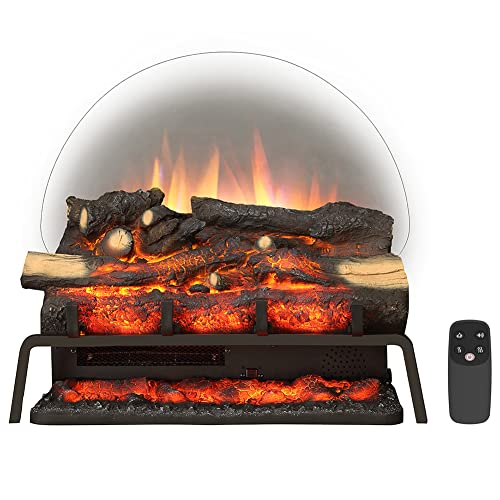
Best Electric Fireplace Insert for Large Room Heating and Style

Best 40 Inch Electric Fireplace Insert 2026 - Cozy Ambiance with Modern Power
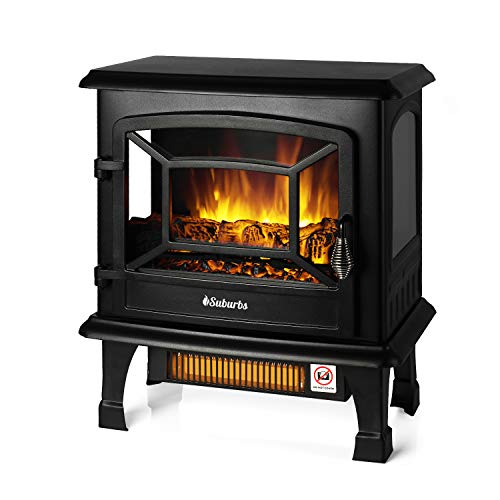
Top 12 Best Quality Electric Fireplace 2026 - Buying Guides

Best Wall Mount Electric Fireplace 2026 for Ultimate Comfort and Style

How to Start Monessen Fireplace: A Step-by-Step Guide

How to Whitewash Rock Fireplace: Simple Steps to Refresh Your Space