How to Get Rid of Fireplace Ashes Safely and Easily

If you’ve got a fireplace, you know the aftermath , piles of fireplace ashes that somehow end up everywhere. Cleaning them might seem like a dusty chore, but doing it the right way keeps your home cleaner, your air safer, and your fireplace in top shape. Many homeowners sweep or vacuum too soon, unknowingly spreading fine ash particles throughout their living space. What most people miss is that ash cleanup is more than a task, it’s part of fireplace maintenance that ensures efficiency, safety, and long-term use. The first step is letting the ashes cool completely, which can take 12–24 hours. Hot embers can stay alive longer than you’d expect, posing fire risks even when they appear gray. Once cooled, using a metal ash shovel and bucket instead of a plastic one prevents accidental melting or heat transfer. And if you think a regular vacuum can do the trick, think again. Only ash vacuums are designed to handle microscopic particles without clogging or blowing them back into the air. Disposing of fireplace ashes doesn’t always mean tossing them in the trash. Did you know you can reuse cooled ash in your garden as a natural fertilizer, or even as a gentle cleaning scrub for glass doors? The key is to know what kind of wood you’ve burned, hardwood ashes are rich in minerals, while softwoods may be too acidic. Understanding that balance turns cleanup into something useful and eco-friendly. Ultimately, getting rid of fireplace ashes isn’t just about cleaning up, it’s about protecting your home’s air quality, preventing fire hazards, and turning waste into something beneficial. With a few careful habits and the right tools, you can make your hearth look spotless and your evenings safer and warmer.
For anyone who loves the glow and crackle of a wood fire, dealing with fireplace ashes is the part nobody looks forward to. The dust, the mess, and the sneaky embers can turn your relaxing ritual into a gray nightmare. Yet, cleaning those ashes properly isn’t just about tidiness, it’s about safety, health, and efficiency. A fireplace filled with leftover ash won’t just look grimy; it will also burn less efficiently and could even send airborne particles floating into the room. So how do you handle it without feeling like you’re cleaning a construction site? The trick is knowing when and how to do it. Timing is everything, ashes should be cold to the touch, and tools should be chosen with care. A metal container, a proper ash vacuum, and gloves can make all the difference between a safe cleanup and a risky one. And once you’ve gathered it all, don’t rush to throw it away. Those ashes might be more useful than you think. Whether you’re aiming for a spotless hearth or exploring eco-friendly ways to reuse your fireplace ashes, this guide helps you turn what used to be a messy task into a simple, smart part of your home routine. It’s about turning dust into purpose, keeping your air clear, and your fires burning bright.

- BWP Score9.4
BWP Score is a ranking system developed by Bestwinterproducts.com. BWP score has no relationship or impact from any manufacturers or sales agent websites. Learn more
- BrandJCLMER

- BWP Score9.0
BWP Score is a ranking system developed by Bestwinterproducts.com. BWP score has no relationship or impact from any manufacturers or sales agent websites. Learn more
- BrandFlehomo
- BWP Score9.0
BWP Score is a ranking system developed by Bestwinterproducts.com. BWP score has no relationship or impact from any manufacturers or sales agent websites. Learn more
- BrandPine Mountain
- BWP Score9.0
BWP Score is a ranking system developed by Bestwinterproducts.com. BWP score has no relationship or impact from any manufacturers or sales agent websites. Learn more
- BrandSmedley & York

- BWP Score9.0
BWP Score is a ranking system developed by Bestwinterproducts.com. BWP score has no relationship or impact from any manufacturers or sales agent websites. Learn more
- BrandBRIAN & DANY

- BWP Score8.8
BWP Score is a ranking system developed by Bestwinterproducts.com. BWP score has no relationship or impact from any manufacturers or sales agent websites. Learn more
- BrandMidwest Hearth

- BWP Score8.8
BWP Score is a ranking system developed by Bestwinterproducts.com. BWP score has no relationship or impact from any manufacturers or sales agent websites. Learn more
- BrandHoliday Times

- BWP Score8.2
BWP Score is a ranking system developed by Bestwinterproducts.com. BWP score has no relationship or impact from any manufacturers or sales agent websites. Learn more
- BrandFlehomo
Last update on 2023-08-03 / Affiliate links / Images, Product Titles, and Product Highlights from Amazon Product Advertising API
Most homeowners focus on the warmth and beauty of a fire but rarely think about what happens after the flames die. Fireplace ashes may look harmless, yet they hold a mix of fine dust, heat-retaining embers, and potential fire hazards. Ignoring them doesn’t just make your hearth look messy, it can actually shorten the life of your fireplace and pollute your indoor air. The Environmental Protection Agency (EPA) notes that ash particles can easily become airborne and affect air quality, especially for homes with children or respiratory concerns.
Cleaning your fireplace the wrong way, using plastic tools or household vacuums, can lead to melting, air contamination, or even minor fires. That’s why proper ash disposal isn’t just a chore; it’s a safety routine that every responsible homeowner should learn. By understanding how to manage cooled ashes correctly, you’ll avoid unexpected hazards while keeping your home’s air fresh and your hearth running efficiently.
Beyond safety, there’s also an environmental bonus. The ashes you collect can often be repurposed into soil enhancers or cleaning agents, reducing waste and adding value to your cleanup efforts. What was once a nuisance can become an eco-friendly habit. And yes, it all starts with one essential skill, learning how to get rid of fireplace ashes safely and effectively.
It’s not about perfection, it’s about precision and patience. A well-cleaned fireplace not only burns better but also makes your next fire experience cleaner, brighter, and far more enjoyable.
Here’s a fact many homeowners overlook: fireplace ashes can stay hot for up to 24–48 hours after the fire seems out. That means even if they appear gray and cold, there could still be hidden embers capable of reigniting. Never start cleaning immediately after your fire ends. Give your fireplace at least a full day to cool down completely before attempting removal.
To check if it’s safe, use a metal poker to gently stir the ashes. If you feel warmth or see glowing red pieces, wait longer. This small patience step prevents burns and accidental flare-ups, one of the most common fireplace-related home accidents. Also, avoid adding water directly to the ash pile, it can create a paste that’s messy and harder to dispose of later.
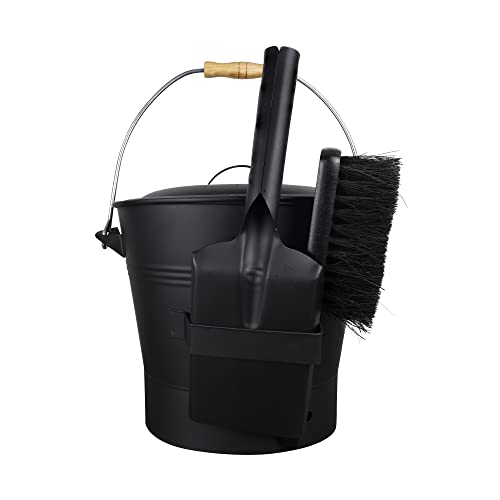
Once the ashes are fully cooled, scoop them gently using a metal shovel and bucket, not plastic. Plastic melts easily, even from mild heat retention. A metal bucket with a tight-fitting lid also helps contain dust and stray embers, keeping your surroundings spotless.
Experts often recommend storing ashes outdoors in a dry, covered place for at least a few days before final disposal. This ensures all hidden embers die out. Remember, fire safety begins after the fire goes out, and cooled ashes are your proof of control, not just cleanup.
If you’ve ever tried cleaning a fireplace with a household vacuum, you probably learned the hard way, it’s not meant for ashes. Fine ash particles can slip through ordinary filters and scatter all over your living room, coating surfaces and filling the air with dust. Worse, even a small ember could ignite the filter bag, creating a fire hazard.
Instead, invest in an ash vacuum. These specialized vacuums are designed with heat-resistant metal bodies, fine particle filters, and static-resistant hoses to safely handle cooled ashes. Some models even include dual filtration systems to trap microscopic particles and keep your air cleaner. Using one of these prevents you from reintroducing what you just cleaned into your home.
If you prefer manual cleanup, pair your ash shovel, brush, and metal bucket with a dust mask and gloves. These protect you from inhaling or touching fine soot. Lay an old sheet or tarp around the fireplace to catch stray dust while you work, it’ll save time during cleanup.
And here’s a pro tip: don’t remove every speck of ash. A thin layer, no more than an inch, actually helps insulate your next fire, allowing logs to burn more steadily. Just make sure it’s free of large chunks or debris. The goal is balance: clean enough for safety, but not stripped bare.
Once you’ve collected your fireplace ashes, you face a choice: throw them away or put them to use. Many people don’t realize that cooled ash can be an incredibly versatile and eco-friendly material when handled properly.
For gardeners, hardwood ash is a goldmine. It’s rich in potassium, calcium, and magnesium, all of which can help neutralize acidic soil. Sprinkle a small amount, no more than a handful per square yard, around your vegetable garden or flower beds. Avoid using it on acid-loving plants like blueberries or azaleas.
You can also repurpose ashes as a natural cleaning scrub. Mix cooled ash with a bit of water to form a mild abrasive paste that can clean glass doors, silverware, or even greasy tools. Just be gentle to avoid scratching delicate surfaces.
If you choose disposal, make sure your ashes are completely cold. Place them in a metal container with a lid and set it outdoors, away from walls or combustible materials. Once confident they’re fully dead, transfer them into a biodegradable bag or directly to your trash bin. Never dump ashes into paper, plastic, or cardboard, they can smolder unnoticed and start fires even hours later.
Proper disposal is more than routine, it’s part of responsible fireplace ownership. By reusing or safely storing ashes, you protect your home while reducing waste.
If you’ve ever noticed a faint smoky smell or haze in your living room days after using the fireplace, you might be breathing in airborne ash residue. Fine particles left behind after incomplete cleaning can circulate every time air moves through the room. That’s not just unpleasant, it’s bad for your lungs, especially if anyone in your home suffers from asthma or allergies.
To fix this, make fireplace cleaning a regular routine. Wipe down the hearth, walls, and tools with a damp microfiber cloth to trap leftover dust instead of spreading it. Vacuum the surrounding area using a HEPA filter vacuum, which captures microscopic ash particles that regular vacuums miss.
Another overlooked factor is your chimney. A clogged or unmaintained chimney restricts airflow, causing soot and ash buildup that can backflow into your home. Have it professionally inspected and swept at least once a year to keep your fires burning efficiently and your indoor air safe.
Beyond cleaning, consider installing a fireplace glass door or screen to minimize ash scattering. It’s a small upgrade that delivers a major improvement in cleanliness. The cleaner your air, the more relaxing and rejuvenating your fires become, a small price for such a big comfort gain.
Even the most well-intentioned homeowners make small missteps that turn into big problems. One of the most frequent is cleaning ashes too soon. Hot embers can reignite trash bags or plastic bins hours later. Another common mistake is using a standard household vacuum, these machines are not designed to handle ash’s fine dust or heat retention.
Avoid disposing of ashes near dry leaves, wood piles, or garbage bins. Even a few warm embers can smolder unnoticed and ignite later. Always store ashes away from structures for at least several days before final disposal.
Another pitfall is treating all ashes equally. Softwood ashes tend to be more acidic and less nutrient-rich compared to hardwood ashes, making them less ideal for garden use. Mixing them without thought could harm soil balance.
Lastly, never dispose of ashes down the drain or toilet. The fine powder can clog plumbing and harden into cement-like sludge. Treat ashes with the same care you would any combustible material, they may seem harmless, but their potential risks are hidden beneath the gray.
By steering clear of these missteps and practicing mindful cleanup, you’ll make every fire safer, cleaner, and easier to enjoy. A few small habits go a long way toward keeping your home spotless and hazard-free.Most people think fireplace ashes are pure waste, but they’re surprisingly resourceful. With the right ideas, you can turn what you sweep away into something useful, sustainable, and even cost-saving. Ash has been used for centuries in cleaning, gardening, and preservation, it’s not just soot; it’s a multi-purpose natural compound rich in minerals like calcium carbonate and potassium.
One of the most practical uses is as a natural ice melt. Sprinkle a thin layer of cooled ash on your icy driveway or walkway, and it’ll help provide traction and melt the ice faster. Unlike salt, it’s eco-friendly and won’t corrode metal or damage your garden soil. If you live in a snowy region, this trick can be a lifesaver during winter.
You can also use fireplace ash as a pest deterrent. Slugs and snails hate the gritty texture of ash. Sprinkle it lightly around the base of your plants to create a natural barrier, just don’t overdo it, as too much can alter soil pH. Farmers have used this technique for generations because it’s safe, effective, and chemical-free.
For cleaning, ash works wonders on cloudy glass doors or tarnished metal. Mix a bit with water to form a mild abrasive paste, then gently rub it on surfaces using a damp cloth. You’ll be amazed at how it removes soot stains and restores shine. It’s one of those old-fashioned methods that modern products still can’t completely replace.
The way you handle ashes doesn’t just affect cleanliness, it directly impacts your fireplace’s lifespan and performance. Leaving too much residue can cause corrosion, moisture buildup, and airflow restriction, especially in metal-lined or insert-style fireplaces. These small details may seem minor, but over time, they can lead to costly repairs or reduced efficiency.
Start by inspecting the base of your fireplace regularly. If you notice crusty buildup, moisture spots, or rust, it’s time for a deep clean. Use a stiff-bristled brush and mild detergent to scrub these areas, but avoid harsh chemicals that might damage masonry or metal surfaces. A vacuum designed for ash can make this process safer and cleaner.
Also, ensure your fireplace’s interior remains dry. Moisture and ash together create lye, a caustic compound that can eat through metal grates and fireboxes. To prevent this, always close the damper when your fireplace isn’t in use, especially during humid seasons.
Another key factor is regular inspection of your fireplace liner and flue. These components handle extreme temperatures, and trapped soot or ash can block airflow and cause dangerous carbon monoxide leaks. Calling a professional once a year is a simple yet critical step toward maintaining both safety and longevity.
There’s no one-size-fits-all rule, but most experts recommend removing ashes after every two or three uses, or when they reach about an inch thick. Leaving a small amount can actually help insulate your next fire, promoting steady heat and easier ignition. However, too much buildup restricts airflow and reduces oxygen circulation, making fires harder to light.
During peak winter use, a weekly cleanup routine works best. It prevents clogging of vents and keeps the hearth area tidy. If you have a wood-burning stove, maintaining this balance is even more crucial because limited space means ash accumulation happens faster.
Always time your cleanup wisely. Plan it after a fire-free night, when everything’s completely cold. This ensures zero risk of embers reigniting while also making the process smoother. Don’t rush, it’s better to be cautious than to regret an accidental flare-up.
Over time, you’ll develop a rhythm that keeps your fireplace both functional and beautiful. Think of it as part of your seasonal home care ritual, right alongside replacing air filters and checking smoke detectors. Small habits like this build up to a safer, cleaner, more efficient home.
In a world leaning toward sustainability, even how you handle your fireplace ashes reflects your environmental awareness. Throwing them into the garbage may be easy, but taking a few extra steps turns this waste into something beneficial for your garden, home, and planet.
If you garden, sprinkle small amounts of ash in your compost pile to balance acidity and boost nutrient levels. It’s especially helpful if your compost includes a lot of fruit peels or coffee grounds, which tend to make it too acidic. Ash introduces alkaline minerals, creating a healthier compost mix.
Alternatively, you can use ashes to neutralize odors. Place a bowl of cool ash in musty areas like basements or garages. Its natural absorbent properties will soak up unpleasant smells. Some even use it to deodorize pet areas, a clever and chemical-free trick.
Just make sure your ashes are from clean, untreated wood. Ashes from painted or chemically treated logs can contain toxins, making them unsafe for soil or compost. This small awareness step makes your cleanup routine both eco-conscious and health-safe.
Disposing of ashes responsibly transforms your fireplace care into an environmental act of mindfulness, and that’s a habit worth keeping.
Beyond regular ash removal, maintaining your fireplace’s overall cleanliness ensures every fire burns hotter and cleaner. Start by checking your grate and firebox for debris before each use. Remove any leftover charcoal chunks and dust, as they interfere with airflow.
For a deeper clean, mix equal parts vinegar and warm water to scrub your fireplace’s interior walls. This natural solution cuts through soot without leaving toxic residue. For heavier buildup, use baking soda paste, it’s safe and remarkably effective.
Keep your tools organized and dry, storing brushes, shovels, and buckets near the fireplace but away from direct heat. Regularly clean these tools too; ash residue can corrode metal over time.
And never skip chimney care. A clean chimney ensures better draft and prevents dangerous creosote buildup, a leading cause of chimney fires. If you notice smoky backflow or unusual odors, call a professional for inspection immediately.
At the end of the day, fireplace ashes are simply part of the warmth you enjoy. The key is learning how to manage them smartly. Whether you’re scooping, vacuuming, or reusing them, what matters most is doing it safely, patiently, and consistently.
By turning your cleanup into a routine, you not only preserve your fireplace but also enhance your indoor air quality, minimize hazards, and even create small eco-friendly habits. It’s less about cleaning and more about caring for your living space.
Think of every ash cleanup as closing the loop on your cozy evening by the fire, a small ritual that ensures the next one starts perfectly. With a bit of knowledge, the right tools, and attention to detail, you’ll turn this dusty task into something simple, smart, and satisfying.

12 Best Corner Electric Fireplace 2026: My Ultimate Guide To Pick One
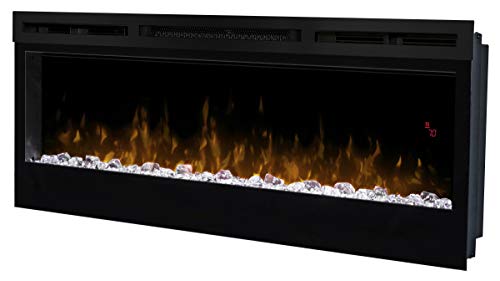
Dimplex Prism Wall Mount Fireplace: Sleek Heat With Modern Flame Style
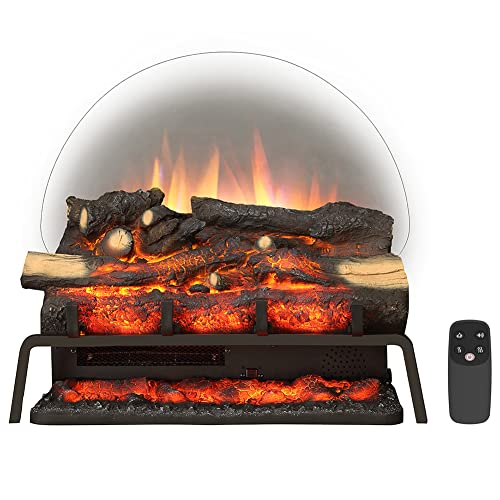
Best Electric Fireplace Insert for Large Room Heating and Style

Best 40 Inch Electric Fireplace Insert 2026 - Cozy Ambiance with Modern Power
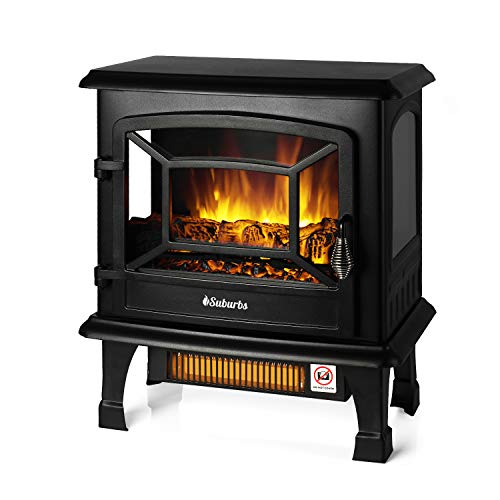
Top 12 Best Quality Electric Fireplace 2026 - Buying Guides

Best Wall Mount Electric Fireplace 2026 for Ultimate Comfort and Style

How to Start Monessen Fireplace: A Step-by-Step Guide

How to Whitewash Rock Fireplace: Simple Steps to Refresh Your Space