How to Hang a TV Above a Fireplace Without Heat Damage

Safe mounting starts with a cool wall. Before drilling a single hole, confirm the surface stays comfortably cool while a fire burns, then anchor your screen to solid framing. A thick mantel acts like a shield that pushes rising heat into the room instead of letting it bake delicate parts. Pairing that heat barrier with an angled bracket keeps the picture clear and spares your neck from hours of looking up.
The exact process changes based on your wall material and room layout. Drywall over wooden studs calls for heavy screws driven directly into wood beams, while solid brick or stone requires expanding masonry sleeves so the hardware never pulls loose. Mantel depth also matters for blocking heat, while a pull-down mount can lower a high screen down to eye level when you sit down. Here is how to check your space and complete the project safely.
Check wall heat and mantel depth before mounting anything
Heat is the biggest threat to delicate television parts. Liquid crystal displays, power supply boards, and sensitive microprocessors slowly degrade when exposed to steady, high temperatures. Before you buy any mounting hardware or drill a single hole, you must verify that the wall space above your hearth remains cool during a long fire.
A practical way to check surface temperature is with your bare hand and a standard household thermometer. Build a normal fire in your wood-burning fireplace, or turn your gas or electric firebox on high for at least 60 to 90 minutes. Once the room reaches full warmth, place the palm of your hand flat against the wall where the bottom and center of the television will sit. If the drywall, brick, or stone feels uncomfortably hot to touch, that spot is unsafe for electronics. Tape a basic household thermometer to the wall surface in that location to confirm the exact reading. Most television manufacturers state in their user manuals that the screen should never operate in temperatures above 100 degrees Fahrenheit.
A deep mantel acts as an effective heat deflector. Much like an umbrella shields you from overhead rain, a thick mantel shelf catches hot air rising from the firebox and pushes it forward into the living room, keeping it away from the wall surface above. Measure your mantel shelf and clearance distances before moving ahead with your installation plans:
- Mantel projection: A mantel shelf should stick out at least 8 to 12 inches from the wall surface to redirect rising heat drafts away from your television screen.
- Vertical clearance: Maintain at least 8 to 12 inches of open wall space between the top of the mantel shelf and the bottom edge of your television frame.
- Direct firebox clearance: If your fireplace has no mantel shelf at all, place the television at least 30 to 36 inches above the top of an open firebox opening, or install a non-combustible deflector hood first.
- Heating vent direction: If you use an electric fireplace, examine the heating vent or blower grille location. Front-facing blowers push warm air straight out into the room, while top-discharge grilles push hot air upward along the drywall, requiring a deeper protective shelf.
Drafts also matter during colder months. When an open hearth sits idle, cold outdoor air can spill downward and create rapid temperature swings against the wall. Knowing how to close fireplace damper controls tightly when the fire is completely out prevents chilly drafts from cooling the wall and fighting your home heating.
Choose a mount that matches your seating angle
Hanging a screen over a fireplace introduces an ergonomic challenge. A television placed above a standard 50-inch or 60-inch mantel sits well above seated eye level. Staring upward for hours forces your neck backward, causing neck muscle fatigue and eye strain. Matching the right mounting bracket to your room layout solves this discomfort.
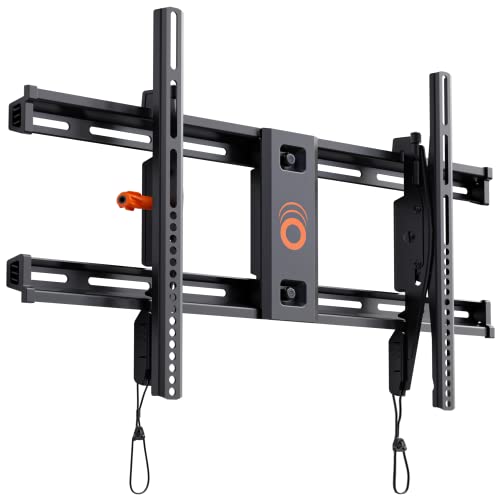
Low-profile flat brackets hold the screen extremely close to the wall surface, often less than two inches out. But flat brackets offer zero vertical movement or tilt. If you sit on a low sofa close to the hearth, the upward viewing angle makes the picture look washed out and places heavy tension on your neck. A flat mount only makes sense if your seating sits 15 to 20 feet away across a large room, or if your fireplace is built low to the floor.
Tilting brackets allow you to angle the screen downward, typically between 8 and 15 degrees. Tilting the screen points the display directly toward your eyes on the sofa. This downward angle improves color contrast on modern screens and reduces annoying glare from recessed ceiling fixtures. A tilting bracket works well when you have medium viewing distances and want a simple, budget-friendly installation that stays firmly anchored in one position.
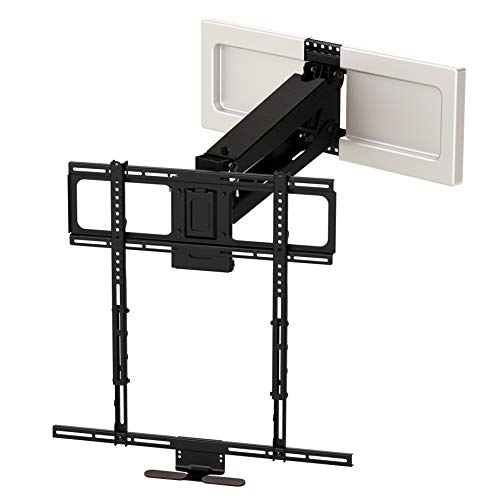
Pull-down mantel brackets provide the most comfort for high fireplace installations. These specialized brackets feature articulated steel arms balanced by internal counterbalance springs or gas pistons. With a gentle pull on an insulated lower handle, you can draw the screen forward and downward by 25 to 30 inches, dropping the display right to natural eye level in front of the hearth. When you finish watching movies, you guide the screen smoothly back up into its locked home position above the mantel. You must only pull the screen down when the fireplace is turned off and cold to protect the display from heat.
Check the screw hole pattern on the TV back (known as the VESA pattern) before selecting any bracket. The mounting holes on the back of your television must align with the bracket arms, whether the pattern measures 200x200 millimeters or 600x400 millimeters.
Mount your bracket step by step for solid support
Mounting a heavy screen above a fireplace requires patience and the right tools. Take your time during layout to avoid drilling unnecessary holes in your drywall or masonry. Follow these clear steps to secure your bracket safely:
- Map out the screen dimensions: Cut a sheet of cardboard or builder paper to the exact width and height of your television. Tape the paper cutout to the wall above your mantel using painter tape. Sit on your living room couch and look at the template for several minutes to verify that the height feels comfortable for your neck.
- Find the wall framing beams: Use a wall scanner that detects wooden framing beams (a stud finder) to locate the studs behind the drywall. Sweep the scanner horizontally from both directions to find both edges of each stud, and draw a light pencil line down the center of each wooden beam.
- Position and level the wall plate: Hold the metal wall bracket or its cardboard drilling template flat against the wall, centered above your fireplace. Place a bubble level across the top edge. Line up the bracket mounting slots directly over your marked stud centers, then mark the screw hole points on the wall with a pencil.
- Drill pilot holes into the wood: Select a wood drill bit slightly narrower than the shank of your lag bolts (heavy-duty screws for wood framing). Drill straight pilot holes into the center of the wooden studs. Drilling pilot holes stops the 2x4 framing lumber from splitting and allows the thick screw threads to grip the wood tightly.
- Fasten the bracket to the wall: Place the wall plate over your pilot holes. Thread the heavy lag bolts with their metal washers through the plate and into the studs. Tighten the bolts down firmly with a ratchet socket wrench until the plate rests flush and immovable against the wall. Give the plate a firm downward tug with both hands to verify it does not flex or budge.
- Attach the mounting rails to your TV: Place your television face down on a soft blanket spread across a clean, sturdy table. Line up the vertical mounting arms with the screw hole pattern on the TV back. Fasten the arms into the threaded inserts using the machine screws and rubber spacers included with your mount, tightening them snugly with a handheld screwdriver.
- Hang and lock the television: Have an adult helper lift the television with you, holding the display firmly by the outer edges. Lift together, hook the top of the screen brackets over the upper lip of the wall plate, and gently lower the bottom into place. Tighten the bottom safety locking screws or click the spring latches shut so the screen cannot slide or lift off the bracket rails.
Fasten securely into brick mortar or wood wall framing
The material behind your fireplace wall dictates the type of fasteners you must use. Drywall over standard wood framing behaves very differently from solid chimney masonry, and choosing the wrong anchor will cause the bracket to loosen over time.
When working with drywall, you must drive your lag bolts directly into solid wooden wall studs. Standard drywall anchors, hollow-wall toggles, or plastic plugs should never be used alone to support a television over a fireplace. The constant outward leverage of an articulated bracket, combined with the mild warmth that rises from a hearth, causes drywall gypsum to soften and crumble. If your wall framing studs are spaced awkwardly or sit off-center from the firebox, fasten a sturdy 3/4-inch plywood backer board across two studs first, paint it to match your room, and secure the metal TV bracket directly to that wooden backer board.
If you have an electric setup, such as an electric firebox insert for large room heating built into a framed wall, standard wood stud installation is straightforward. But if your fireplace features exposed brick or stone, you need masonry anchors (expanding sleeves for brick or concrete) instead of wood lag bolts.
Always drill directly into the solid face of the brick or stone rather than the softer mortar seams. Mortar joints are designed to cushion masonry blocks against settling, not to withstand heavy pulling tension. Anchors placed in mortar can loosen, crack, or pull straight out when you adjust a tilting or pull-down mount. Use a hammer drill fitted with a carbide-tipped masonry drill bit, keeping the drill level and steady. After drilling your holes, use a bulb syringe, vacuum hose, or canned air to blow all fine brick dust out of the openings. If dust remains trapped inside, the expanding sleeve cannot bite into the brick walls properly. Tap the masonry sleeves into the clean holes with a rubber mallet until they sit flush, then bolt your bracket tight.
Route cables neatly around heat zones and safety hazards
Cables dangling down over a fireplace mantel create visual clutter and introduce serious safety hazards if they touch warm surfaces. Managing power and signal wires correctly protects your equipment and prevents fire risks.
Never run a standard flexible television power cord inside an enclosed wall cavity. Flexible appliance cords are not rated for enclosed spaces because trapped heat can degrade the rubber insulation over time, which violates standard residential electrical codes. If you want a clean look with no visible cords, hire a licensed electrician to install a standard 120-volt wall outlet directly behind the screen. You can also install an in-wall rated power extension kit that uses code-approved residential wiring inside the wall cavity.
Consider the electrical demand of your room before plugging in your equipment. If your television shares an electrical circuit with an electric fireplace heater drawing 1,500 watts, turning on the heat could trip your circuit breaker. Running your electronics on a dedicated circuit (an outlet that doesn't share its breaker with other power-hungry appliances like microwaves or space heaters) keeps your television operating smoothly without nuisance power trips.
Organize your signal cables safely by running through this quick setup checklist:
- Use surface raceways on stone: If you have a solid brick or stone chimney where you cannot run cables inside a wall cavity, snap your HDMI and audio cords into paintable surface raceways. Fasten the channel along the outer edge of the mantel trim and paint it to match your wall.
- Provide extra cable slack: If you install a pull-down or tilting mount, run your cables along the integrated clips on the bracket arms. Leave enough slack in the cords so they never pull tight, bind, or pinch between steel scissor joints when the screen moves up and down.
- Keep clear of exhaust paths: Secure all cords away from metal firebox grilles, flue pipes, and heating vents. Fasten cords to the wall or mantel underside with heat-resistant wire clips so they cannot drop into hot zones.
Pick hardware designed to handle fireplace heat and height
Solving the dual challenges of heat clearance and steep viewing angles comes down to picking the right combination of fireplace appliances and mounting equipment. If you are upgrading your hearth, choosing an appliance with deliberate airflow design makes hanging a television much simpler. Modern wall units, such as a wall mount fireplace with a front heating vent, push warmed air forward into the room rather than upward, shielding the wall space directly above the chassis from excessive warmth.
When selecting a mounting bracket for an over-mantel installation, look for heavy-gauge steel construction designed specifically for vertical travel or downward tilt. If you choose a pull-down mantel mount, verify that it includes smooth gas pistons or adjustable counterbalance springs. These internal mechanisms counter the weight of your screen, allowing you to raise and lower the display with light hand pressure rather than heavy lifting. High-quality fireplace mounts often feature insulated handles that protect your hands and visual heat warnings that indicate if the hearth below is releasing too much heat.
Before purchasing your mounting hardware, check the total weight of your television against the bracket weight capacity rating, and measure your mantel depth to confirm the bracket arms can clear the forward edge of your shelf. Picking the proper mount gives you a stable, comfortable viewing setup that keeps your television safe above the hearth for years to come.
- BWP Score9.4
BWP Score is a ranking system developed by Bestwinterproducts.com. BWP score has no relationship or impact from any manufacturers or sales agent websites. Learn more
- BrandECHOGEAR

- BWP Score9.0
BWP Score is a ranking system developed by Bestwinterproducts.com. BWP score has no relationship or impact from any manufacturers or sales agent websites. Learn more
- BrandMantelMount
- BWP Score8.8
BWP Score is a ranking system developed by Bestwinterproducts.com. BWP score has no relationship or impact from any manufacturers or sales agent websites. Learn more
- BrandMantelMount

- BWP Score8.8
BWP Score is a ranking system developed by Bestwinterproducts.com. BWP score has no relationship or impact from any manufacturers or sales agent websites. Learn more
- BrandYegosh

- BWP Score8.4
BWP Score is a ranking system developed by Bestwinterproducts.com. BWP score has no relationship or impact from any manufacturers or sales agent websites. Learn more
- BrandMount-It!

- BWP Score8.4
BWP Score is a ranking system developed by Bestwinterproducts.com. BWP score has no relationship or impact from any manufacturers or sales agent websites. Learn more
- BrandMount-It!
- BWP Score8.2
BWP Score is a ranking system developed by Bestwinterproducts.com. BWP score has no relationship or impact from any manufacturers or sales agent websites. Learn more
- BrandVIVO

- BWP Score7.6
BWP Score is a ranking system developed by Bestwinterproducts.com. BWP score has no relationship or impact from any manufacturers or sales agent websites. Learn more
- BrandMount-It!

- BWP Score7.6
BWP Score is a ranking system developed by Bestwinterproducts.com. BWP score has no relationship or impact from any manufacturers or sales agent websites. Learn more
- BrandMount-It!
Last update on 2026-10-02 / Affiliate links / Images, Product Titles, and Product Highlights from Amazon Product Advertising API


12 Best Corner Electric Fireplace 2026: My Ultimate Guide To Pick One

Dimplex Prism Wall Mount Fireplace: Sleek Heat With Modern Flame Style
Best Electric Fireplace Insert for Large Room Heating and Style

Best 40 Inch Electric Fireplace Insert 2026 - Cozy Ambiance with Modern Power
Top 12 Best Quality Electric Fireplace 2026 - Buying Guides

Best Wall Mount Electric Fireplace 2026 for Ultimate Comfort and Style

How to Start Monessen Fireplace: A Step-by-Step Guide

How to Whitewash Rock Fireplace: Simple Steps to Refresh Your Space