
How to Safely Heat a Chicken Coop in Winter

Ice coats the galvanized water fount at dawn, and several hens sit tightly huddled on the roost with fluffed-out feathers. Adult chickens rarely need artificial heat to stay safe in winter, because their thick down coats trap high body warmth, making bone-dry bedding and wind-blocking walls your best defense against the freeze.
What changes this rule comes down to your local climate, your flock, and coop airflow. Prolonged sub-zero cold waves might warrant a safe radiant wall panel, while young birds or large-combed breeds need closer attention than cold-hardy adult hens. High ventilation also plays a huge role, since humid breath trapped inside causes frostbite far faster than crisp, dry air. Getting the setup right keeps your birds thriving comfortably without ever risking a devastating coop fire.
Trust your chickens' natural insulation before adding supplemental heat
Chickens carry an effective natural heating system that backyard flock owners often underestimate. An adult chicken maintains an internal body temperature between 105°F and 107°F. Beneath their exterior feathers sits a dense layer of fluffy down that traps body heat against the skin like an insulated winter coat. When winter temperatures drop, a chicken simply fluffs its feathers outward to trap an even thicker cushion of warm air.
At night, adult chickens roost together on a wooden bar, pressing side by side to share warmth. They settle down over their bare legs and feet, tucking their toes completely underneath their warm breast feathers. Then, they tuck their beaks into their shoulder feathers to breathe pre-warmed air while shielding their combs. Cold-hardy breeds, such as Orpingtons, Plymouth Rocks, and Australorps, easily handle freezing weather without artificial room heat.
Just as humans rely on trapping air layers when discovering how to keep warm in winter outdoors, chickens use their plumage to stay warm. Baby chicks are the main exception because they lack true feathers and require dedicated brooder heat plates. Fully feathered adult hens produce abundant natural heat on their own.
Ditch hanging glass heat lamps to eliminate deadly barn fire risks
Hanging glass heat lamps cause devastating coop fires every winter. A standard 250-watt red bulb generates surface temperatures exceeding 400°F. Placing a scorching bulb inside a small wooden coop filled with dry shavings, straw, feathers, and dander creates an extreme fire hazard. Chickens flap their wings when startled, easily knocking a hanging clamp fixture directly into the dry bedding below.
Airborne chicken dust presents an ongoing hazard even when fixtures are secured with chains. Chickens produce fine dander as they preen, which settles onto hot bulbs and electrical sockets over weeks of winter use. Clamps slip, spring clips fail, and plastic ties degrade under intense heat. When an accident happens, a dry wooden coop can burn to the ground in minutes.
Beyond fire danger, artificial heat lamps create a dangerous dependency. When a lamp runs constantly, chickens fail to grow thick winter down layers and never acclimate to seasonal cold. If a winter storm causes a sudden power outage, the coop temperature can plummet forty degrees in less than an hour. Chickens depending on artificial heat can suffer fatal shock from that sudden plunge, while hens acclimated to cold air sleep through the outage unharmed.
Seal low drafts while keeping roof vents wide open to stop frostbite
Keeping chickens warm requires an effective defense against wind combined with open roof ventilation. Many flock owners seal every crack and window in late autumn to trap heat, but this mistake almost always backfires. Sealing a coop traps moisture, which leads directly to frostbite and respiratory illness. The real enemy of winter chickens is trapped humidity, not crisp outdoor air.
Every night, chickens exhale moisture, while their droppings release water vapor into the coop air. If that moisture cannot escape through roof-level vents, it condenses on cold walls and settles onto combs and wattles. When overnight temperatures drop below freezing, that surface moisture freezes solid, destroying skin tissue. Frostbite occurs far faster in a humid, sealed coop at 25°F than in a dry, ventilated coop at 10°F.
Follow this setup to keep your coop dry and protected throughout the cold season. Making these adjustments ensures your flock stays comfortable without risking dampness:
- Block low drafts at the roost: A draft is cold air blowing directly onto resting birds. Seal gaps around your roosting bars with boards, keeping perches at least a foot below incoming airflow.
- Keep high roof vents open: Ventilation means roof-level vents that let moist breath escape without creating drafts. Warm, humid air naturally rises out of ridge or gable vents without chilling the roosting hens.
- Choose clean straw over hay: Bed the floor with clean straw or pine shavings. Clean straw has hollow stalks that trap body heat and repel moisture, whereas hay absorbs moisture, molds quickly, and freezes into a solid cold block.
- Use the deep bedding method: Build a bedding layer six to eight inches deep on the coop floor. The bottom layers gradually break down, generating mild ambient warmth while absorbing nighttime droppings. Turn the surface regularly to keep it dry.
- Keep waterers in the run: Place drinking water outside in a covered run rather than inside the sleeping area. Splashing water fills the coop with humidity that settles on combs overnight.
Install radiant heat panels safely when severe sub-zero cold strikes
When an extreme Arctic blast pushes temperatures far below zero, a safe heat source provides relief without fire danger. Setting up electrical warmth correctly prevents accidents and protects your birds from electrical hazards. Follow these steps to install supplemental heat safely inside a wooden coop:
- Select a low-wattage radiant flat panel: Choose a flat radiant panel heater rated between 150 and 200 watts. Radiant heat warms nearby bodies rather than heating the room air, giving birds a gentle warming zone without heating the entire building.
- Mount the panel beside the roost: Fasten the radiant panel to the wall stud directly adjacent to the roosting bar. Look for units rated for zero clearance, meaning it is safe to mount against flat wood surfaces without fire risk. Chilly hens can sit right next to the warm panel, while other birds can roost farther down the perching bar.
- Protect all electrical cords: Enclose electrical cords inside rigid plastic or metal conduit tubing. Chickens peck at novel objects, so never leave dangling rubber cords where birds can peck or strip away the outer insulation.
- Plug directly into a grounded GFCI outlet: Connect the heater to an outdoor-rated, ground-fault circuit interrupter outlet. Avoid thin indoor extension cords. If an outdoor extension cord is necessary, use a heavy-duty grounded cord and elevate connections in a water-resistant seal box.
- Use a thermostatic outlet controller: Plug the panel into a temperature controller that turns the unit on automatically below 35°F and off above 45°F. This prevents overheating during sunny afternoons and saves electrical power.
Check daily for signs of frostbite and cold stress
Check your flock every morning during freezing weather to identify early signs of cold stress or tissue freezing. A healthy flock chatters quietly, jumps down at dawn, and feeds eagerly. If a bird struggles with winter weather, look for these physical warning signs:
- Shivering and hunched posture: A chicken standing motionless on the floor with feathers puffed out and wings pulled tight is struggling to maintain core heat. Persistent shivering indicates severe cold stress.
- Lifting feet off frozen surfaces: Chickens on cold floors repeatedly lift one foot into their warm breast feathers. Just as people prevent freezing discomfort and discover how to keep toes warm in the winter, poultry need perches wide enough to cover their toes with breast feathers. Use the wide four-inch side of a wood board for roosts.
- Pale comb tips: Early frostbite appears as pale, chalky white patches along comb points. The skin feels stiff and cold to the touch.
- Blackened comb edges: When cold damage worsens, the frozen tissue turns black and hard. Never trim or pull dead tissue, as this causes bleeding and infection. Allow damaged tips to dry and slough off naturally.
- Safe frostbite care: Apply a thick barrier ointment, such as plain petroleum jelly, gently over exposed combs to protect against further drying and freezing. Never apply hot water, heating pads, or vigorous rubbing, which causes severe pain and permanent tissue damage.
Choose flat radiant heating panels designed specifically for coops
When selecting supplemental heating equipment for adult backyard flocks in 2026, choose a flat radiant panel heater instead of traditional space heaters. Radiant panels provide gentle warmth that warms nearby bodies rather than heating the room air, keeping birds comfortable without stirring up dust or creating high surface fire hazards. Look for models with independent safety marks, such as ETL-listed or UL-compliant labels, confirming that the heater meets strict electrical fire safety standards for pet and farm use.
Verify that the panel operates on low wattage, drawing between 150 and 200 watts. Low wattage prevents tripped circuit breakers on outdoor lines and keeps operating costs minimal. Ensure the unit features built-in thermal protection that shuts the power off automatically if internal temperatures rise above safe limits. Look for versatile mounting options, including wall brackets with zero-clearance ratings, freestanding floor feet, or hanging brackets.
If you care for newborn chicks during winter months, use an adjustable brooder heating plate rather than a wall-mounted coop heater. Brooder plates create a safe, enclosed warm surface that allows tiny chicks to huddle directly underneath, mimicking a mother hen. Matching the heater style to the age of your birds ensures reliable winter warmth without safety risks.

- BWP Score9.2
BWP Score is a ranking system developed by Bestwinterproducts.com. BWP score has no relationship or impact from any manufacturers or sales agent websites. Learn more
- BrandRentACoop

- BWP Score9.2
BWP Score is a ranking system developed by Bestwinterproducts.com. BWP score has no relationship or impact from any manufacturers or sales agent websites. Learn more
- BrandRentACoop

- BWP Score9.2
BWP Score is a ranking system developed by Bestwinterproducts.com. BWP score has no relationship or impact from any manufacturers or sales agent websites. Learn more
- BrandRentACoop

- BWP Score8.8
BWP Score is a ranking system developed by Bestwinterproducts.com. BWP score has no relationship or impact from any manufacturers or sales agent websites. Learn more
- BrandCozy Products
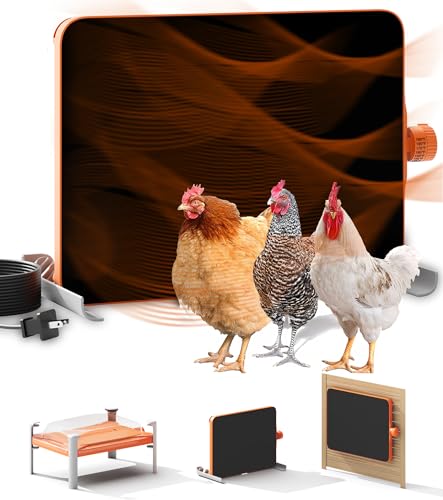
- BWP Score8.8
BWP Score is a ranking system developed by Bestwinterproducts.com. BWP score has no relationship or impact from any manufacturers or sales agent websites. Learn more
- BrandChickcozy
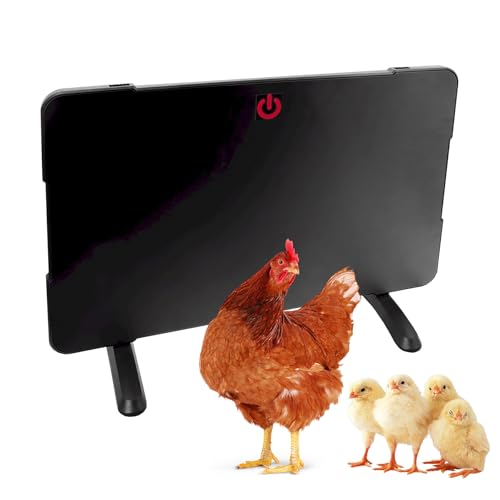
- BWP Score8.6
BWP Score is a ranking system developed by Bestwinterproducts.com. BWP score has no relationship or impact from any manufacturers or sales agent websites. Learn more
- BrandFarm Innovators, Inc.

- BWP Score8.4
BWP Score is a ranking system developed by Bestwinterproducts.com. BWP score has no relationship or impact from any manufacturers or sales agent websites. Learn more
- BrandHOPOCO

- BWP Score8.4
BWP Score is a ranking system developed by Bestwinterproducts.com. BWP score has no relationship or impact from any manufacturers or sales agent websites. Learn more
- BrandCozy Products
Last update on 2026-10-04 / Affiliate links / Images, Product Titles, and Product Highlights from Amazon Product Advertising API
FAQs
Can chickens freeze to death in an unheated coop?
Adult, fully feathered chickens rarely freeze to death in a sound, well-ventilated coop unless they become wet, exposed to direct wind drafts, or trapped without feed. Chickens generate internal warmth by digesting dry feed overnight, which acts like a slow-burning furnace. As long as your birds stay dry, sleep out of wind drafts, and have clean feed and unfrozen water, cold-hardy breeds easily tolerate freezing temperatures without artificial room heat.
At what temperature should I consider using a coop heater?
Most backyard flock owners do not need to turn on supplemental heaters until ambient temperatures drop below 0°F, or when an extended sub-zero freeze lingers for several consecutive days. If your flock includes breeds with large single combs, gentle radiant warmth helps prevent comb frostbite when overnight air dips into single digits. For standard cold-hardy hens, supplemental heat remains completely optional down to sub-zero marks.
Is it better to insulate coop walls or add an electrical heater?
Draft-proofing and insulation are far safer and more effective than adding electrical heaters. Insulating walls helps retain the natural body heat that chickens generate on their own without creating fire hazards. Insulation must always be paired with open roof ventilation, because sealing off roof airflow traps moisture that causes respiratory illness and frostbite.
Can I use a regular household space heater or oil radiator inside a coop?
Household space heaters and oil-filled radiators should never be used inside a chicken coop. Flapping birds kick up dry straw and dander that quickly clog heating elements, creating severe fire hazards. Chickens also perch directly on top of warm metal radiators, leaving droppings that create foul fumes or burning their foot pads on hot surfaces.


Best Warm Winter Scarves 2026 For Cozy Comfort

Best Green Ski Goggles 2026 For Clear Vision On Slopes

12 Best Corner Electric Fireplace 2026: My Ultimate Guide To Pick One

Best Battery Powered Snow Blower 2026 For Effortless Snow Clearing

Best Ski Goggles Under 30 Inches For Crisp Vision And Comfort

Best Cooling Scarf 2026 For Instant Relief And Comfort

Fake Snow for Grass: Create a Realistic Winter Lawn Display

Dimplex Prism Wall Mount Fireplace: Sleek Heat With Modern Flame Style





