How to Install a Mantel on a Brick Fireplace Securely

Anchor a hidden support into the masonry. Drilling clean holes with a masonry bit lets you fasten a wooden strip or steel rods straight into the wall. Once that backing is secure, your shelf slides over the mount and stays completely steady without cracking the surrounding brick.
The right approach changes with the weight of your shelf and your fireplace setup. A light, hollow box shelf easily slides over a wooden wall cleat, while a massive solid wood beam demands deep steel rods or decorative iron brackets to carry the load. You will also need to decide whether to drill into the hard brick face for maximum strength or the mortar lines for easier drilling. Fire safety matters just as much, requiring a set clearance between the wood and the firebox opening where flames burn. Here is the straightforward process to get your mantel rock-solid and level.
Checking Clearance and Safe Mantel Height Above the Firebox
Before drilling, determine where your mantel can sit safely. A wood mantel is combustible, meaning heat or sparks from the firebox (the opening where the fire burns) create a fire hazard if the shelf sits too close.
Standard fire codes require combustible wood mantels to sit at least 6 inches away from the firebox opening. For each inch the mantel projects from the wall, you typically must raise it higher. A deep 8-inch or 9-inch shelf catches rising heat like an umbrella, requiring more safe distance from heat than a shallow shelf.
Follow this checklist before marking drill holes:
- Verify safe distance from heat: Measure vertically from the firebox opening. Most codes demand at least 12 inches of clearance above the opening for full-depth mantels.
- Check mantel projection: Measure shelf depth from the brick face. Deeper shelves deflect rising heat and need higher placement.
- Account for heat vents: If your hearth has an insert, note where hot air blows. When placing a television above the mantel, keep 8 to 12 inches between the vent and the screen.
- Check viewing height: Mantels typically look best 54 to 60 inches from the floor, provided that placement satisfies fire codes.
Masonry Tools and Anchors for Securing a Shelf to Brick
Drilling into brick requires specialized tools. Mounting a heavy shelf with standard wood screws or plastic drywall plugs will fail, as plastic plugs pull loose from masonry under downward leverage.
Gather these tools and materials before starting:
- Hammer drill: Pulses back and forth while spinning to pulverize brick and mortar without burning out the motor.
- Brick-drilling drill bit: Use a carbide-tipped masonry bit sized to your wall anchors. Standard twist bits dull immediately on brick.
- Metal expansion sleeves for brick (lag shields): Split metal sleeves that expand against drilled brick holes when you drive lag bolts inside.
- Lag bolts and flat washers: Steel lag bolts pull the mounting hardware tight to the masonry.
- A 4-foot bubble level: Spans across uneven bricks to give you a true horizontal reference line.
- Dust clearing tools: A shop vacuum or squeeze bulb to clear dust so anchors grip firmly.
- Safety glasses and dust mask: Protects your eyes from flying chips and your lungs from masonry dust.
Deciding Between Drilling Into Brick or Mortar
Homeowners must decide whether to drill into the brick face or the softer mortar lines. Both locations have practical trade-offs.
Drilling into the brick face provides maximum shear strength. Fired clay brick is dense and will not crush when you tighten lag shields. If you plan to hang a heavy solid timber mantel, drilling into the brick itself is the safest approach. The drawback is permanence. If you remove the mantel later, patched holes in the brick face remain noticeable.
Drilling into mortar lines is faster because mortar is softer than brick. If you remove the shelf later, you can fill the hole with mortar repair paste to make it virtually disappear. But mortar has far less strength. On older fireplaces, mortar can be crumbly and prone to blowing out under the expansion force of a heavy lag bolt.
Choose mortar joints only if you are hanging a lightweight, hollow floating mantel and your mortar feels firm. If you are mounting a heavy solid beam, or if your mortar is powdery, anchor directly into solid brick. Avoid placing anchors within one inch of any brick edge to prevent cracking corners.
Step-by-Step: Installing a Hollow Floating Mantel With a Hidden Cleat
Hollow box mantels provide the look of a solid wood beam without the extreme weight. Most hollow mantels attach using a wooden mounting strip (cleat) anchored to the brick. The shelf then slides over the cleat and fastens from the top.
Follow these numbered steps to mount your floating mantel securely:
- Mark your reference line on the brick face. Use a four-foot carpenter level and a pencil to draw a level line across the fireplace at your chosen height. Reason: Brick rows are frequently crooked, so aligning your shelf to mortar joints makes the mantel look tilted.
- Pre-drill clearance holes through the wooden mounting strip. Drill mounting holes through the wide face of your 2x4 cleat, spaced 12 to 16 inches apart. Reason: Pre-drilling prevents the wooden strip from splitting when heavy lag bolts are driven through it.
- Hold the wooden strip against the wall to mark anchor points. Align the cleat with your level line and push a pencil or nail through the holes to mark the brick. Reason: Marking through the board guarantees your masonry holes match your cleat holes down to the millimeter.
- Drill into the brick using a brick-drilling drill bit. Chuck a carbide masonry bit into your hammer drill, wrap tape around the bit for depth, and drill steadily into the marks. Reason: A visual depth mark prevents you from drilling too deep or bottoming out your anchors.
- Vacuum every trace of brick dust out of the drilled holes. Clear each hole with a shop vacuum or squeeze bulb. Reason: Loose brick powder acts like ball bearings, causing expansion sleeves to slip loose under load.
- Tap metal expansion sleeves into the drilled holes. Insert metal lag shields into the holes and tap them flush with the brick using a mallet. Reason: Seating shields flush ensures the wooden cleat pulls flat against the masonry without wobbling.
- Bolt the wooden mounting strip tightly against the masonry. Insert lag bolts with washers through the cleat and tighten them into the shields with a socket wrench. Reason: A tight cleat creates a solid foundation that carries the full downward weight of the shelf.
- Slide the hollow mantel box over the anchored cleat. Slide the open rear channel of the mantel directly onto the wooden strip until it touches the brick. Reason: The cleat acts as an internal spine, hiding all mounting hardware while holding the shelf square.
- Secure the mantel shelf to the cleat with trim head screws. Drive wood screws down through the top of the mantel into the internal cleat near the back wall. Reason: Top fasteners lock the mantel in place, preventing the shelf from sliding forward or tipping off the wall.
Hanging a Heavy Solid Timber Beam With Lag Rods or Steel Brackets
Solid timber mantels made from pine, oak, or reclaimed wood can weigh 40 to 80 pounds. That weight produces downward leverage that a basic wooden strip cannot hold. You need structural steel fasteners that reach deep into the brick.
There are two dependable methods for mounting a heavy solid beam:
The first method uses blind steel rods. Drill deep horizontal holes into solid brick faces using your hammer drill. Insert heavy-duty metal expansion sleeves or two-part masonry epoxy, then thread in hardened steel rods (at least 1/2-inch in diameter) so four to six inches stick out from the wall. Drill matching deep holes into the back face of your timber beam and slide the beam onto the rods. For extra hold, add construction adhesive into the timber holes before sliding the mantel flush against the wall.
The second method uses external decorative steel corbels or cast iron brackets mounted under the beam. Position two or three heavy-duty brackets against the brick, aligning them with solid bricks rather than mortar. Fasten the vertical leg of each bracket into the brick using lag shields and heavy lag bolts. Once the brackets are locked down, set the timber mantel beam on top and fasten it from underneath by driving wood screws upward through the bracket holes.
If your masonry fireplace suffers from drafts or chimney heat loss while you update your hearth, learning how to close a fireplace damper properly can help keep your living room comfortable.
Leveling and Scribing Against an Uneven Brick Face
Brick fireplaces are rarely flat. Bricks often bow outward, individual face edges stick out past neighboring rows, and mortar lines create deep dips. Mounting a straight board against an uneven brick wall leaves noticeable gaps behind the shelf.
Hold your wooden cleat or timber beam against the wall at your planned mounting height. Look along the top edge with a flashlight to locate high spots where protruding bricks keep the shelf from sitting plumb.
If the wall is only slightly uneven, compensate using plastic or hardwood shims. Place thin shims behind the wooden mounting strip around each bolt location. Tightening the lag bolts against the shims prevents the wood strip from bending to match the crooked wall, ensuring your mantel slides on smoothly without binding.
If the brick face is heavily textured, scribe the back of the mantel shelf. Hold the shelf level against the brick. Set a pencil compass to match the width of the largest gap between the wood and the wall. Run the compass point along the brick contour while the pencil marks an identical line along the back of the mantel. Use a sander or rasp to trim away the high spots on the wood until it hugs the masonry curves tightly.
If tiny gaps remain after mounting, fill the hairline joint along the top edge using a paintable silicone acrylic caulk. This prevents soot, dust, and small items from falling behind your fireplace.
Choosing the Right Mantel Shelf and Hardware for Brick
When selecting a mantel for a brick fireplace, choose between a hollow box shelf and a solid timber beam. Hollow floating mantels are easier to manage if you work alone, because their light structure places far less stress on older mortar and brick. Solid wood mantels deliver unmistakable rustic presence, but they demand heavy-duty anchoring rods or visible cast iron corbels to carry their weight safely.
Before purchasing any mantel shelf or mounting kit, inspect the wall depth and fireplace opening. Look for shelves made from kiln-dried wood, which resists warping and cracking when exposed to the rising dry heat of your hearth. Check the mounting hardware provided in the box. Many retail floating shelves include hardware meant only for wood wall studs behind drywall. When installing on a masonry fireplace, you will almost always need to supply your own masonry drill bits, lag shields, and hardened lag bolts designed specifically for solid brick.
If you are remodeling your hearth and thinking about modernizing an open, inefficient brick cavity, pairing your new mantel shelf with a firebox insert designed for broad room heating can transform the space without the mess of burning firewood.

- BWP Score9.6
BWP Score is a ranking system developed by Bestwinterproducts.com. BWP score has no relationship or impact from any manufacturers or sales agent websites. Learn more
- BrandModern Ember

- BWP Score9.4
BWP Score is a ranking system developed by Bestwinterproducts.com. BWP score has no relationship or impact from any manufacturers or sales agent websites. Learn more
- BrandG GOOD GAIN

- BWP Score9.4
BWP Score is a ranking system developed by Bestwinterproducts.com. BWP score has no relationship or impact from any manufacturers or sales agent websites. Learn more
- BrandTwentyNext

- BWP Score9.2
BWP Score is a ranking system developed by Bestwinterproducts.com. BWP score has no relationship or impact from any manufacturers or sales agent websites. Learn more
- BrandEshoma

- BWP Score9.2
BWP Score is a ranking system developed by Bestwinterproducts.com. BWP score has no relationship or impact from any manufacturers or sales agent websites. Learn more
- BrandEshoma

- BWP Score9.0
BWP Score is a ranking system developed by Bestwinterproducts.com. BWP score has no relationship or impact from any manufacturers or sales agent websites. Learn more
- BrandBLQH
- BWP Score9.0
BWP Score is a ranking system developed by Bestwinterproducts.com. BWP score has no relationship or impact from any manufacturers or sales agent websites. Learn more
- BrandTECANA

- BWP Score7.6
BWP Score is a ranking system developed by Bestwinterproducts.com. BWP score has no relationship or impact from any manufacturers or sales agent websites. Learn more
- BrandBeistle

- BWP Score7.6
BWP Score is a ranking system developed by Bestwinterproducts.com. BWP score has no relationship or impact from any manufacturers or sales agent websites. Learn more
- BrandWINTACK
Last update on 2026-10-02 / Affiliate links / Images, Product Titles, and Product Highlights from Amazon Product Advertising API
FAQs
Can I use plastic drywall anchors to hang a mantel on brick?
No, never use plastic drywall anchors or light ribbed wall plugs to mount a fireplace mantel. Drywall anchors lack the shear strength to hold a heavy shelf on a vertical brick wall. Downward leverage easily pulls plastic plugs out of masonry, causing the shelf to fall. Always use heavy-duty steel lag bolts combined with metal expansion sleeves made specifically for brick.
How deep should I drill into the brick for mantel lag shields?
Most standard installations require drilling between two and a half to three inches deep into the brick. This depth allows the metal expansion sleeve to sit fully inside solid masonry without bottoming out the lag bolt. Wrap masking tape around your masonry drill bit so you know when to stop drilling, and vacuum out all brick dust before inserting anchors.
What should I do if a brick cracks while I am drilling?
If a brick develops a hairline crack while drilling, stop drilling at that spot immediately. Back your drill out and confirm the face is not loose. Shift your mounting hole an inch or two to target a completely sound brick nearby. You can repair the hairline crack using a color-matched masonry epoxy or mortar patch to prevent it from spreading.
How do I know if my mortar is too weak to hold a shelf?
Check the strength of your mortar by gently scraping a screwdriver across a mortar line. If the mortar easily crumbles into loose sand or flakes away under light pressure, it is too weak to support expansion anchors. When dealing with soft or degraded mortar, always anchor your lag shields directly into the face of solid clay bricks instead.


12 Best Corner Electric Fireplace 2026: My Ultimate Guide To Pick One

Dimplex Prism Wall Mount Fireplace: Sleek Heat With Modern Flame Style
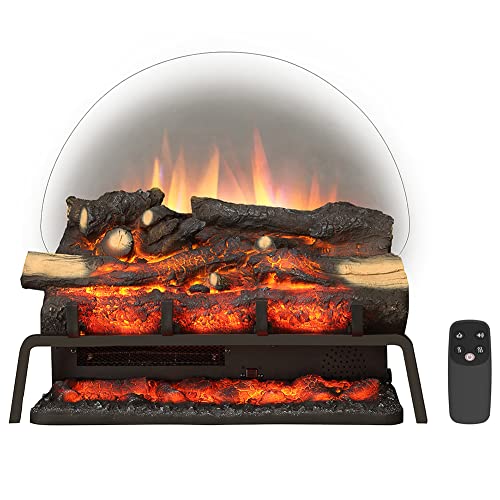
Best Electric Fireplace Insert for Large Room Heating and Style

Best 40 Inch Electric Fireplace Insert 2026 - Cozy Ambiance with Modern Power
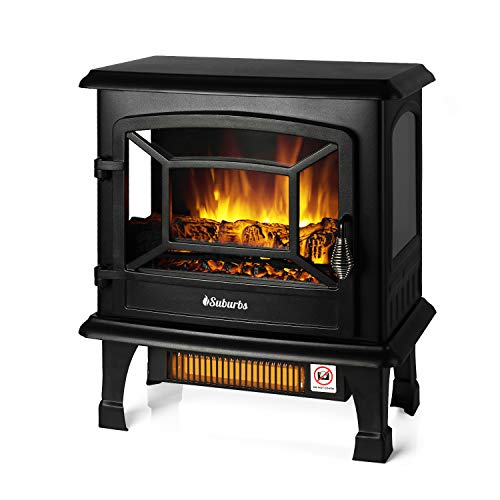
Top 12 Best Quality Electric Fireplace 2026 - Buying Guides

Best Wall Mount Electric Fireplace 2026 for Ultimate Comfort and Style

How to Start Monessen Fireplace: A Step-by-Step Guide

How to Whitewash Rock Fireplace: Simple Steps to Refresh Your Space