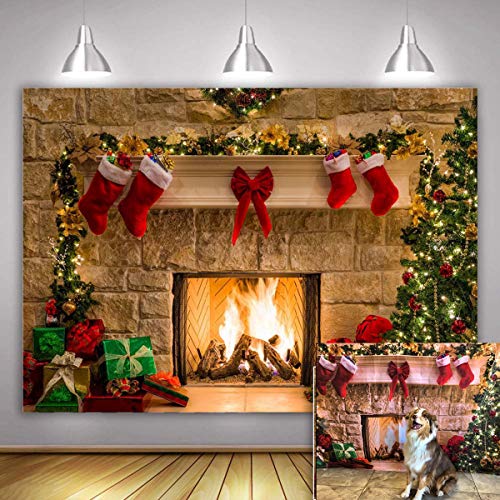
How to Securely Install a Mantel on a Stone Fireplace

Masonry fasteners lock the shelf in place. To mount a mantel on stone, you anchor steel rods or a wooden support strip directly into the masonry, then slide the shelf over top. Drilling into hard rock can feel scary because nobody wants cracked stone or a sagging shelf. Taking time to drill clean holes and set sturdy anchors gives you a rock-solid display that will not pull loose.
The exact job depends on your stone and shelf style. A hollow box mantel fits over a hidden wooden strip, while a heavy solid timber needs thick threaded steel rods set deep into the wall. Bumpy, rounded fieldstone also takes extra patience to fit flush compared to flat stacked stone. Safe clearance matters too, since wood needs enough distance above the firebox opening to stay safe from heat. The steps below walk you through measuring, drilling, and mounting the shelf safely.
Safe Height and Heat Clearances for Stone Fireplaces
When you install a shelf over a fireplace, heat rises directly against it. Stone absorbs and transfers heat toward your mounting hardware, and combustible wood can ignite if exposed to excessive heat over time. Before drilling into masonry, establish your mounting height to avoid fire hazards and code violations.
Check these clearance rules before marking your wall:
- Standard vertical clearance: Most building codes require combustible wood mantels to sit at least 12 inches above the top of the firebox opening so rising heat can disperse into the room before reaching the shelf.
- The projection rule: For every extra inch your mantel projects out, raise it higher above the opening. A deep 8-inch shelf catches significantly more rising heat than a shallow 4-inch board. A common rule is adding one inch of height for every inch of depth beyond the minimum. Confirm your municipal codes before installing.
- Television protection: If you hang a television above the mantel, the shelf acts as a heat deflector to shield sensitive electronics from rising hot air. Maintain at least 8 to 12 inches between the firebox and the shelf, and another 8 to 12 inches between the shelf and the television.
- Converting your fireplace: If you retrofit an existing hearth with an electric fireplace insert for large room heating, clearance needs are simpler. Electric units discharge fan-forced heat through a front heating vent or blower grille rather than an open chimney flue. When updating an older masonry fireplace, closing your fireplace damper prevents room heat from escaping up the flue.
- Non-combustible materials: A non-combustible shelf is made from fireproof material that will not burn, such as cast concrete or metal. These shelves can sit much closer to the firebox opening because they resist heat damage completely.
The Right Tools and Fasteners for Stone Fireplaces
Mounting a mantel on stone requires different tools than hanging a shelf on drywall. Stone fireplaces have solid rock, mortar, and wire lath over the framing, so you cannot rely on drywall screws or simple wall anchors. Using improper hardware can crack the masonry face or cause the shelf to pull loose and fall.
Gather these specific tools before you begin:
- Hammer drill: A standard drill spins smoothly, which burns out the bit against hard stone. A hammer drill pulses rapidly back and forth while rotating, pulverizing dense rock cleanly.
- Masonry bit: A masonry bit is a drill bit made specifically for stone and brick, fitted with a hardened carbide tip that chisels through rock without dulling.
- Shop vacuum or blow bulb: Clears fine rock dust from deep inside drilled holes so your anchors grip the stone walls properly.
- Long bubble level: Use a level at least 24 inches long to span across uneven rock faces.
- Socket wrench: A socket wrench provides the leverage needed to drive lag bolts into expanding sleeves without stripping bolt heads.
Select your fasteners based on the mantel style you are mounting. For a hollow box shelf, use a ledger board paired with lag bolts and lag anchors. A ledger board is a wooden support strip bolted to the wall that holds a hollow shelf. A lag anchor is a metal sleeve that expands inside a drilled hole to lock a bolt into stone. For a heavy solid timber beam, use steel threaded rods embedded at least four inches into the stone with two-part structural masonry epoxy. The solid beam then slides directly over the exposed steel pins.
Fitting a Flat Mantel Against Bumpy, Uneven Stone
Natural stone fireplaces rarely present a flat surface. Fieldstone, river rock, and stacked veneer have high spots and deep recesses. If you mount a straight wooden board against an irregular stone face, the shelf will rock, tilt forward, or leave wide gaps behind the wood.
You can achieve a snug fit using two common methods:
The first method is scribing the back of the wood. Scribing is tracing the bumpy stone shape onto the back of the wood for a tight fit. Hold your ledger board level against the wall at your chosen height. Set a pencil compass to match the widest gap between the stone and the wood. Drag the metal point down the stone face while the pencil traces every contour onto the board. Cut along that line with a jigsaw or rasp so the carved wood hugs the stones tightly.
The second method is shimming behind the support. If you mount a solid wood beam and prefer not to carve the timber, use dense composite shims behind the ledger board or washers along your steel rods. These shims create a flat, plumb plane against the highest stones. Once secured, leave the natural gap as a rustic shadow line or seal any visible space underneath with color-matched mortar or high-heat silicone.
If a single rock protrudes dramatically beyond the rest, use a hammer and cold chisel to knock off the high point. Wear safety glasses, place the chisel blade flat against the rock bump, and tap lightly until the surface flattens enough for your board to rest flush.
How to Anchor and Mount Your Mantel Step-by-Step
-
Mark your height and draw a level line across the stone. Place your long level against the fireplace face at your chosen height and draw a pencil line across the stones. Reason: Stone rows and mortar joints are rarely level, so trusting your eyes will result in a crooked shelf that cannot be adjusted once drilled.
-
Choose your drilling spots on solid stone or sound mortar. Mark three to five anchor points along your reference line, spacing them evenly across the shelf length. Reason: Anchoring into crumbling mortar or cracked rock causes fasteners to pull out under heavy downward leverage.
-
Drill holes using a hammer drill and masonry bit. Hold the drill level and perpendicular to the wall, starting slowly to create a pilot dimple before engaging the hammer setting to drill three to four inches deep. Reason: Forcing a standard drill against dense stone overheats the bit and risks fracturing the rock face.
-
Vacuum all masonry dust from inside the drilled holes. Insert the narrow nozzle of a shop vacuum or squeeze a rubber blow bulb into each hole to remove pulverized rock powder. Reason: Trapped stone dust coats the hole walls, preventing lag anchors from biting and stopping epoxy from bonding to the stone.
-
Set your lag anchors or inject masonry epoxy. Tap lag anchors into the clean holes until flush with the stone, or inject structural epoxy into the holes and twist your steel rods into place. Reason: Cantilevered shelves create downward pulling leverage that requires rock-solid mechanical or chemical anchoring inside the masonry.
-
Fasten the ledger board or align the steel rods. Bolt your wooden ledger board tightly against the anchors using lag bolts and washers, or confirm your epoxied steel rods are level while the epoxy cures. Reason: Securing the underlying support first ensures an unyielding foundation before lifting the final finish piece into place.
-
Attach the mantel shelf to the support. Slide the hollow mantel box over the bolted ledger board and drive finish screws through the top or bottom of the shelf, or slide your solid timber beam over the steel rods. Reason: Securing the shelf to its inner support prevents it from sliding forward or tipping off when loaded with decor.
Stability and Weight Check Before You Add Decor
Before placing family photos, heavy mirrors, or decorations on your new mantel, confirm that the installation is solid and safe.
Walk through this short stability checklist:
- Downward pressure check: Place both hands on top of the mantel near the center and press down firmly with moderate body weight. The shelf should feel rigid and immovable. If you detect any rocking or flexing, tighten your mounting bolts before placing items on top.
- Pitch check: Place a small bubble level front-to-back across the top of the shelf. The shelf should sit level or tilt slightly back toward the wall. If it slopes downward toward the room, decorative items can slowly slide off the front edge over time.
- Level check: Lay your long level across the full length of the shelf to confirm the bubble rests centered. If the shelf settled unevenly, loosen the finish screws and insert thin shims beneath the low side to balance it.
- Heat check: Build a fire or switch on your heating unit and let it run for an hour. Touch the underside of the mantel with your bare hand. If the wood feels hot enough to cause discomfort, the shelf is catching excessive direct heat and needs an angled metal heat deflector installed underneath.
Choosing the Right Mantel Shelf for a Stone Fireplace
Selecting the right mantel style simplifies installation and ensures long-term safety on stone masonry. Consider how the material and internal structure affect your mounting plan:
Floating hollow wood shelves are ideal for rough stone surfaces. Because they are hollow, they weigh significantly less than solid beams, putting less pulling strain on your masonry anchors. A hollow box shelf slides directly over an internal wooden ledger board, which allows you to scribe the back edge easily to match uneven rocks without specialized steel fabrication.
Non-combustible composite shelves are the safest option for fireplaces with limited vertical clearance. These shelves are cast from lightweight concrete or mineral composites that mimic the appearance of rustic wood timbers. Because they are fireproof and will not burn, they can sit closer to the firebox opening and safely shield a wall-mounted television from rising heat.
Before buying a mantel shelf, verify these practical details:
- Internal cavity depth: Ensure a hollow shelf has enough interior space to slide over a sturdy two-by-four or two-by-six ledger board.
- Total shelf weight: Verify the weight of the shelf to confirm your stone face and masonry fasteners can easily support the load.
- Included hardware: Check whether mounting hardware is supplied and verify if it is rated for masonry rather than standard drywall.
- Fire rating: Confirm that composite shelves carry an official non-combustible rating if you plan to install them below standard wood clearance limits.

- BWP Score9.4
BWP Score is a ranking system developed by Bestwinterproducts.com. BWP score has no relationship or impact from any manufacturers or sales agent websites. Learn more
- BrandG GOOD GAIN

- BWP Score9.4
BWP Score is a ranking system developed by Bestwinterproducts.com. BWP score has no relationship or impact from any manufacturers or sales agent websites. Learn more
- BrandCountry Living

- BWP Score9.2
BWP Score is a ranking system developed by Bestwinterproducts.com. BWP score has no relationship or impact from any manufacturers or sales agent websites. Learn more
- BrandMANTELSDIRECT

- BWP Score9.2
BWP Score is a ranking system developed by Bestwinterproducts.com. BWP score has no relationship or impact from any manufacturers or sales agent websites. Learn more
- BrandMANTELSDIRECT
- BWP Score9.2
BWP Score is a ranking system developed by Bestwinterproducts.com. BWP score has no relationship or impact from any manufacturers or sales agent websites. Learn more
- BrandOKD

- BWP Score9.0
BWP Score is a ranking system developed by Bestwinterproducts.com. BWP score has no relationship or impact from any manufacturers or sales agent websites. Learn more
- BrandLGHM

- BWP Score8.8
BWP Score is a ranking system developed by Bestwinterproducts.com. BWP score has no relationship or impact from any manufacturers or sales agent websites. Learn more
- BrandOKD

- BWP Score8.6
BWP Score is a ranking system developed by Bestwinterproducts.com. BWP score has no relationship or impact from any manufacturers or sales agent websites. Learn more
- BrandLGHM
Last update on 2026-10-02 / Affiliate links / Images, Product Titles, and Product Highlights from Amazon Product Advertising API
FAQs
Should I drill into the stone itself or the mortar joints?
Drilling directly into solid stone provides the strongest, most dependable hold for heavy shelves. Mortar joints are softer and easier to drill, but older mortar can crumble under the pulling force of a heavy mantel. If your mortar is hard and your shelf is lightweight, mortar joints can work well. For solid timber beams or heavy loads, always anchor into solid rock.
How do I stop my drill bit from wandering on rounded stones?
Smooth river stones make it easy for a drill bit to skate across the surface and scratch the stone face. Use a hammer and a center punch or cold chisel to tap a small starter dimple into the stone where you want the hole. Start your drill at low speed with the hammer setting turned off until the tip bites into that divot, then switch on hammer mode to drill to full depth.
What should I do if my mantel tilts forward after hanging?
A forward tilt usually means the top of your ledger board is pulling away from the stone or your mounting holes are loose. Loosen your mounting bolts slightly and place dense composite shims behind the lower edge of the ledger board or underneath the steel rods. This pushes the bottom of the shelf out and tilts the top back toward the wall. Retighten the bolts once the shelf sits level.
When should I hire a professional mason to install my mantel?
Call a professional mason if your fireplace stones are loose, cracked, or crumbling when touched. You should also hire help if you are mounting a solid timber beam weighing over one hundred pounds, as this requires assessing the structural framing behind the stone. A qualified mason can repair damaged mortar joints and ensure heavy hardware is securely anchored.


12 Best Corner Electric Fireplace 2026: My Ultimate Guide To Pick One

Dimplex Prism Wall Mount Fireplace: Sleek Heat With Modern Flame Style
Best Electric Fireplace Insert for Large Room Heating and Style

Best 40 Inch Electric Fireplace Insert 2026 - Cozy Ambiance with Modern Power
Top 12 Best Quality Electric Fireplace 2026 - Buying Guides

Best Wall Mount Electric Fireplace 2026 for Ultimate Comfort and Style

How to Start Monessen Fireplace: A Step-by-Step Guide

How to Whitewash Rock Fireplace: Simple Steps to Refresh Your Space