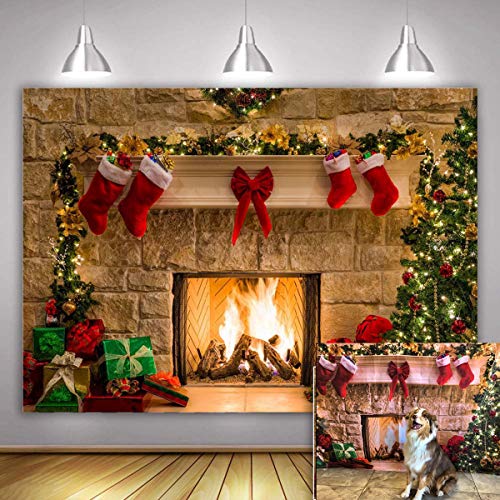
How to Install a TV Above a Fireplace Safely

Most people assume hanging a television over the hearth will quickly ruin the screen or cause constant neck pain. While rising heat really can destroy sensitive electronics, placing a television here works well as long as you deflect the rising hot air and secure the bracket to solid framing. A thick mantel shelf usually keeps the wall cool enough, while a tilting or drop-down frame prevents you from staring straight up at the ceiling.
The exact setup changes based on what your wall is made of and how much heat your fire puts out. Anchoring into wood studs behind drywall uses basic heavy-duty screws, but solid brick or stone requires masonry anchors (heavy sleeves that lock bolts into stone). You also need to confirm that your mantel blocks enough warmth before drilling any holes. Taking a few simple measurements first will keep your screen safe and comfortable to watch.
Check your wall temperature and clearance before buying hardware
Heat is the primary enemy of modern television electronics. Flat-screen displays rely on delicate liquid crystal panels, internal microchips, and thin ribbon cables. When temperatures behind or underneath the television rise above 100 degrees Fahrenheit, internal parts wear down quickly. Excessive heat causes pixel discoloration, screen flickering, unexpected system restarts, and a significantly shortened operating life.
Before you drill a single hole, measure how warm your wall gets during a fire. Tape a simple household thermometer flat against the wall where you want the screen to sit. Build a normal fire in your hearth and keep it burning for at least two hours. Check the temperature reading every 30 minutes. If the wall surface temperature exceeds 90 to 100 degrees Fahrenheit, mounting your television directly against that surface poses a serious risk to your electronics.
A sturdy mantel shelf serves as a vital heat shield. It acts like an awning, catching the rising thermal current and deflecting hot air outward into the room rather than letting it travel straight up the wall. If your fireplace lacks a mantel, install a non-combustible shelf or a metal heat deflector hood beneath the intended screen location.
Run through this safety checklist before moving forward with any installation work:
- Surface heat: Verify that the wall stays under 100 degrees Fahrenheit after two hours of continuous fireplace use.
- Mantel depth: Confirm your mantel shelf extends out from the wall at least four to eight inches to redirect rising hot air.
- Mantel clearance: Maintain an empty safety space between the shelf and the screen of at least eight to twelve inches to keep the television frame out of the hot air stream.
- Draft management: If your chimney draws cold outdoor air down behind the wall when not burning wood, learn how to close a fireplace damper tightly to prevent sudden temperature swings behind your screen.
Pick a mount that protects your neck from strain
Placing a screen over a fireplace pushes it well above standard viewing recommendations. For comfortable living room viewing, the center of the display should sit close to seated eye level, which is usually 42 inches from the floor. A typical fireplace mantel stands four to five feet high, forcing the television to sit six feet or higher. Staring upward at that angle for hours bends your neck backward, causing neck strain, shoulder tension, and headaches.
Fixed, low-profile wall mounts hold the screen flat against the wall, but they are a poor match for high fireplace locations. When you sit below a flat screen, the picture appears dark and washed out because of limited vertical viewing angles. You need a mounting bracket that lets you reposition the television so the screen points directly at your eyes.
Tilting wall brackets provide a practical, budget-friendly solution for medium-height mantels. These mounts allow you to tilt the television face downward between 5 and 15 degrees. That downward angle restores proper picture contrast and eliminates reflections from overhead ceiling lights. A tilting bracket works best if your sofa sits at least 10 to 12 feet back from the fireplace.
Pull-down mantel mounts offer the most comfortable viewing experience for high installations. These specialized brackets feature heavy-duty counterbalanced springs or small electric motors that swing the television down over the hearth to seated eye level during use. When you finish watching, you push or motorize the screen back up above the shelf. Keep in mind that you must never pull the television down while a real fire is burning in the fireplace.
Check the VESA pattern (the screw hole layout on the back of the TV) before purchasing any bracket. Measure the horizontal and vertical distance between the threaded holes on the rear of your television in millimeters. Confirm that your chosen wall mount supports that exact pattern along with the total weight of your screen.
Anchor the bracket firmly into wood framing or masonry
A television mounted over a fireplace exerts a tremendous pulling force on the wall, especially when extended or tilted forward. You must anchor the bracket directly into solid structural material. Never use plastic drywall plugs, hollow-wall anchors, or toggle bolts to support a television mount over a fireplace.
Follow these steps to anchor your mounting bracket securely into your wall:
- Examine the wall construction: Determine whether you are mounting into drywall over wooden wall studs, or directly into a solid brick or stone chimney breast. Drywall installations require driving heavy steel lag screws directly into the center of wooden 2x4 beams. Masonry installations require heavy-duty expanding anchors driven into solid brick face.
- Locate your anchor points: On drywall, slide a stud finder (a handheld tool that senses wooden wall beams) across the wall to map the edges and center of each stud. Mark the center of two adjacent studs with a pencil. On brick or stone, choose mounting holes that align with the solid face of the brick. Avoid drilling into old, sandy mortar lines, because crumbly mortar can loosen under tension.
- Position and level the wall plate: Hold the metal wall plate against the wall at your chosen height, keeping your required mantel clearance in mind. Place a bubble level on top of the plate to confirm it sits completely straight. Mark the drill hole positions through the plate slots onto the wall with a pencil.
- Drill your pilot holes: For wood studs, drill straight pilot holes into the marked stud centers using a standard wood drill bit sized slightly smaller than the lag bolt core. For masonry, use a carbide-tipped masonry drill bit and a hammer drill to bore holes deep enough to hold your masonry anchors (heavy-duty sleeves that lock screws into brick or stone).
- Fasten the bracket to the wall: Line up the wall plate over the drilled holes. For wood, drive heavy lag bolts and flat washers into the studs using a socket wrench until the plate rests firmly against the wall. For brick, push the masonry sleeves flush into the holes, insert the lag screws, and tighten them down securely. Check the plate with your bubble level one more time before final tightening.
- Attach brackets and hang the screen: Bolt the two vertical mounting arms to the rear of your screen, matching your VESA pattern with the bolts supplied with your bracket. With a helper, lift the television and hook the top of the arms onto the wall plate rail. Gently lower the bottom of the arms until the safety latches engage, then tighten the safety locking screws underneath to lock the unit in place.
Route power cords safely without breaking fire codes
Hiding wires makes an entertainment setup look clean, but safety rules must come first. Never drop a standard flexible television power cord through a hole in the drywall to hide it. Appliance power cords have rubber jackets that are not rated for enclosed wall spaces. If a damaged cord overheats inside an enclosed wall cavity near a warm chimney, it can ignite wall studs or insulation.
The code-compliant method for drywall is an in-wall power bridge kit. These pre-wired kits include two recessed outlet boxes connected by building-rated electrical cable inside the wall. The top outlet sits hidden behind your television, while the bottom box sits near an existing baseboard receptacle. You simply plug a jumper cord from the bottom inlet into your standard 120-volt wall outlet (the regular household plug found in living rooms) to power the screen safely.
Masonry fireplaces require surface cable management. Never attempt to chisel deep cable channels through brick or stone, as doing so can crack the chimney structure or puncture the internal flue liner. Instead, run your power cords and HDMI cables through paintable surface raceways. These rigid plastic channels stick or screw neatly against the brick face, allowing you to paint them to match your stone or wall color.
Keep your cords protected from direct heat exposure at all times. Use plastic cable ties to secure all wires tightly against the back of the television frame and mounting arms. Ensure that no cord hangs loose below the mantel shelf or rests against metal fireplace glass, vent openings, or chimney pipes.
An all-in-one console eliminates mounting risks and heat worries
Drilling into chimney brick or worrying about rising smoke damage is not the right choice for every living room. If you rent your home, lack solid wall framing, or have a tall decorative fireplace that would cause severe neck discomfort, an electric fireplace TV stand is a practical alternative. These consoles combine supplemental room warmth, realistic flame displays, and sturdy television support in a single piece of furniture.
An electric console places your television at a natural, seated eye level on a stable wooden surface, eliminating the need to drill holes into masonry or search for hidden wall studs. The heating unit sits safely below the tabletop, drawing power from a standard 120-volt wall outlet and using quiet internal blowers to push warm air forward into the room. Because the warmth blows straight out into the living space, hot air never rises directly behind the television screen.
When selecting a media console, verify that the tabletop length comfortably exceeds the base width of your television. Check the manufacturer weight rating to confirm it handles your display screen with plenty of margin. Look for built-in cable pass-through holes to hide cords, and confirm the heater features an independent flame switch so you can enjoy relaxing ambiance even during warm summer months. Whether you choose to anchor your screen above an existing hearth or simplify your setup by researching a dependable electric fireplace console, keeping heat management and eye-level comfort in mind ensures a safe living room setup.
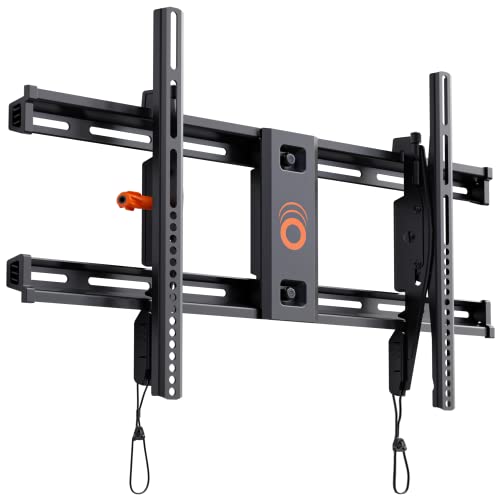
- BWP Score9.4
BWP Score is a ranking system developed by Bestwinterproducts.com. BWP score has no relationship or impact from any manufacturers or sales agent websites. Learn more
- BrandECHOGEAR

- BWP Score9.0
BWP Score is a ranking system developed by Bestwinterproducts.com. BWP score has no relationship or impact from any manufacturers or sales agent websites. Learn more
- BrandVASAGLE

- BWP Score9.0
BWP Score is a ranking system developed by Bestwinterproducts.com. BWP score has no relationship or impact from any manufacturers or sales agent websites. Learn more
- BrandBOSHIRO
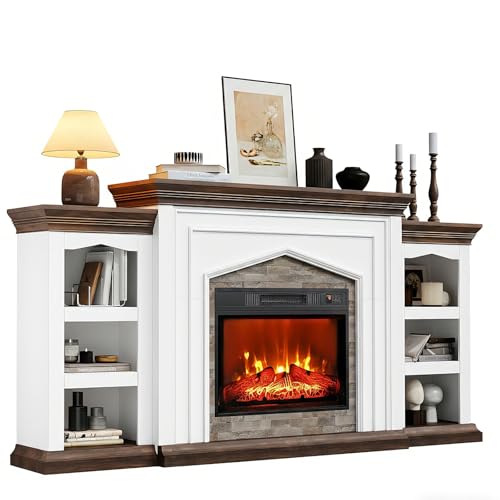
- BWP Score9.0
BWP Score is a ranking system developed by Bestwinterproducts.com. BWP score has no relationship or impact from any manufacturers or sales agent websites. Learn more
- BrandLGHM

- BWP Score8.8
BWP Score is a ranking system developed by Bestwinterproducts.com. BWP score has no relationship or impact from any manufacturers or sales agent websites. Learn more
- BrandMonoprice

- BWP Score8.8
BWP Score is a ranking system developed by Bestwinterproducts.com. BWP score has no relationship or impact from any manufacturers or sales agent websites. Learn more
- BrandHOOBRO

- BWP Score8.8
BWP Score is a ranking system developed by Bestwinterproducts.com. BWP score has no relationship or impact from any manufacturers or sales agent websites. Learn more
- BrandYESHOMY

- BWP Score8.4
BWP Score is a ranking system developed by Bestwinterproducts.com. BWP score has no relationship or impact from any manufacturers or sales agent websites. Learn more
- BrandYITAHOME
Last update on 2026-10-02 / Affiliate links / Images, Product Titles, and Product Highlights from Amazon Product Advertising API


12 Best Corner Electric Fireplace 2026: My Ultimate Guide To Pick One

Dimplex Prism Wall Mount Fireplace: Sleek Heat With Modern Flame Style
Best Electric Fireplace Insert for Large Room Heating and Style

Best 40 Inch Electric Fireplace Insert 2026 - Cozy Ambiance with Modern Power
Top 12 Best Quality Electric Fireplace 2026 - Buying Guides

Best Wall Mount Electric Fireplace 2026 for Ultimate Comfort and Style

How to Start Monessen Fireplace: A Step-by-Step Guide

How to Whitewash Rock Fireplace: Simple Steps to Refresh Your Space