
How to Keep Chickens Warm in Winter Without Electricity

Most backyard keepers assume a flock needs heat lamps or electric heaters to survive freezing weather. In reality, adult birds stay warm naturally with their own feathers as long as the coop remains completely dry and draft-free. Chickens trap pockets of warm air against their skin, tuck their heads under their wings, and huddle together on the roost to share body heat through sub-zero nights.
How much extra help a flock needs depends on local wind chill, breed hardiness, and how you manage moisture. Larger flocks generate plenty of shared warmth, but every coop needs deep, dry bedding to insulate the floor and high roof vents to carry damp breath away from resting birds. Here is how to protect your flock, stop frostbite, and keep the coop cozy through freezing storms without running a single extension cord.
The Short Version
- Rely on their natural down coat: Chickens maintain an internal body temperature near 106°F and stay comfortable in sub-freezing weather by fluffing their feathers to trap body heat against their skin.
- Stop wind at bird level while keeping roof vents open: Seal low cracks to prevent a draft (cold air blowing directly onto resting birds), but leave high roof vents clear so humid, warm air can escape before it causes frostbite.
- Build a deep floor pack: Use the deep litter method (thick bedding layers that compost slowly to create gentle warmth) with dry straw or wood shavings to insulate cold coop floors.
- Keep water liquid and runs dry: Shield outdoor areas with wind-blocking clear tarps, swap out rubber water pans twice daily, and coat sensitive skin with petroleum jelly to stop freezing damage.
How Chickens Trap Their Own Body Heat
Healthy adult chickens handle freezing temperatures much better than most backyard keepers expect. A chicken carries a normal internal body temperature between 105°F and 107°F. Beneath their visible exterior feathers sits a thick undercoat of down feathers. When cold weather moves in, chickens fluff these feathers outward, creating pockets of dead air that trap their radiant body heat right next to their skin. It works just like a high-grade winter sleeping bag.
When the sun sets and temperatures drop, chickens adjust their sleeping posture to protect their bare skin. They settle together on their wooden perches, fluffing their breast feathers completely over their toes and shanks. Just as people look into how to keep toes warm in the winter by shielding them from the frozen ground, chickens need wide perches so their feet stay off cold surfaces. They also turn their heads around and tuck their beaks deep into their back feathers. This posture protects their comb and wattles (the red fleshy skin on the head and neck) from icy air.
Flock dynamics also play a major role in natural winter warmth. Chickens naturally squeeze together on the roost at night. A row of four or five adult birds side by side shares body heat along their flanks, cutting down the total body surface exposed to the cold room. Because of these built-in systems, adult birds of cold-hardy breeds can easily tolerate dry, still conditions down to 0°F or even colder without needing any supplemental heating source.
Block Drafts While Keeping Roof Ventilation Open
The biggest danger to winter chickens is not cold air; it is trapped moisture combined with freezing drafts. Chickens exhale a large volume of water vapor every night, and their droppings release additional moisture into the coop. If that moisture cannot escape, it rises, hits the cold roof, condenses into icy dampness, and settles onto the flock. Wet feathers lose their insulating loft, and damp skin freezes fast, leading to painful frostbite on comb tips and toes. You must eliminate drafts while preserving good ventilation (high openings letting moist air escape).
- Seal cracks around the lower walls and roosting level: Walk inside the coop during daylight and shut the door. Look for light coming through cracks near the floor or right beside where the birds sleep. Cover these lower gaps with scrap plywood, cardboard, or foam weatherstripping. Air should never blow directly across resting birds.
- Check roost placement: Perches should sit at least 18 inches off the ground and well below the level of any open roof vents. If your roosts sit directly in line with a window or an open vent, move the roost lower or relocate it to an opposing interior wall.
- Leave top vents open: Keep ridge vents, soffit openings, or high gable vents open all winter. Warm, moist air naturally rises toward the ceiling and exits through these high openings, drawing fresh, dry air into the coop without creating a draft at bird level. Cover these high vents with sturdy half-inch hardware cloth to keep predators out.
- Confirm airflow direction: On a breezy evening, step inside with a flashlight. Hold a thin strip of paper or a feather near the roosts. The paper should stay relatively still around the perches. If the paper flutters rapidly, cold air is cutting across your flock, and you need to adjust your wall covers to direct the incoming breeze higher up.
Insulate the Floor with Deep Dry Bedding
Cold soil, stone, or plywood coop floors pull heat away from the coop interior. Laying down thick floor insulation keeps the floor surface comfortable and creates natural bottom-up warmth. The most effective approach for an unheated coop is the deep litter method, which involves building up thick bedding layers that compost slowly to create gentle warmth over the winter months.
- Start with a dry base: Clean out wet manure in late autumn and spread a base layer of dry pine shavings about 4 to 6 inches deep across the entire floor. You can also mix in clean straw. Keep in mind that clean straw has hollow stalks that trap body heat and repel moisture, whereas hay absorbs moisture, molds quickly, and freezes into a solid cold block. Stick strictly to dry straw or kiln-dried wood shavings.
- Scatter scratch grains to encourage natural turning: Chickens love to scratch and forage. Toss a handful of cracked corn or whole grains onto the bedding every morning. As the birds kick and dig for treats, they churn their droppings into the shavings, mixing oxygen into the material and preventing wet crusts from forming.
- Add fresh bedding in regular layers: Every week or two, scatter another 2 to 3 inches of clean bedding directly over the top. As the litter builds up to a depth of 8 to 12 inches, the bottom layer begins a slow, natural decomposition process that produces slight, steady warmth without creating hazardous ammonia fumes.
- Check floor moisture levels: The bedding pack should always feel dry and crumbly to the touch. If an area around a drinker gets wet, shovel that damp section out immediately and replace it with fresh, bone-dry wood shavings. Damp floor material chills the coop and releases moisture that damages comb tissue.
Shield Outdoor Runs with Clear Windproof Tarps
Chickens cooped up in a small room for weeks at a time get bored, pick at one another, and overload the indoor air with droppings. An outdoor run gives them room to stretch, preen, and exercise, but open wire runs expose them to freezing winds and driving snow. You can turn an outdoor run into a warm, sunlit winter sunroom using heavy windproof wraps.
- Cover north and west run walls with clear material: Most freezing winter storms and bitter winds come from the north and west. Cover these exposed sides of the run with heavy-duty clear plastic tarps or durable outdoor covers. Clear covers block the wind while letting sunlight pass through, creating a noticeable greenhouse warming effect during the day.
- Keep upper gaps open for cross-breeze: Do not wrap the run so tightly that it becomes a stagnant plastic bag. Leave a small gap along the top eave of the run on the sheltered side so fresh air can circulate and carry away dust.
- Secure edges firmly against winter storms: Fasten your covers securely using heavy-duty zip ties, elastic cords, or wooden battens screwed through the grommets. A loose tarp will whip loudly in winter winds, frightening your flock and tearing out eyelets during heavy gusts.
- Cover the run floor to protect bare feet: Chickens generally dislike walking on bare snow or frozen mud. Spread a thick layer of coarse wood chips, dry straw, or pine bark across the run floor. Add a few low logs, wooden pallets, or sturdy tree branches so birds can hop off the ground and enjoy the sunny outdoor space in comfort.
Prevent Frozen Water Without Power
Chickens cannot break thick ice with their beaks, and they will not eat dry feed if they cannot drink. Dehydration causes flock stress, shuts down egg production, and limits their ability to digest food and generate body heat. While you bundle up and learn how to keep warm in winter outdoors during your morning chore routine, your flock relies on you to keep liquid water within reach without electric heaters.
- Use flexible black rubber feed pans: Rigid plastic waterers crack when water freezes, and galvanized metal water containers can freeze damp wattles on contact. Black rubber pans absorb solar heat on sunny days, and their flexible walls make ice removal simple. When the water freezes into a solid block, turn the rubber pan upside down and step on the bottom to pop the ice plug right out.
- Float clean ping-pong balls on the water surface: Place two or three floating plastic balls in an open water tub. Even light winter breezes push the balls around the surface. This continuous surface movement interrupts ice crystals as they try to form, delaying freezing in borderline temperatures.
- Build a simple passive solar drinker: Set a black rubber water bowl inside a slightly larger plastic bucket or an old car tire packed with dry straw, wood shavings, or spray foam insulation. Place this setup against a south-facing exterior wall where it catches direct winter sunlight. The dark rubber and surrounding insulation capture daytime warmth and slow freezing.
- Adopt a predictable two-pan rotation schedule: Bring out a pan of warm water first thing in the morning when the flock leaves the roost. Bring out a fresh refill in the early afternoon, carrying the frozen morning pan back indoors to thaw by an entryway or basement sink. Chickens drink most heavily right after waking and just before roosting.
- Apply protective ointment to large combs: When birds drink from open pans, their wattles can dip into the water. Apply a thin coating of thick barrier ointment (like petroleum jelly) to large combs and wattles on cold mornings. The ointment repels water droplets and creates a protective shield against freezing air.
Deadly Winter Coop Mistakes to Avoid
Well-meaning owners often create dangerous coop conditions by treating chickens like indoor pets rather than cold-adapted livestock. Understanding what to avoid will protect your flock from common cold-weather disasters.
The most dangerous winter mistake is hanging a clamp-style heat lamp inside a chicken coop. Chickens are active, dusty birds. Flapping wings kick dry feathers, fine dander, and dry straw into the air constantly. If a heat lamp gets bumped, knocked down by a flying bird, or coated in fine coop dust, it can ignite the dry bedding in seconds, causing a catastrophic fire. In addition, if birds become dependent on an artificial 70°F heat source and a winter storm knocks out your neighborhood electricity overnight, the sudden 50-degree temperature crash can send the flock into hypothermic shock and cause sudden losses.
Another frequent mistake is sealing the coop completely airtight. When owners seal every crack, window, and roof vent with plastic wrap to trap warm air, they inadvertently trap moisture and ammonia fumes. High humidity combined with sub-freezing air causes frostbite far faster than cold, dry air ever will. Fresh, circulating air that carries moisture up and out through the roofline is essential for flock health.
Roost design also makes a huge difference in foot health. Avoid using narrow metal pipes, slick plastic rods, or small tree branches for winter roosts. When a chicken perches on a narrow branch, its toes wrap tightly around the underside, leaving the bottom of the foot and toes exposed to cold air. Instead, use a wooden 2x4 board installed with the wide 4-inch side facing upward. A flat 2x4 allows the bird to sit comfortably on top of its feet, enabling its warm breast feathers to blanket its toes completely through the night.
Finally, avoid feeding warm, watery mashes inside the sleeping coop right before bedtime. Wet food increases droppings moisture and raises indoor humidity levels overnight. Instead, feed whole grains or cracked corn about thirty minutes before dusk. Whole grains take several hours for the chicken gizzard to break down overnight. This active digestive process acts like a small, slow-burning internal furnace that generates steady metabolic heat while the birds sleep on their perches.
Helpful Gear for Winterizing Without Power
Winterizing an off-grid chicken coop relies on durable, passive protective materials that keep moisture out and shield birds from harsh wind. When preparing your setup for cold months, consider two essential non-electric items: windproof run covers and natural nesting box liners.
Clear, heavy-duty coop covers and tarps are designed to block freezing winds along the run while allowing essential sunlight into the scratching area. When selecting a winter cover, check the material durability, looking for tear-resistant polyethylene or thickened clear plastic that can withstand heavy snow loads and winter winds without ripping. Verify that the cover includes reinforced metal grommets spaced closely along the edges, and confirm whether it comes with mounting ropes, elastic cords, or zip ties so you can lash it tightly to your run frame.
Natural nesting pads made from aspen wood excelsior fibers provide warm, dry insulation inside nesting boxes. Unlike loose bedding that hens kick out onto the floor, fitted excelsior pads stay in place, creating an insulated barrier between laying hens and cold nesting box floors. When choosing nesting pads, confirm they use untreated natural fibers that wick moisture away from eggs, helping to prevent eggs from freezing before you collect them in the morning.

- BWP Score9.2
BWP Score is a ranking system developed by Bestwinterproducts.com. BWP score has no relationship or impact from any manufacturers or sales agent websites. Learn more
- BrandJoddguu

- BWP Score9.0
BWP Score is a ranking system developed by Bestwinterproducts.com. BWP score has no relationship or impact from any manufacturers or sales agent websites. Learn more
- BrandEaton Pet and Pasture

- BWP Score9.0
BWP Score is a ranking system developed by Bestwinterproducts.com. BWP score has no relationship or impact from any manufacturers or sales agent websites. Learn more
- BrandMEWTOGO

- BWP Score8.6
BWP Score is a ranking system developed by Bestwinterproducts.com. BWP score has no relationship or impact from any manufacturers or sales agent websites. Learn more
- BrandSindarhor
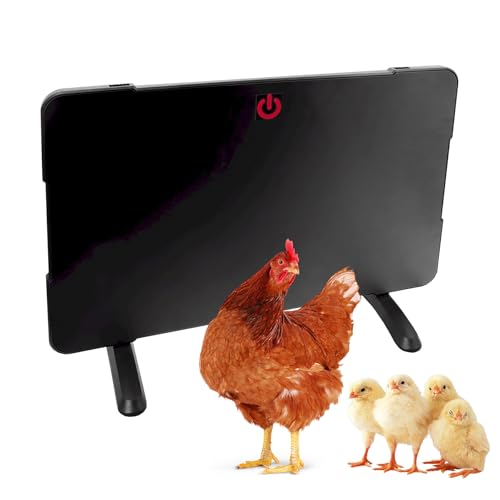
- BWP Score8.6
BWP Score is a ranking system developed by Bestwinterproducts.com. BWP score has no relationship or impact from any manufacturers or sales agent websites. Learn more
- BrandFarm Innovators, Inc.
- BWP Score8.6
BWP Score is a ranking system developed by Bestwinterproducts.com. BWP score has no relationship or impact from any manufacturers or sales agent websites. Learn more
- BrandJoddguu

- BWP Score8.6
BWP Score is a ranking system developed by Bestwinterproducts.com. BWP score has no relationship or impact from any manufacturers or sales agent websites. Learn more
- BrandAhpuhtan
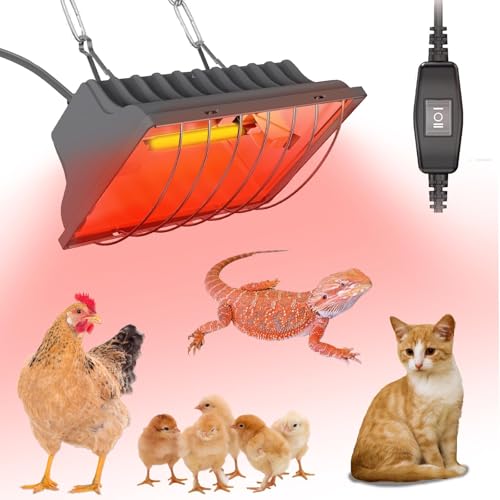
- BWP Score8.4
BWP Score is a ranking system developed by Bestwinterproducts.com. BWP score has no relationship or impact from any manufacturers or sales agent websites. Learn more
- BrandGIFANK

- BWP Score7.8
BWP Score is a ranking system developed by Bestwinterproducts.com. BWP score has no relationship or impact from any manufacturers or sales agent websites. Learn more
- BrandZEMIRO CHARGE
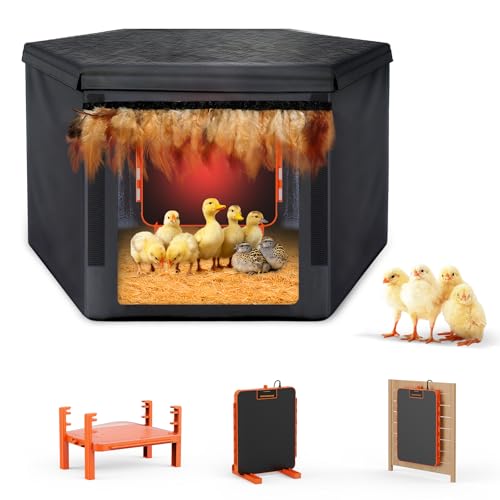
- BWP Score7.2
BWP Score is a ranking system developed by Bestwinterproducts.com. BWP score has no relationship or impact from any manufacturers or sales agent websites. Learn more
- BrandSindarhor

- BWP Score-
BWP Score is a ranking system developed by Bestwinterproducts.com. BWP score has no relationship or impact from any manufacturers or sales agent websites. Learn more
- BrandCHRUIXIN
Last update on 2026-10-02 / Affiliate links / Images, Product Titles, and Product Highlights from Amazon Product Advertising API
FAQs
How cold is too cold for chickens without supplemental heat?
Most cold-hardy chicken breeds, such as Rhode Island Reds, Orpingtons, and Plymouth Rocks, tolerate temperatures down to 0°F without supplemental heat if their coop is dry and free of direct drafts. When temperatures fall well below zero, birds will huddle tighter and consume more grain to stay warm. Flocks only run into trouble when damp air is trapped inside the coop or when biting winds penetrate their roosting area.
How can I tell if my chickens are too cold?
Chickens that feel chilly will puff their feathers out into a round ball, stand on one foot while tucking the other up into their breast feathers, and appear unusually quiet. If an entire flock refuses to move, stops foraging, and hunches together on the floor during the daytime, they are struggling with the cold. Lethargic birds with pale, blue-tinted comb tissue require immediate attention and shelter from the wind.
Does petroleum jelly really prevent frostbite on chicken combs?
Yes, applying a thin coat of petroleum jelly or thick barrier ointment to combs and wattles helps protect exposed tissue from frostbite. The ointment forms a water-repellent layer that prevents moisture from settling onto the skin when birds drink or breathe. Reapply the ointment every few days during prolonged sub-freezing spells, taking care to coat the tips and edges where frostbite typically starts.
Why do my chickens refuse to walk outside in the snow?
Chickens have poor depth perception and are naturally cautious of dramatic changes in their environment. A sudden blanket of bright white snow looks unfamiliar and threatening to them, and the freezing surface chills their bare feet immediately. You can encourage your flock to venture out into a protected run by clearing narrow walking paths and scattering dry straw, wood chips, or cardboard over the snow.


Best Warm Winter Scarves 2026 For Cozy Comfort

Best Green Ski Goggles 2026 For Clear Vision On Slopes

12 Best Corner Electric Fireplace 2026: My Ultimate Guide To Pick One

Best Battery Powered Snow Blower 2026 For Effortless Snow Clearing

Best Ski Goggles Under 30 Inches For Crisp Vision And Comfort

Best Cooling Scarf 2026 For Instant Relief And Comfort

Fake Snow for Grass: Create a Realistic Winter Lawn Display

Dimplex Prism Wall Mount Fireplace: Sleek Heat With Modern Flame Style





