
How to Keep Face Warm in Winter Without the Chill

How to Keep Face Warm in Winter isn't only about staying comfortable while walking outside. Cold air, biting wind, and dry conditions can quickly leave skin feeling tight, irritated, and painfully chilled before you even reach your destination. A few thoughtful habits often make a much bigger difference than piling on bulky layers, especially when your face stays exposed to the elements.
Covering your cheeks and nose with a soft scarf or neck gaiter helps trap body heat without making breathing uncomfortable. A well-fitted winter hat also deserves attention because a significant amount of warmth escapes from your head. Pairing those pieces with insulated outerwear creates a better barrier against icy wind, giving facial warmth a chance to last much longer during everyday activities.
Dry winter air doesn't just feel uncomfortable. It pulls moisture from your skin, making redness and cracking much more likely. Applying a richer moisturizer before heading outdoors helps strengthen the skin barrier while reducing that stinging sensation many people notice after only a few minutes outside. Lip balm and sunscreen also deserve a spot in your routine because cold temperatures and reflected sunlight can be surprisingly harsh.
Movement matters more than people sometimes expect. Standing still allows the cold to creep in quickly, while a steady walking pace helps improve circulation throughout your body. Better blood flow naturally supports warmer skin, making your face feel less exposed even on frosty mornings. Simple actions like flexing your fingers or gently moving your jaw can also encourage circulation without drawing attention.
Choosing breathable fabrics instead of rough materials around your face prevents trapped moisture from turning icy. Damp fabric loses insulation much faster than dry material, so changing a wet scarf after snowfall or freezing rain can make an immediate difference. Small adjustments like these often outperform expensive gear because they're based on how heat actually escapes from the body.
Hot drinks offer temporary comfort, but lasting warmth comes from maintaining overall body temperature. Eating balanced meals before spending time outdoors gives your body energy to generate heat naturally. Staying hydrated also supports healthy circulation, even though winter weather rarely makes people feel thirsty. Those little habits quietly work together behind the scenes.
Strong wind deserves just as much attention as freezing temperatures. Wind strips away the thin layer of warm air sitting against your skin, making conditions feel much colder than the thermometer suggests. Blocking that airflow with proper clothing and adjusting your route whenever possible can dramatically improve comfort. How to Keep Face Warm in Winter often comes down to reducing wind exposure rather than simply adding thicker clothing.
Realistic expectations matter too. No clothing completely eliminates discomfort during severe cold, but combining protective layers, healthy skincare, smart movement, and practical planning creates a noticeable improvement. Instead of constantly fighting the weather, these habits help your face stay warmer, your skin remain healthier, and every winter outing feel far more manageable.

- BWP Score9.6
BWP Score is a ranking system developed by Bestwinterproducts.com. BWP score has no relationship or impact from any manufacturers or sales agent websites. Learn more
- BrandCarhartt

- BWP Score9.2
BWP Score is a ranking system developed by Bestwinterproducts.com. BWP score has no relationship or impact from any manufacturers or sales agent websites. Learn more
- BrandBASSDASH

- BWP Score9.2
BWP Score is a ranking system developed by Bestwinterproducts.com. BWP score has no relationship or impact from any manufacturers or sales agent websites. Learn more
- BrandILM
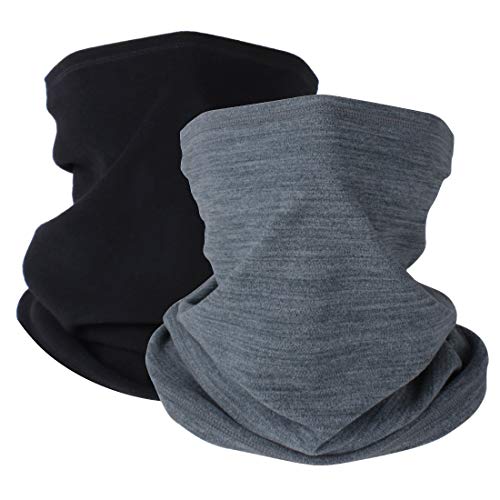
- BWP Score9.2
BWP Score is a ranking system developed by Bestwinterproducts.com. BWP score has no relationship or impact from any manufacturers or sales agent websites. Learn more
- BrandKGC

- BWP Score9.2
BWP Score is a ranking system developed by Bestwinterproducts.com. BWP score has no relationship or impact from any manufacturers or sales agent websites. Learn more
- BrandErgodyne
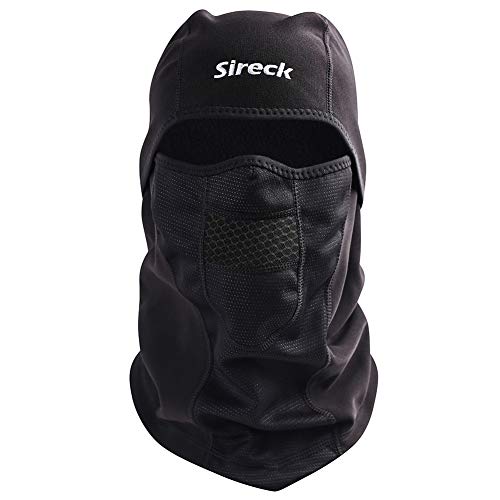
- BWP Score9.0
BWP Score is a ranking system developed by Bestwinterproducts.com. BWP score has no relationship or impact from any manufacturers or sales agent websites. Learn more
- BrandSireck

- BWP Score8.8
BWP Score is a ranking system developed by Bestwinterproducts.com. BWP score has no relationship or impact from any manufacturers or sales agent websites. Learn more
- BrandMISSION

- BWP Score8.8
BWP Score is a ranking system developed by Bestwinterproducts.com. BWP score has no relationship or impact from any manufacturers or sales agent websites. Learn more
- BrandTAGVO

- BWP Score8.8
BWP Score is a ranking system developed by Bestwinterproducts.com. BWP score has no relationship or impact from any manufacturers or sales agent websites. Learn more
- BrandAILONSHAWN

- BWP Score8.4
BWP Score is a ranking system developed by Bestwinterproducts.com. BWP score has no relationship or impact from any manufacturers or sales agent websites. Learn more
- BrandBASSDASH
Last update on 2026-07-16 / Affiliate links / Images, Product Titles, and Product Highlights from Amazon Product Advertising API
How To Keep Face Warm In Winter Without Skin Irritation
A bitter wind can turn a normal walk, commute, or morning chore into a test of patience within minutes. Cheeks start stinging, lips feel stiff, and the tip of the nose seems to catch every icy gust. Learning how to keep face warm in winter means solving several problems at once, including heat loss, trapped moisture, rough fabric, dry skin, and uncomfortable breathing. The most reliable approach uses smart coverage, steady body warmth, and skin protection rather than one bulky accessory pulled as tightly as possible.
Keeping Your Face Warm Without Feeling Smothered
Face coverings work by holding a thin pocket of warmed air close to the skin, but tighter isn't always better. A scarf wrapped too firmly can press against the nose, trap damp breath, and become clammy before the trip is halfway over. Choose a soft, breathable layer that covers the cheeks, chin, and lower nose while leaving enough space for comfortable airflow. That balance keeps warmth close without creating the boxed-in feeling that makes people pull the fabric down.
A neck gaiter often stays in place better than a loose scarf during walking, biking, shoveling, or waiting for public transportation. Look for a shape that can sit securely over the chin and cheeks without sliding into the eyes. Adjustable coverage matters because the right position changes as wind direction, activity level, and temperature shift. Pull it higher during exposed stretches, then lower it briefly if moisture begins collecting inside.
Fabric texture deserves more attention than it usually gets. Coarse wool may feel wonderfully warm around a coat collar, yet direct contact can leave sensitive cheeks itchy and red. A thin inner layer made from fleece, brushed synthetic fabric, or another smooth material can provide skin-friendly insulation while a heavier outer layer blocks the wind. This two-layer setup often feels warmer than one thick scarf because it controls both comfort and airflow.
Breathing through a face covering naturally adds moisture, especially during brisk movement. Once the fabric gets wet, it may cool against the skin and lose much of its insulating value. Carrying a dry backup gaiter or scarf is a simple fix for longer outings, and it doesn't take up much room in a coat pocket. Dry fabric retains warmth more effectively and reduces the chance of chafing around the mouth and nose.
Building Warmth From The Hat Down
A cold face often signals that the rest of the body isn't insulated well enough. The body protects its core first, so exposed hands, feet, ears, and facial skin may feel colder as blood flow shifts inward. A warm hat, insulated coat, gloves, and dry footwear support whole-body heat retention, which makes facial protection far more effective. Covering only the cheeks won't do much if cold air is pouring through an open collar or thin jacket.
Hats should cover the ears and sit low enough to close the gap above a scarf or gaiter. That small strip of exposed skin near the jaw and ears can become painfully cold during windy weather. A hat with a snug band helps prevent drafts, while a hood creates an extra wind-blocking shell around the sides of the face. Used together, they reduce the amount of cold air reaching the cheeks without forcing fabric directly across the mouth.
Coat collars also play a bigger role than they seem to. A tall collar prevents warm air from escaping around the neck and stops gusts from traveling upward beneath a scarf. Zip the coat fully before arranging facial coverage so the layers overlap instead of leaving little channels for cold air. Overlapping winter layers create a more dependable barrier than separate pieces that barely touch.
Overheating can undo this system surprisingly fast. Heavy clothing during active movement causes sweat, and damp layers cool quickly once the pace slows. Start slightly cool rather than already sweaty, then adjust the zipper, hood, and gaiter as needed. Temperature control keeps insulation dry and helps facial warmth last through changing activity levels.
Protecting Cheeks, Lips, And Nose From Dry Air
Winter warmth isn't only about temperature because dry skin can sting even when the face is covered. Cold outdoor air holds little moisture, while heated indoor air pulls even more water from the skin. Apply a fragrance-free moisturizer before heading outside to support the skin moisture barrier and reduce tightness. Give it a few minutes to settle so the surface doesn't feel sticky beneath a scarf.
Cheeks and the sides of the nose usually need more protection because they face direct wind and rub against fabric. A richer cream may suit these exposed areas better than a lightweight lotion, especially during long outdoor stretches. Avoid putting a brand-new or strongly scented product on irritated skin right before leaving home. Simple formulas are often easier to tolerate when the weather is already making the face feel raw.
Lips lose moisture quickly because their protective outer layer is thinner than the surrounding skin. Repeated licking may feel soothing for a moment, but evaporation soon leaves them drier and colder. To reduce cracking during winter outings, rely on lip balm for oxygen users that emphasizes gentle moisture protection rather than strong flavor or fragrance. A protective lip layer also reduces friction where a gaiter brushes across the mouth.
The nose needs a slightly different approach. Covering it can improve warmth, yet trapped breath may dampen the fabric and fog glasses. Position the upper edge of the gaiter below the glasses, and shape it closely over the bridge without squeezing the nostrils. Controlled airflow directs more breath downward, helping the nose stay covered while reducing moisture around the eyes.
Blocking Wind Without Trapping Too Much Moisture
Wind creates trouble by stripping away the thin layer of warmed air that normally sits against the skin. Even a moderate breeze can make the cheeks feel far colder than the air temperature alone suggests. A tightly woven outer fabric provides wind resistance, while a softer inner surface keeps the covering comfortable. This combination is especially helpful in open parking lots, on bridges, along waterfronts, and anywhere buildings funnel gusts into narrow spaces.
A hood can work like a movable windbreak around the head. Turn the body or adjust the hood opening so the wind hits the side or back rather than blowing directly into the face. This small positioning trick limits exposure without adding another layer across the mouth. Reducing direct wind contact often brings faster relief than tightening the scarf.
Face masks designed for cold weather may include shaped panels or small ventilation zones. Those details can make breathing easier, but openings that are too large may let sharp air reach the lips and nose. Test the fit indoors by breathing normally and moving the jaw as if talking. A useful covering should provide secure facial coverage without pulling, collapsing against the nostrils, or shifting every time the mouth moves.
Condensation needs active management during longer outings. Lower the covering for a moment in a sheltered place if it becomes noticeably damp, then allow some moisture to escape. Never leave wet fabric pressed against the skin during a break because cooling happens quickly once movement stops. Moisture management prevents a warm covering from turning into a cold compress.
Choosing Coverage For Different Winter Routines
A ten-minute walk to the store doesn't call for the same setup as an hour of snow clearing. Short, low-effort trips often need a hat, raised coat collar, and soft gaiter that can be adjusted quickly. Longer or more active outings benefit from layered coverage and a spare dry face covering. Matching protection to the task keeps winter comfort practical instead of making every trip feel like an expedition.
Commuters often move between heated buildings, cold platforms, crowded vehicles, and windy sidewalks. Easy-to-remove pieces matter because sweat builds fast after stepping indoors. A gaiter that slides down around the neck is usually less awkward than a scarf with long ends that need to be retied. Quick temperature adjustment reduces sweating and makes it easier to restore coverage before walking outside again.
People dealing with hair loss or a sensitive scalp may need coverage that joins smoothly with facial protection. Gaps around the temples and ears allow cold air to reach skin that may already feel tender. To create secure head coverage without bulky knots, use how to tie a head scarf for chemo as a practical guide for arranging soft fabric around the head. A smooth scarf fit can then overlap with a neck gaiter or coat collar for more continuous warmth.
Outdoor exercise requires lighter insulation because the body produces more heat. Start with a breathable face covering and avoid pulling thick fleece over the mouth unless the wind is severe. Slow down or vent clothing before sweat soaks the inner layers. Breathable protection keeps the face comfortable during movement and prevents a sharp chill during recovery.
Preventing Fogged Glasses And Icy Fabric
Fogged lenses can make an otherwise warm setup frustrating and unsafe. Warm breath rises through gaps beside the nose, then condenses on cold glasses. Press the upper edge of the face covering close to the cheeks and nose while leaving the lower section slightly looser. This airflow direction sends more moisture downward instead of toward the lenses.
Glasses can also sit slightly over the top edge of a thin mask or gaiter, helping hold the material in place. Bulky fabric may create larger gaps, so thinner coverage near the nose often performs better even if thicker insulation is used around the cheeks. Keep the lenses clean because residue gives condensation more places to collect. Clear vision matters as much as warmth on icy sidewalks, stairs, and roads.
Frost may form on the outside of a covering during very cold weather, especially around the mouth. A little surface frost doesn't always mean the inside is soaked, but stiff fabric can begin rubbing the skin. Rotate the damp area away from direct contact or switch to the spare covering before it freezes solid. Flexible, dry material protects warmth and prevents irritation during extended exposure.
Separately, cold-weather planning also applies to seasonal equipment outside the home. To maintain comfortable water temperatures after summer fades, consider a best above ground pool water heater suited to the pool size and local climate. That topic doesn't affect facial warmth, but the same weather-aware preparation helps prevent cold conditions from catching a household off guard.
How To Keep Face Warm In Winter During Long Outdoor Hours
Staying comfortable gets harder once a quick walk turns into a long commute, a day on the slopes, or several hours of outdoor work. Moisture builds inside face coverings, glasses begin fogging, and skin that felt fine at first may become sore from constant rubbing. A practical plan for how to keep face warm in winter has to keep working after the first few minutes, not just during the dash from the front door to the car. That means managing changing activity levels, replacing damp layers, protecting exposed skin, and noticing early warning signs before ordinary cold discomfort becomes a real safety concern.
Warmth That Lasts Beyond A Quick Walk
Long exposure changes what your face needs because small problems grow with time. A slightly damp scarf may feel harmless at first, yet moisture gradually reduces insulation and leaves the cheeks pressed against cold fabric. Pack a second lightweight face covering so you can switch before the first one becomes soaked or stiff. This simple habit protects steady facial warmth without requiring a thicker, heavier setup.
Activity level also shifts throughout a winter day. Walking uphill, clearing snow, or carrying bags produces extra heat, while waiting for a bus or standing at an outdoor event causes body temperature to fall. Open the coat collar or lower the face covering briefly before sweat builds, then restore coverage before slowing down. Early layer adjustment is far more comfortable than trying to warm wet clothing after the body has already cooled.
Breaks should happen somewhere shielded from direct wind whenever possible. A doorway, vehicle, covered station, or building corner can provide enough shelter to adjust layers without exposing warm skin to a sudden blast. Use the pause to dry condensation around the mouth, check the fit over the cheeks, and replace any wet fabric. A short reset supports long-lasting insulation and prevents irritation from getting worse hour after hour.
Food and fluids matter during extended exposure, though they can't replace proper clothing. A regular meal gives the body fuel for heat production, while water supports circulation even if cold weather dulls thirst. Warm drinks can feel soothing, but they shouldn't be treated as the main defense against low temperatures. Internal heat production works best when paired with dry clothing and effective wind protection.
Keeping Eyes Clear In Snow And Sharp Wind
Eyes often become the weak spot after the mouth, cheeks, and nose are covered. Wind can trigger watering, which makes the skin around the eyes feel colder and may blur vision. Sunglasses or winter eyewear create a physical barrier while also reducing glare from snow-covered ground. That combination supports eye comfort and helps you see icy surfaces more clearly.
Goggles provide broader coverage for skiing, snowboarding, snowmobiling, or working in blowing snow. The frame should sit comfortably against the face without pressing painfully into the nose or leaving large gaps beside the cheeks. For stronger wind protection and a wider sealed viewing area, compare bolle mojo goggles before heading into conditions where ordinary glasses may not provide enough coverage. A secure fit creates a warmer pocket of air around the eyes while limiting direct contact with snow and sleet.
Fogging usually begins when warm breath escapes through the top of a gaiter or mask. Shape the covering around the bridge of the nose and keep the upper edge beneath the lower rim of the eyewear. Avoid stuffing bulky fabric underneath goggles because it can lift the seal and create new gaps. Directed breath flow keeps moisture moving away from the lenses instead of trapping it inside.
Ventilation still matters, even in severe cold. Completely sealed eyewear may hold warmth, but trapped humidity can cloud the lens once activity increases. Use built-in vents as intended and keep them free of snow rather than covering them with a hat or scarf. Balanced ventilation offers better visibility than sealing every opening in an attempt to block all outside air.
Responding To Numbness Before It Becomes Dangerous
Cold discomfort shouldn't be ignored simply because everyone else seems fine. Tingling, burning, unusual paleness, or patches of numb skin can signal that the face has been exposed for too long. Move into shelter, cover the affected area, and allow it to warm gradually. Early action is safer than pushing through discomfort until sensation disappears completely.
Rubbing cold skin may seem natural, but aggressive friction can irritate or damage tissue that has become numb. Use gentle warmth instead, such as a warm room or loosely placed dry fabric. Avoid pressing very hot objects directly against the face because reduced sensation makes burns harder to notice. Slow rewarming protects delicate skin better than sudden, intense heat.
Children and older adults may not describe numbness clearly, so visual checks help. Look for unusually pale patches, persistent redness, shivering, confusion, or behavior that seems out of character. Ask direct questions about pain, tingling, and sensation rather than assuming silence means comfort. Frequent check-ins catch problems that scarves and hats may hide from view.
Medication, circulation issues, previous cold injuries, and certain health conditions can affect how quickly someone feels or loses heat. Generic winter advice may not cover every risk, especially during lengthy exposure or extreme wind. Follow professional medical guidance where personal health factors change normal cold tolerance. Individual limits matter more than keeping pace with another person's outdoor routine.
Fixing The Small Gaps That Let Cold Air In
Most frustrating cold spots come from gaps rather than a total lack of insulation. Air slips between the hat and hood, beneath the jawline, around the nose, or through the opening of a loose coat collar. Stand in front of a mirror after dressing and turn the head from side to side to see where skin becomes exposed. Closing those openings improves continuous coverage without adding unnecessary bulk.
A scarf should overlap the coat collar instead of stopping above it. Tuck the lower edge inside the jacket if wind tends to blow upward, but leave enough room to turn the head comfortably. Pulling everything too tight restricts movement and may make the fabric shift whenever you speak. Stable overlap keeps the layers connected while preserving normal breathing and motion.
Hat fit affects the temples, forehead, and upper cheeks more than many people realize. A loose hat can creep upward during movement, exposing the ears and leaving a cold strip between the hat and face covering. Choose a style that stays low without squeezing or causing a headache. Secure head coverage reduces the need to keep stopping and readjusting gloves, scarves, and hoods.
Facial hair can also change how a mask or gaiter seals. Thick beards may create airflow channels around the chin, while short stubble can catch rough fabric and increase irritation. A flexible covering that follows the jawline usually performs better than a rigid shape that sits on top of the hair. Close but comfortable contact limits drafts without crushing facial hair against the skin.
Keeping The Rest Of The Body From Stealing Facial Warmth
A cold face may be the first complaint, yet the cause can start much lower. Wet socks, thin gloves, or an uninsulated torso force the body to work harder to protect its core. As the body prioritizes vital organs, the nose, cheeks, fingers, and toes may feel colder. Whole-body insulation gives facial coverings a better chance to maintain warmth.
Footwear deserves particular attention because damp feet can cool the entire body during a long outing. Socks should move moisture away from the skin and fit without bunching or squeezing inside the boot. Tight footwear restricts circulation, while oversized boots allow friction and cold air pockets. Dry, unrestricted feet help maintain comfort from the ground up.
People managing recurring irritation between the toes may need materials that reduce moisture buildup during winter layering. To support drier feet inside insulated shoes, review socks for foot fungus before relying on thick cotton pairs that may stay damp after sweating. This separate foot-care step supports better moisture control, which can make long outdoor routines less uncomfortable overall. Warmth should never require trapping sweat against already sensitive skin.
Gloves, base layers, and outerwear should work as one system rather than unrelated pieces. A breathable base layer moves perspiration away from the body, an insulating layer holds warmth, and the outer shell blocks wind and precipitation. Adjusting any one of these layers can change how warm the face feels. Coordinated winter clothing prevents exposed facial skin from carrying the entire burden of staying comfortable.
Building A Simple Routine Before Leaving Home
A dependable routine reduces the chance of forgetting the small item that makes the biggest difference. Check the temperature, wind, precipitation, and expected time outdoors before getting dressed. Lay out the hat, gaiter, gloves, moisturizer, and eyewear together so nothing gets left behind during a rushed morning. Consistent preparation turns facial warmth into a habit rather than a last-minute scramble.
Apply moisturizer and lip protection before pulling fabric over the face. This order gives the products time to settle and avoids smearing them onto the inside of the covering. Use a modest amount because overly greasy skin may cause the gaiter to slide or collect dirt. Barrier support should protect the skin without making winter gear harder to wear.
Test the full setup indoors for several minutes. Speak, breathe deeply, bend down, and turn the head to check whether the fabric slips, presses against the nostrils, or pushes glasses out of position. Fix those annoyances before stepping into the cold because numb fingers make adjustments more difficult. Indoor fit testing catches practical problems without exposing the face during trial and error.
Keep a small winter kit in the car, backpack, or work bag. A spare gaiter, lip balm, tissues, hand warmers, and dry socks cover many of the problems that appear during an unexpectedly long day. Replace used or damp items instead of returning them to storage and forgetting about them. Ready-to-use backups protect comfort when weather, transportation delays, or changing plans extend outdoor exposure.

Best Warm Winter Scarves 2026 For Cozy Comfort

Best Green Ski Goggles 2026 For Clear Vision On Slopes

12 Best Corner Electric Fireplace 2026: My Ultimate Guide To Pick One

Best Battery Powered Snow Blower 2026 For Effortless Snow Clearing
Best Ski Goggles Under 30 Inches For Crisp Vision And Comfort

Best Cooling Scarf 2026 For Instant Relief And Comfort

Fake Snow for Grass: Create a Realistic Winter Lawn Display

Dimplex Prism Wall Mount Fireplace: Sleek Heat With Modern Flame Style





